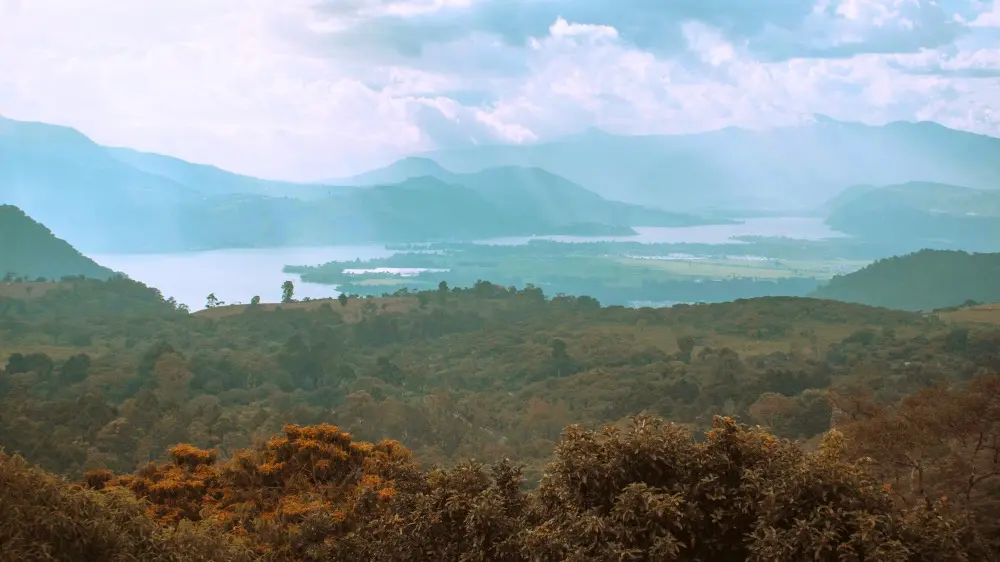
The Laguna de Calderas is home to one of the most mysterious and fascinating ecosystems in the whole of Central America. Just a few kilometres from Guatemala City, on the slopes of the imposing Pacaya Volcano, this vast body of water lies within the crater formed by past eruptions. Such a destination offers both adventure and tranquillity, unbeatable scenery and the closest possible contact with nature.
In this unique corner of Guatemala, travellers discover an exceptional example of active volcanic geology, as signs of geothermal activity and steam emissions can still be observed in the surrounding area. Its ecological value and importance for the conservation of the natural environment led to this very special place being designated a National Park alongside the Pacaya Volcano in 1956, covering an area of over one million square metres.
This natural paradise is surrounded by vegetation typical of a tropical rainforest, which contributes to its ecological and scenic value. The area combines urban and rural areas, reflecting the interaction between human settlements and natural ecosystems.
Laguna de Calderas: A nature getaway
Laguna de Calderas is situated some 6 kilometres south of Lake Amatitlán, within the boundaries of the department of Guatemala, and very close to the Pacaya Volcano. It lies within the municipalities of Amatitlán, in the department of Guatemala, and San Vicente Pacaya, in the department of Escuintla.

The lagoon itself offers a tempting escape into nature less than an hour from Guatemala City, whether you’re looking for an active holiday or simply seeking some peace and quiet.
This spectacular body of water, covering half a thousand square kilometres, is the centrepiece of a wide range of activities to enjoy, from swimming to kayaking. It offers a safe environment, with an average depth of five metres, although in some places the depth can reach twenty metres.
The crater that now holds this incomparable lake was formed by eruptions that ceased thousands of years ago, although volcanic activity that remains dormant can still be detected in the surrounding area. The wealth of minerals absorbed by the soil and the vast quantity of water have helped to create a unique, strange and complex natural ecosystem.
The uniqueness of Laguna de Calderas
Laguna de Calderas is exceptionally significant because it's a perfect example of a collapsed volcanic caldera that became a lagoon, a geological process that occurs in very few places in the world. The waters have a unique chemical composition due to the minerals released from the crater, which contribute to the beauty of the water’s colour and the biodiversity found there.
Furthermore, the presence of hot vapours rising from nearby formations makes it possible to study residual volcanic activity without the need for specialised equipment.
Various environmental studies have highlighted the importance of implementing conservation and sustainable management strategies to protect water quality and the biodiversity associated with the lagoon. Promoting responsible tourism is key to enabling people to appreciate the natural heritage without compromising its ecological integrity.
It's important to bear in mind that Laguna de Calderas forms part of the Lake Amatitlán catchment area, which means that its waters contribute to the ecological balance of this iconic body of water. Conserving the lagoon is essential for protecting the water quality of Lake Amatitlán and its biodiversity.
Forest area
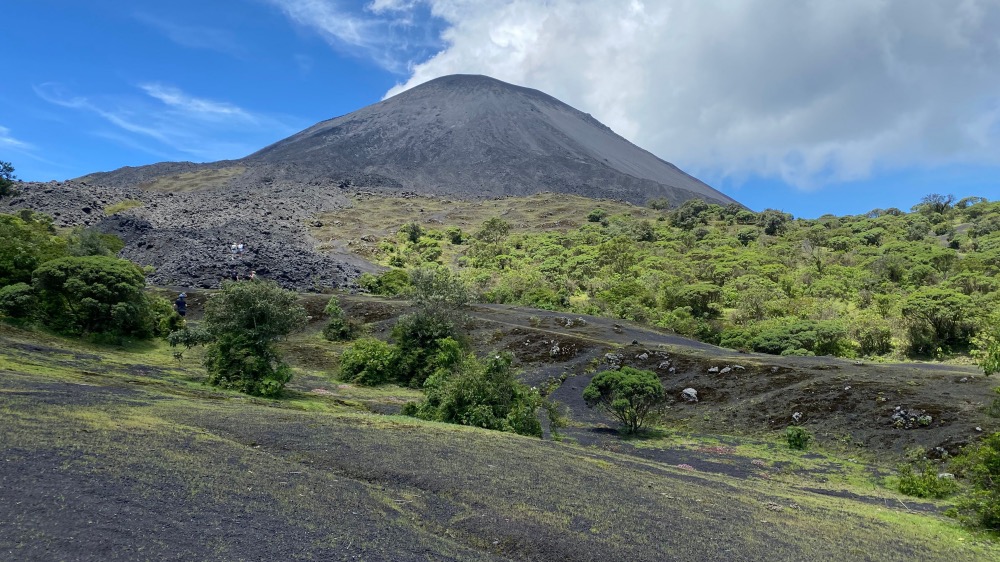
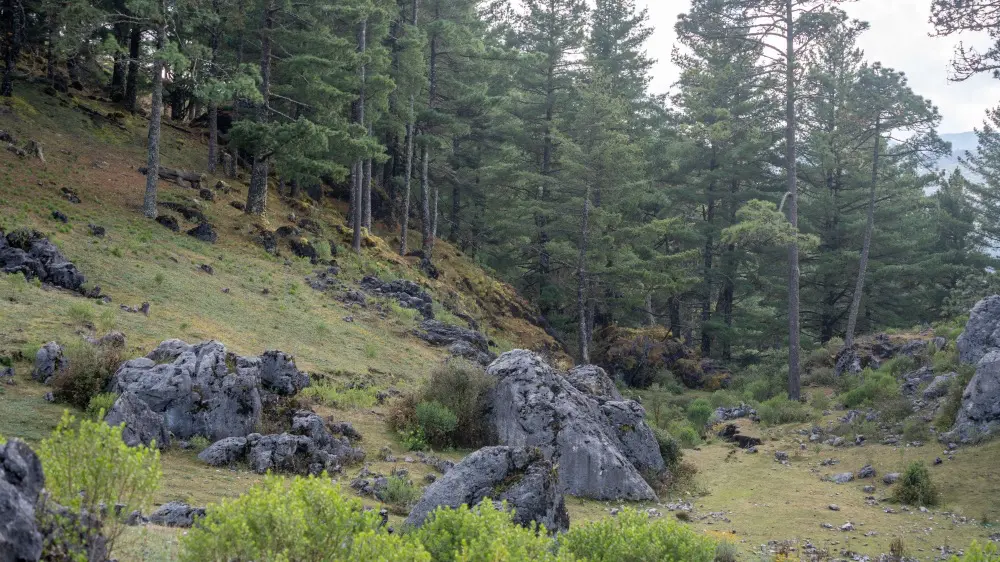
The area around Laguna de Calderas is also home to a virtually untouched forest. The lagoon is surrounded by vegetation typical of a tropical rainforest, which contributes significantly to its ecological value. This vegetation includes native tree species, epiphytes and a diverse range of flora, creating a rich and varied ecosystem.
Fishing tradition
In harmony with this environment lives a small community of fishermen, who carry out their work in non-motorised boats, most of which are handcrafted. Fishing, whether by hand with a hook or a spear, is permitted only a few days a week.
The most commonly caught species in the lake are tilapia and largemouth bass. In any case, fishing is properly regulated to ensure the integrity of the environment.
- We invite you to read our article about Lanquín Caves.
How to get to Laguna de Calderas
The Calderas Natural Park and Lagoon is situated at kilometre 52 on the road to the Pacaya Volcano. From Guatemala City, the journey takes approximately 1 hour and the distance is around 52 kilometres by road.
The main route follows the CA-9 South Inter-American Highway towards the south coast, until it joins the tarmac road leading to the municipality of San Vicente Pacaya. On reaching the junction between the villages of San Vicente Pacaya and San Francisco de Sales, the Park’s Visitor Centre appears on the right-hand side of the road.
The park has its own car park. It's advisable to set off with a full tank of petrol, as there are few places to refuel in San Vicente Pacaya.
As for public transport, there are direct buses signposted for San Vicente Pacaya or Volcán Pacaya. It's also possible to catch a bus opposite Tikal Futura heading for Xela or Quetzaltenango, and then change to a bus bound for Laguna de Calderas.
The park is open from Monday to Sunday. It's advisable to arrive early to avoid traffic congestion and make the most of the day.
- We invite you to read our article about Lemoa Lagoon.
What is there to do at Laguna de Calderas?
Laguna de Calderas offers a wide variety of activities that combine adventure, tranquillity and a connection with nature. The tour packages offer a range of options in terms of itineraries and prices.
Canopy
The most exciting activity is the canopy tour (zip lines), which spans a total of 700 metres, with several platforms scattered throughout the forest. This challenging experience requires participants to wear a life jacket.
Wall abseil
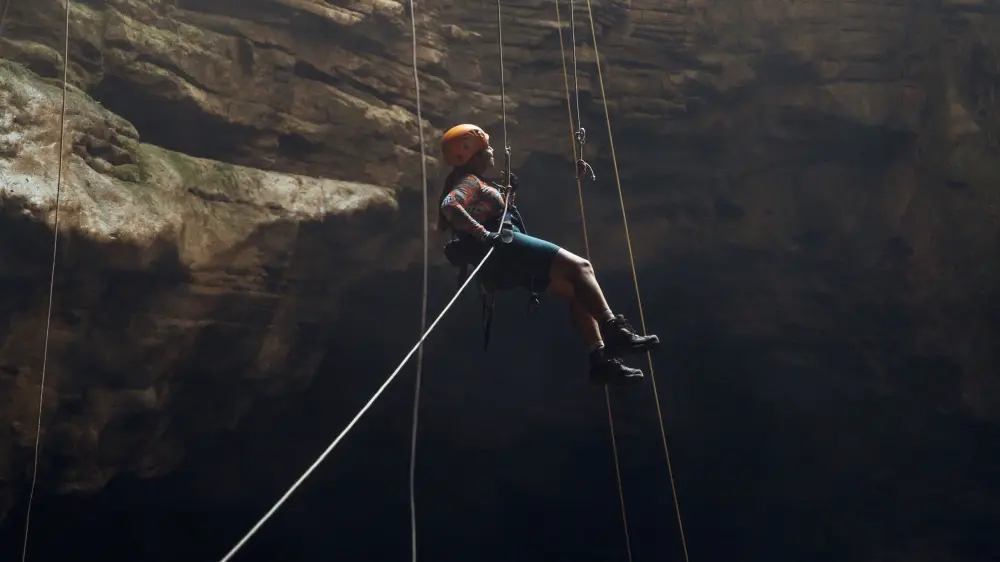
Abseiling down a large natural rock face, with safety equipment provided – ideal for beginners and adventure seekers alike. The giant swings are a particular highlight here.
In the water
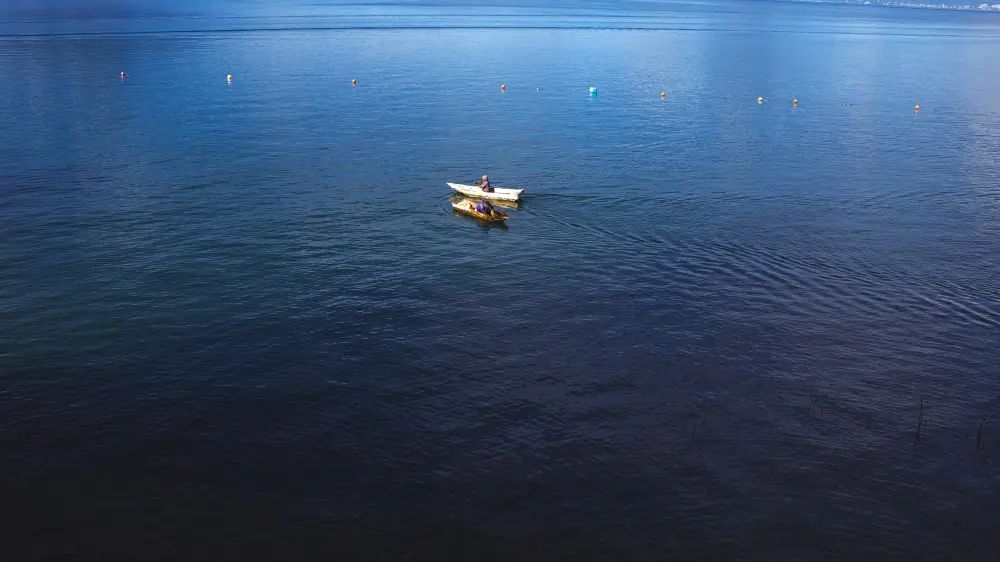
The area can be explored by motorboat on a lagoon featuring a distinctive floating jetty
Another option available is kayaking. And then there are the traditional rafts, made of tulle and reeds, on which you can try your hand at fishing – a highly recommended option for families.
Swimming is permitted in the lagoon, provided you always wear a life jacket.
Hiking and camping
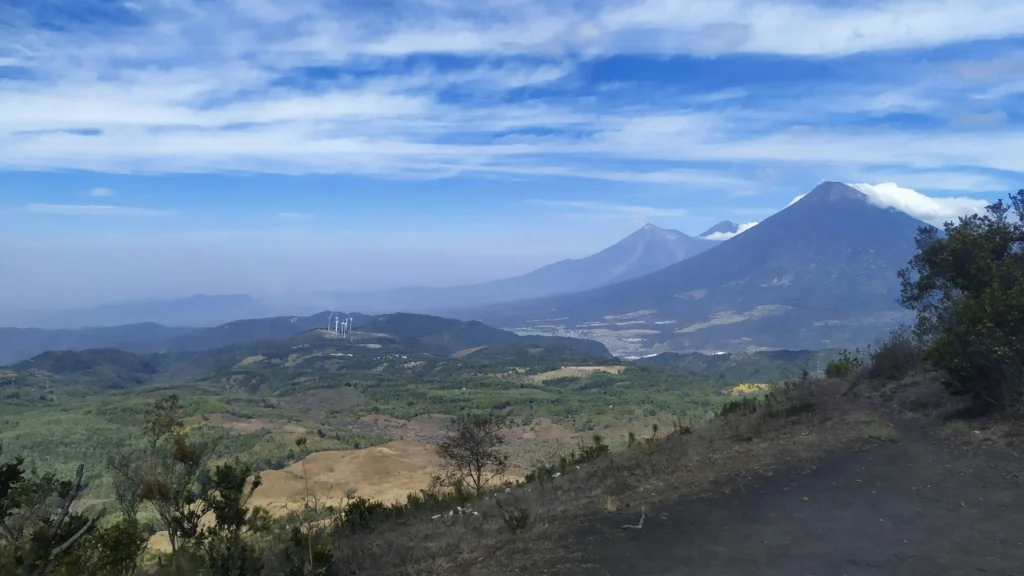
You can go hiking at Laguna de Calderas either on your own or on guided walks. From certain points along the trail, you can see Lake Amatitlán. We recommend that you wear comfortable walking shoes, light clothing, and bring water, light snacks, sun cream and insect repellent.
Just four kilometres – 15 minutes – from the lagoon is the entrance to the Pacaya Volcano area. The climb up the volcano requires moderate physical effort. At this point, it's recommended that you contact the National Forestry Institute (INAB) or the National Council for Protected Areas (CONAP) before travelling, to check the status of volcanic activity (which affects the intensity of steam emissions in the area). And follow the instructions of park staff at all times.
The lagoon has a large camping area, complete with security, right by the water’s edge. However, it's advisable to book a pitch in advance by telephone with the Laguna Brava committee. If you decide to stay overnight, it's essential to bring warm clothing, as the temperature drops significantly once the sun goes down.
The park has areas for barbecues (grill areas) and games (table tennis and volleyball). There are also electricity supply points.
Where to eat
Laguna de Calderas offers a range of dining options, from restaurants to the areas mentioned where you can prepare your own food.
A floating restaurant on the lagoon offers a variety of menus and the experience of dining on the water with a stunning panoramic view.
In San Vicente Pacaya, either before or after visiting the lake, you can buy some food, although the choice of restaurants is limited.
Where to stay
As well as the campsite, you might also consider Luna Calderas, a lodge with cabins overlooking the lagoon, just a few minutes’ drive from the Pacaya Volcano. Villas del Pacaya offers further accommodation in the form of cabins.
In San Vicente Pacaya, the options are more affordable, although they are outside the park, about 5 kilometres from the lagoon. It's advisable to check availability before you arrive.
- This page about natural wonders in Guatemala may interest you.
Fauna and flora of the national park
The wildlife found in Pacaya Volcano National Park comprises species typical of dry forests, mountainous regions and volcanic areas. Thus, the area is home to the grey fox, puma, jaguar, ocelot, yaguarundí, raccoon, armadillo, howler monkey, spider monkey, deer, agoutis and bats. Sparrows, pigeons, curassows, parakeets, tanagers and birds of prey are common, in addition to a wide variety of other species recorded in the area.
Overall, the park is home to more than a hundred species of birds and several dozen species of mammals.
Among the threatened species, the tree salamander Abronia meledona – considered endemic to Guatemala – and the Bolitoglossa pacaya salamander, which is in danger of extinction, are particularly noteworthy.
The local flora combines species typical of secondary forest, plants that are hardy in volcanic soil, and iconic trees such as the hormigo and the Pacaya cedar. Its botanical richness makes the park an ideal place for nature observation, with flowers, shrubs and species adapted to a landscape which, by its very nature, is constantly changing.
- This page about Antigua Guatemala may interest you.
San Vicente Pacaya
The village of San Vicente Pacaya, in the municipality of Escuintla, is situated on the very slopes of the Pacaya Volcano. Its main attraction lies in its proximity to nature and the tranquil pace of life typical of a farming community. From this village, there is direct access to the routes leading to the National Park and Laguna de Calderas.
Coffee, maize and beans remain an essential part of the landscape, which is predominantly volcanic. Facilities are basic and the atmosphere is welcoming.
The village celebrates its patron saint’s festivities in honour of Saint Vincent the Martyr in January, an event at which local traditions take centre stage.
Frequently Asked Questions about Laguna de Calderas
How long do I need to visit the lagoon?
For a full day’s visit, including canopy tours, abseiling, swings, swimming, kayaking and hiking, you’ll need a full day. Or at least between 6 and 8 hours. The journey time from Guatemala City is approximately 1 hour.
Which activities are best suited for families?
Traditional rowing boats, swimming in the accessible beach area and the campsite are the most highly recommended family activities. The floating jetty with chairs and tables is ideal for family meals, and table tennis and volleyball at Luna Calderas are always a great option for children.
Is it safe for children, and what age groups is it recommended for?
Canopy tours have a minimum age requirement, usually between 8 and 10 years old. People with serious heart conditions are not permitted to take part. And you must weigh between 30 and 100 kilograms to be eligible. In any case, you should always check with the park staff for the specific recommendations for each activity.
What should I do if it rains during the visit?
The park provides tents in the camping area. The floating jetty, which is equipped with chairs and tables, has electricity available in the area, which may offer some shelter. Activities such as zip-lining, abseiling and swings may be suspended for safety reasons.
When is the best time to visit Laguna de Calderas?
The months of November to February are the best time to visit Laguna de Calderas, as the weather is more favourable and the walks are more comfortable.