Known as ‘the blue mirror of the sky’, Lemoa Lagoon is an oasis of tranquillity surrounded by pine forests which has, in recent years, become one of Guatemala’s most famous ecotourism destinations. As with many other destinations in the country, this lagoon is shrouded in legends and a mystical atmosphere. But it's also an ideal spot for hiking enthusiasts, as there are many trails in the surrounding area.
If, during your trip to Guatemala, you’re looking to connect with nature in its purest form, stick with us because this place absolutely must be on your itinerary. Outdoor walks, boat trips, getting to know the Guatemalan highlands in depth... You’ll find all that and much more at Lemoa Lagoon in Quiché.
Introduction to Lemoa Lagoon
Location and how to get there from major cities
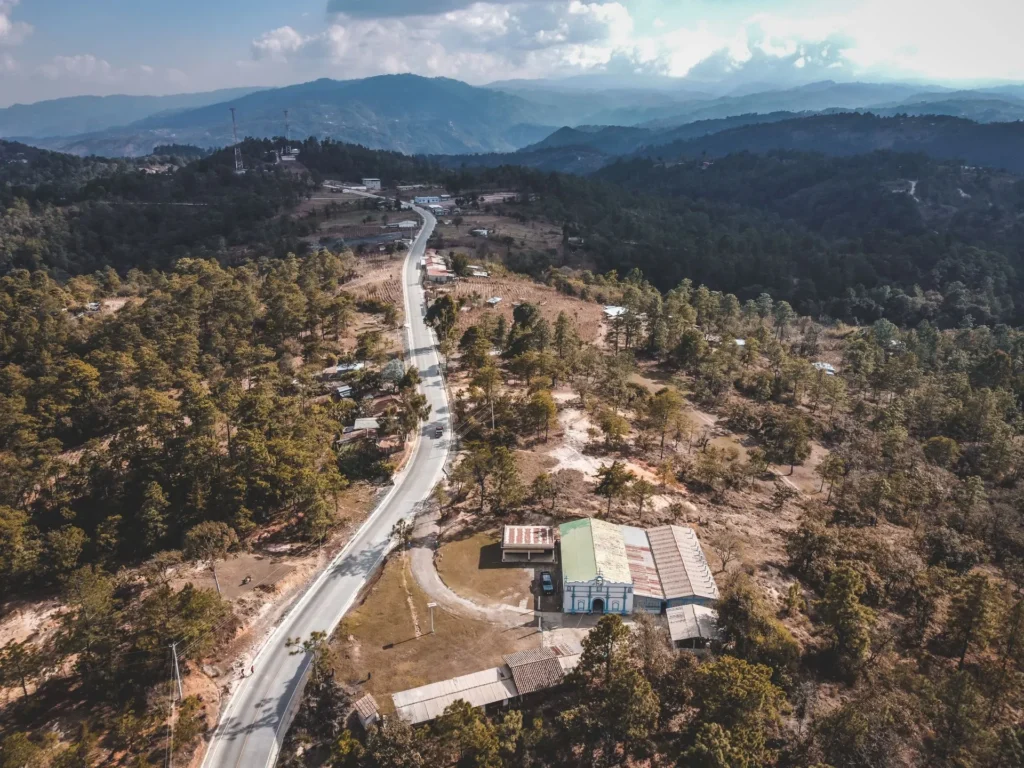
Lemoa Lagoon is situated in the heart of the department of Quiché, just a few kilometres from the municipality of Santa Cruz del Quiché, the department’s capital. As for how to get there, since it lies just off National Highway 15, the journey to this spot is straightforward and the road is very well paved. It's perfectly possible to get there by public transport, as hiring a car in Guatemala is not really recommended. In that regard, it's very common to travel from Guatemala City or from Panajachel (on Lake Atitlán), although in the latter case you will need to change transport once.
History and geographical features of the lagoon
The history of Lemoa Lagoon is deeply intertwined with the mysticism of the local indigenous peoples. For the Mayan communities, this area holds great energetic and spiritual significance, serving as a point of mystical connection. According to legend, an ancient pre-Hispanic village lies hidden beneath the waters of Lemoa Lagoon, whose inhabitants were struck by a divine curse that caused it to sink. The myths also claim that, on the quietest nights, one can hear the bells of the village church ringing beneath the water.

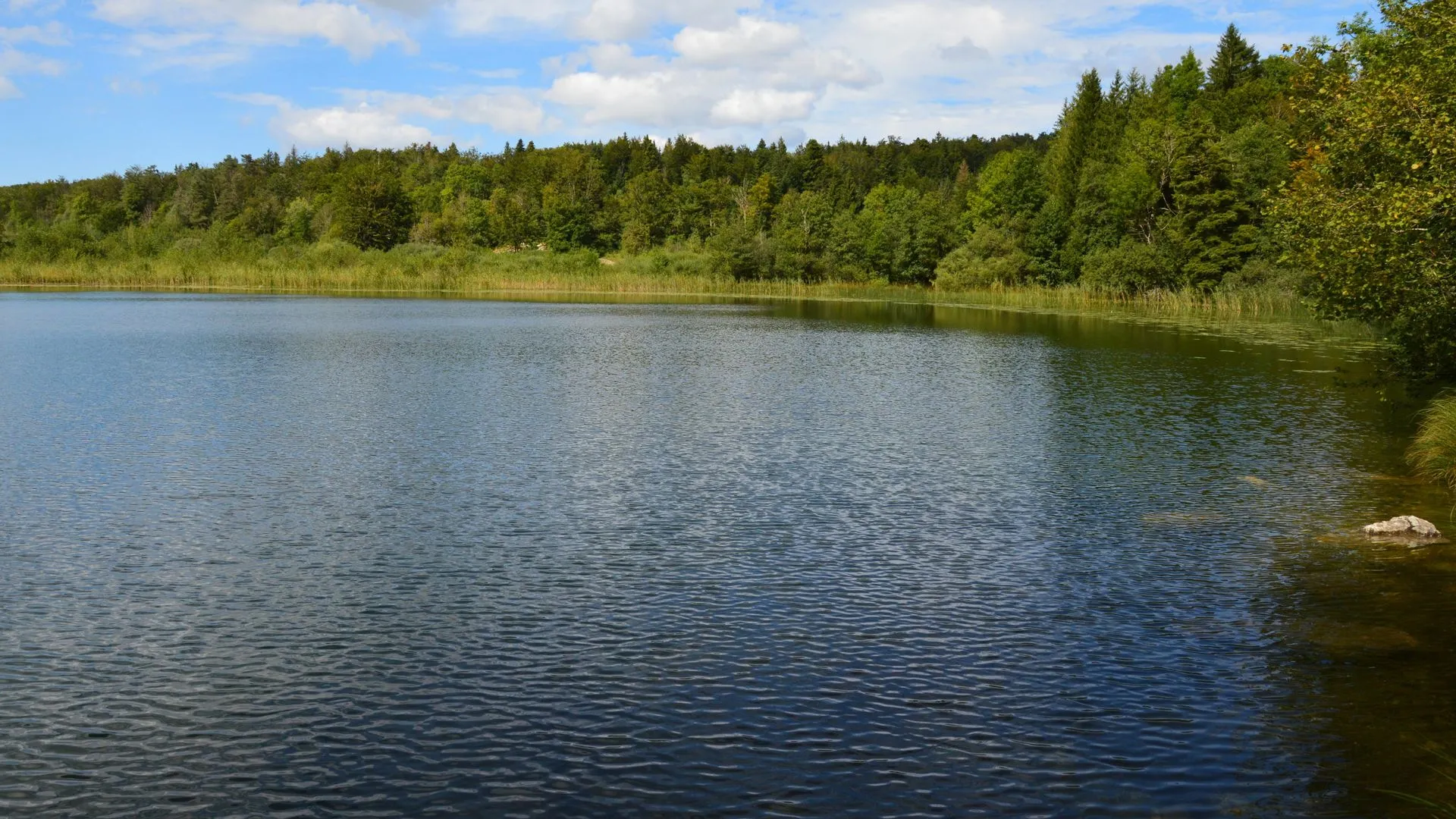
Returning to the geography of the lagoon, the ecosystem it has created around it is vital to the region, serving as a natural habitat for various species of birds and fish. Furthermore, the nickname mentioned earlier (‘blue mirror of the sky’) stems from the fact that its waters are very calm due to the protection from the wind provided by the surrounding hills, which allows the sky and clouds to be reflected almost perfectly.
Although the lagoon currently faces a number of environmental challenges affecting its water flow, water quality and fish stocks, it remains a magical place. We encourage you to leave a positive impact during your visit by practising responsible tourism, for example by not leaving any litter behind.
- We invite you to read our article about Laguna Brava.
Things to do in Lemoa Lagoon
Water sports: kayaking, swimming, sea fishing

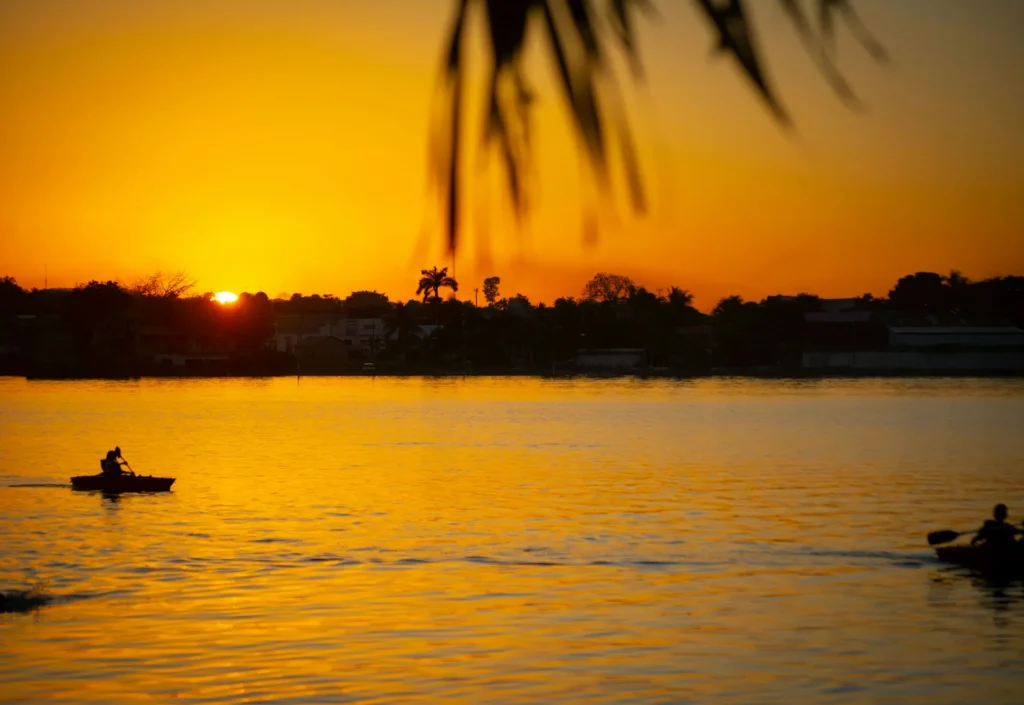
Water-based activities are the highlight of any visit to Lemoa Lagoon. Kayaking and canoeing, for example, are the most popular options. You can hire these boats and paddle along at a leisurely pace, taking in the views of the nearby hills from the centre of the lagoon. On the other hand, traditional and recreational fishing are also practised, always in designated areas and during the permitted seasons. It's something that both tourists and locals do, catching small fish.
As for swimming, unfortunately it is not permitted. Although in the past some locals did swim along the banks, it's now discouraged due to pollution in the river. However, these issues won’t stop you from enjoying the surroundings through the other activities on offer.
Hiking and nature trails around the lagoon
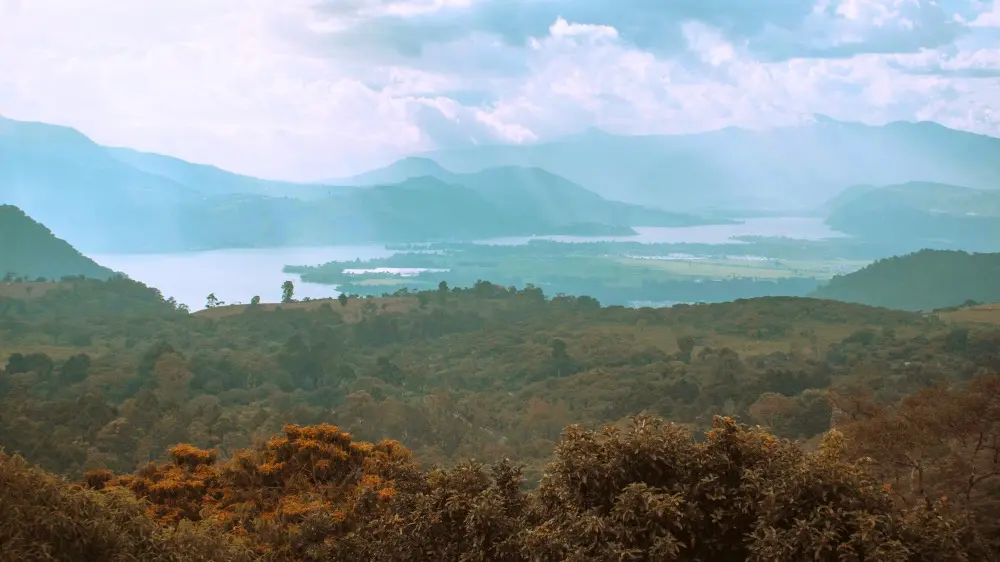
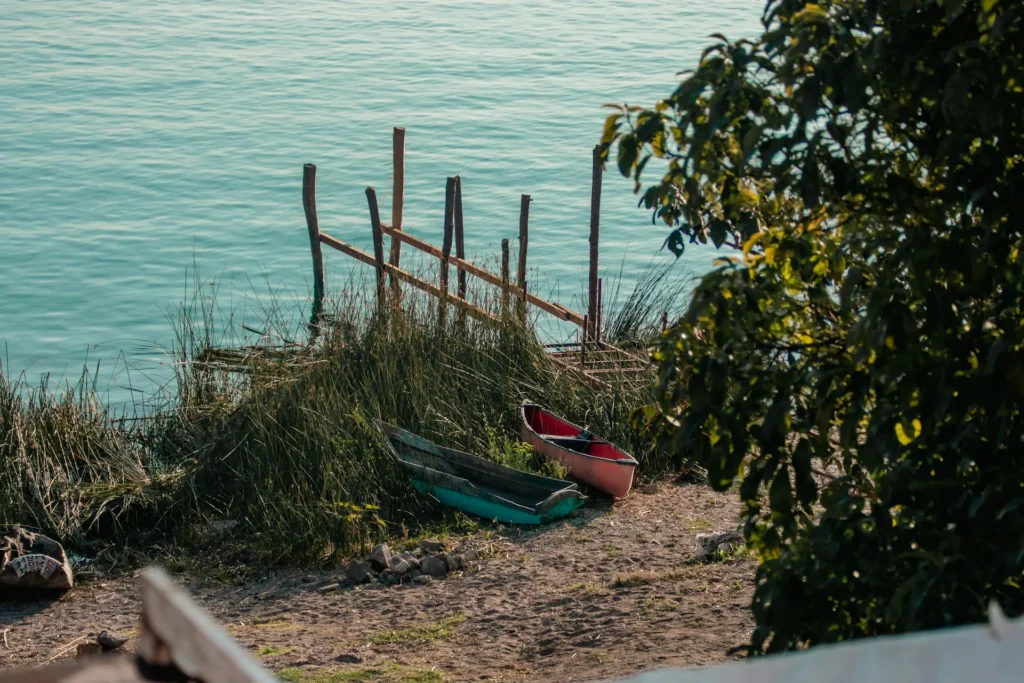
This is another of the lagoon’s highlights. On the one hand, there is the path that runs alongside the water; as it's flat and clearly marked, it's suitable for people of all ages and fitness levels. The more adventurous can also head off towards the neighbouring hills or wooded slopes. These trails are more rugged and steep, making for a more challenging walk. That said, the panoramic views they offer of Lemoa Lagoon are spectacular.
Observing local flora and fauna
As we’ve already mentioned, Lemoa Lagoon is a major haven for biodiversity. This makes it an ideal spot for birdwatching, whether you’re looking for native or migratory species. Ducks, herons, small songbirds… If you’re a keen birdwatcher, you won’t want to leave your binoculars at home when visiting Lemoa Lagoon. As well as admiring these animals, the area is excellent for discovering the typical vegetation of the Guatemalan highlands. There are many holm oaks, pines and aquatic plants on the shores of the lagoon, which work to maintain the balance of the ecosystem that has formed there.
- This page about Quetzaltenango may interest you.
Unique experiences for visitors
Both local cooperatives and community guides organise tours and activities to explore the area safely, responsibly and in depth.
Guided adventure and ecotourism tours at Lemoa Lagoon
Walking tours are organised around Lemoa Lagoon, combining hiking with tales of local Mayan legends and visits to specific sites where communities perform sacred rituals. You can also cycle around the perimeter of Lemoa Lagoon to experience the area from a different perspective.
- We invite you to read our article about San Juan La Laguna.
Practical tips
The best time to visit and enjoy Lemoa Lagoon
The dry season (November to April) is the ideal time to visit Lemoa Lagoon. The days are sunnier, the skies are clear and the winds are gentle. These weather conditions mean you can appreciate the water’s famous ‘mirror effect’ much more clearly. On the other hand, during this time of year the water level drops noticeably, leaving sandy areas exposed and making the jetties appear higher. Visually, it may look less attractive, but the surroundings remain very beautiful.
From May to October, which is the rainy season, although the surroundings become greener and the water level rises, the trails (especially those leading up the hills) become rather slippery and muddy, making walking very difficult. Furthermore, during this season, the famous reflection on the lake is lost because the water is rougher due to the rain and wind, and because the sky is usually cloudy.
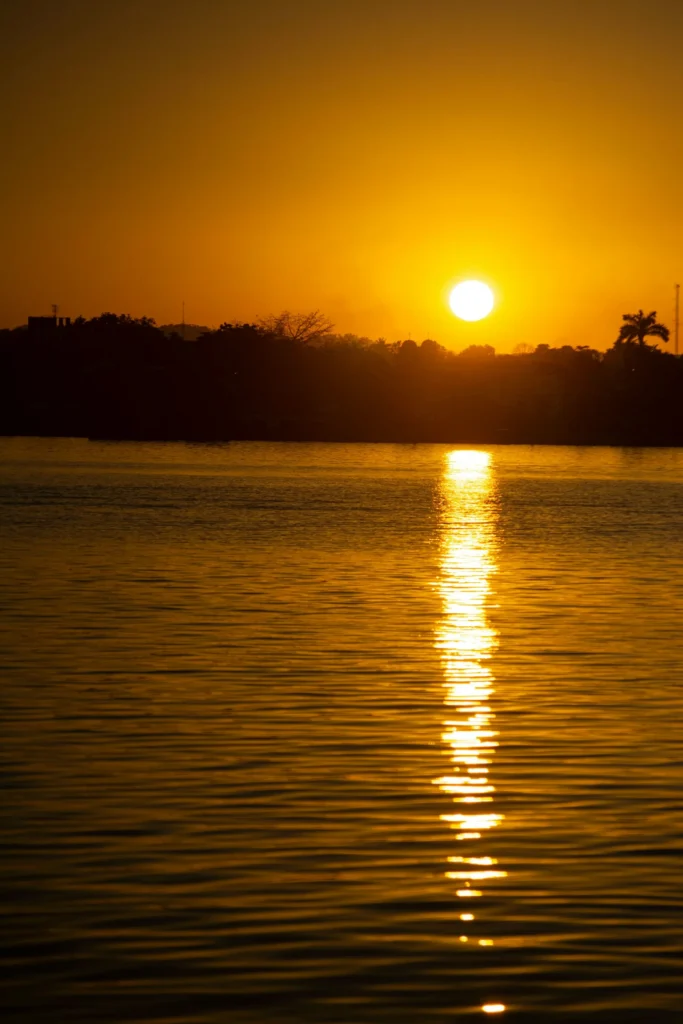
As for the best time of day to visit Lemoa Lagoon, between 6 and 9.30 in the morning is the ideal time. That’s when the area is at its quietest, so you can enjoy it without the crowds.
What to bring: clothes, outdoor gear, camera, sun cream
- Pack some light clothing for the day, but also something warm for the evening, as temperatures in the area tend to drop quickly.
- We recommend wearing hiking boots with good grip so that you can walk comfortably along the various trails.
- The sun is beating down on the area, so make sure you put on sun cream and a hat.
- I’d also advise you to take some mosquito repellent with you, as there are quite a lot of them in this humid area.
- Don't forget to bring your camera and binoculars so you can spot the birds on the lake.
- Bring some cash in quetzals so you can pay for boat or bike hire, as well as buy a snack at the local bars. Credit cards are not usually accepted.
- We invite you to read our article about the Motagua River.
Safety recommendations and certified local guides
Above all, the best advice we can give you is to hire certified local guides to take you along the surrounding trails. They are the ones who know the trails best and are familiar with the authentic legends of the area. Of course, if you come across Mayan altars in the area, with traces of ceremonies, do not remove or disturb them. And if you want to take photos of the locals, it’s always appreciated if you ask for permission before snapping the shot.