The ruins of Nakum are one of those places that often surprise travellers in Petén who are focused on Tikal and Yaxhá. Nakum may not have the fame of a 'major icon', but it does offer a compelling combination: well-preserved Mayan structures, an authentic jungle atmosphere, fewer visitors and a sense of peaceful exploration that is sometimes lost at the more popular sites.
In this guide, we’ll tell you where Nakum is, why it’s worth adding to your itinerary, how to get there from Yaxhá or other bases in Petén, what to see in a day, and how to fit it in with a sunset at Yaxhá without the whole trip turning into a mad dash.
If you’re planning a trip to Guatemala, you can find useful information on the official tourism website.
Where are the ruins of Nakum?
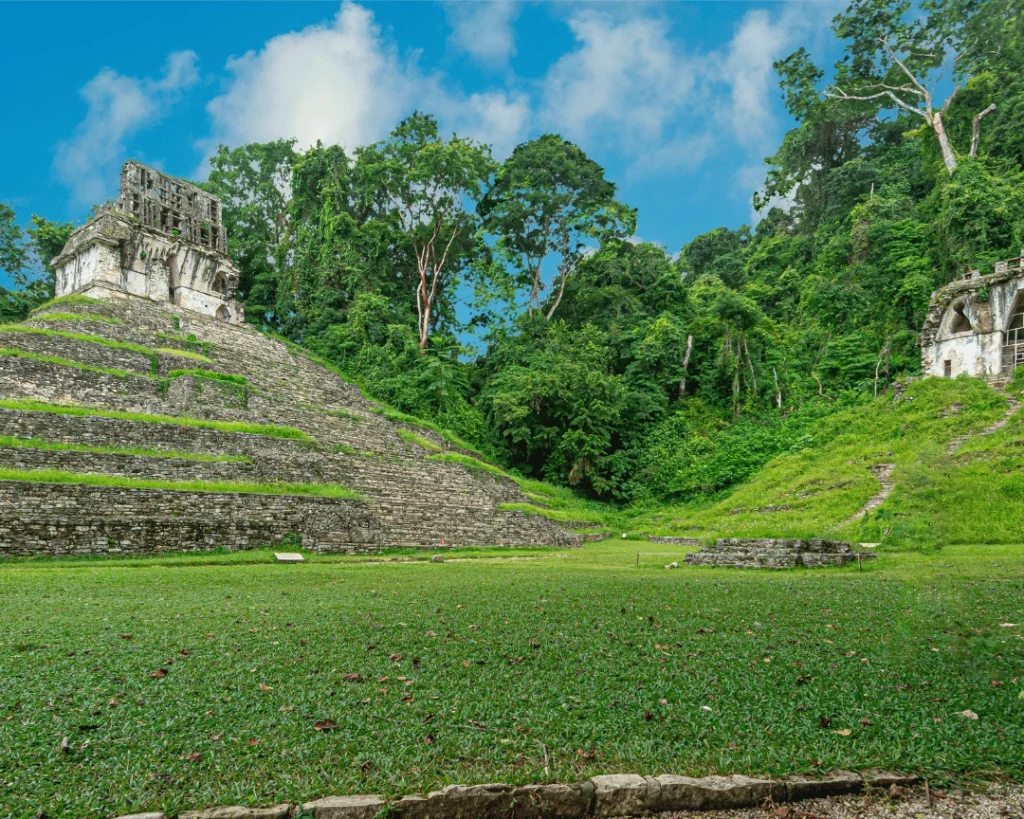
The ruins of Nakum are located in the department of Petén, in a jungle area that forms part of the north-eastern archaeological corridor, very close to the Yaxhá site. This is important because Nakum is almost always visited in combination with Yaxhá, either on the same day or as part of a 1–2-day tour of the area.

In practice, Nakum is perfect if you want to stray a little from the usual route without venturing too far off the beaten track. It’s set in beautiful natural surroundings, and the access route (depending on the season) is part of the experience: jungle, tracks, and that feeling of entering a place that’s not just 'a stopover'.
Why are the ruins of Nakum worth a visit as well as Yaxhá?
Because Nakum offers a different experience. Yaxhá is best known for its views and sunsets; Nakum, on the other hand, is often favoured for how easy it's to explore and for the feeling that you have the place more to yourself. If you’re short on time, Yaxhá might be enough. But if you can squeeze in a bit more, Nakum is one of the best choices.
What usually makes Nakum special is:
- Fewer visitors and a more peaceful stroll.
- Structure and scale: it feels like a cohesive whole, not just 'two dots and that’s it'.
- A very vivid jungle setting: the sounds, the shade, the humidity and a truly authentic Petén atmosphere.
What’s more, if you’ve already visited the country’s most iconic site, the comparison is an interesting one: Tikal. Tikal impresses with its sheer scale; Nakum captivates with its tranquillity and intricate details.
A brief history of Nakum and its Mayan ruins
Nakum was an important Mayan city in the Petén region, forming part of a network of urban centres linked by trade, political and ritual routes. As with many Mayan cities, its history can be understood in stages: growth, consolidation and transformations that are reflected in how the plazas, temples and acropolises were built and modified.
In terms of visiting the site, the value of knowing this is clear: Nakum is not an ‘isolated ruin’, but a place that formed part of a complex urban landscape. This becomes apparent when you walk through its squares: the layout of the buildings is designed for ceremonial life, for observation and for bringing the community together.
How to get to Nakum from Yaxhá, Flores and other parts of Petén
How you get to Nakum depends on where you’re based. The most common route is from the Yaxhá area, but you can also arrange a trip from Flores or other locations if you’re travelling around Petén. In all cases, it’s important to bear in mind the condition of the road, which can vary greatly depending on the season.
If your itinerary already includes Yaxhá, here is the official tourist information.
Access to the ruins of Nakum from the Yaxhá visitor centre
The most logical way to visit Nakum is from the Yaxhá area, as access is managed as a single archaeological and logistical site. The tour is organised from the visitor centre and, in many cases, forms part of a combined day trip (Yaxhá + Nakum).
This helps you make the most of your time: you don’t have to return to base, you don’t retrace your steps, and you can keep the day going in ‘jungle mode’. If you’re thinking of rounding off the day with a visit to Yaxhá at sunset, Nakum is the perfect stop to visit beforehand.
Dirt tracks, 4x4s and journey time to Nakum
It’s worth being realistic here: the route to Nakum usually involves sections of dirt track, and during the wet season there may be mud or sections where you’ll have to slow down. You don’t always need a 4x4, but it's common for a suitable vehicle or organised transfer to be recommended if you want to travel in comfort (and without worrying about the state of the road).
Travel time varies depending on your starting point and road conditions. It’s best to assume that the journey isn’t ‘instant’ and to allow plenty of time, especially if you also want to visit Yaxhá or stop at the viewpoints that day.
What to see at the Nakum ruins in one day
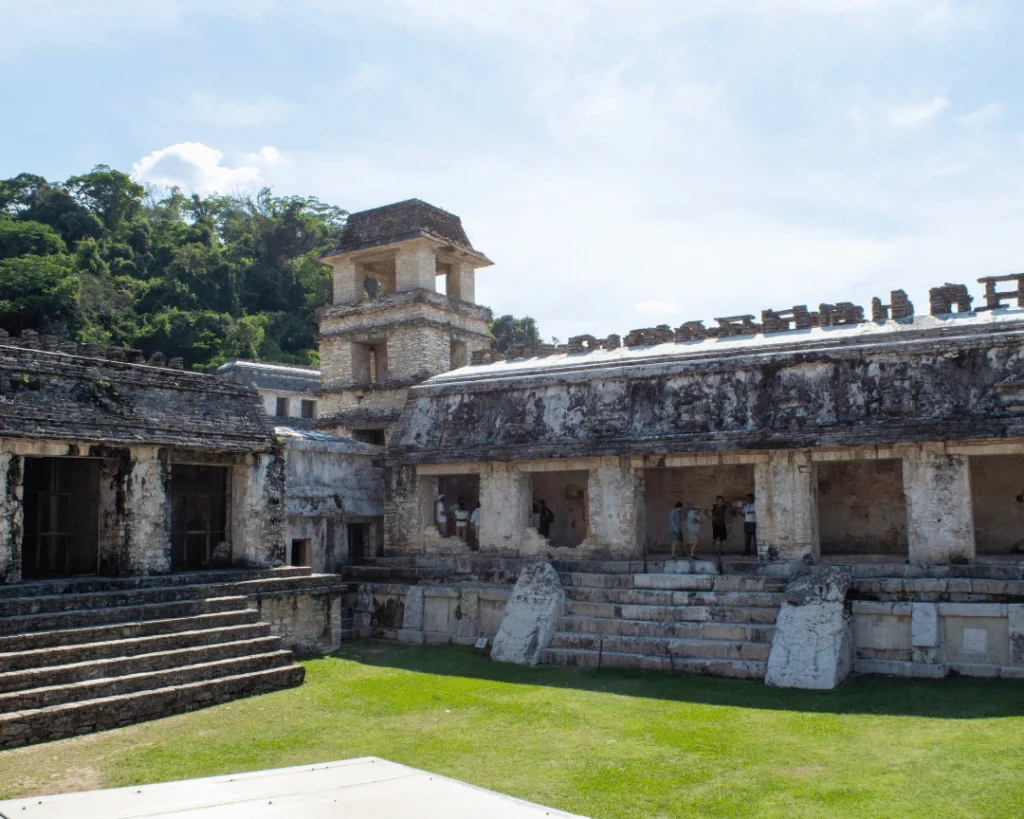
Visiting the ruins of Nakum in a single day is entirely feasible and, in fact, is the most common way to do it. Ideally, you should explore the site at a leisurely pace, without just rushing to get 'the photo’, because Nakum is best appreciated as a space: squares, platforms, stairways and vantage points that connect with the jungle. The charm here lies in the complete tour and in how the structures interconnect, not in a single ‘star’ attraction.
A good tip for getting the most out of it's to approach the visit as if it were a stroll through an ancient city: first, get an overview to find your bearings, and then explore each area with a specific purpose in mind. If you’re with a guide, the order is usually set. If you’re on your own, prioritise what allows you to see the whole site (square + acropolis + views) and leave time to stop in the shade and listen to the jungle, which at Nakum is part of the experience.
Nakum’s main square and its step pyramids
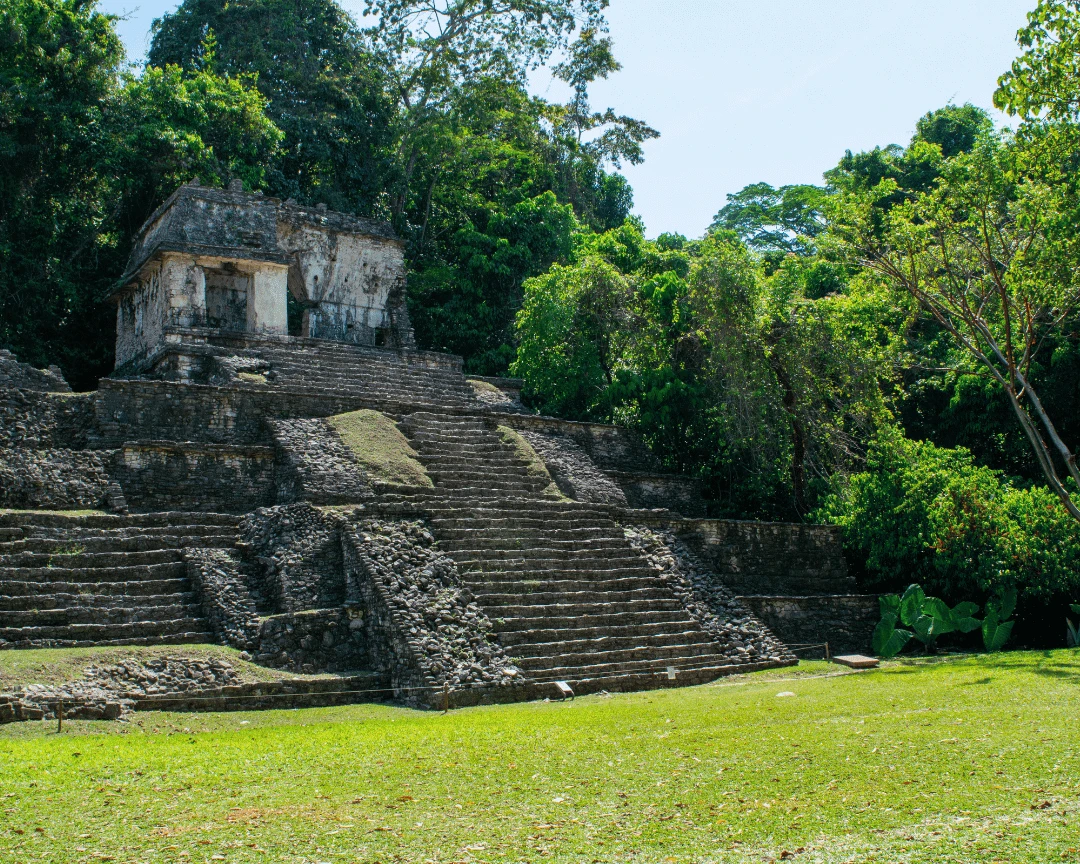
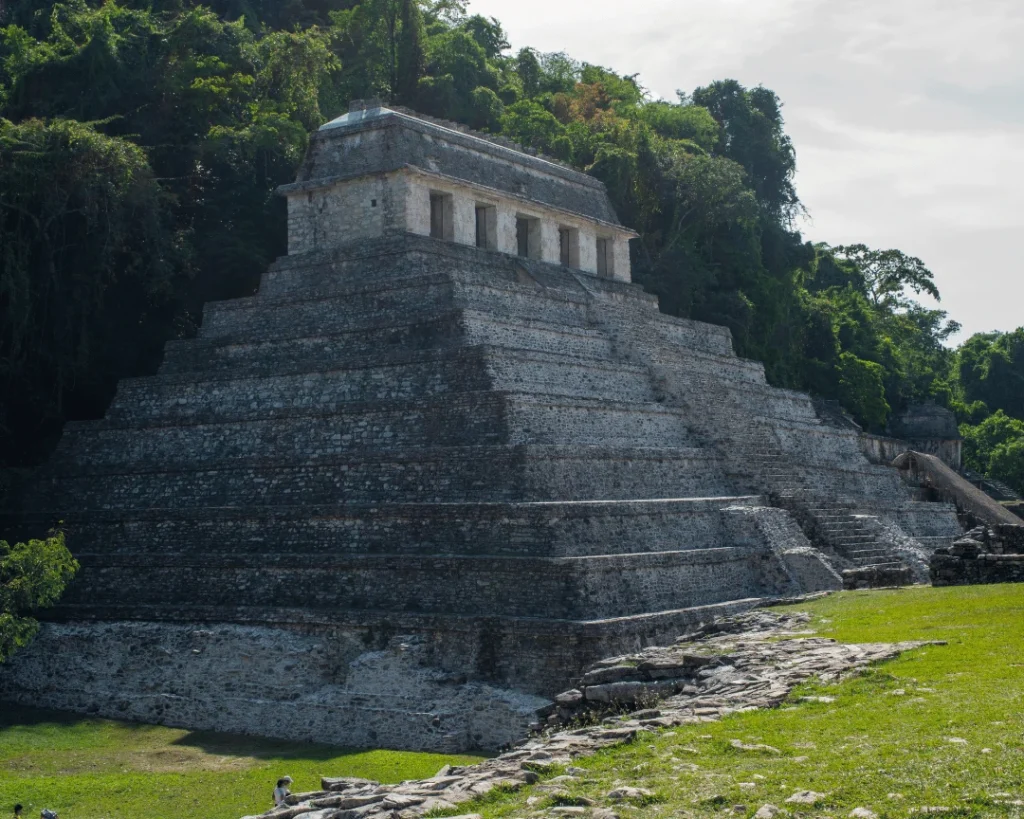
The main square is the focal point of the tour. It's where you begin to grasp the scale of the site and the logic of Mayan urban design: open spaces for gathering, and terraced structures surrounding them that establish hierarchy and perspective. It's the perfect place to pause for a few minutes and simply look around, because from there you can understand how ceremonial life was organised and how the architecture ‘directs’ the gaze.
It’s worth stopping here to take in the whole scene before getting up close to each structure. It’s a simple trick, but it changes the experience: you’ll understand why the square functions as a ceremonial setting. If you fancy it, take a slow stroll around the edges and look for different angles; sometimes a structure that seems ‘less important’ from one vantage point becomes the centre of attention from another.
The Acropolis and the most important temples at the Nakum ruins
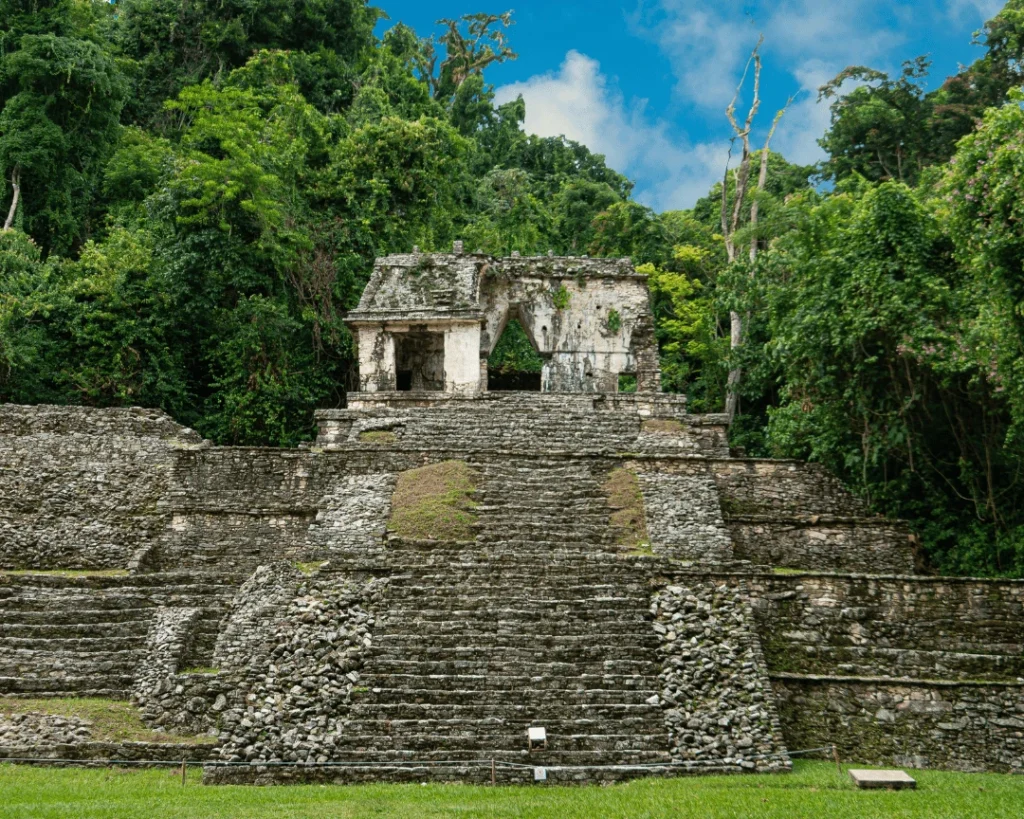
The acropolis and the main temples are usually the most impressive part of the tour. This area encapsulates the sensation of a ‘Mayan city’ in the vertical plane: platforms, stairways and structures that follow one another in layers. It's a striking part of the site because it makes you walk upwards and forces you to view the space differently, with a sense of perspective.
What’s interesting here is to notice how the levels change: moving from an open square to raised platforms helps you understand the hierarchy of the site. What’s more, this is usually an area where you can best appreciate how the site blends into the jungle, as greenery appears behind, to the sides and in the gaps in the surroundings. If you’re interested in exploring the Yaxhá area in more depth (which is often combined with Nakum), make a note of this guide to follow later: Guide to visiting the North Acropolis of Yaxhá.
Viewpoints overlooking the jungle and views of the surrounding area
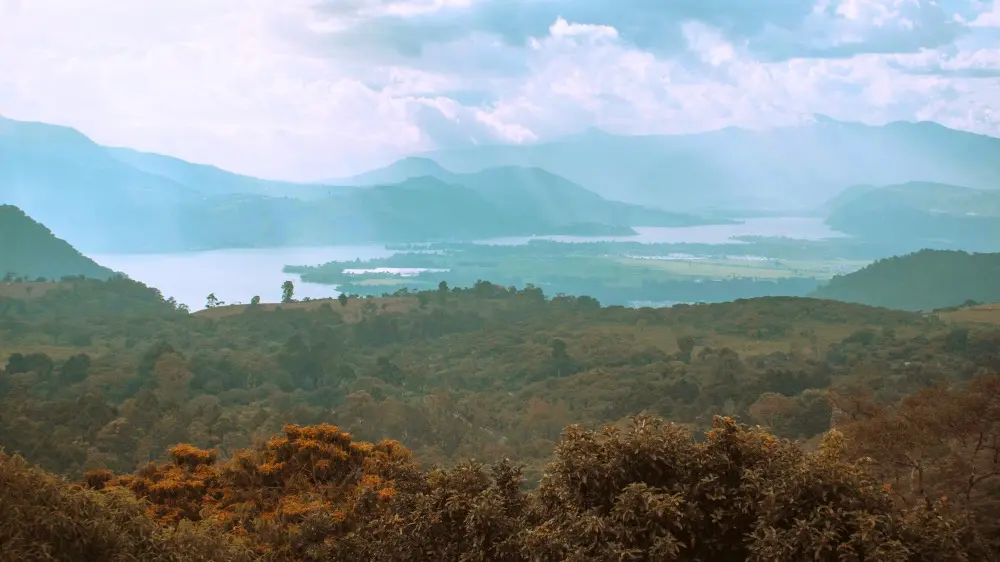
One of Nakum’s greatest rewards is the view. From high vantage points, the landscape opens up and you see the jungle as a sea of green. It's the perfect moment to slow down: to breathe, listen and understand the place beyond the stone. Often, it's that moment of silence that makes you remember Nakum fondly, because you feel the true scale of Petén.
If it’s a clear day, the views are very photogenic and the light helps bring out the texture of the structures. If there’s a mist, the atmosphere becomes even more ‘Petén’: softer, more mysterious, more jungle-like. In both cases, it’s best not to rush: if you find a comfortable spot, stay there for a while. Nakum is best enjoyed when you allow yourself to look around.
Make sure to include Nakum in your itinerary for Yaxhá
Nakum fits in very well with a tour of Yaxhá because both share a similar travel experience: jungle, walks, viewpoints and a leisurely pace. The difference lies in the ‘highlight’: Yaxhá is famous for its sunsets; Nakum, for its peaceful walk and the sense of exploration.
Yaxhá at sunset and a visit to the ruins of Nakum
A great option is to save Yaxhá for the evening and visit Nakum first. That way, you can make the most of the best light at the most striking spots (the viewpoints at Yaxhá) and use Nakum as the main part of your archaeological tour.
The key is not to rush your journey. If you want to catch the sunset, allow plenty of time to get there, walk up to the vantage points and settle in at your leisure.
Suggested itinerary: Yaxhá + Nakum in one or two days
Ideally, in a single day, you should visit Nakum first (at a leisurely pace) and then Yaxhá, finishing with the viewpoints and the sunset. It’s a full day, but it works out perfectly if you’re well organised.
Over two days, the itinerary becomes much more enjoyable: one day to explore Yaxhá at a leisurely pace and another for Nakum (or vice versa). This allows you to adapt to the weather, get more rest and take the time to appreciate the little details that are often overlooked on a one-day trip.
If you’d also like to add a nature outing to balance out all that ruins, you can round off your visit with the Guide to Visiting Lake Macanché.
Is it worth visiting the ruins of Nakum?
Yes, it’s well worth a visit, especially if you’re already heading to Yaxhá or if you’re looking for a more peaceful archaeological experience. People tend to like Nakum because it doesn’t feel overcrowded, it’s easy to get around, and it leaves you with that sense of being in a place steeped in history, surrounded by real jungle.
If your trip to Petén is very short, it’s normal to prioritise Tikal. But if you have an extra day or are exploring the Yaxhá corridor, Nakum is one of the best “extras” you can add without too much hassle.
Practical tips for visiting Nakum and its ruins
Nakum is easy to visit if you’ve got the basics sorted: water, proper footwear and plenty of time. The rest is simply letting the place surprise you. It’s best to take it at a leisurely pace, without obsessing over ‘seeing everything’ in the shortest possible time, because here the value lies in the whole experience and the jungle atmosphere. Take short breaks in the shade, view the complex from various angles and take a moment to listen to your surroundings: in Petén, sound is also part of the experience. And if the day is humid or misty, consider it a bonus: Nakum becomes even more mysterious and photogenic.

Best time to visit and usual condition of the roads
During the dry season, the roads are usually in better condition and journey times are easier to manage. During the rainy season, the landscape is greener, but there may be mud and sections where progress is slower. It’s not a big deal if you allow plenty of time, but it’s best to plan your day without rushing and accept that the journey itself may be part of the plan.
What to bring when exploring the ruins of Nakum: water, suitable footwear and sun protection
If you’re planning to explore the ruins of Nakum, make sure you bring plenty of water, sun cream, insect repellent and light clothing. Footwear with good soles is very helpful as the ground is covered in earth, roots and damp patches. A cap or hat is a good idea in open areas, and a simple snack comes in handy if you’re going to be spending several hours between the jungle and the ruins.
And one thing that really makes the day better: a power bank. Between photos, maps and notes, you end up using it more than you’d think in Petén.
If you’d like to explore more similar places within the country and put together a cultural itinerary, you might find inspiration in archaeological sites.
Frequently Asked Questions about Nakum and the ruins of Nakum
How long does it take to visit the ruins of Nakum?
You’ll usually spend between 1.5 and 3 hours at the site, depending on your pace and how often you stop at viewpoints and squares. If you’re combining it with Yaxhá, plan for a full day, allowing plenty of time for travel.
Is it advisable to visit Nakum with a guide?
It can be a really good idea if you want to understand what you’re seeing: the purpose of the sites, their orientation, history and context. If you prefer to go it alone, you’ll still enjoy yourself, as Nakum is quite easy to navigate.
Is Nakum better than Yaxhá?
It’s neither better nor worse: it’s just different. Yaxhá is best known for its viewing points and sunsets; the ruins at Nakum stand out for their peaceful atmosphere, the jungle setting and the way the structures blend in with their surroundings. Ideally, you should visit both if you can.