Lake Izabal is the largest lake in Guatemala and one of the best gateways to the country’s Caribbean coast. Its freshwater connects with the Dulce River, Livingston and Amatique Bay, creating the perfect route for combining nature, village visits and boat trips.
Unlike better-known destinations such as Antigua or Atitlán, the atmosphere here is much more laid-back. In this guide, we’ll tell you what to see at Lake Izabal, how to plan your visit, and which nearby places are worth including in your itinerary.
Where is Lake Izabal?
Lake Izabal is located in eastern Guatemala, within the department of Izabal and relatively close to the Caribbean coast. Although it's a freshwater lake, the landscape has a distinctly tropical feel, and the local communities are closely tied to the water.
To get a better idea of its location, imagine a vast expanse of water between Río Dulce and El Estor. From its eastern end, the lake connects to the Caribbean via the Río Dulce, one of the most beautiful waterways in Guatemala.

The most common starting point for a visit is usually Río Dulce, especially if you want to see San Felipe Castle or take a boat trip to Livingston. El Estor, on the other hand, is a better choice if you’re looking for a more laid-back experience, with a more local atmosphere and a close connection to the Q’eqchi’ communities in the area.
Is Lake Izabal the largest lake in Guatemala?
Yes, Lake Izabal is the largest lake in Guatemala. With a surface area of approximately 589 km², it's considerably larger than other well-known lakes in the country, such as Lake Atitlán and Lake Petén Itzá.
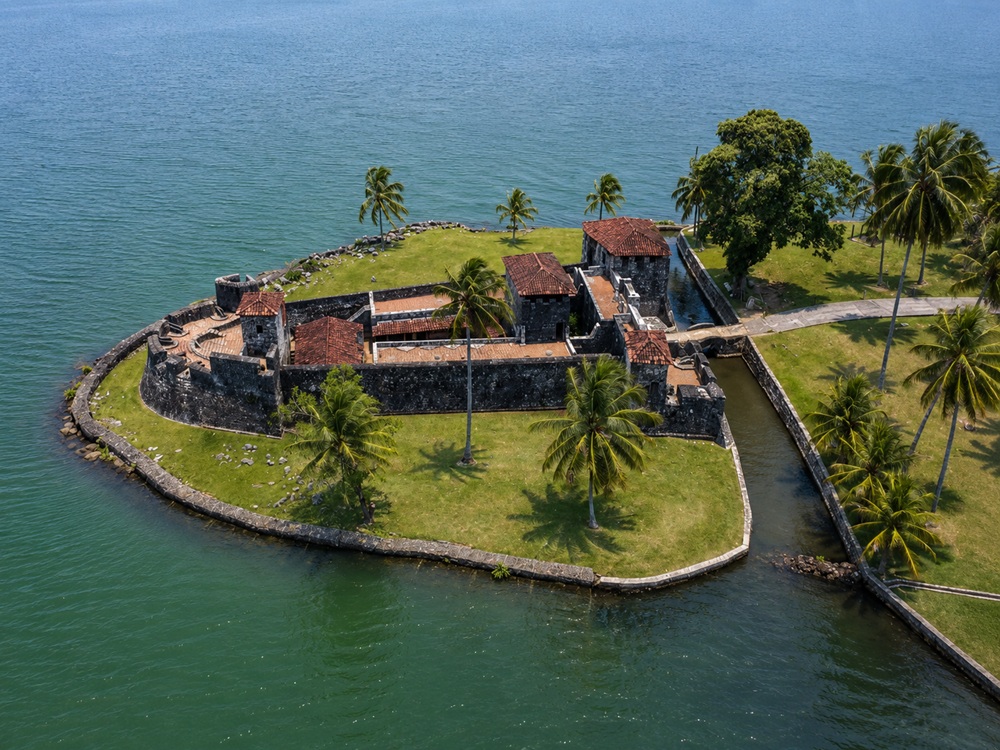
You really get a sense of just how big it's as soon as you start exploring the area. It’s not the sort of place you can cover from end to end in a short time, as some of the attractions require a combination of road travel, boat trips and walks, and you’ll need to allow plenty of time.
That’s why it’s a good idea to plan your route carefully before you arrive. The most practical approach is to choose a starting point and organise your trips from there, rather than trying to cover the whole lake in a single day.
Given its size, Lake Izabal does not feel like a destination centred around a single tourist spot. The experience varies greatly depending on which shore you visit; in other words, there are quieter areas, such as its natural spots. But it also boasts lakeside villages and access to the Guatemalan Caribbean.
Why is Lake Izabal a good complement to Playa Blanca Izabal?
Lake Izabal and Playa Blanca Izabal complement each other perfectly on a single trip, as they offer two very different sides of the Guatemalan Caribbean. On the one hand, Playa Blanca has the white sandy beaches and calm waters that many travellers seek when they visit Izabal. The lake, on the other hand, allows us to experience the area from the freshwater and through its greener landscapes.
It’s also a practical combination in terms of location. If you’re in Río Dulce, Puerto Barrios or Livingston, you can plan an itinerary that includes boating, riverside villages and a stretch of the Caribbean coast. There’s no need to treat it as two separate trips.
It’s a good idea to spend some time at Lake Izabal first and then head on to Playa Blanca. That way, you can start with more leisurely activities, such as a visit to San Felipe Castle or a boat trip on the Río Dulce, and finish the day with a spot of beach time.
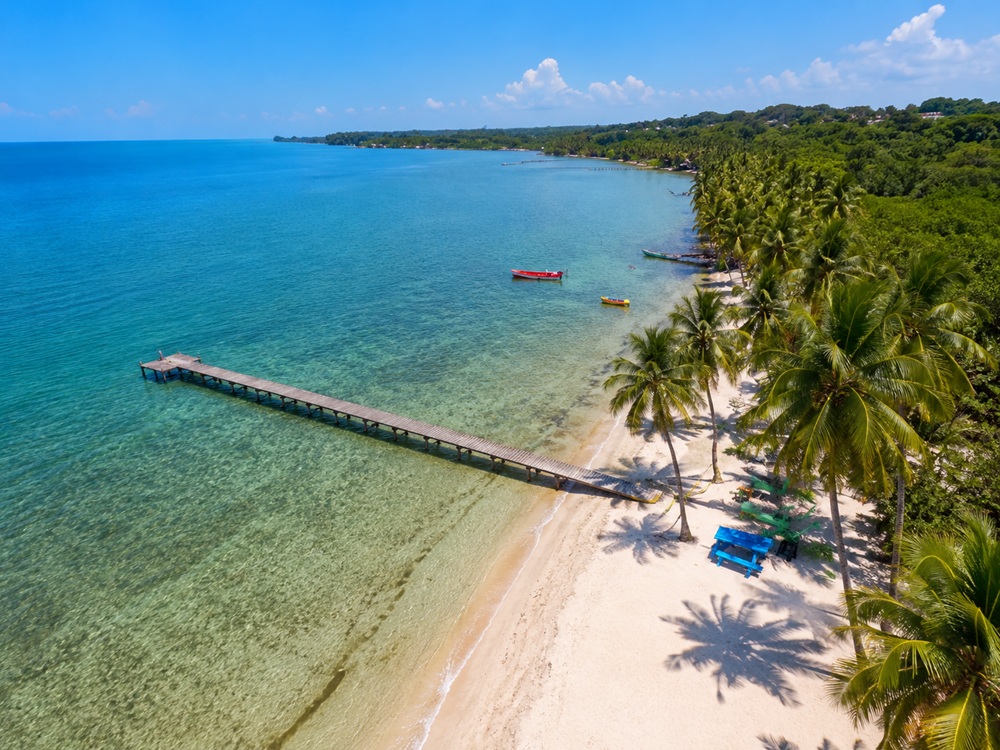
Nature and landscapes of Lake Izabal
The landscape around Lake Izabal is different from that of Guatemala’s other famous lakes. There are no volcanoes surrounding the water here, as there are at Lake Atitlán, but there is a humid, tropical atmosphere.
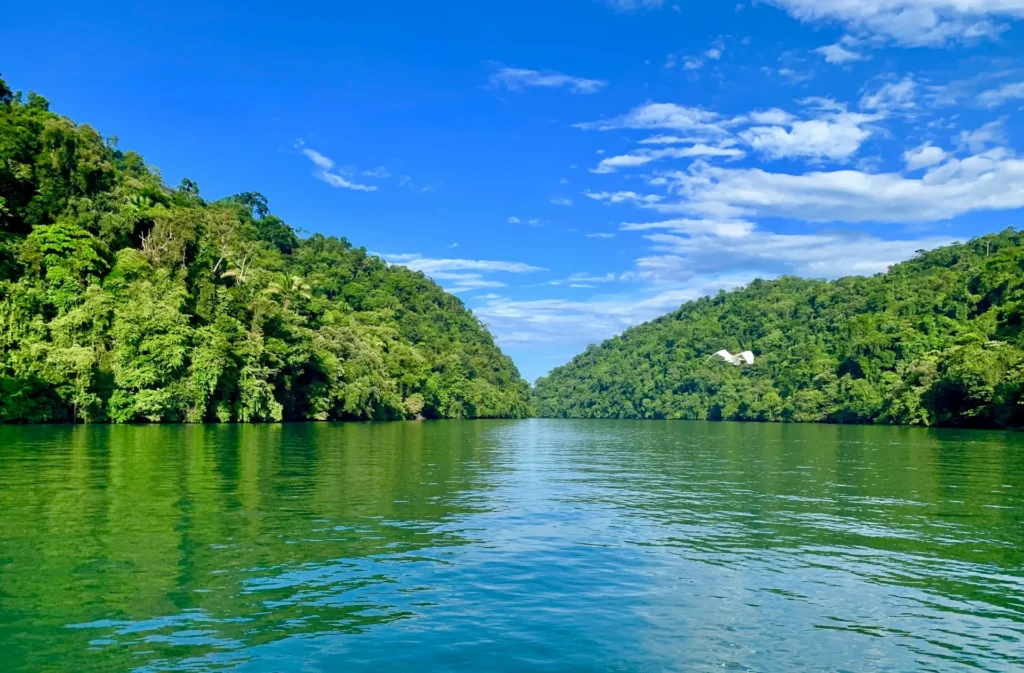
The lake connects to the Dulce River and, further on, to the Caribbean. This connection gives the area a very special blend of freshwater and jungle. So, rather than looking for a single viewpoint, it’s best to explore it bit by bit from different vantage points. In some sections, you’ll see open, tranquil shores. In others, the landscape becomes more enclosed, with vegetation sloping down towards the water.
Flora and fauna of Lake Izabal and its surroundings
The area around Lake Izabal is one of the most biodiverse regions in the country. Its protected areas are home to a variety of aquatic species, including the manatee, which finds refuge in the calm waters of the Lake Izabal–Río Dulce system.
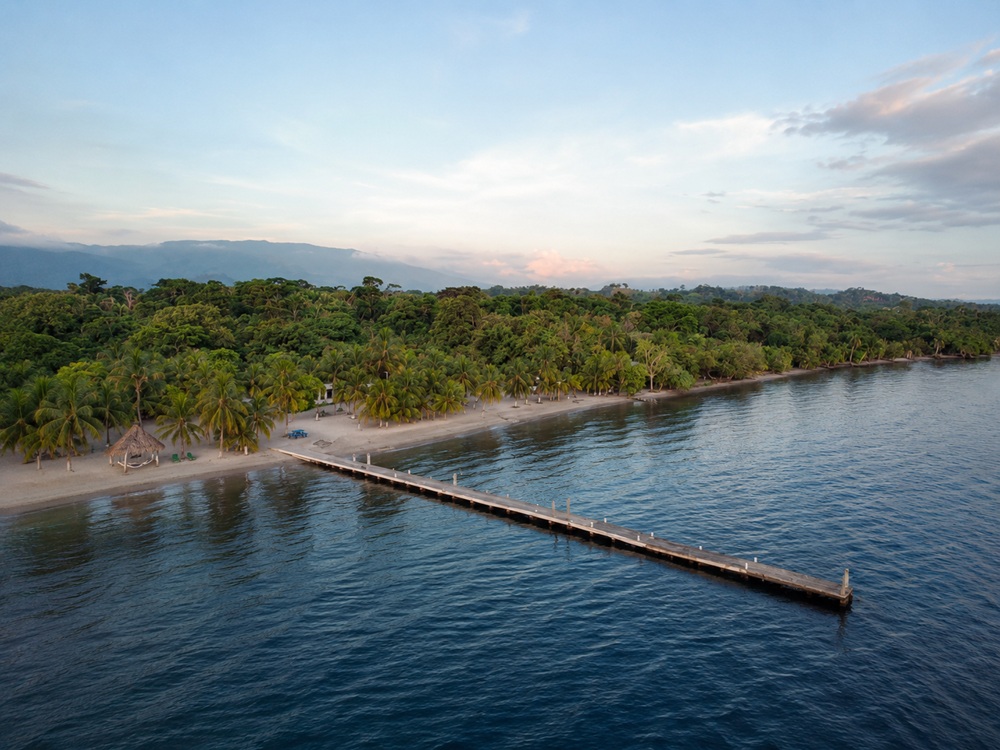
It’s also a great spot for birdwatching. On boat trips, you’ll often spot herons near the shore and pelicans in more open areas. If you love nature, bring a pair of binoculars or a camera with a zoom lens, as many species are best seen from a distance.
Remember that more densely vegetated landscapes are found near rivers and wetlands. Meanwhile, the area around the lake also features rural areas, farmland and communities that depend directly on this ecosystem.
Wetlands, mangroves and protected areas in Izabal
This area forms part of a region containing wetlands that are of great importance to Guatemala. One of the most significant sites is Bocas del Polochic, where the Polochic River flows into the lake. This refuge helps to filter sediment and protects key habitats for birds and fish.
Another important site is the Chocón Machacas Biotope, which plays a key role in the conservation of the manatee and the Río Dulce river system.
Río Dulce National Park is also part of this natural network. It protects the corridor linking Lake Izabal with the Caribbean, including areas such as El Golfete. If you take a boat trip through this area, you’ll be passing through one of Izabal’s most iconic protected landscapes.
- We invite you to read our article about Playa Dorada.
What to see and do at Lake Izabal
To start your visit, it’s best to choose a starting point and combine nearby excursions depending on how much time you have. Río Dulce is usually the most convenient place to start, but El Estor and Livingston are also worth visiting.
If you only have one day, focus on San Felipe Castle and a short boat trip. But if you have two or three days, you can add Río Dulce, El Golfete and a visit to Livingston. For a more comprehensive itinerary, set aside some time for Playa Blanca or Siete Altares.
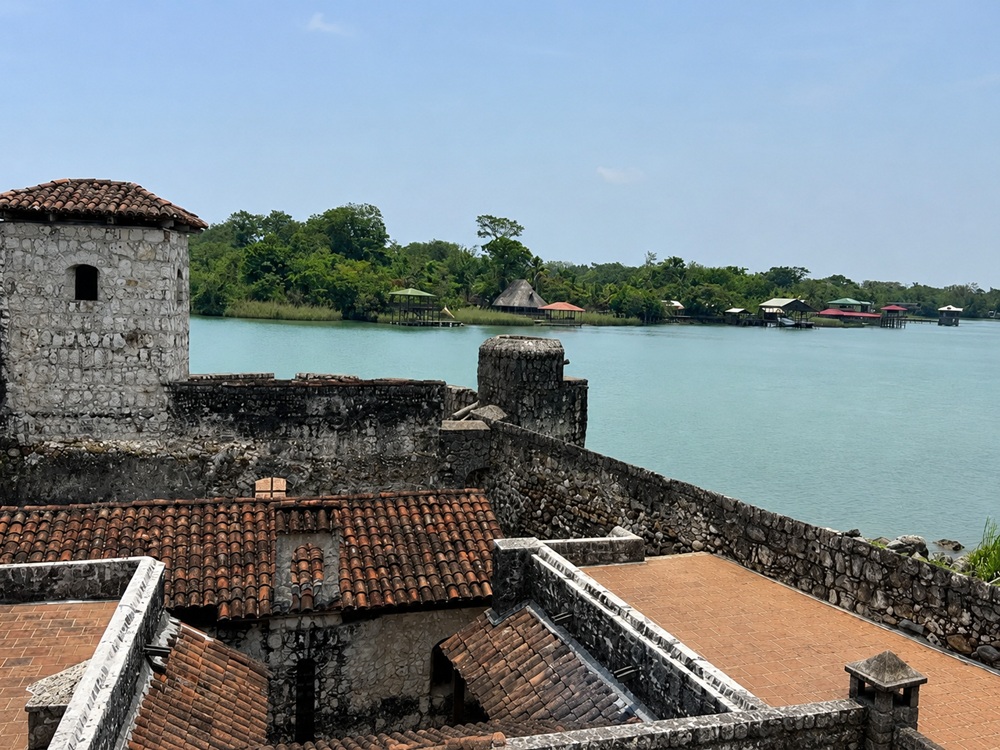
San Felipe de Lara Castle and the entrance to Lake Izabal
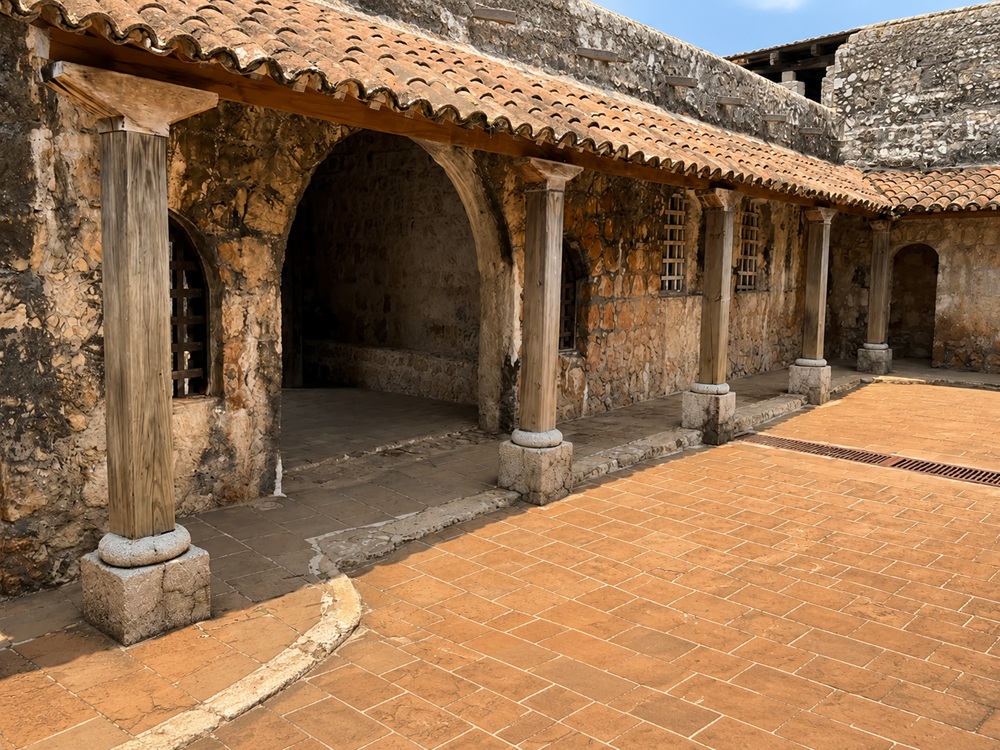
San Felipe de Lara Castle is one of the most popular attractions in the area. It stands right where Lake Izabal meets the Dulce River, making it the perfect first stop for anyone wishing to understand the historical significance of this route.
The fortress was built to protect the trade route from pirate attacks during the colonial era. But today it's easy to visit, with footpaths and views of the water.
Afterwards, you can have a meal in Río Dulce or go for a boat trip. If you’re short on time in Izabal, this is one of the easiest places to fit in without overcomplicating your itinerary.
Boat trip along the Río Dulce and the Golfete
A boat trip along the Río Dulce is one of the best ways to experience Lake Izabal and its outlet to the Caribbean. These trips are usually organised from Fronteras, El Relleno or Livingston, depending on where you’re staying.
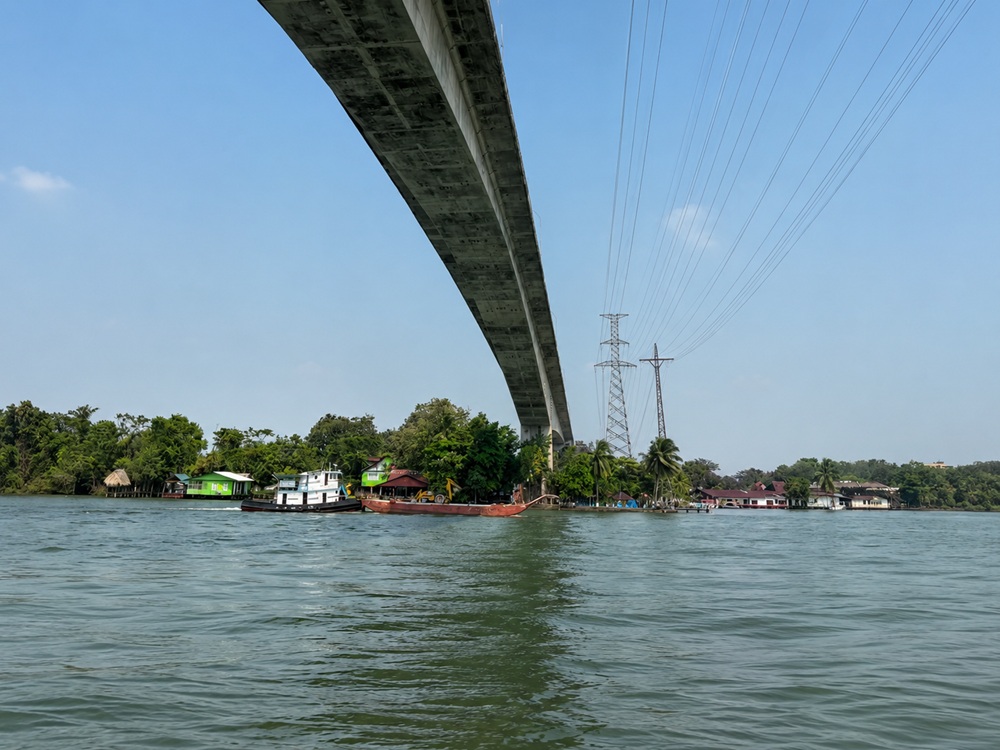
One of the most beautiful stretches is El Golfete, an area of open water surrounded by vegetation. Further on, the river narrows between green-covered banks and the landscape becomes much more enclosed.
Some tours are direct transfers to Livingston, whilst others stop off to see birds, hot springs or other small points of interest. If you want to take your time, avoid the last tour of the day.
Siete Altares and other natural pools in the Izabal area
Siete Altares is near Livingston and is one of the most popular day trips once you’re on the Caribbean coast of Izabal. It isn’t on Lake Izabal, but it’s also worth a visit if you’re combining the lake, Río Dulce and Livingston into a single itinerary.
The site consists of natural pools and small waterfalls. In this case, the experience varies greatly depending on the season, as the water flow can decrease during the driest months.
You can get there from Livingston by boat or by walking along the coast. Of course, if you’re setting off from Río Dulce or Puerto Barrios, the easiest option is usually to book it as part of an organised tour.
Villages on the shores of Lake Izabal: Río Dulce, El Estor and the surrounding area
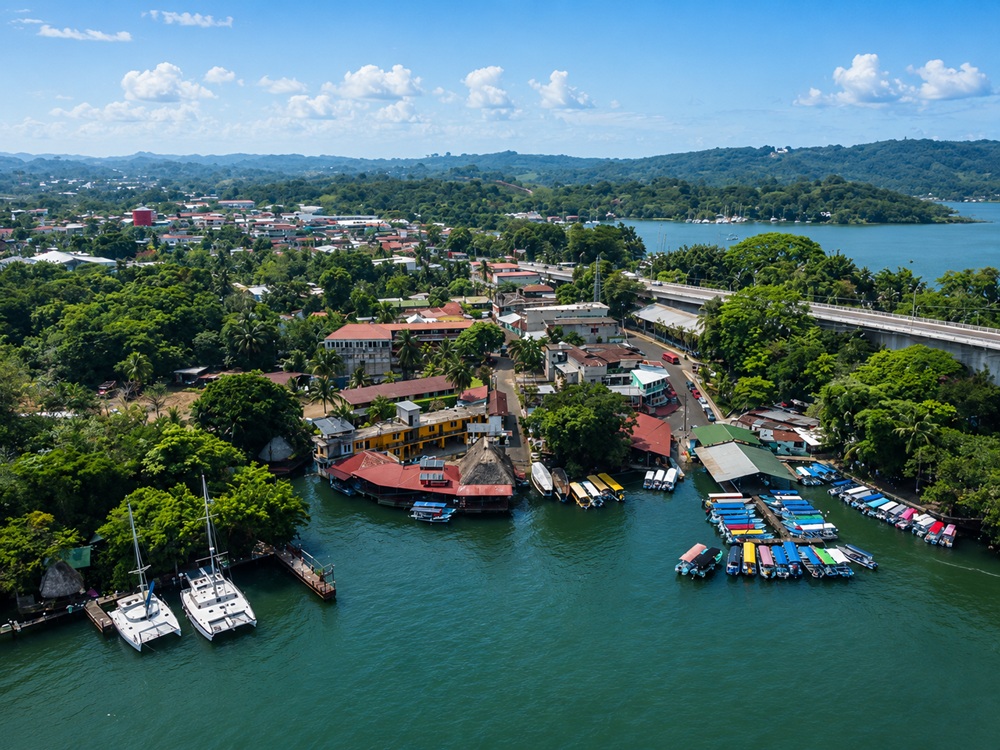
Río Dulce is the most convenient base for most travellers. This is because it offers accommodation, restaurants, jetties and transport links to Livingston. It also allows us to visit San Felipe Castle without wasting too much time on travel.
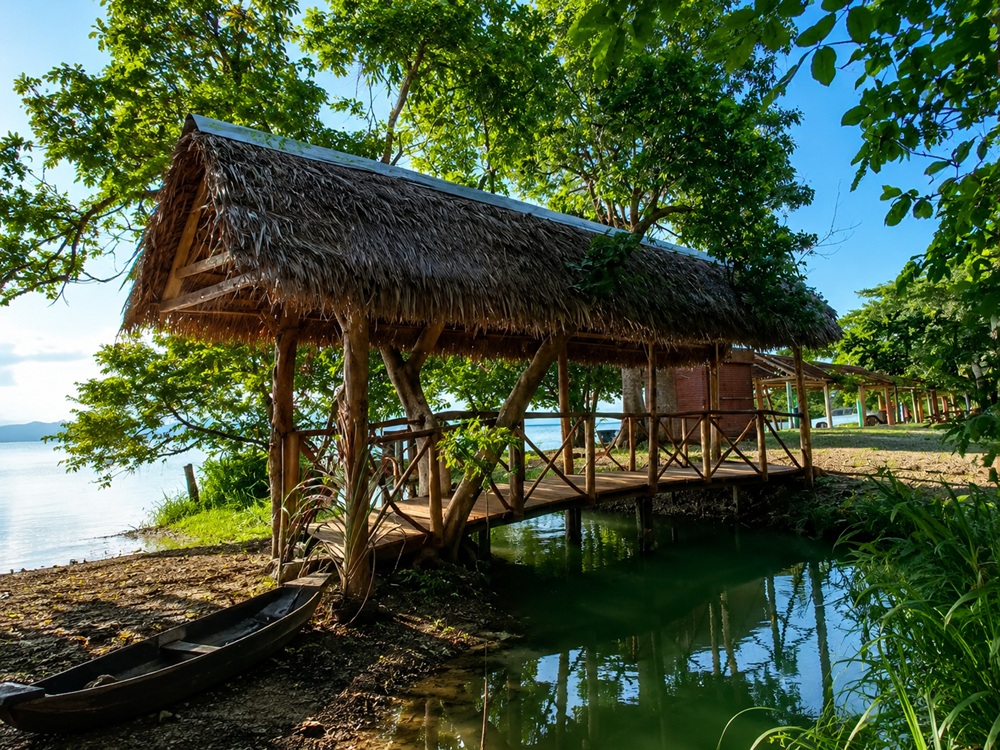
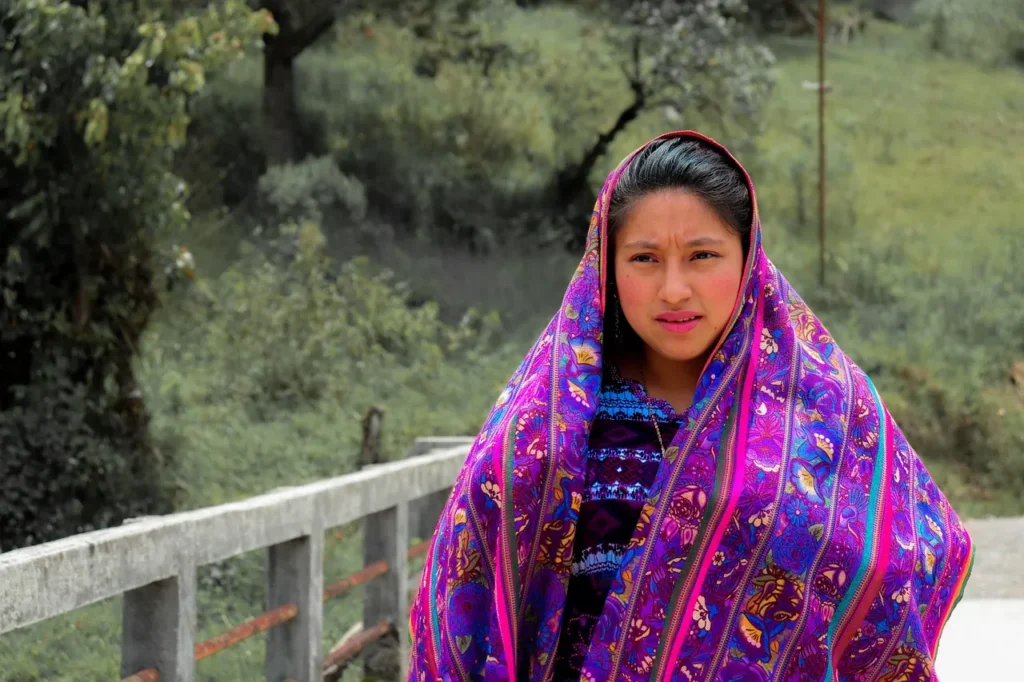
El Estor offers a different experience. It’s less touristy than Río Dulce, so it could be a good option if you’re looking for a quieter atmosphere or want to get to know the Q’eqchi’ area of the department better.
There are also small villages, country lanes and access points to nature reserves around the lake. If you have any questions, local information is usually more helpful than any map in this area.
- We invite you to read our article about visiting La Ruidosa waterfall.
Lake Izabal and Playa Blanca Izabal: How to combine the lake and the Caribbean in a single trip
If you’re planning to visit both Lake Izabal and Playa Blanca Izabal, the most important thing is not to overpack your itinerary. Although it may look straightforward on the map, some of the journeys depend on boats and timetables. So, if you want to take your time, set aside at least two days for the area.
An easy route could start in Río Dulce. There, you can visit San Felipe Castle and take a boat trip along the river. Afterwards, head on to Livingston or Puerto Barrios to arrange your trip to Playa Blanca.
If you only have a full day, choose your priorities carefully. You could focus on Río Dulce and the lake, or opt for Playa Blanca and the coast. Trying to fit everything in on a single day usually leaves little time to actually enjoy yourself.
For a more balanced trip, book one night in Río Dulce and another near Livingston or Puerto Barrios. That way, you’ll have time to explore the lake, relax by the water and finish with a Caribbean excursion, without having to rush.
Where to stay near Lake Izabal
Where you stay near Lake Izabal really depends on the sort of trip you’re planning. After all, it’s not the same as simply looking for a place to stay overnight whilst travelling as it's wanting to unwind in accommodation right by the water.
Río Dulce is the most practical option. From there, you’ll have access to boats and road transport. It’s also a good base if you’re coming from Guatemala City or heading on to Petén.
El Estor has a more laid-back, local feel and is less touristy, but it’s perfect if you’re looking for peace and quiet, although transport links are more limited. Livingston, on the other hand, is the place to go if you want to combine Río Dulce with Garifuna culture and the Caribbean coast.
Hotels and lodges on the shores of Lake Izabal
Hotels and lodges right by the water are one of the best ways to enjoy Lake Izabal. Many of these places are designed for relaxation and watching the sunrise. Do take note, as some of them are a bit out of the way.
If you choose a remote lodge, ask if they offer a transfer from the jetty. Also ask if they have their own restaurant, as going out for dinner might not be as straightforward as it's in a town.
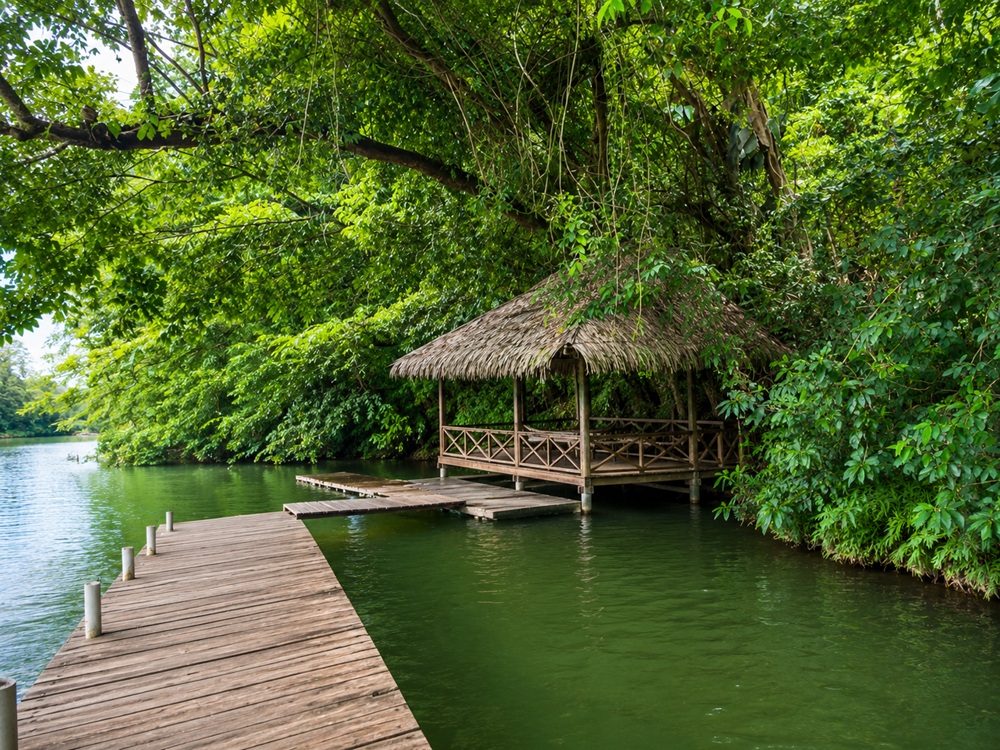
This type of accommodation is perfect for couples, families looking for peace and quiet, or travellers who want to enjoy nature without tackling demanding trails. So, if you plan to be out and about a lot each day, you might find it more practical to stay in Río Dulce.
Accommodation in Río Dulce, Livingston and the surrounding area
Río Dulce is the most convenient place to stay if you want to go on a few day trips. From there, you can head to San Felipe Castle, take a boat trip down the river and carry on to Livingston.
Livingston is the best choice if you want to experience the Guatemalan Caribbean with a more authentic local feel. However, there’s no direct road access, so you’ll have to get there by boat. That makes the journey all the more special.
Around the lake, there are simpler accommodation options, designed for travellers looking to get away from it all. Before booking, check the exact location carefully. Because in Izabal, being ‘near the lake’ doesn’t always mean being close to the jetties or the boat trips.
- This page about Guatemala's natural wonders may interest you.
Practical tips for visiting Lake Izabal
Visiting Lake Izabal is easy if you plan your timing carefully. The key is not to base your journey times solely on distance. Because, as we’ve seen, traffic, as well as boat timetables and the weather, all play a part in this area.
Bring some cash in quetzales, especially if you’re going to be visiting docks, local eateries or small villages. Although you’ll find more facilities in Río Dulce and Livingston, it’s not a good idea to rely solely on your card.
It’s also a good idea to check the prices before getting on a boat. Ask whether the price includes a return trip, how long the trip will take, and where the boat will stop. We know this is standard practice, but it can sometimes help avoid misunderstandings.
Best time to visit and the climate in the Izabal region
The best time to visit Lake Izabal is usually during the driest months, that is, between November and April. During this period, it's easier to organise boat trips with less risk of heavy rain.
The rainy season runs from May to October. This doesn’t mean it rains all day, but there can be afternoon showers. Of course, this means the vegetation is greener, although some roads or walks may be affected. Remember that Izabal is a warm and humid area for much of the year.
What to bring: Light clothing, sun cream and insect repellent
If you’re visiting Lake Izabal, wear light, comfortable clothing. Lightweight fabrics are better than tight-fitting clothes, as the humid heat can be quite intense. If you’re going out on the water, avoid wearing just beachwear, as the sun can be strong out on the water.
Sunscreen is essential, even on cloudy days. You should also bring a hat, sunglasses and a reusable water bottle. Furthermore, if you’re going on river or wetland excursions, insect repellent is a must.
Bring a waterproof bag for your mobile phone, camera and documents. In small boats, you may get splashed, and during the rainy season the weather can change quickly. Also, when walking through puddles, along paths or in damp areas, wear shoes with good grip.
Frequently Asked Questions about Lake Izabal
How many days do I need to visit Lake Izabal?
In a single day, you can visit San Felipe Castle and take a short stroll along Río Dulce. If you want to combine a visit to the lake, Livingston and Playa Blanca Izabal, it’s best to set aside two or three days.
What is the best place to start when visiting Lake Izabal?
Río Dulce is usually the most convenient option due to its transport links and boat trips. El Estor is perfect for a more laid-back experience. Meanwhile, Livingston is ideal if you want to head towards the Caribbean and discover Garifuna culture.
Is it possible to swim in Lake Izabal?
In some areas, you can swim. But when it comes to swimming, many people prefer natural pools or spas.
Is it worth combining Lake Izabal with Playa Blanca?
Yes, it’s well worth a visit if you have at least two days in the area. The lake offers natural beauty and historical sites, whilst Playa Blanca adds the contrast of white sand and the Caribbean Sea.