The Chichicastenango Market is one of Guatemala’s top cultural attractions. It’s not just a market for buying handicrafts: it’s a place where colours, textiles, flowers, candles, food, music, religion and everyday life all come together. There are places you visit with a list in hand and places you experience by wandering around at a leisurely pace. Chichicastenango is one of the latter.
In this guide, we’ll tell you what to see and do at Chichicastenango Market, how to plan your visit (best days, opening hours and recommended duration), what to buy wisely, which spots are well worth a visit, and which nearby places round off the experience. If you want to fit the area into a tour of the country, you can use the cities and Guatemala’s official tourism website for guidance.
Why is Chichicastenango Market one of the most famous markets in Guatemala?
The Chichicastenango Market is famous for three very clear reasons: its size, its identity and its atmosphere. Firstly, because on busy days the market takes over entire streets, with a huge number of stalls and aisles. Secondly, because here the crafts don’t feel like generic souvenirs, but rather as part of a vibrant textile and symbolic culture. And thirdly, because Chichi isn’t just about shopping: it’s about observing how the city moves, how people haggle, how flowers and candles are arranged, how traditions coexist, and how the market sets the pace of the town.
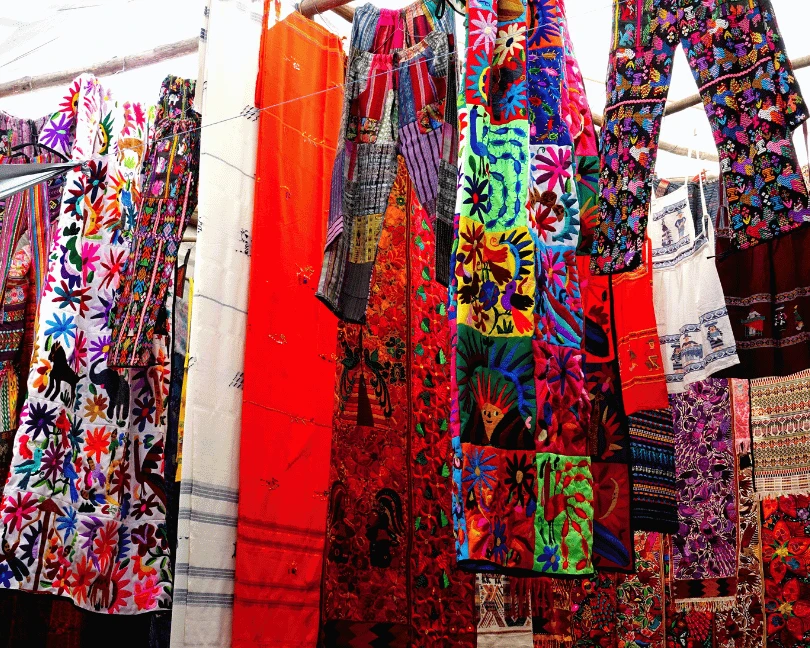
What’s more, it’s a market where the visual appeal really stands out: hanging textiles, embroidery, masks, pottery, woodwork, baskets, fruit and flowers everywhere you look. It’s a very photogenic place, certainly, but above all it’s a place you understand better when you stop to look at the details. Here, the experience isn’t measured by how many things you buy, but by how much you soak up the atmosphere.

Is the Chichicastenango Market worth a visit? What do travellers think?
Yes, it’s well worth it, especially if you want your trip to Guatemala to have a strong cultural focus. Most travellers recommend it because it’s an intense, unique experience that’s easy to fit into your itinerary: you can go in the morning, spend a few hours exploring, have a traditional meal and then carry on towards Lake Atitlán, Antigua or another part of the highlands.
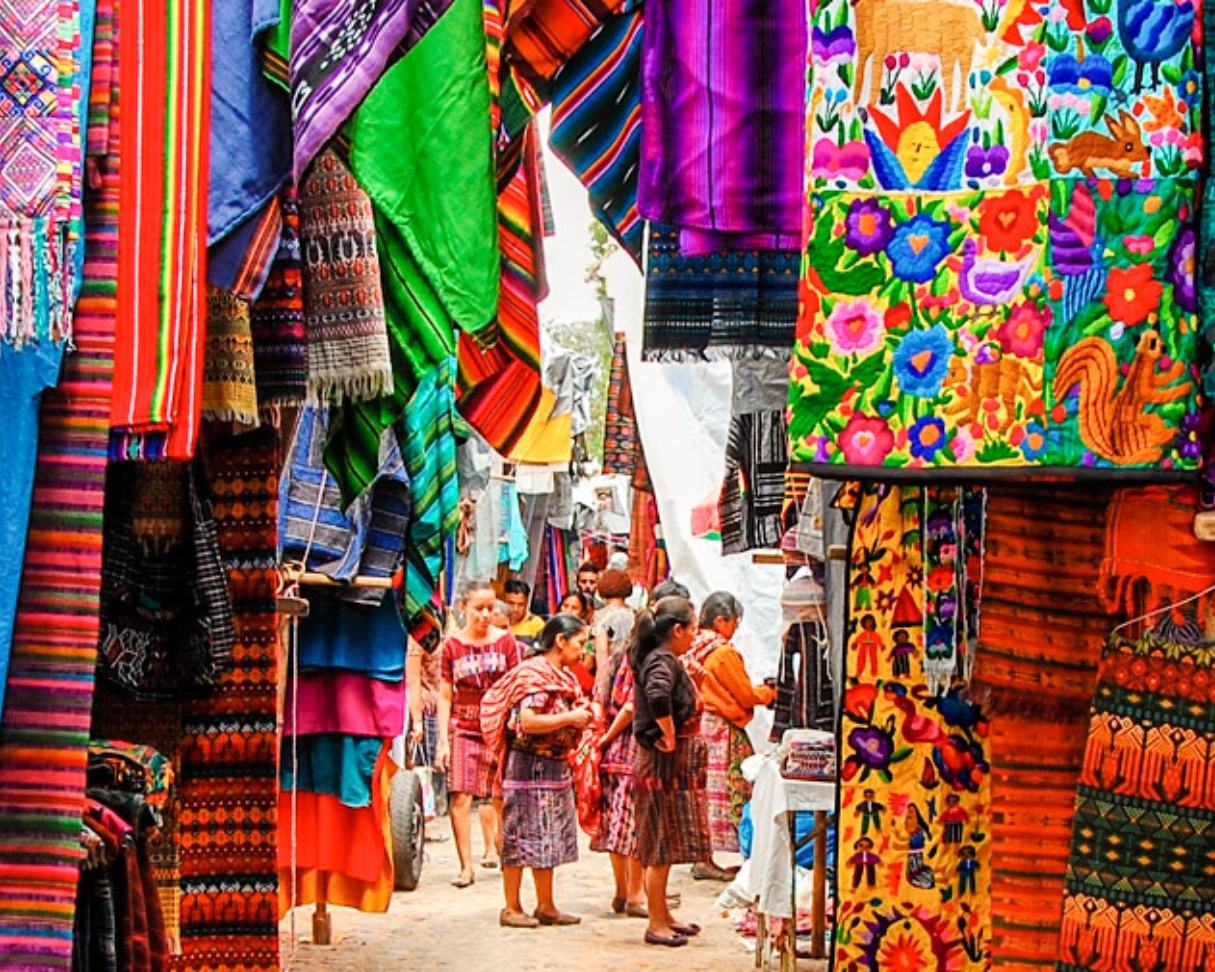
What people tend to like most about Chichicastenango Market is the atmosphere: the feeling of being in a place with its own unique character, where commerce and tradition go hand in hand. The variety of handicrafts and textiles is also highly valued, as it's a place where you can take your time comparing styles and quality.
The key to enjoying it is to approach it with a realistic mindset: it’s not a ‘quiet’ market, especially on busy days. That’s why it helps to arrive early, move at a leisurely pace and take the time to pause. If you do that, Chichicastenango becomes one of those stops you remember for its colour, sound and energy.
What sort of traveller would you recommend a visit to Chichicastenango Market to?
The market suits many different styles of travel, but it really comes into its own for two types of travellers: those seeking a vibrant cultural experience and those who enjoy meaningful shopping (textiles, crafts and items steeped in history).
Chichicastenango Market: for travellers looking for crafts, culture and a local atmosphere
If you enjoy wandering around markets, browsing fabrics, comparing items, chatting to stallholders and picking up something to take home with you, Chichicastenango is the perfect place. Here you can find small, easy-to-carry items, as well as large textiles, ceramics and wooden pieces that really make a statement.
What’s more, even if you don’t buy anything, it’s well worth a visit: the stalls, the bustling streets, the flowers, the colours and the way the market blends into the village make it a truly memorable experience.
Chichicastenango Market: For those who want to gain a better understanding of Guatemala’s Mayan traditions
If your trip has a cultural focus, this market offers a fascinating insight into the Mayan traditions of the highlands: textiles, symbols, community life, rituals and everyday customs. You’ll get more out of your visit if you don’t just go looking for ‘pretty things’, but also ask yourself what each object represents and why it’s sold here.
If you’d like to explore this topic further, you might find it useful to combine this visit with ‘The Chichicastenango Costume: History, Symbolism and Tradition in Guatemala’ and ‘The Dance of the Flying Stick: Origin and Meaning’.
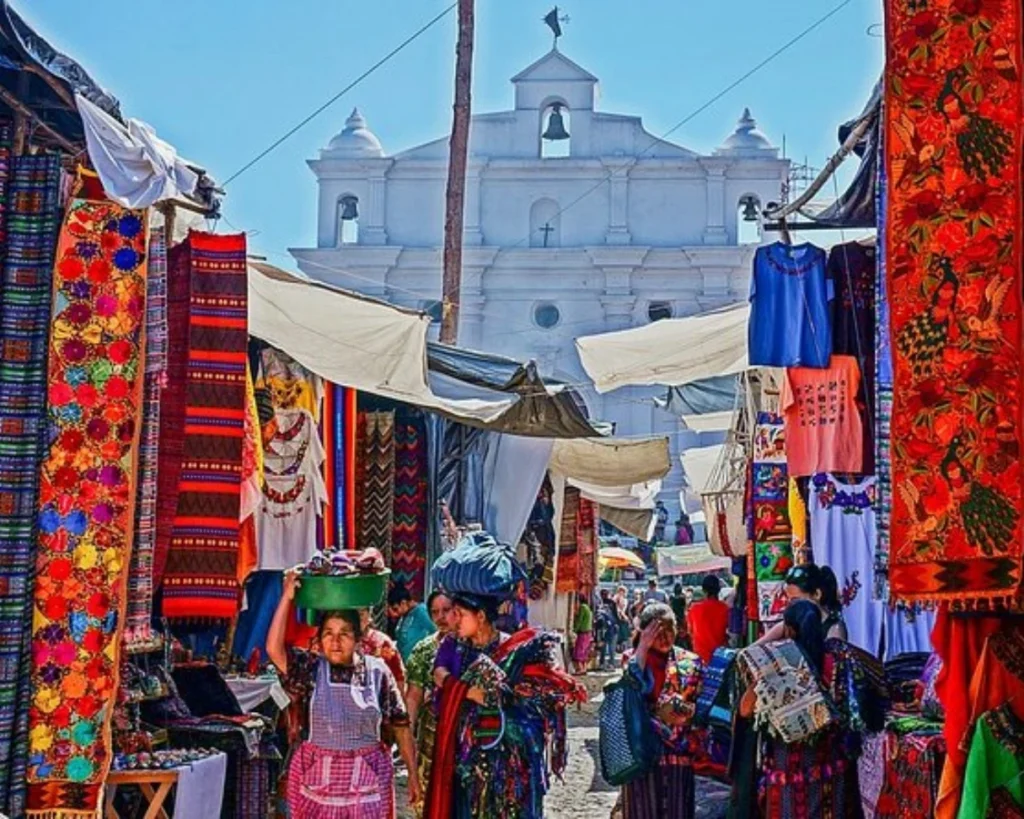
What is there to see at Chichicastenango Market apart from the more touristy stalls?
The market has some very obvious areas and others where it feels more like everyday life. The idea isn’t to avoid the touristy bits, but to strike a balance: see the most iconic sights and then wander around a bit to get a feel for a different pace.
Textiles, masks, handicrafts and typical market souvenirs
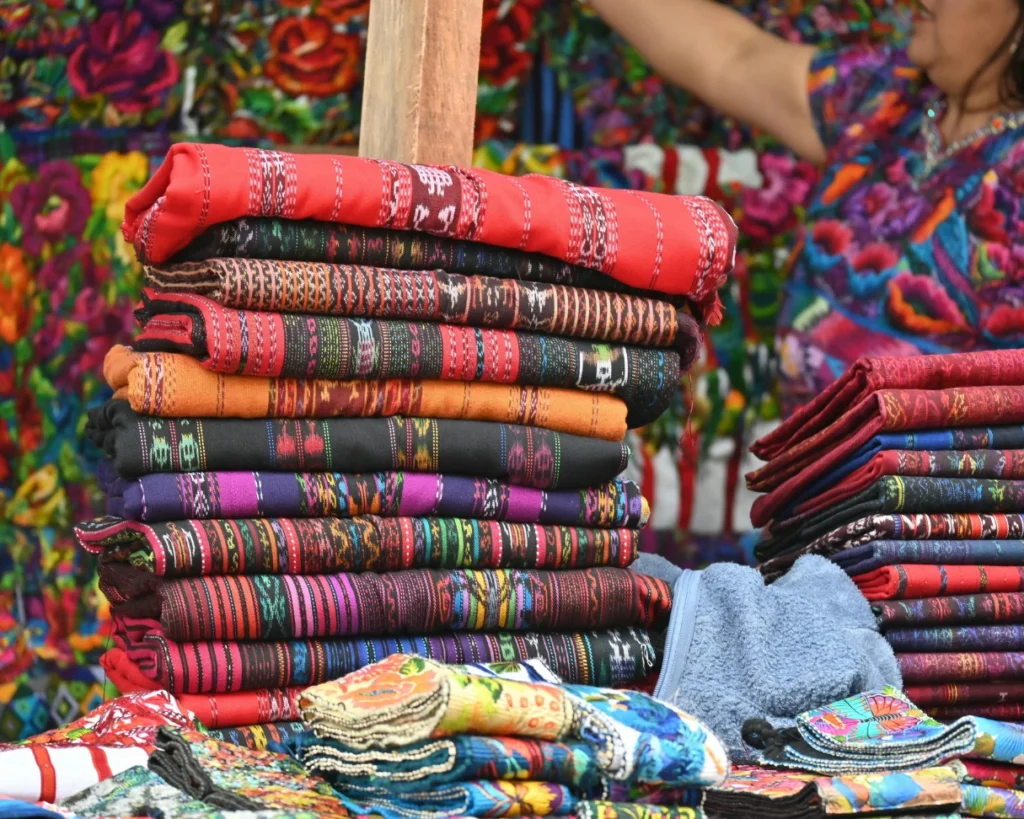
Textiles take centre stage. You’ll find huipiles, sashes, blankets, bags, cushions, table runners and all kinds of embroidery. There are also masks (which are very eye-catching), woodwork, pottery and decorative items.
How to shop wisely:
- Take a look at the finishes and fabric before making your decision.
- Take your time and compare the prices at various stalls.
- Choose something you’ll actually use (a nice scarf, a blanket, a sturdy bag).
- If you're buying ceramics or wood, make sure they're properly protected for transport.
Here, it’s best to let your eyes guide you, but take your time. In Chichicastenango, there’s a huge variety, and your first choice isn’t always the best.
Flowers, food, candles and everyday items in Chichicastenango
One of the most charming parts of the market is the section that isn’t just aimed at tourists: flowers, candles, kitchenware, fruit, vegetables and food stalls. This area usually gives you a real sense of the market’s atmosphere, as it’s where you see people doing their daily shopping and the local hustle and bustle.
If you fancy trying something out, this is a great place to do it: something simple and quick, then you can carry on. What’s more, seeing candles and flowers in context helps you understand the relationship between the market, religion and tradition that defines Chichicastenango.
Streets, alleyways and hidden corners where you can soak up the most authentic atmosphere
Beyond the central stalls, the most interesting thing is to wander without a map through the side streets. There, the market becomes more open: small stalls appear, along with street food corners, entrances to courtyards, family-run shops and little nooks where everyday life feels closer.
A handy tip: take an initial stroll through the most famous area to get your bearings, then head off down the side streets for 20–30 minutes. You’ll return to the centre with a fresh perspective, and the market will feel more complete.
Chichicastenango Market and local culture
The market is not a one-off event. It's an expression of the area’s identity and of how community life is organised.
The market as a reflection of the indigenous identity of the area
Chichicastenango has a very strong indigenous presence, and the market reflects this in its textiles, symbols, colours, ritual objects and community practices. Here, one senses that trade is also a way of preserving tradition: it's not merely sold, but passed on.
That is why observing with respect matters. Asking questions politely, shopping in a way that values the work involved, and walking at a leisurely pace makes for a richer experience, and one that is more in keeping with the place.
The relationship between trade, tradition and daily life in Chichicastenango
In Chichi, shopping and living tradition go hand in hand. The market is a place where the spiritual and the everyday intersect: candles, flowers, food, textiles and household items all coexist. It's precisely this blend that makes it so special.
If you’d like to round out this cultural overview with insights into other communities across the country, you can also visit the page on the history and culture of the Garífunas in Guatemala to expand your understanding of Guatemala’s cultural landscape beyond the highlands.
What to buy at Chichicastenango Market
Shopping here can be a real treat if you do it with a purpose: to pick up something useful, well-made and with a story behind it.

Textiles, ceramics, wood and other traditional products
The most common (and most recommended) approach is usually:
- Textiles: scarves, blankets, bags, cushions, table runners.
- Ceramics: decorative items or utensils (it’s best to make sure you have enough space to protect them when travelling).
- Wood: masks, figurines, small objects.
- A wide range of handicrafts: baskets, bracelets, ornaments.
Top tip: buy less, but buy better. It’s easy to get carried away by the sheer choice, but what you’ll appreciate most when you get home is a quality item that you’ll actually wear.
How to plan your visit to Chichicastenango Market
The difference between a chaotic visit and an enjoyable one usually comes down to three factors: the day, the time and the weather.
Which days are best for going to the market?
The busiest days at Chichicastenango Market are usually the main market days. On those days, there are more stalls, a livelier atmosphere and a wider variety of goods. If you want to experience the market at its best, choose a day when it’s at its busiest. If you prefer a more relaxed pace, a less crowded day might be more comfortable, even if there are fewer stalls.
How to get there from Antigua, Guatemala City or Lake Atitlán
The market is usually visited from the typical bases for a trip around Guatemala: Antigua, Guatemala City or Lake Atitlán. The choice depends on your itinerary: many people fit it in as a stopover between Antigua and Atitlán, or as a morning excursion from the lake area.
The important thing is to set off early enough to arrive in good time, because Chichicastenango is much more enjoyable in the morning.
How much time should you spend at the Chichicastenango Market?
For reference:
- 2–3 hours: a full tour of the main areas + a couple of side streets.
- 4 hours: a leisurely visit with breaks, a meal and plenty of time for shopping.
- Half a day: ideal if you want to visit the market and a church or cemetery without rushing.
Generally speaking, spending between 3 and 4 hours on it's usually just right for enjoying it without feeling overwhelmed.
What to see near Chichicastenango Market
Chichicastenango isn’t just about the market. There are two nearby places that round off the visit and help you understand the cultural context.
The Church of St Thomas and its blend of Catholic and Mayan rituals
St Thomas’s Church is one of the most interesting stops because it offers a unique insight into cultural coexistence. It's a place where you can see how traditions, symbols and practices intertwine. You’ll get the most out of your visit if you take your time, look around at your own pace and appreciate that this is a place of great significance to the community.
Chichicastenango Cemetery and other places to visit
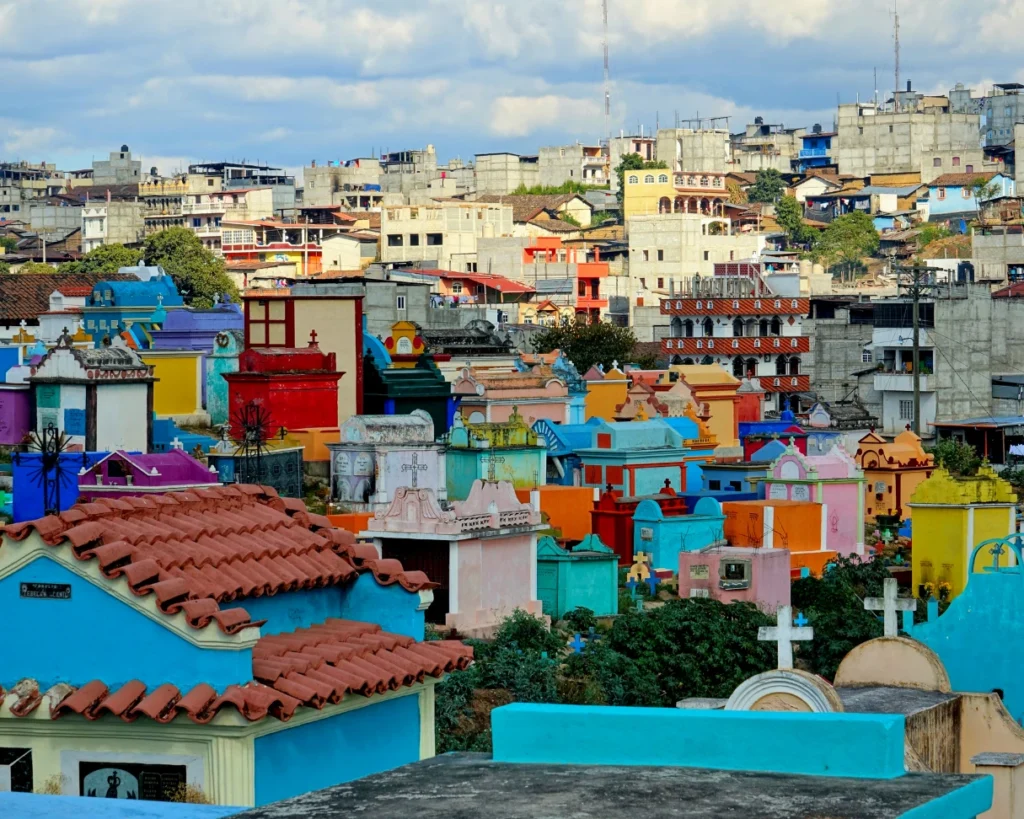
The cemetery is another of the best-known sites, renowned for its colour and cultural significance. It's a brief but highly evocative visit, and often helps visitors to understand how colour and symbols form part of community life (and memory) in this part of the highlands.
Practical tips for visiting Chichicastenango Market
A couple of simple tips will make your visit much more enjoyable, especially as this market is an experience for all the senses: it’s bustling, the aisles are packed, it can get quite warm at times, and there are a thousand things to look at all at once. If you go with a basic plan (arriving with plenty of time to spare, doing a quick first lap to get your bearings and then returning to the areas that interest you most), you’ll enjoy the experience much more and it won’t turn into a rushed affair.
It also helps to approach it with a ‘big market’ mindset: you don’t need to see everything or buy from the first stall you like. Ideally, you should alternate between exploring and taking short breaks to catch your breath, have a bite to eat and soak up the atmosphere – which, in Chichicastenango, is all part of the experience. That way, the market feels more authentic, more manageable and far more memorable.
The best time to go and how to avoid the busiest areas
The best time to visit Chichicastenango Market is usually in the morning, when there’s more room to walk about and the light is softer. If you want to take things at a more leisurely pace, arrive early, do a first lap around the centre and then head off down the side streets. That way, you can soak up the lively atmosphere as well as enjoy some quieter spots.
Safety, cash and what to bring for your visit
To make your visit more comfortable, bring some cash for small purchases, water and something to protect you from the sun (a hat and sun cream). It’s also a good idea to bring a small, comfortable rucksack and, if you’re planning to buy pottery or delicate items, a sturdy bag or some way of protecting them during transport.
In bustling markets, it’s best to wear just enough to keep you warm and move about comfortably. That way, you’ll enjoy yourself more and won’t have to worry about your clothes.
- This page about the cities of Guatemala may interest you.
Frequently Asked Questions about the Chichicastenango Market
How long should I allow for a visit to the market?
Three to four hours is usually ideal for exploring the area at a leisurely pace, doing some shopping and visiting the church or the cemetery without rushing.
What are the most typical things to buy?
Textiles, ceramics, wooden items and small handicrafts. It’s best to choose something you’ll actually use.
Is it a good idea to go if I don’t want to buy anything?
Yes, because the market’s appeal is also cultural and visual. Just wandering around, looking at the stalls, the flowers, the candles and the food makes the visit worthwhile.
Can it be combined with a visit to Lake Atitlán on the same day?
Yes, lots of people stop off there for a break or a morning outing before continuing on their way.
What’s the best way to enjoy it?
Arrive early, take your time, alternate between the main areas and the side streets, and set aside some time to soak up the atmosphere – not just to shop.