Salcajá, Quetzaltenango, is one of those places that looks small on the map but holds far more history than you might imagine. Situated very close to Xela, it’s very easy to visit and combines colonial heritage, local life, traditional textiles, its own cuisine and one of the oldest churches linked to Guatemala’s religious history. Would you like to find out a bit more about it? You’ll see – it’s well worth it!
Where is Salcajá, and why is it worth a visit?
Salcajá is situated in the department of Quetzaltenango, in the western highlands of Guatemala. It's about 9 or 10 kilometres from the city of Quetzaltenango, also known as Xela, so you can visit it as a short break without having to change accommodation.
What makes Salcajá interesting is not that it has a very long list of monuments. Its charm lies elsewhere: a rich history, a small-town atmosphere, a textile tradition and a very distinct identity within the region.
If you’re already in Xela, Salcajá in Quetzaltenango is a great choice for a half-day trip. You can go in the morning, explore the town centre, visit the Church of San Jacinto, ask about the woven goods or local produce, and then head back to Xela to continue your journey.

What’s more, it’s a convenient stopover for getting to know the Altiplano better. You won’t just come here to take photos, but to see how heritage, commerce, quiet streets and everyday life all coexist.
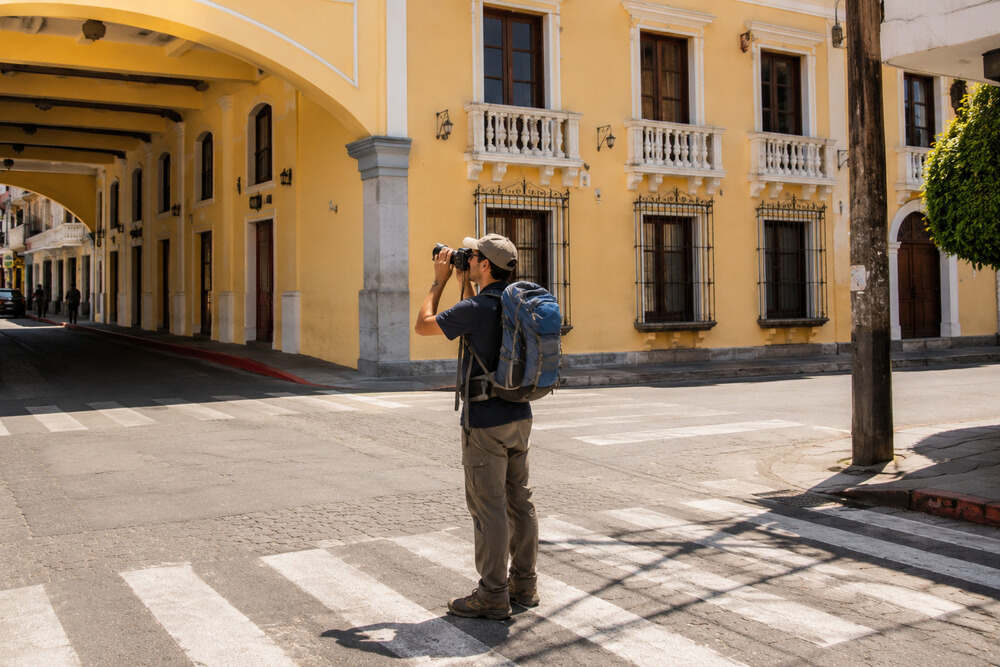
Is Salcajá in Quetzaltenango worth a visit? What do travellers think?
Yes, Salcajá is well worth a visit, especially if you’re looking for something close to Quetzaltenango with genuine historical interest. It’s not a full-day trip for most travellers, but it’s a very interesting little getaway if you want to get out of Xela and discover a village with its own unique character.
Most visitors approach the site via the Ermita de la Concepción, also known as the Church of San Jacinto or La Conquistadora. It's often cited as the first Catholic church founded in Central America or one of the earliest religious buildings in Guatemala, dating back to the 16th century.
This monument alone is worth the visit. But Salcajá Quetzaltenango is also worth a visit for its jaspe textiles, its traditional styles, the rompope, the fruit broth and that more local atmosphere that is sometimes lost in the most popular destinations.
That said, Salcajá isn’t Antigua Guatemala, nor is it a major tourist destination packed with museums and restaurants. It’s a short, peaceful and cultural visit. If that’s what you’re looking for, you’ll be pleasantly surprised.
What sort of traveller would you recommend a visit to Salcajá, Quetzaltenango, to?
A visit to Salcajá, Quetzaltenango, is highly recommended for travellers who enjoy small, historic places off the beaten track. It’s ideal if you like to stroll at a leisurely pace, visit old churches, buy local produce or chat to people practising traditional trades.
It also makes sense if you’re staying in Xela and want to add a nearby stop without spending too many hours travelling. In a single morning, you can see the main sights, buy a typical souvenir and return to your hotel with a better understanding of the region.
Salcajá: For travellers seeking history, tradition and a short break from Quetzaltenango
If you’re interested in history, Salcajá is a great place to visit. The Church of San Jacinto is the key attraction, as it links the village to the early years of the Spanish presence and the spread of Christianity in Guatemala.
What’s more, it’s a very easy day trip from Xela. You don’t need to get up at the crack of dawn or organise a long journey. You can set off after breakfast and be back before lunch, or stay a bit longer if you fancy visiting some workshops or sampling the local produce.
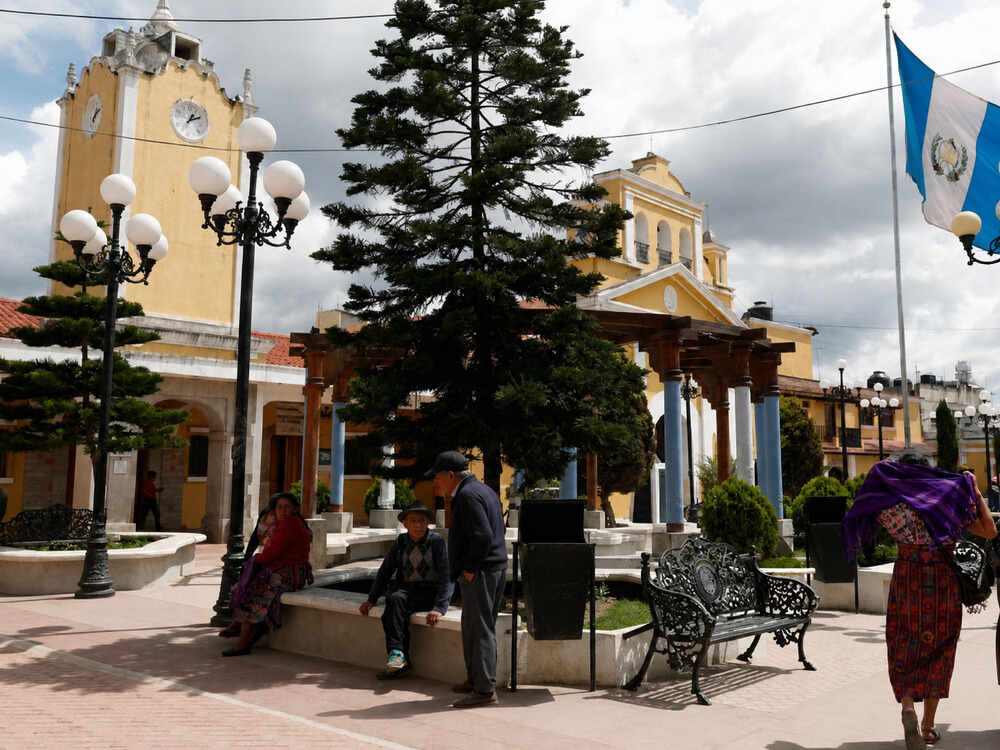
Salcajá, Quetzaltenango: For those who want to discover villages with their own unique character in the highlands
Salcajá, Quetzaltenango, is also a perfect destination for those who want to see more than just the major cities. The highlands are full of villages with a strong sense of identity, and Salcajá is a fine example of this, thanks to its blend of history, textiles, cuisine and local trade.
Here, you can take in the simplest things: façades, shops, markets, workshops, the conversations in the square, or the people coming and going from the church. It’s not just the grand monuments that are worth seeing here.
Salcajá might not be the best stop if you’re looking for a long or very varied visit
Salcajá might not be enough if you’re looking for a day packed with activities, viewpoints, museums and restaurants. In fact, it’s more of a leisurely visit, designed to provide a bit more context for your trip around Quetzaltenango.
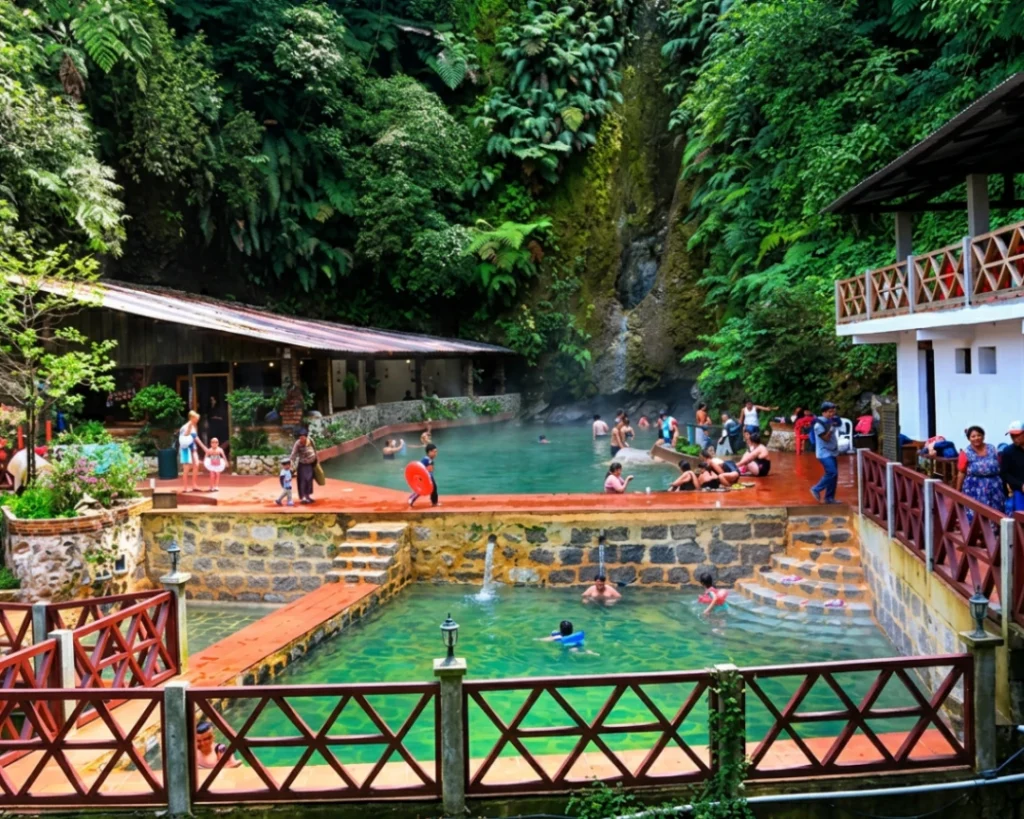
If you’re only in the region for a short time, you might prefer to head for Xela, Fuentes Georginas or a larger town. But if you’ve got a bit of time to spare, Salcajá Quetzaltenango is an easy stop that offers plenty of cultural interest.
Must-sees in Salcajá, Quetzaltenango
There aren’t many must-see attractions in Salcajá, but the ones there are well worth a visit. The Church of San Jacinto is the main attraction. Afterwards, you can stroll through the town centre, take in the local life and look for traditional textiles or local specialities.
It’s best not to rush. You get a better feel for Salcajá when you explore it as a living village, rather than as a collection of places.
San Jacinto Church: One of Salcajá’s great historical landmarks
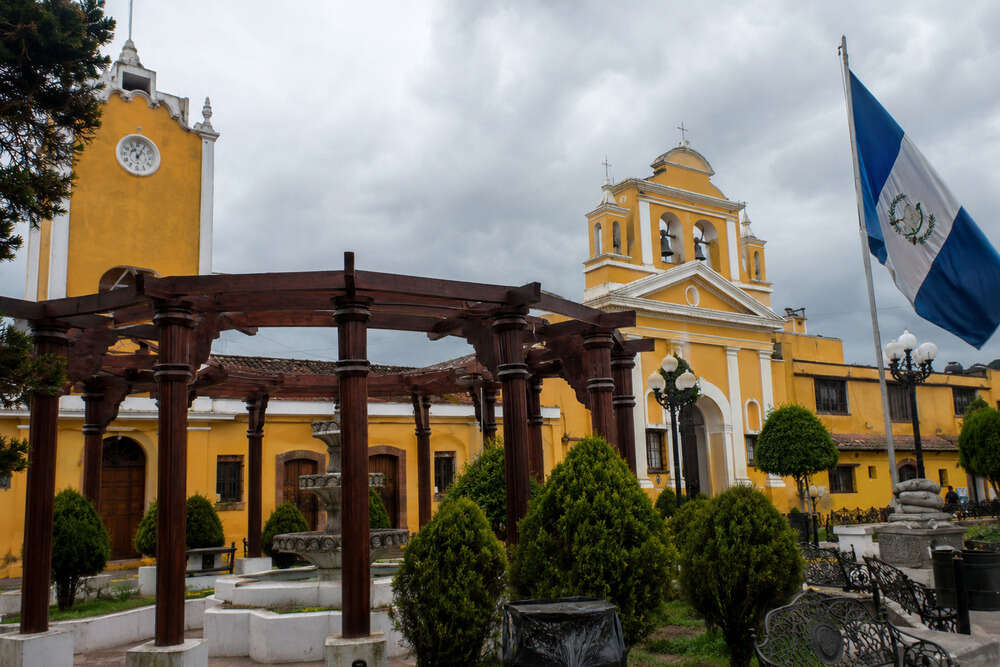
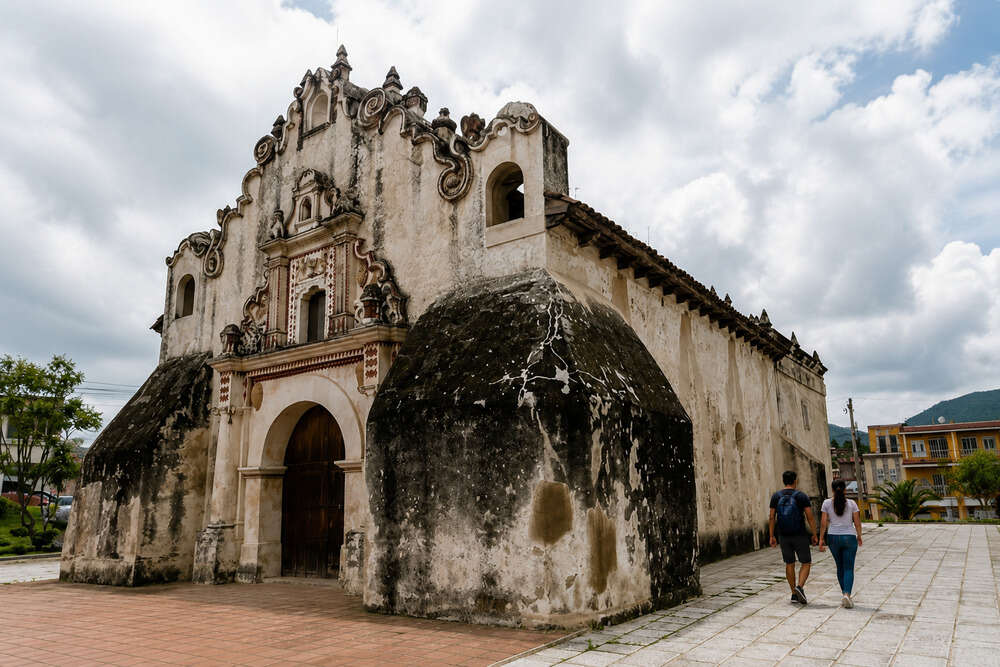
The Church of San Jacinto, also known as the Hermitage of the Conception or La Conquistadora, is the great symbol of Salcajá. Its origins date back to the 16th century and it's linked to the early period of Catholic religious construction in Guatemala.
It's a small, simple church, very different from the grand Baroque churches you see elsewhere in the country. But that is precisely what makes it so interesting. Its value lies in its age, its historical significance and its connection to the early colonial years.
If you visit Salcajá in Quetzaltenango, this should be your first stop. Take a few minutes to look at it from the outside, go inside if it’s open, and take note of its scale. It isn’t a huge monument, but it's of great importance and historical value.
Streets, squares and the local atmosphere in the town centre
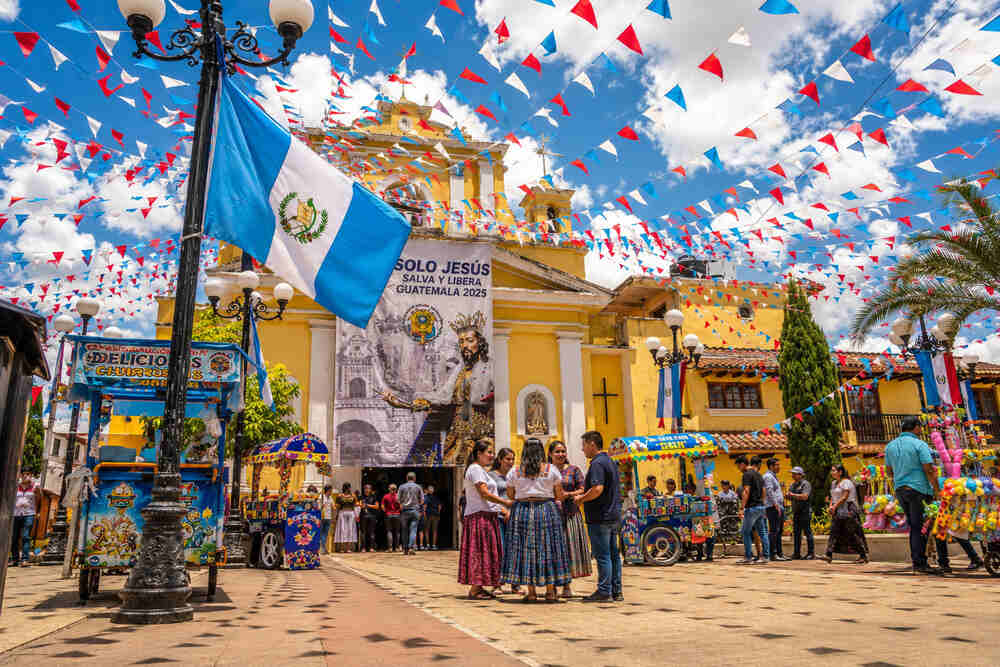
After visiting the church, it’s well worth taking a stroll through the town centre. Salcajá has that typical Altiplano village atmosphere where daily life takes precedence over tourism. There are shops, bustling streets, locals running errands and small family-run businesses.
The square and the nearby streets are a great way to get a feel for the local way of life. It’s a simple visit, but a very pleasant one if you like to take your time exploring places. Sometimes, in places like this, the real charm lies in the details rather than the major attractions.
Workshops, textiles and traditional products that remain closely linked to Salcajá, Quetzaltenango
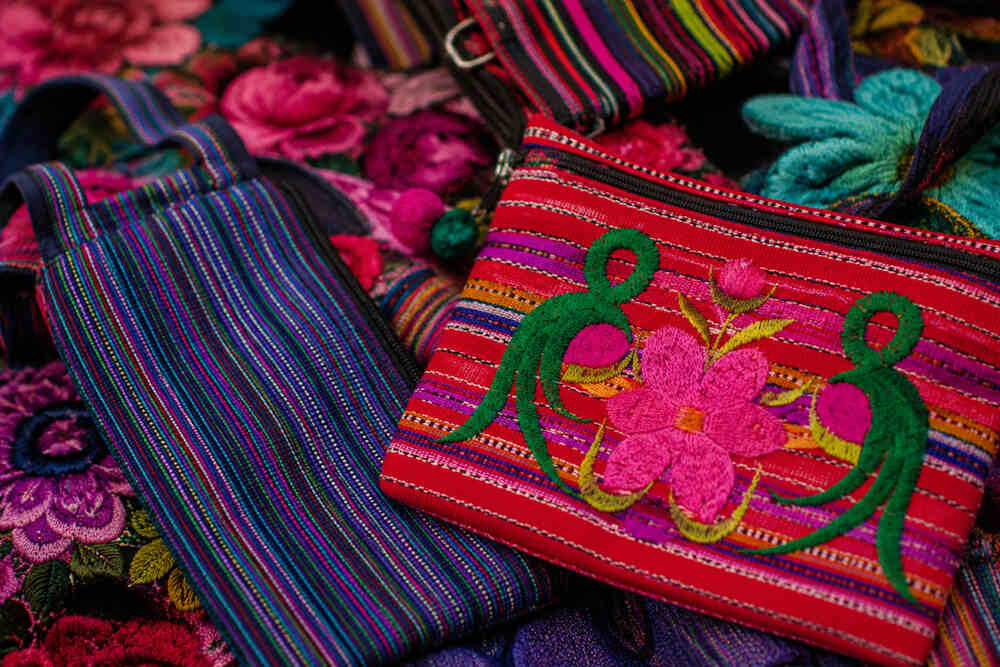
Salcajá, Quetzaltenango, is well known for its association with jaspe textiles and the traditional garments worn by Mayan women. Jaspe is a dyeing and weaving technique closely linked to the production of these garments, with designs that require time, precision and a high level of craftsmanship.
If you’re interested in textiles, ask about local workshops or shops. You won’t always find a formal tour organised for tourists, but you can see the products, chat to the shopkeepers and gain a better understanding of why Salcajá is renowned in this field.
As well as textiles, the village also produces other goods such as rompope and fruit cordial, two traditional drinks closely linked to the local identity.
Salcajá and its historical identity
Salcajá’s identity rests on three fundamental pillars: its religious history, its textile tradition and local life on the Altiplano. It's not a destination that will impress you with its grand tourist facilities, but rather with a history that remains visible in its streets and customs.
That is why Salcajá Quetzaltenango is of interest to those seeking to gain a better understanding of the region. It's a village near Xela, but it is not merely ‘a day trip from Xela’; rather, it has its own charm and story.
Why is it considered one of the most interesting places near Quetzaltenango?
Salcajá is particularly interesting for the Church of San Jacinto, its proximity to Xela and its tradition of craftsmanship. Few places so close to Quetzaltenango combine such an ancient history with such a distinct textile heritage.
It also helps that it’s easy to visit, as you don’t have to make any major detours. If you’re planning a few days in Xela, Salcajá fits naturally into your itinerary.
What’s more, the village offers a more everyday perspective. Whilst Xela has an urban, university and cultural atmosphere, Salcajá retains a more intimate, local feel.
Tradition, heritage and everyday life in Salcajá, Quetzaltenango
In Salcajá, Quetzaltenango, tradition is not confined to the church or its textiles, but is also evident in the way people buy, sell, produce and come together. Local products are not merely souvenirs: they form part of the municipality’s economy and way of life.
That’s why you should visit the village with respect. If you go into a workshop, ask before taking any photographs. If you buy a piece of woven fabric, bear in mind that hours of work have gone into it. And if you try a traditional drink, remember that many recipes are family secrets passed down from generation to generation.
- We invite you to read our article about La Esperanza.
What to eat and what to buy in Salcajá
Salcajá has a number of products that are well worth trying or taking home with you. The best known are the fruit broth and the rompope, two traditional, locally made drinks with a long history in the town. You can also look out for the local bread, simple, home-style food and textiles.
If you’re looking to buy something with character, handmade items are undoubtedly the most interesting choice. In Salcajá, Quetzaltenango, traditional textiles and drinks say far more about the place than any generic souvenir.
Local cuisine and traditional local produce
Fruit liqueur is a craft alcoholic drink made from fruit and aged to give it a sweet, intense flavour. Rompope, on the other hand, is a creamy drink made using traditional home recipes and is closely associated with family celebrations.
Both are alcoholic drinks, so it’s best to enjoy them in moderation, especially if you’re going to be travelling afterwards. It’s also a good idea to buy them from recommended places or from shops where they can explain the product to you properly.
In local eateries, you can find simple Guatemalan food: soups, tortillas, daily specials and home-cooked dishes.

Crafts, textiles and souvenirs with a local flavour
Textiles are the most interesting items to buy here. The marbled fabrics, woven fabrics and knitted items are closely linked to the traditions of Salcajá. If you don’t want to buy a large item, you can ask about smaller options or souvenirs made from local fabric.
Before you buy, take a look at the quality, the finish and what the sales assistant has to say. A good purchase isn’t always the cheapest one, but the one that best reflects the craftsmanship involved.
How to include Salcajá in a tour of Quetzaltenango
Salcajá fits very well into an itinerary around Quetzaltenango because it's nearby, can be visited in a few hours and doesn’t require any complicated arrangements. It is, therefore, a perfect day trip for a leisurely morning from Xela.
In fact, you can combine it with other plans in the area, but without overloading your day. You’ll get more out of the visit if you take it at a leisurely pace, leaving time to visit the church, have a stroll through the town centre and do a bit of local shopping.
How to combine a visit to Salcajá with Xela, Fuentes Georgina and other nearby attractions
A very common option is to visit Salcajá and Quetzaltenango in the morning and spend the afternoon in Xela. You can return to the centre of Quetzaltenango, take a stroll through the Parque Central, have a coffee or visit one of the city’s cultural attractions.
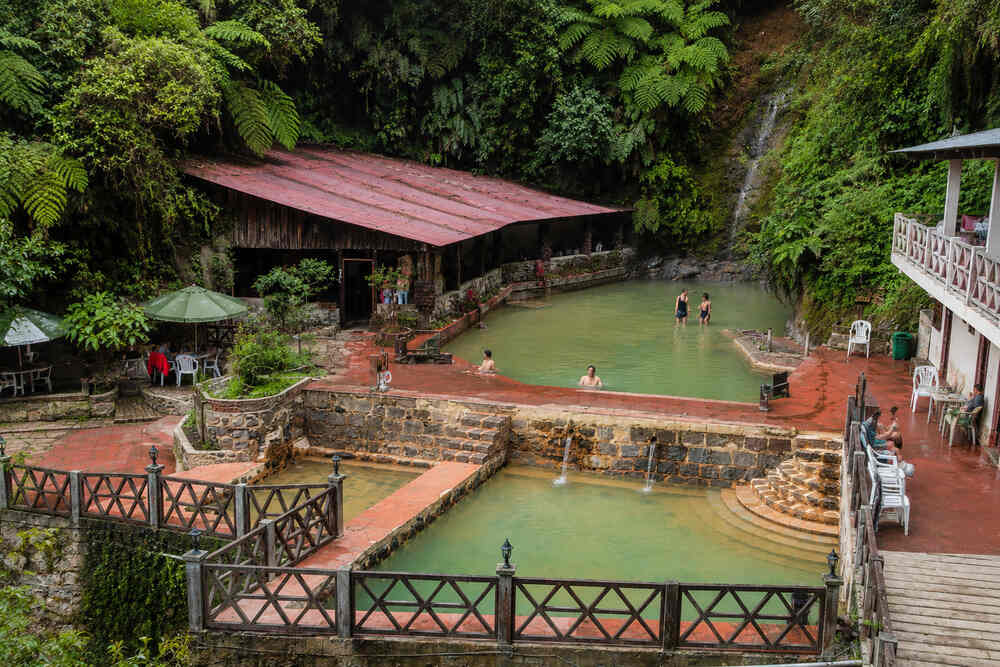
If you want to combine it with Fuentes Georginas, you’ll need to plan your timing carefully. The hot springs are in a different direction and require more time. It can be done in one long day, but it’s not the most relaxing option if you’re travelling without a car.
Another interesting combination is Salcajá and San Andrés Xecul, which is in Totonicapán and is known for its colourful church. In that case, Salcajá could be the first stop before continuing on your way.
How much time should you spend in Salcajá during a short break in the region?
The most basic visit can take around two or three hours. During that time, you can visit the Church of San Jacinto, take a stroll through the town centre and buy some local produce.
If you want to visit textile workshops, chat to the craftspeople or have a bite to eat there, set aside half a day. That’s all most travellers need, unless you have a very specific interest in textiles or local history.
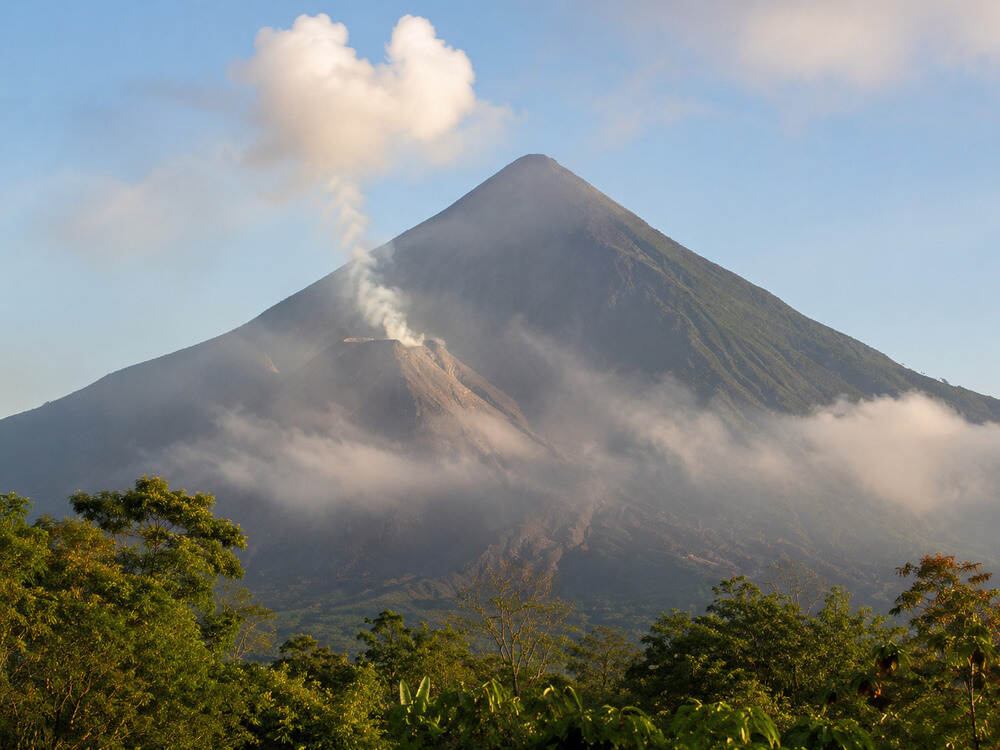
- We invite you to read our article about Santa María Volcano.
How to organise your visit to Salcajá, step by step
The first thing you need to decide is whether to make your own way from Xela or use private transport. Next, make the Church of San Jacinto your top priority and leave time to have a bit of a stroll around the town centre.
Don’t forget to bring some cash in quetzales, especially if you’re planning to buy textiles, drinks or food from small shops. It’s also a good idea to wear comfortable shoes, because even if the visit isn’t long, you’ll be walking through the town’s streets.
How to get to Salcajá, Quetzaltenango, from Xela and other areas
From Xela, Salcajá, Quetzaltenango is about 10 kilometres away by road. By car or taxi, the journey usually takes around 10–15 minutes, depending on the traffic and your exact starting point.
You can also travel to the area by local transport; ask at your accommodation or at the bus stations in Xela about buses or minibuses that go via Salcajá. If you’re not familiar with the region, a taxi or a pre-arranged transfer might be more convenient to make the most of your time.
From Guatemala City, Salcajá lies on the route westwards, but it is not usually the first stop on the way. The most logical approach is to go to Quetzaltenango first and then take the day trip from there.
The best time of day to visit the village
The best time to visit Salcajá is usually in the morning, as there is more local activity, the light is better for viewing the church, and you’ll have plenty of time to return to Xela without rushing.
It’s also worth going in the morning because the shops are busier, making it a good time to buy traditional products. In the afternoon, a visit can still be enjoyable, but you’ll need to check opening times if you want to go inside the church or visit the workshops.
During the rainy season, try to go early. Afternoons in most parts of the highlands tend to be very changeable.
Frequently Asked Questions about Salcajá, Quetzaltenango
Where is Salcajá, Quetzaltenango?
Salcajá is in the department of Quetzaltenango, about 9 or 10 kilometres from Xela. It’s a very easy place to visit if you’re staying in Quetzaltenango and want to explore a nearby village with a rich history, textiles and traditional products.
What is the main thing to see in Salcajá?
The most important site is the Church of San Jacinto, also known as the Hermitage of La Concepción or La Conquistadora (1524), one of the town’s major historical landmarks.
How long do I need to visit Salcajá?
Two or three hours are usually enough for a historical tour. If you want to visit the textile workshops, try some local produce or have a meal there, you’ll need to set aside half a day.
What to buy in Salcajá?
The most interesting items are the marbled textiles, the traditional cuts, the woven pieces, the rompope and the fruit broth. If you’re buying handicrafts, always ask about their origin and how they were made.
Is it worth travelling to Salcajá from Xela?
Yes, it’s well worth a visit if you’re interested in local history, the Church of San Jacinto and the villages with their own distinct character near Quetzaltenango. It’s not a long visit, but it adds a lot of context to a tour of the highlands.