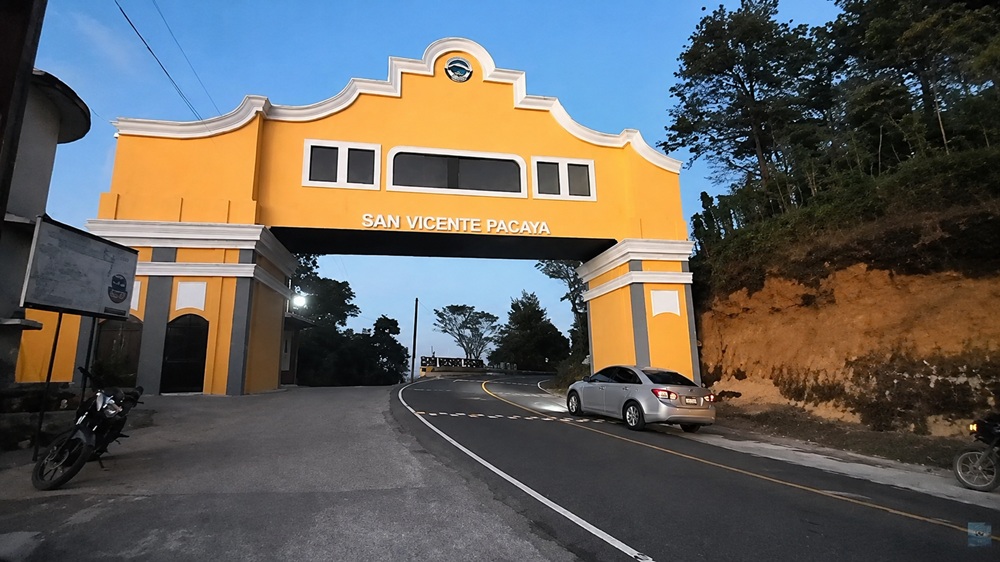
San Vicente Pacaya is one of those places in Guatemala that has a lot to offer. The municipality is located in the department of Escuintla, next to the Pacaya Volcano and Calderas Lagoon National Park, one of the country’s most accessible volcanic landscapes.
Although the volcano is one of the main attractions, so too will be walking through lava fields or breathing in the fresh mountain air. You’ll also gain an insight into the way of life in a village shaped by a landscape that changes over time. San Vicente Pacaya is the best starting point if you want to visit the Pacaya Volcano without rushing through it all. It also allows you to get a feel for local life, enjoy a traditional meal after the trek and see the volcano from different angles.
Where is San Vicente Pacaya, and what is this town near the volcano like?
San Vicente Pacaya is located in the department of Escuintla, south of Guatemala City. Its name is closely associated with the Pacaya volcano, which straddles the departments of Guatemala and Escuintla and forms part of the Pacaya Volcano and Calderas Lagoon National Park.
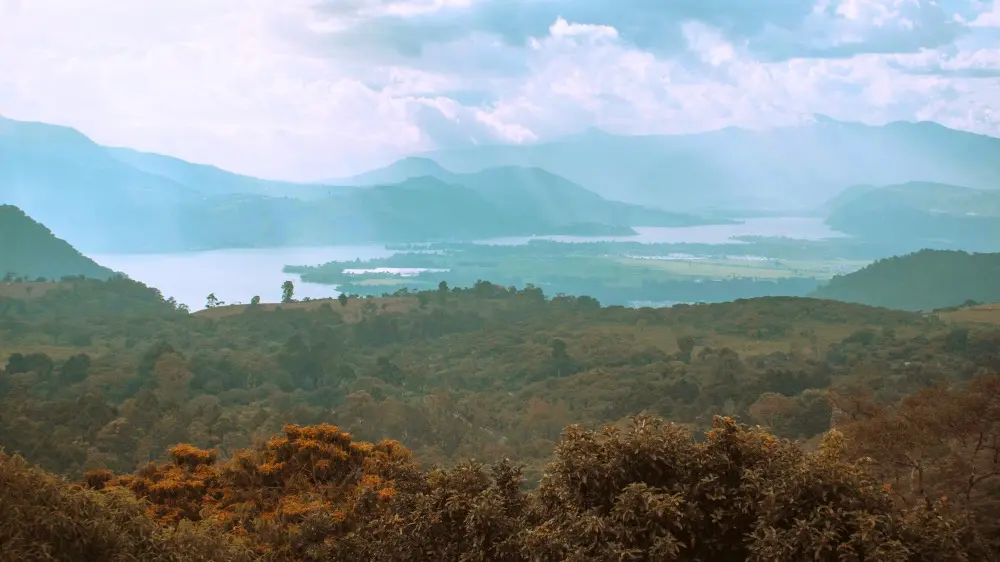
The municipality is situated in a rural area, with villages, mountain tracks and views of the volcanic massif. It's neither an urban destination nor one geared towards luxury, but that is precisely where its charm lies. San Vicente Pacaya retains a leisurely pace, deeply rooted in local life and the countryside.

Furthermore, the Pacaya Volcano and Calderas Lagoon National Park also covers an area of great natural value. In this case, it includes volcanic formations, viewing points, lava fields and several ancient cones linked to the activity of Pacaya. The park itself spans the municipalities of San Vicente Pacaya, Amatitlán and Villa Canales, south of Guatemala City.
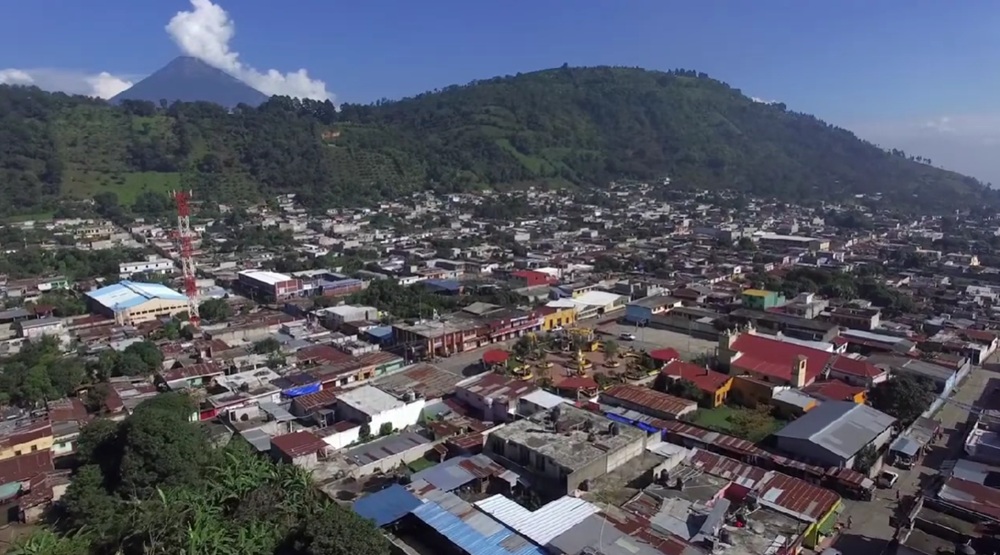
For travellers, this means that San Vicente Pacaya is not just a stopover before climbing the volcano. Rather, it serves as a good base from which to take a closer look at the landscape, see how the community lives alongside an active volcanic environment, and organise your trip without having to rely entirely on Antigua or the capital.
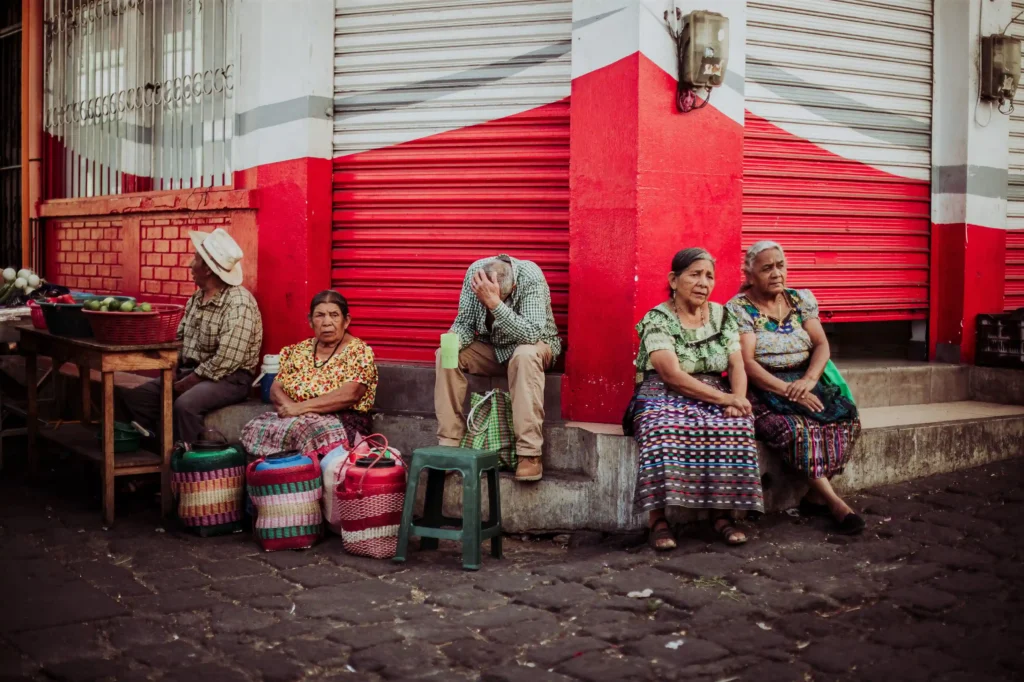
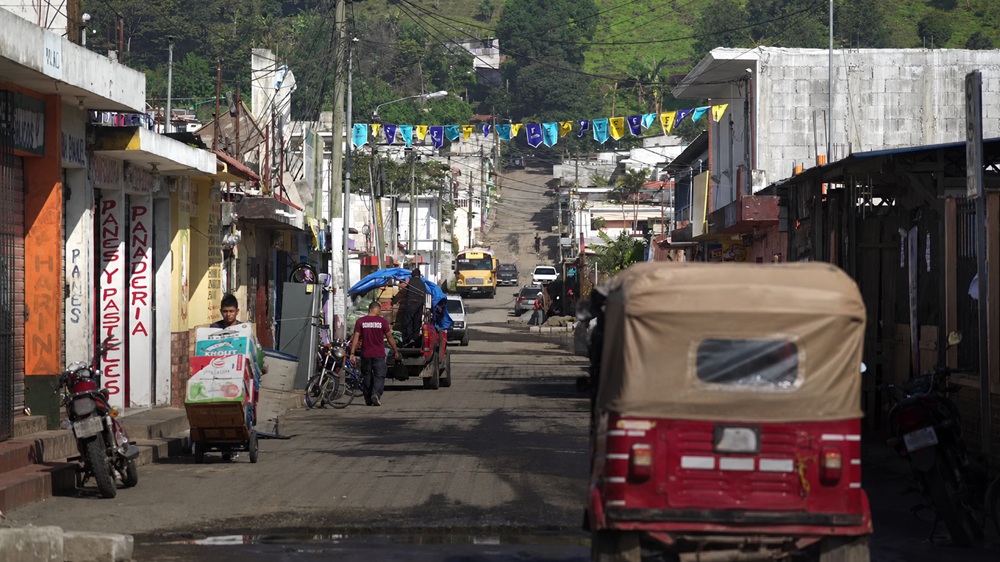
The atmosphere is simple and authentic. Here you’ll find small shops, local transport, roads with sweeping views and a real sense of being close to the mountains. It’s also worth going with realistic expectations: tourist facilities are available, but they’re more basic than in destinations such as Antigua Guatemala.
That local flavour is part of the experience. San Vicente Pacaya offers a chance to explore the volcano at a leisurely pace, chatting with local guides, sampling traditional food and seeing how the volcanic landscape is woven into the daily life of the town.
Why is San Vicente Pacaya the perfect base for visiting the Pacaya volcano?
San Vicente Pacaya is a convenient base as it's very close to the park entrances. From the town, you can reach the San Francisco de Sales area, where the main visitor centre is located. If you stay overnight or spend time in San Vicente Pacaya, you can organise the hike with less pressure than if you were to set off very early from Antigua or Guatemala City.
Another advantage of San Vicente Pacaya is its local atmosphere. Because after the climb, you don’t have to rush back to the main road. You can stay for a meal, rest and watch the evening fall over the volcano. As we can see, it’s not just about being the gateway; beyond that, San Vicente has become a community that coexists with an active natural and tourist destination.
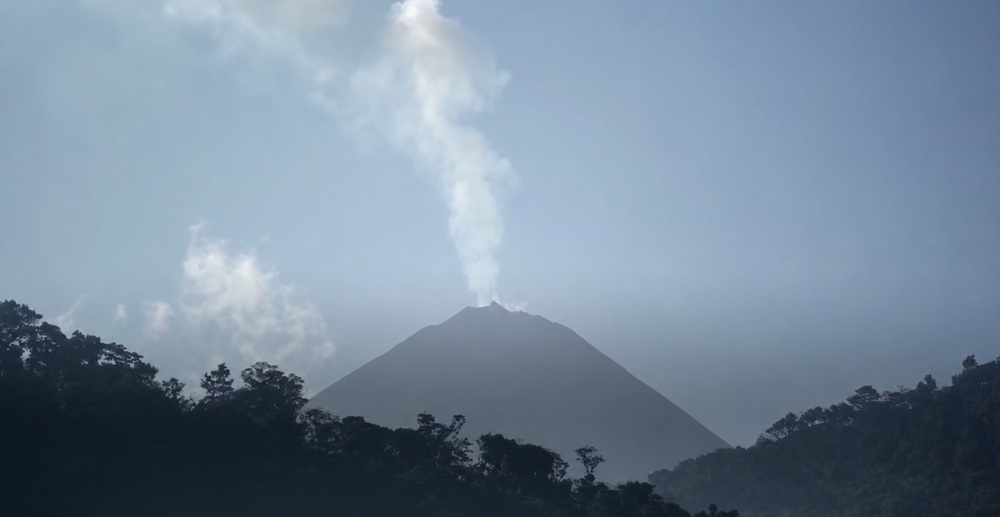
How to get to San Vicente Pacaya from Guatemala City and Antigua
From Guatemala City, the most common route to San Vicente Pacaya is via the CA-9 heading south. You turn off towards the town at around kilometre 37. The journey from Guatemala City is approximately 50 kilometres.
If you’re travelling by car, it’s best to set off early. Traffic leaving the capital can make the journey quite a bit longer, especially at weekends or on public holidays. Of course, if you’re using public transport, you’ll need to be more patient. One option is to head to CENMA from Zone 1 and look for buses to San Vicente Pacaya or Escuintla. You’ll then need to connect with local transport. Remember that San Vicente Pacaya doesn’t have the same frequency of tourist transport as other nearby destinations.
- This page about Monterrico Beach may interest you.
What is there to see in San Vicente Pacaya apart from the volcano?
It’s true that San Vicente Pacaya is usually visited for its volcano, but it also has other attractions worth considering. Its streets are quiet, so as you stroll through them you’ll be able to enjoy rural life and a less touristy atmosphere than in Antigua.
Don’t expect a long list of monuments either. Because the real charm of San Vicente Pacaya lies in walking, observing and letting the landscape set the pace of the day. Of course, we mustn’t overlook the viewing points and the incredible views they offer from up high.
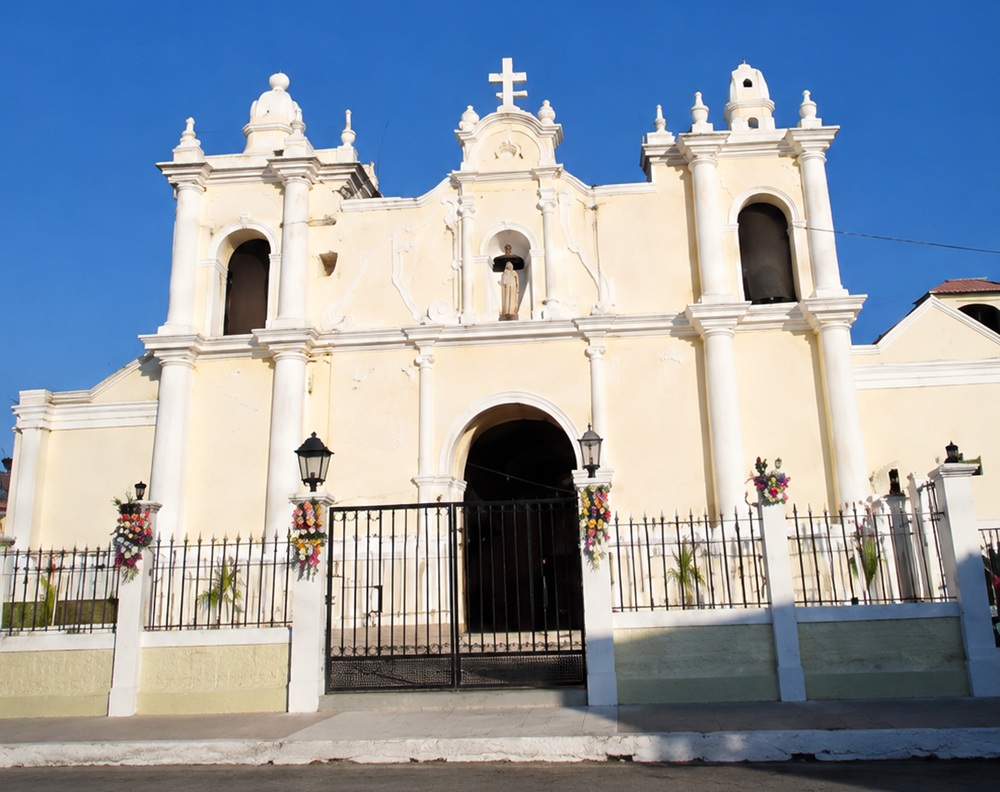
The village centre, the church and viewpoints overlooking the Pacaya volcano
The centre of San Vicente Pacaya revolves around the town square, the church and the surrounding streets. It’s a simple stop, but a useful one for getting a feel for local life before or after climbing the volcano. The church is dedicated to Saint Vincent the Martyr, the town’s patron saint. The patron saint’s festival is held every 22 January, with religious and cultural activities.
From the town centre and the roads leading out of it, you can enjoy direct views of the Pacaya volcano. Of course, if you want a more unobstructed view, it’s best to head for the park’s trails. The route to the base of the volcano, from San Vicente Pacaya, is around 6 km long and can be completed in about two hours.
Inside Pacaya Volcano National Park, we’ll come across the viewing points. It goes without saying that from there we’ll be treated to some spectacular views.
Local life, markets and the rural atmosphere in San Vicente Pacaya
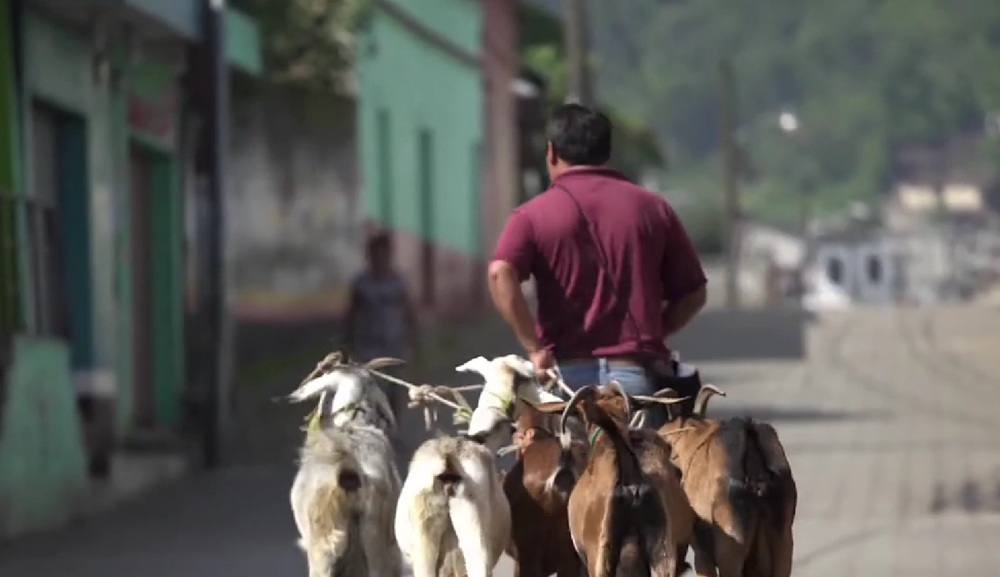
Local life in San Vicente Pacaya centres around its main streets, lined with small shops and food stalls. Whether you visit the volcano first or last, it’s well worth stopping for a simple bite to eat. To recharge your batteries, you’ll usually find tortillas, beans, broth, roast meat or local coffee. All of this goes down a treat after the walk.
The area also showcases the municipality’s agricultural side. Here, you can enjoy the country lanes, farmland and views of the Pacaya volcano.
Trips to the Pacaya Volcano from San Vicente Pacaya
Trips to the Pacaya volcano are the main reason to visit San Vicente Pacaya. Whilst the climb is not generally considered particularly difficult, it does involve walking uphill over uneven terrain and in changing temperatures. The routes usually start from the village of San Francisco de Sales, as this is where the Visitor Centre is located and the main ascent trail begins.
From the centre of San Vicente Pacaya, the journey to the Visitor Centre takes around 18 minutes by car. On foot, the same route can take around 1 hour and 30 minutes.
It’s best to go with a guide. They’ll be a great help in identifying safe areas and trails that are open to the public. It’s also worth remembering that Pacaya is an active volcano, so it’s a good idea to check the volcanic activity before setting off.
Entry to the park costs Q30 for Guatemalan nationals, Q100 for foreign visitors and Q10 for Guatemalan students. However, children under the age of 7 get in for free.
Main trails for climbing the Pacaya volcano
As we have mentioned, the most popular route is the San Francisco de Sales trail. It starts near the visitor centre and climbs along a path up the mountain until it reaches viewing points and a plateau. This route passes through wooded areas, viewing points such as La Laguna and Majauhe, and offers views of the Agua, Fuego and Acatenango volcanoes.
Another option is the Vuelta de la Corona. This route starts near Concepción El Cedro and ends at Cerro Chino, with sections that are usually accessed on horseback. Of course, there is also the San Vicente Pacaya route. This passes through villages such as El Patrocinio and El Rodeo, and offers views of fields of petrified lava from the Geomorphological Trail.
Level of difficulty, duration and what to expect from the walk
We can say that the hike up the Pacaya volcano is generally of moderate difficulty. You don’t need high-altitude mountaineering experience, but you do need to be reasonably fit and wear suitable footwear. If you’re wondering how long the climb will take, we’d say you can do it in an hour. Especially if you’re used to walking. If not, it will take you around an hour and a half. The difficulty? A 4 out of 10.
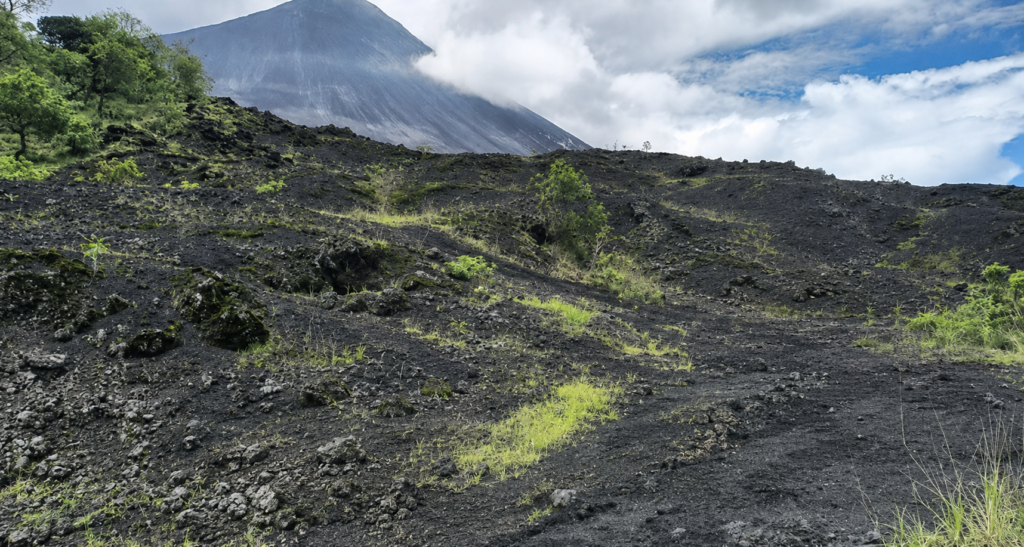
Remember that the terrain changes as you go along. At first there are wooded, shaded areas, but later on you’ll come across ash, volcanic rock and more open spaces.
San Vicente Pacaya with friends: Ideas for a group trip
If you’re thinking of taking a trip with friends, let me tell you, it’ll be one of the best ideas you’ve ever had. San Vicente Pacaya is perfect for a trip like this.
That’s because the experience combines a drive with a good hike and plenty of adventure. But it also offers photo opportunities, local food and scenery that will keep you chatting for hours.
Ideally, you should organise the group before setting off. You know, it’s a good idea to sort out things like transport, departure time and the budget. Always leave a bit of leeway in case of any unforeseen circumstances. San Vicente Pacaya also allows for a flexible plan. Don’t feel like doing the whole climb? Then you can also ask about alternatives such as less demanding sections.
Group hike up the Pacaya volcano: Planning tips
If you’re climbing as a group from San Vicente Pacaya, the first thing to do is agree on a pace. Not everyone walks at the same speed, and the volcanic terrain can be more tiring than expected. Also, make sure you take enough water and share the load. Recommended equipment includes at least 2 litres of water, food, a rucksack, suitable clothing and hiking boots. It’s also a good idea to carry cash in small notes. This can be used for the entrance fee, the guide or transport, if needed.
Plans after the trek: A traditional meal and a rest with views of the volcano
After the trek, San Vicente Pacaya calls for a break. So, it’s time to find somewhere to eat, have a hot drink and let your heart rate settle down. Naturally, traditional food is also part of the plan.
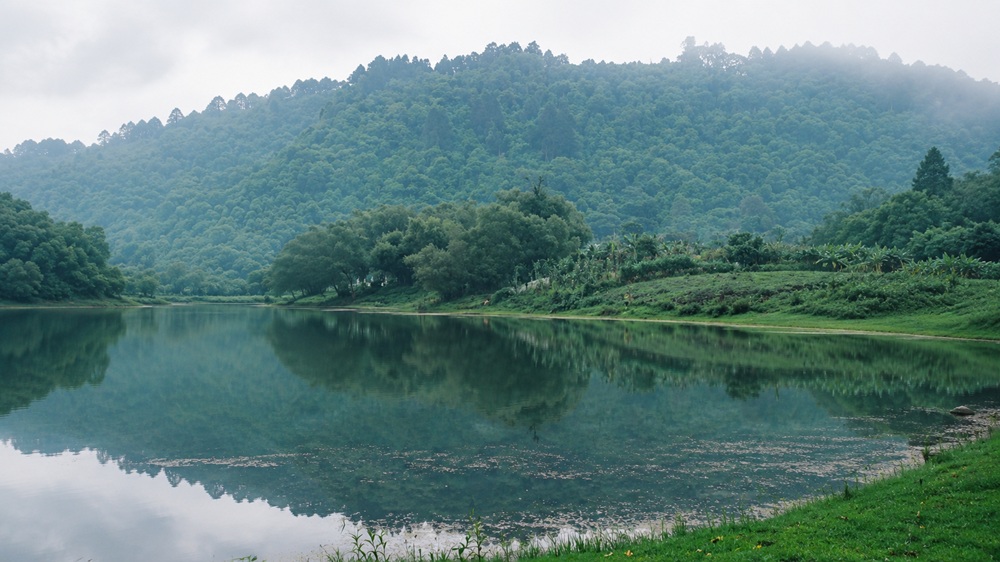
Of course, another good option is to head to Laguna de Calderas. It lies at the foot of the Pacaya volcano and forms part of the park’s natural landscape, alongside ancient craters and viewing points. The area around the lagoon is a great place to wind down after the hike, as it’s a quieter spot.
Practical tips for visiting San Vicente Pacaya and the Pacaya volcano
Before travelling to San Vicente Pacaya, it's worth checking the weather, volcanic activity and trail conditions. Climbing to the main crater is prohibited on the advice of INSIVUMEH. You should therefore only use the designated trails and stay within the areas open to the public.
It's also advisable to ask for and keep your receipt. As you know, this is a natural site, not a theme park. Therefore, the best advice is to take your rubbish home with you, not to remove any stones, and to avoid making unnecessary noise.
Best time to visit, weather and recommended opening hours
The best time to visit San Vicente Pacaya is usually during the dry season, from November to April. Even so, the weather in the mountains can change quickly.
It may be sunny at first, but fog can roll in later and the temperature can drop as the wind picks up.
For walking, the morning is usually a good option. It’s cooler, there’s more daylight, and you have plenty of time to make your way down without rushing. Of course, if you’re after the sunset, it’s best to book a guided tour.
What to bring: footwear, clothing and basic equipment for the Pacaya volcano
If you’re planning to visit San Vicente Pacaya and climb the volcano, make sure you wear hiking boots or sturdy footwear with good grip. The volcanic rock can be uneven and slippery. It’s also a good idea to bring long trousers, a windbreaker, a lightweight raincoat, a hat, sun cream and an extra layer.
The wind can turn against us, which is why it’s important to wear layers. Pack some water, snacks, a basic first-aid kit, a power bank and some cash in your rucksack.
- This page about the cities of Guatemala may interest you.
Frequently Asked Questions about San Vicente Pacaya and the Pacaya volcano
Is San Vicente Pacaya worth a visit?
Yes, it’s well worth it if you want to take a more leisurely climb up the Pacaya volcano and get to know the local area. It’s close to the park and offers direct access to one of Guatemala’s most unique volcanic landscapes.
How long does it take to climb the Pacaya volcano?
The climb usually takes between an hour and an hour and a half, depending on your pace, the route and the terrain. The whole trip can take several hours, especially if you’re setting off from Guatemala City or Antigua.
Is it possible to climb up to the crater of the Pacaya volcano?
No. Climbing up to the main crater is prohibited on the advice of INSIVUMEH.
Is it compulsory to hire a guide in San Vicente Pacaya?
It's highly recommended that you go with a local guide, both for safety reasons and to help you understand the volcanic landscape.