The search for authentic spots in Central America takes us to Huehuetenango, one of Guatemala’s most diverse departments. Situated in the far west of the country, it combines high-altitude mountains, indigenous communities with deeply rooted traditions, significant archaeological sites and some of the most striking landscapes of the Guatemalan highlands.
Although many travellers are drawn to the Sierra de los Cuchumatanes, the truth is that Huehuetenango has much more to offer than just nature. Its villages, markets, cultural traditions and rural routes allow visitors to discover a part of Guatemala where cultural identity is evident everywhere.
Where is Huehuetenango?
Location of the department in Guatemala
Huehuetenango is situated in western Guatemala, on the border with Mexico. It forms part of the western highlands and borders the departments of Quiché, Totonicapán, Quetzaltenango and San Marcos.
It's also home to some of the country’s highest points, particularly in the area around the Sierra de los Cuchumatanes.

How to get there from Guatemala City
One of the most common questions among travellers is how to get to Huehuetenango from the capital. The city of Huehuetenango is connected to Guatemala City by road via the national network of motorways and main roads.
The journey time may vary depending on traffic and road conditions, but it usually takes at least 5 hours.
Connections to other destinations in the western highlands
Huehuetenango’s location makes it easy to visit other notable destinations in western Guatemala. From here, you can travel to San Marcos, Quetzaltenango, Totonicapán or various rural communities scattered throughout the highland mountains.
History of Huehuetenango
Pre-Hispanic origins and indigenous peoples
Long before the arrival of the Spanish, the territory of Huehuetenango was inhabited by various Mayan peoples. The region was an important settlement centre for communities that developed their own forms of social organisation, trade and agricultural production. The region’s main political and religious centre was firmly established in the majestic town of Zaculeu.
Developments during the colonial period
Following the Spanish conquest, the region became part of the colonial administration established in Guatemala. During this period, numerous towns and villages were established, and economic, social and religious changes took place which left their mark on many localities.
The coexistence of indigenous traditions and colonial influences helped to shape the cultural diversity that characterises Huehuetenango today.
Historical and cultural significance of the department

This region is internationally recognised as the cradle of indigenous traditions of immense anthropological value. Over the centuries, Huehuetenango has played a significant role in the history of the area due to its strategic location and the cultural richness of its communities.
The presence of archaeological sites, ancestral traditions and unique cultural expressions reflects a heritage that remains very much a part of everyday life.
Culture and traditions of Huehuetenango
Local festivals and celebrations
Religious and community celebrations form part of the regular calendar in many municipalities in Huehuetenango. Patron saint festivals bring together locals and visitors for cultural activities, religious ceremonies and social gatherings that keep numerous traditions alive. Particularly noteworthy are the Moors and Christians dances, performed in colourful costumes in the squares of the colonial towns.
Crafts and traditional dress
In various communities across the department, one can still find traditional textiles and garments that form part of the region’s cultural identity, such as huipiles, which women weave with great skill. The colours, designs and craft techniques reflect the diversity of the indigenous peoples living in Huehuetenango. Beautiful carved wooden crafts are also produced.
Traditional cuisine and cultural expressions

The cuisine of Huehuetenango shares common features with other regions of Guatemala, although each community adds its own distinctive touches. Typical dishes include hearty stews made with local spices, smoked chillies and maize.
In addition to the local cuisine, the music, dance and cultural expressions associated with the indigenous communities form part of the cultural richness that characterises the department.
What to see in Huehuetenango
Villages and historic centres
One of Huehuetenango’s greatest attractions is the diversity of its villages. A leisurely stroll through the central squares of traditional towns such as Chiantla or Todos Santos is a delightful visual experience. Their ancient churches house valuable artistic treasures, such as the famous Silver Virgin in the parish church of Chiantla.
Markets and craft workshops
Local markets are some of the best places to get a feel for everyday life in Huehuetenango. Here you can find agricultural produce, textiles, food and items made by the region’s communities. The San Juan Atitán market stands out as a place where traditional indigenous dress completely dominates the visual landscape.
What’s more, visiting the family-run textile workshops will give you the chance to see the experienced local weavers at work in their own homes.
Nature reserves and viewpoints
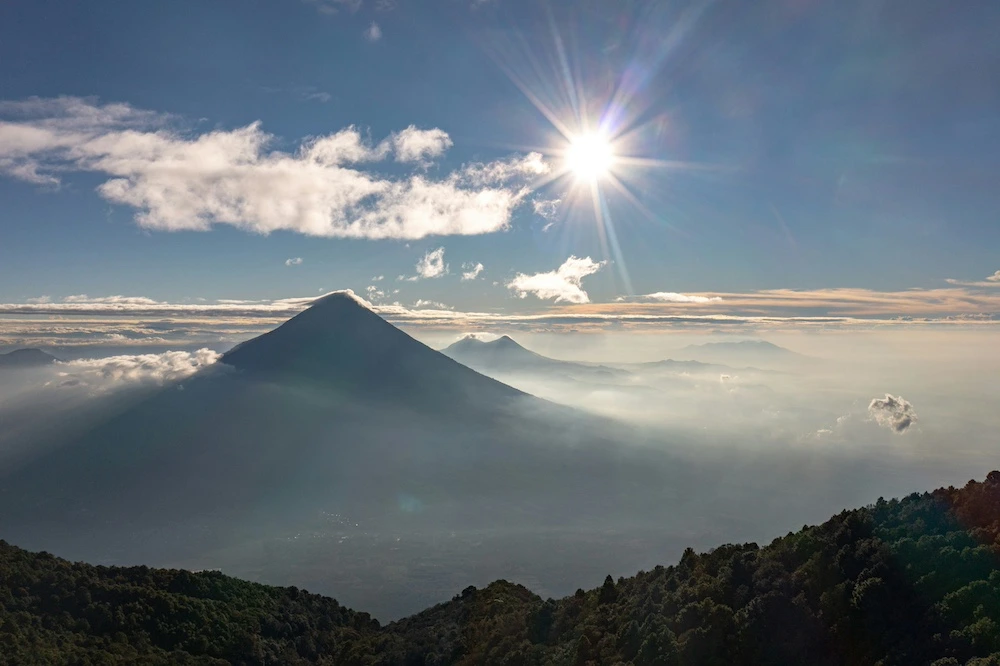
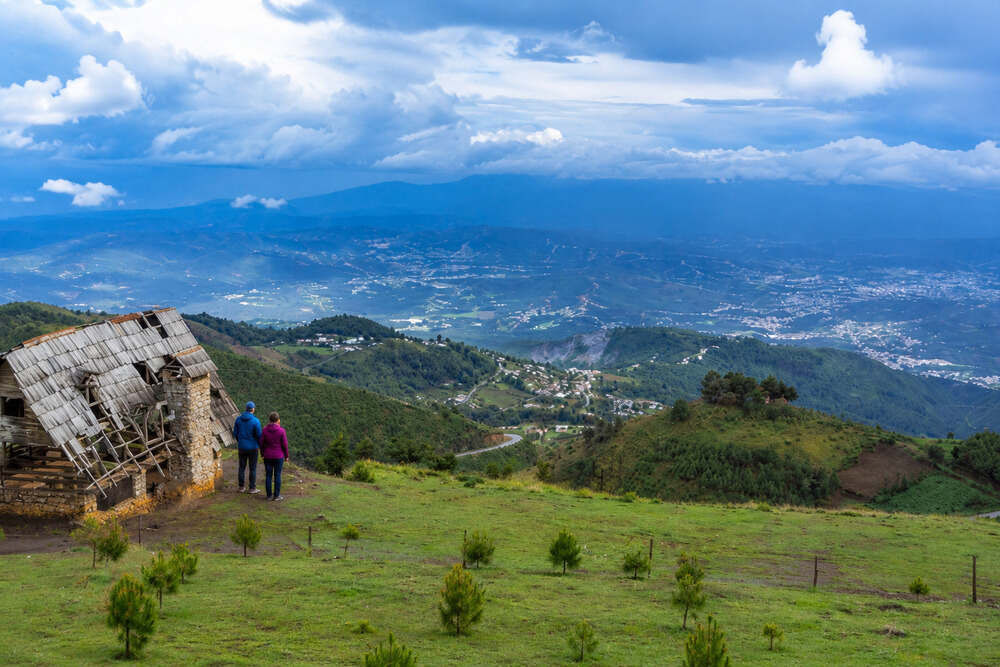
Huehuetenango boasts numerous natural areas where visitors can enjoy mountain scenery, forests and sweeping panoramic views of the western highlands. The viewpoints situated at various high points offer particularly stunning views on clear days. The Juan Diéguez Olaverri Viewpoint is the best-known spot, ideal for taking in the vastness of the mountain range at dawn.
Archaeological and cultural heritage
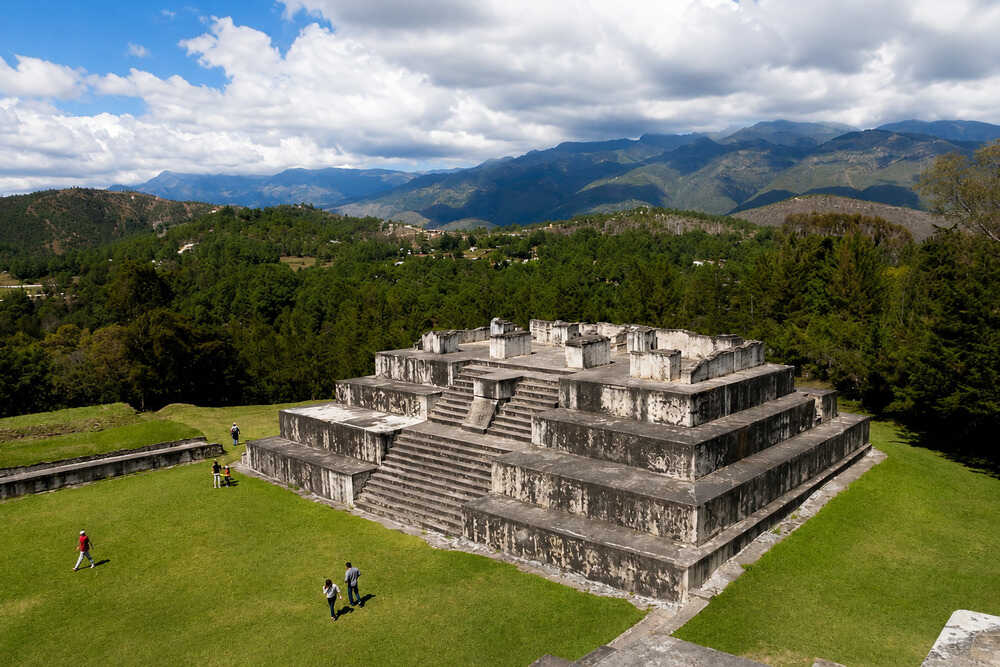
Among the highlights is Zaculeu, one of the main Mayan archaeological sites in western Guatemala. This complex offers a deeper insight into the region’s pre-Hispanic history and the significance it held for the communities that once inhabited the area. Exploring this ancient site helps one to understand the military, social and spiritual significance the territory held before colonisation.
- This page about cities in Guatemala may interest you.
Things to do in Huehuetenango
Day trips and walking in the region
The mountainous terrain of Huehuetenango offers a wealth of opportunities for hiking and outdoor excursions. There are routes that wind through forests, high plateaus and rural landscapes where nature remains the main attraction.
The trails will take you on a journey of discovery, revealing hidden waterfalls, native pine forests and natural viewpoints offering spectacular panoramic views of the high plateau.
Experiences with local communities
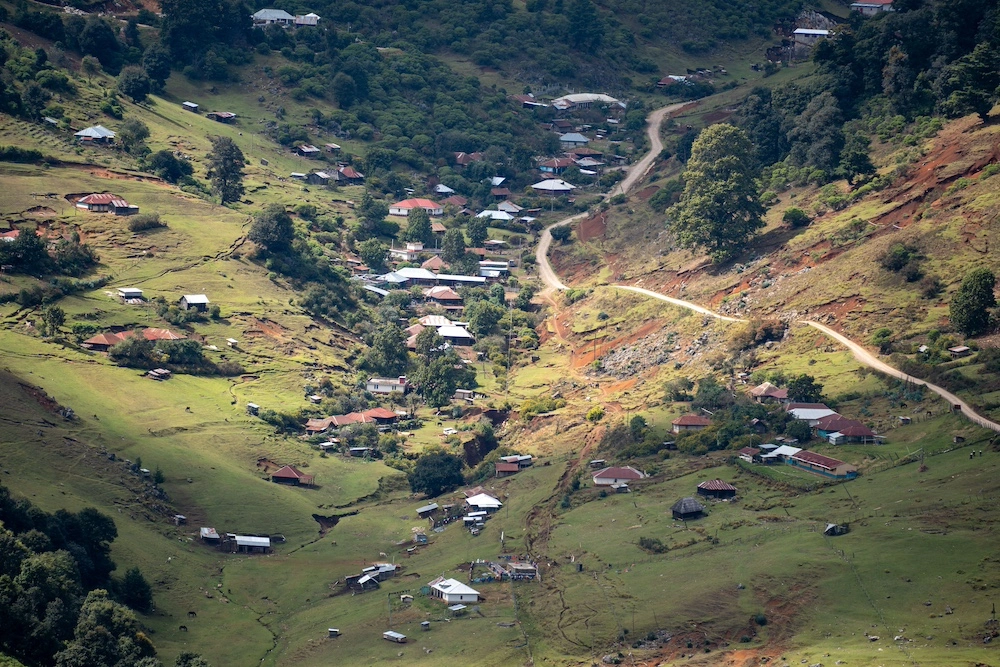
One of the best ways to get to know Huehuetenango is to visit its communities and discover aspects of daily life that are rarely mentioned in traditional guidebooks. If you can stay in rural community guesthouses, you’ll be able to live alongside the indigenous families of the highlands in a respectful way.
Landscape and rural life photography
The contrast between the mountains, farmland and traditional villages makes Huehuetenango a fascinating destination for photography enthusiasts. Whilst the ever-changing light in the natural landscape is a major draw, you’re sure to love capturing shots that showcase traditional indigenous dress.
Cultural and leisure activities
Many towns organise cultural events, community celebrations and gatherings that allow visitors to discover different aspects of local identity. You can sample traditional local cuisine in the traditional restaurants in the town centre and listen to open-air marimba concerts.
Climate and the best time to visit Huehuetenango
Temperatures and weather conditions
The climate in Huehuetenango varies considerably depending on altitude. Some areas enjoy moderate temperatures for much of the year, but the mountainous regions can experience cooler conditions, particularly at night.
Dry season and rainy season
The dry season, between November and April, usually offers the best conditions for exploring roads, footpaths and natural areas. During these months, the views are generally clearer and walks are more comfortable. The good thing about the rainy season is that the landscape is transformed, taking on rich shades of green.
Tips for planning your visit depending on the time of year
To undertake challenging hikes in complete safety, the best months are December, January and February, due to the stable weather. If you plan to visit the high plateau in winter, it's essential to be prepared for night-time frosts.
Tips for visiting Huehuetenango
What to bring on your visit
To walk along the stone footpaths, it's essential to wear sturdy hiking boots with good grip. In the higher-altitude areas of Huehuetenango, it may also be a good idea to take a warm jacket.
Transport and safety recommendations
As many roads pass through mountainous areas, it's advisable to plan your journeys in advance and check road conditions before setting off. The roads have sharp bends, so you must drive calmly and always keep your wits about you.
How to make the most of the cultural and natural experience
A good way to discover Huehuetenango is to combine cultural visits with tours of natural sites. This allows you to gain a better understanding of the relationship between local communities and their surroundings. If you spend several days in the region, you’ll be able to explore some of its main attractions at a more leisurely pace and spend quality time chatting with local craftspeople.
What to see near Huehuetenango
Cuchumatanes Mountains
The Sierra de los Cuchumatanes is one of the best-known natural areas in the department. Its high plateaus, mountains and open landscapes offer a different view from that of other regions of Guatemala, which are dominated by volcanoes. It's a perfect natural setting for trekking.
Indigenous peoples of the Altiplano
The surrounding municipalities, such as Todos Santos Cuchumatán and San Juan Atitán, are true treasures of the living Mayan culture of today. It's still possible to observe traditions, languages and cultural expressions that form part of the heritage of the Mayan peoples of the region.
Tacaná Volcano
The Tacaná Volcano, situated on the border between Guatemala and Mexico, is one of the major natural landmarks of western Guatemala. Although it's not located within the department of Huehuetenango, it can be included in a wider itinerary covering this part of the country.
Lakes and rivers in the region
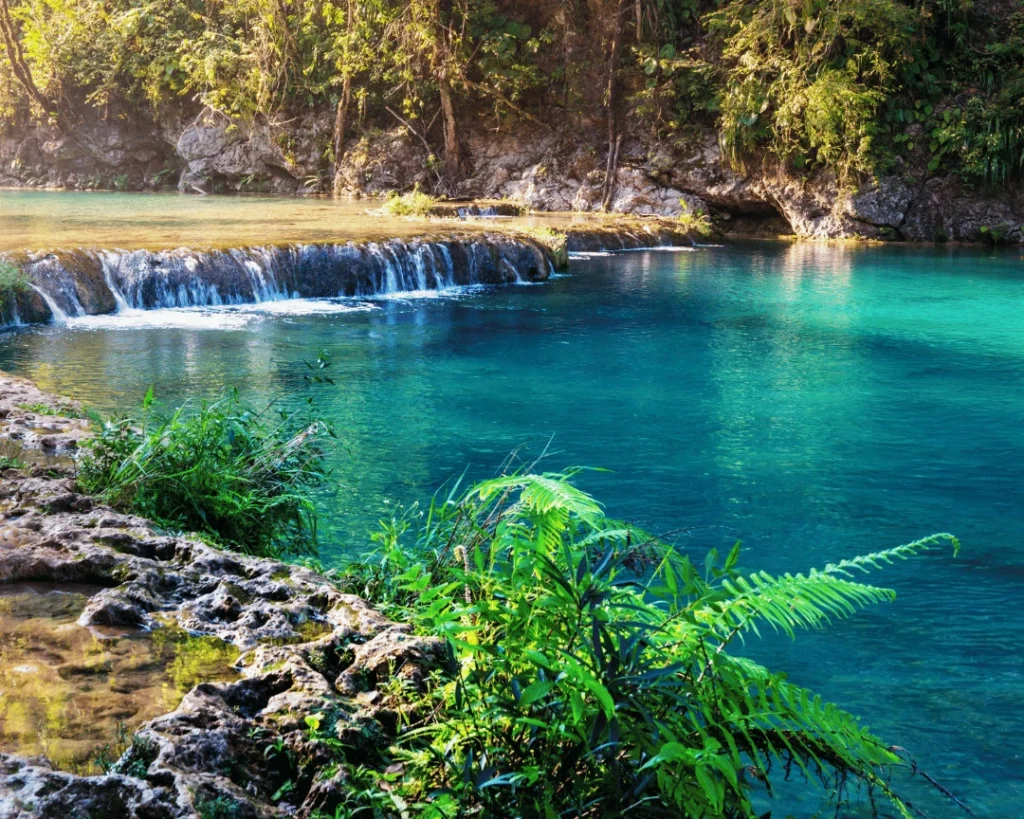
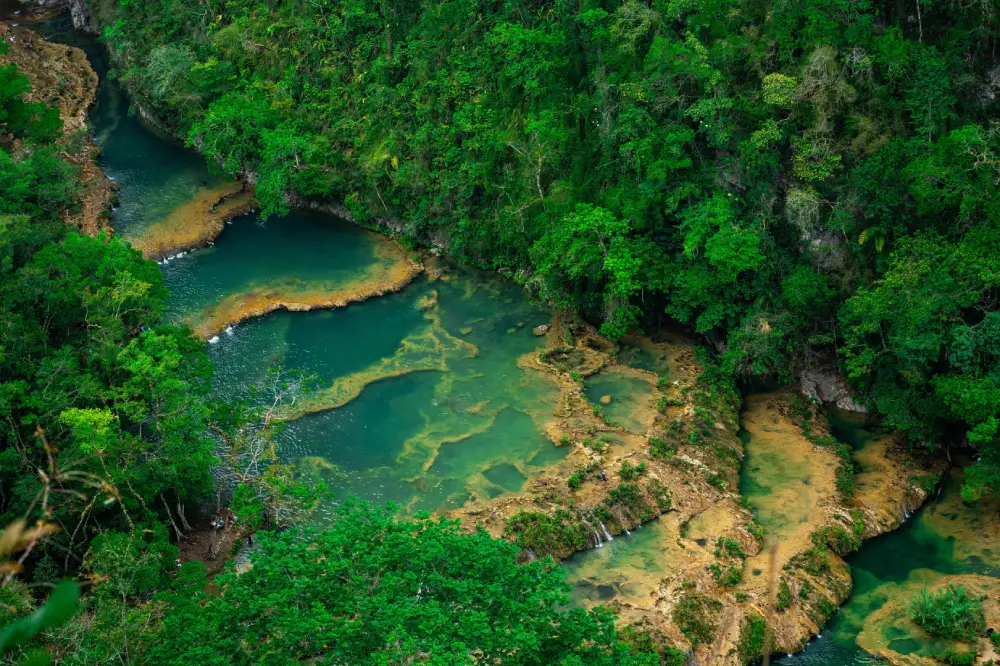
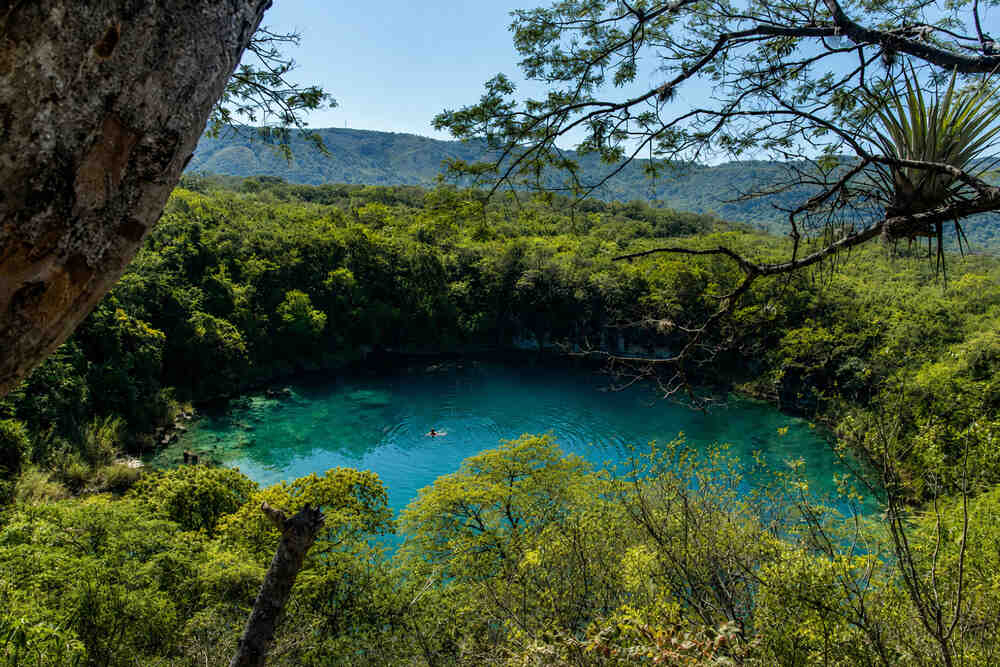
The landscapes of western Guatemala include numerous natural areas linked to rivers, lagoons and mountainous regions. Natural sites such as the beautiful Laguna de Magdalena are bodies of crystal-clear, turquoise water surrounded by dense pine forests. A truly spectacular sight.
Is Huehuetenango worth a visit?
What makes this department unique
Huehuetenango is renowned for its combination of mountainous landscapes, cultural diversity and indigenous traditions that continue to form part of daily life in many communities. Few places in Guatemala bring together such a wide variety of cultural and natural experiences within a single region.
Who is this destination recommended for?
This region is particularly appealing to travellers who enjoy hiking, photography, history and getting to know local cultures. It's also a good choice for those who wish to explore lesser-known parts of the country without missing out on its rich heritage and stunning landscapes.
How to include Huehuetenango in a tour of Guatemala
Huehuetenango can be visited as a main destination or included as part of a wider itinerary through western Guatemala. Two or three days of your overall travel itinerary would be ideal for exploring it thoroughly. Its location makes it easy to reach other regions of the highlands and various natural sites of interest.
Frequently Asked Questions about Huehuetenango
Where is Huehuetenango?
Huehuetenango is situated in western Guatemala, on the border with Mexico, and forms part of the country’s western highlands.
Which towns and attractions are worth visiting in Huehuetenango?
Among the main attractions are the archaeological site of Zaculeu, the famous Juan Diéguez Olaverri viewpoint, and authentic traditional villages such as Chiantla and Todos Santos Cuchumatán.
When is the best time to visit Huehuetenango?
The dry season usually offers better conditions for going on excursions, walking along trails and enjoying the region’s panoramic views.
What cultural and nature-based activities are there to do in Huehuetenango?
The most common activities include hiking, landscape photography, cultural visits, tours of local communities and exploring the natural landscapes of the western highlands.