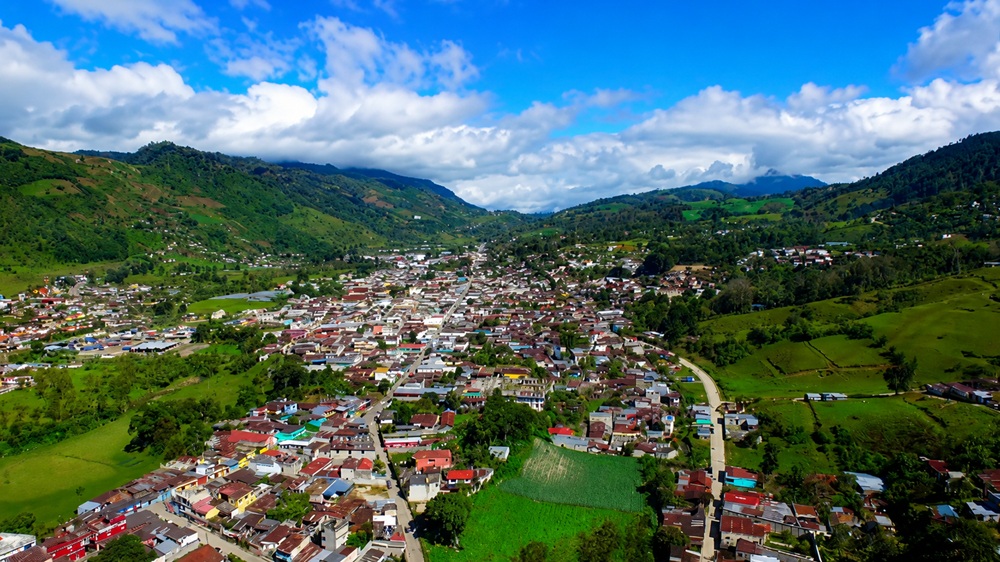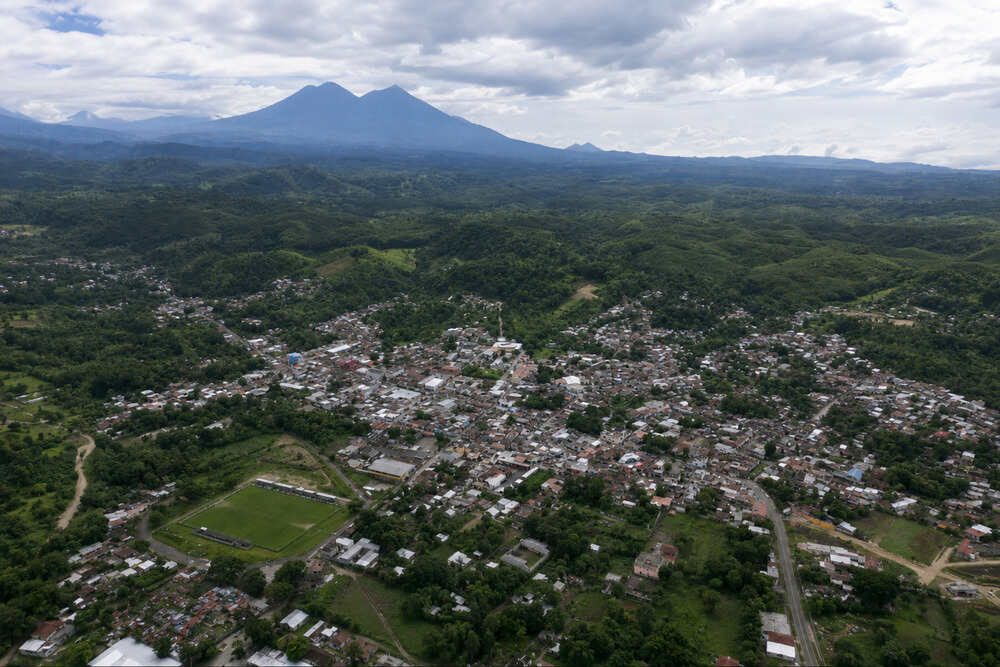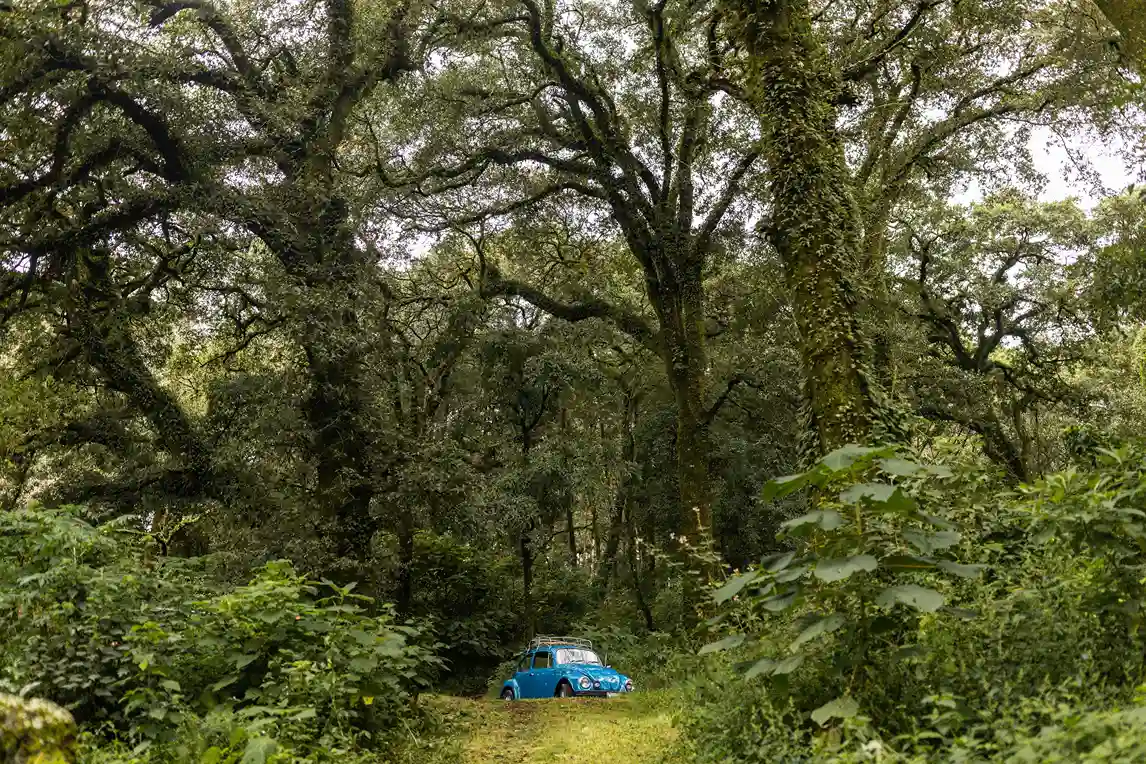
Morales Izabal does not feature on the lists of Guatemala’s most visited destinations. It has neither an iconic volcano nor a picture-postcard lake. What it does have is something else: dense jungle, rivers everywhere, a history of banana cultivation and a location that makes it the gateway to some of Izabal’s most striking landscapes.
It's a stop-off point for many travellers. A real gem for those who know where to look.
Here’s everything you need to make the most of your visit.
Where is Morales, Izabal?
Location in the department of Izabal
Morales, Izabal, is situated in the north-eastern region of Guatemala. It's a municipality in the department of Izabal, covering an area of 1,295 km² and lying just 50 metres above sea level. That says it all about its climate.

To the north, it borders Puerto Barrios. To the east, it also borders Puerto Barrios and Honduras. To the south and west, it borders Los Amates. The Motagua River flows through part of the territory and shapes the character of the landscape.
The main town has two distinct areas: Morales and Finca Bananera. The latter developed around the operations of the United Fruit Company, and even today, on the ground, that history is evident. The municipality’s population stands at around 100,000, spread between the main town and various villages and hamlets.
How to get there from Guatemala City
It's 248 km from the capital via the CA-9 Atlantic Route. The tarmac is in good condition for most of the journey. By car, the journey takes between 3 and 4 hours, depending on where you set off from in the city.
There are frequent bus services from the Zone 1 terminal. Those going directly to Puerto Barrios stop at Morales Izabal. The journey takes around 4 or 5 hours and is by far the cheapest option.
If you’re travelling by car, setting off before 6 am makes all the difference. The capital is a completely different place at that time of day.
Connections to other local authorities and nearby destinations
The CA-9 links Morales Izabal with Puerto Barrios to the north, 62 km away, and with Los Amates to the south. El Estor can be reached via the CA-13. Livingston is accessible by water from Puerto Barrios, a further 33 km away.
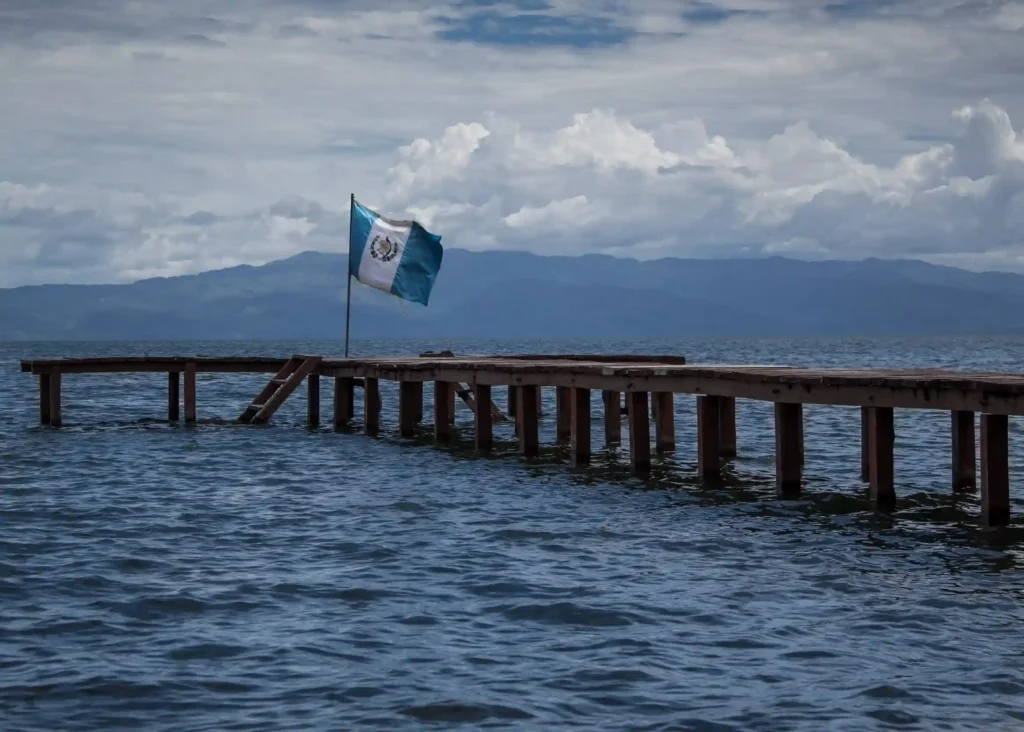
Come to think of it, Morales serves as a base. You can easily fit in a visit to the Río Dulce, Lake Izabal and the Caribbean coast all in one trip.
History of Morales Izabal
In 1879, this was a hamlet. Eleven years later, on 5 November 1890, a Government Decree recognised it as a village. And on 24 June 1920, another decree established the municipality. The first mayor was Teodoro Murillo, originally from Honduras.
The name comes from Colonel Próspero Morales, Minister of Public Works and War under General José María Reina Barrios between 1892 and 1898.
What really changed the town was not a decree. It was the banana. The United Fruit Company set up its operations at the Finca Bananera and the area was transformed: people arrived from Honduras, Nicaragua and other parts of Guatemala. Railways, infrastructure, a town that grew up around that industry. The town hall was completed in 1932. In 1934, the cemetery in the village of Los Andes was opened. And so, slowly and through hard work, what is now Morales began to take shape.
Among the first documented settlers were Honduran and Nicaraguan families who laid the foundations of the community. This mix of origins still defines the character of the municipality today: open, mixed-heritage, with no single predominant ethnic group.
- We invite you to read our article about how to get to Puerto Barrios from Guatemala City.
Culture and traditions of Morales Izabal
Local festivals and celebrations
The patron saint’s festival runs from 16 to 19 March, in honour of Saint Joseph. The 19th is the main day: a solemn mass, people from all the villages, and the town takes on a different atmosphere. There are religious, cultural and sporting activities. If you can be there during those days, you’ll experience Morales at its very best.
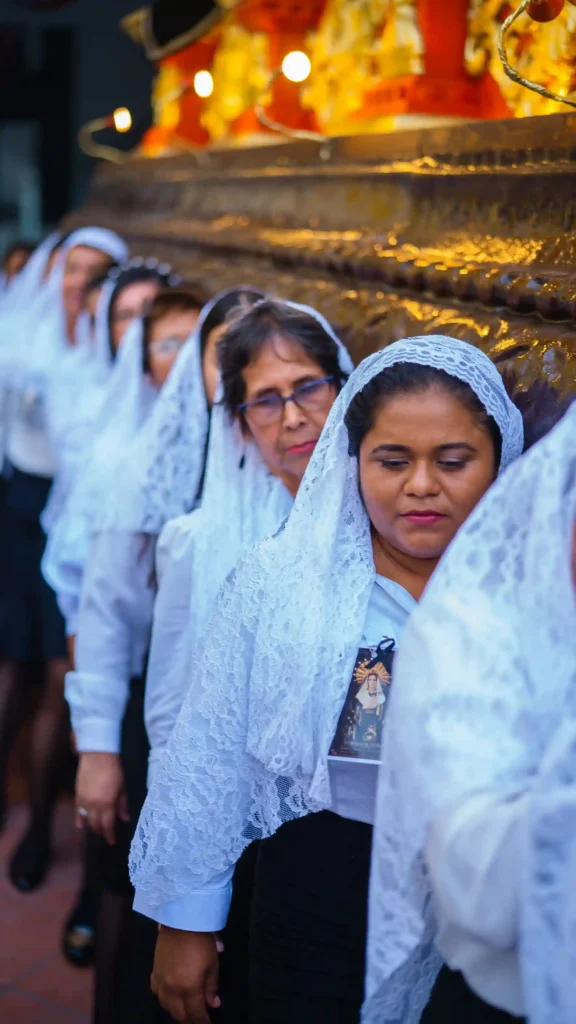
Throughout the rest of the year, the Casa de la Cultura keeps things going with regular events. The ‘Family Marimba Afternoons’ are the most frequent: locals, visitors and traditional Guatemalan music all coming together in one place.
Traditional cuisine of the municipality
Morales’s cuisine is unpretentious. It’s typical of the north-east, featuring local ingredients and prices that won’t set you back too much. What you’ll find in the village eateries is part of the authentic Guatemalan culture of this region.
Some of the dishes you’ll find on the menu:
Tapado: coconut broth with seafood, plantain and cassava. It’s a staple of the Guatemalan Caribbean, and you won’t struggle to find it near the coast of Izabal.
Beef broth: served with freshly made tortillas. A typical weekday lunch in many homes across the municipality.
Fried fish with rice and salad: the restaurant’s proximity to rivers and the lake means this dish is always on the menu.
Fried plantains: whether sweet or ripe, they go with everything.
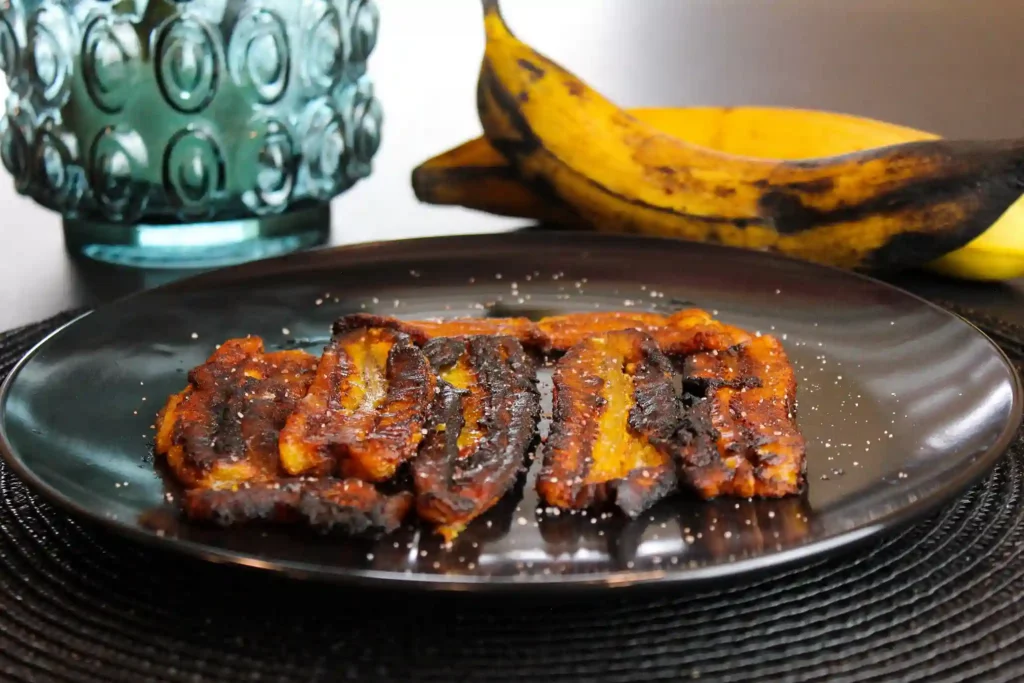
To eat well on a budget, it’s best to head away from the city centre and ask where the locals eat. Family-run restaurants are the best option: a full set menu for less than 40 quetzales in most cases.
Crafts and cultural expressions
There is no craft market like the ones in other towns. Craftwork is produced here, but it’s a family affair; it’s not set up for tourists.
The town’s cultural identity lies elsewhere: in the marimba, in the folk dances at the annual festival, and in the events organised by the Casa de la Cultura throughout the year. These are local experiences that won’t be found in any brochure, but if you happen to come across them, they’ll stay with you.
What to see in Morales
Chiclera Mountain
The municipality’s main natural attraction. Km 241 of the CA-9, Barrio Moderno, near the Máyela estate. Admission: Q15. Access is via a gravel or dirt track: in dry weather, a standard vehicle can reach it; in wet weather, a four-wheel-drive vehicle is recommended.
It's a patch of forest that survives amidst deforested areas. That is why it's so valuable: it's home to birds, bats and wildlife that are no longer found in the surrounding area. From the viewing points, you can see the Motagua River Valley, Morales and Lake Izabal. It forms part of the biological corridor between the Sierra de Las Minas and Cerro San Gil. Telephone: 2314-1900.
Morales Central Park
The newsagent’s, the gardens, the church in the background. The heart of the town’s social life. A handy place to get your bearings, have a drink and see what life is like in Morales on a typical day.
Banana Plantation
The other part of the town centre. Visible traces of the United Fruit Company are everywhere. It isn't a museum, nor does it set out to be one. It's a place where the history of 20th-century Guatemala can be traced on the ground. It's well worth a visit, if only to understand why Morales looks the way it does today.
Rivers and the natural landscape
Morales Izabal has more rivers than most municipalities in the country. The Motagua, the Bobos, Jute Creek, the Juyamá and the Chinamito. For anyone looking for nature without tourist infrastructure, that alone is reason enough to visit.
- This page about Playa Blanca, Izabal may interest you.
Things to do in Morales
Hiking and birdwatching in the Chiclera Mountains
The park’s footpaths wind through dense vegetation. The terrain is easy to navigate. What you’ll be looking for here are toucans, parrots, bats and, if you’re lucky, the odd mammal. The wildlife is most active first thing in the morning. By mid-morning, it’s not quite as active.
Explore the local market
Tropical fruit, vegetables, ready-made food. The Morales market isn’t designed for tourists, and that’s exactly what makes it so interesting. It’s liveliest early in the morning. It’s also the best place to buy seasonal fruit: mamey, nance, jocote – whatever’s available that day.
Explore the Atlantic Route
The CA-9 between the capital and the coast is one of the routes in Guatemala offering the greatest variety of scenery. From mountains to tropical rainforest, from cold to humid. Morales is a natural stop on that journey, not a detour.
Visit Cerro San Gil
23 km away. A nature reserve featuring cloud forest, waterfalls and significant biodiversity. A day trip that’s ideal if you’re already in Morales and want to see a bit more.
- This page about the beaches of Guatemala may interest you.
Climate in Morales, Izabal: The best time to visit
The climate in Morales, Izabal, is warm and humid without exception. At 50 metres above sea level, temperatures range between 28 and 34 °C. There is no cool season. It’s just hot all year round.
Two seasons to watch out for:
From November to April: the most pleasant time of year to get about. The tracks to Montaña Chiclera and the nature reserves are in good condition. There’s little rain and clearer skies. If you want to combine a visit to Morales with a trip to the coast or the Río Dulce, these are the best months.
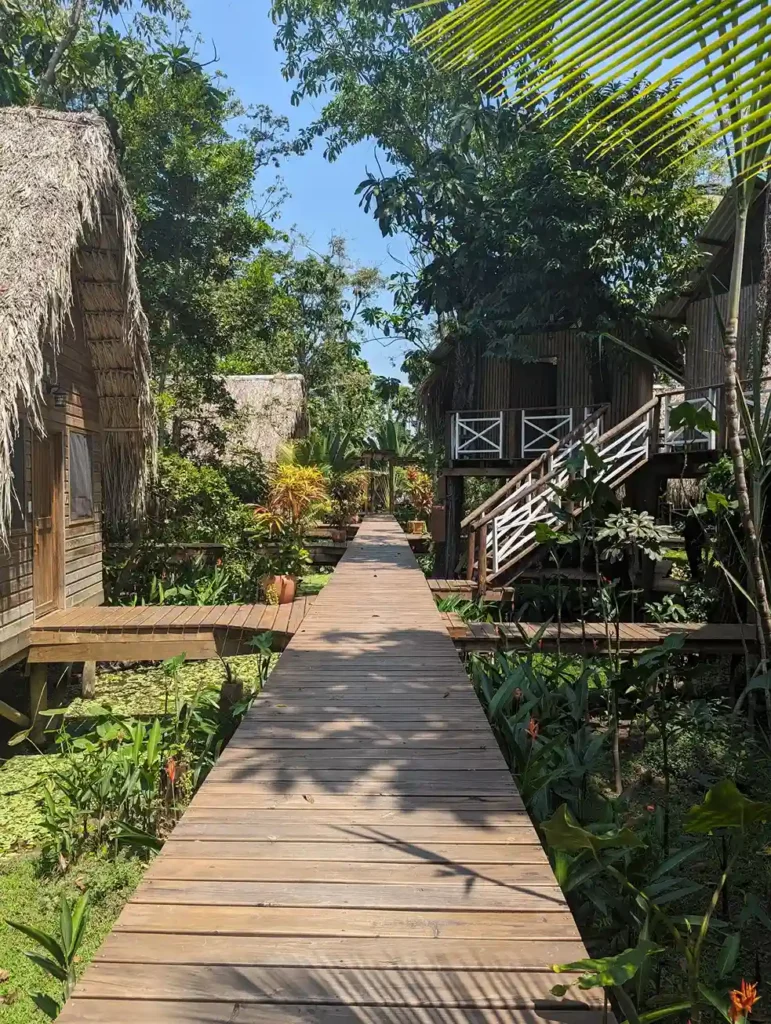
From May to October: it rains heavily and frequently, especially in the afternoons. Some dirt tracks are cut off. The jungle is greener and the wildlife more active, but you’ll need to wear waterproof clothing and footwear suitable for muddy conditions.
Transport and safety recommendations
Transport: frequent buses from Guatemala City via the CA-9. Within the municipality, tuk-tuks and motorbike taxis. To Montaña Chiclera, take your own vehicle or hire transport in the village.
Safety: use common sense, as you would anywhere else. There’s nothing out of the ordinary to be seen, and before travelling to rural or remote areas, check the safety advisories for Izabal.
Accommodation: basic in the main town. If you need more options, Puerto Barrios or Río Dulce have better facilities. In high season, it’s best to book in advance, especially if your visit coincides with the patron saint’s festival in March.
Cash: bring some with you. In rural areas of the municipality, there are no cash machines or digital payment options.
- This page about Punta de Manabique may interest you.
What to see near Morales
Puerto Barrios and the Izabal coast
62 km away, Puerto Barrios is the departmental capital and Guatemala’s most important Caribbean port. It boasts a seafront promenade, a seafood market and a different atmosphere to that of the interior. Boats depart from here for Livingston, the only Guatemalan municipality without road access, home to a Garifuna community and a cultural mix you won’t find anywhere else in the country.
Río Dulce and nearby lagoons
29 km from Morales. The Río Dulce connects Lake Izabal with the Caribbean, flowing through a jungle-covered canyon. A boat trip between San Felipe Castle and Livingston is one of those journeys you won’t forget in a hurry.
The Chocón Machacas Biotope is 30 km away. It's a nature reserve within the Río Dulce catchment area, home to Caribbean manatees. Visitors can take a boat trip through the canals of the protected area; entry is subject to regulations.
For those who want to combine nature with a more off-the-beaten-track archaeological experience, Sayaxché is another destination well worth a visit. Mayan ruins in the Petén jungle, with the La Pasión River at the heart of it all.
Natural parks and nature reserves in the region
Cerro San Gil (23 km): cloud forest, waterfalls, a wide variety of birds. Managed by the Mario Dary Foundation, with footpaths and a visitor centre.
Quiriguá (31 km): a Mayan World Heritage Site. The stone stelae and zoomorphic sculptures are the largest known in the Mayan world. It’s well worth a stop, even if you only have two hours.
Mariscos Beach (26 km): on the shores of Lake Izabal. Calm freshwater, views of the lake and the mountains. A place to swim without the sea in the way.
Frequently Asked Questions about Morales
Where is Morales Izabal?
In the department of Izabal, in north-eastern Guatemala. 248 km from Guatemala City via the CA-9, on the banks of the Motagua River and 62 km from Puerto Barrios.
What language is spoken in Morales?
Spanish. The population is predominantly Ladino or mestizo, people who arrived in the municipality throughout the 20th century, many of whom were employed by the United Fruit Company and on the railway. There is no indigenous community in Morales where a Mayan language is predominantly spoken.