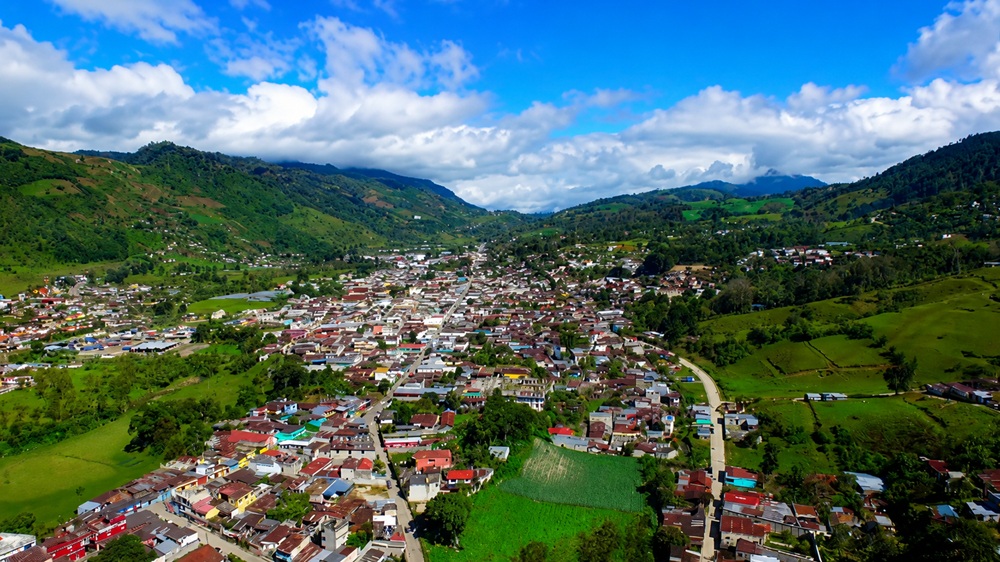
In southern Petén, on the banks of the La Pasión River, there is a village that very few travellers have on their radar. Sayaxché does not feature on the usual itineraries. It has no airport, no large hotels, and the tourism infrastructure here is not geared towards visitors. That is exactly what makes it so interesting.
Scattered around the town are Mayan ruins lost in the jungle, turquoise lagoons and a river that links it all together. If you’re looking for Guatemala unfiltered, start here.
Where is Sayaxché?
Location in the department of Petén
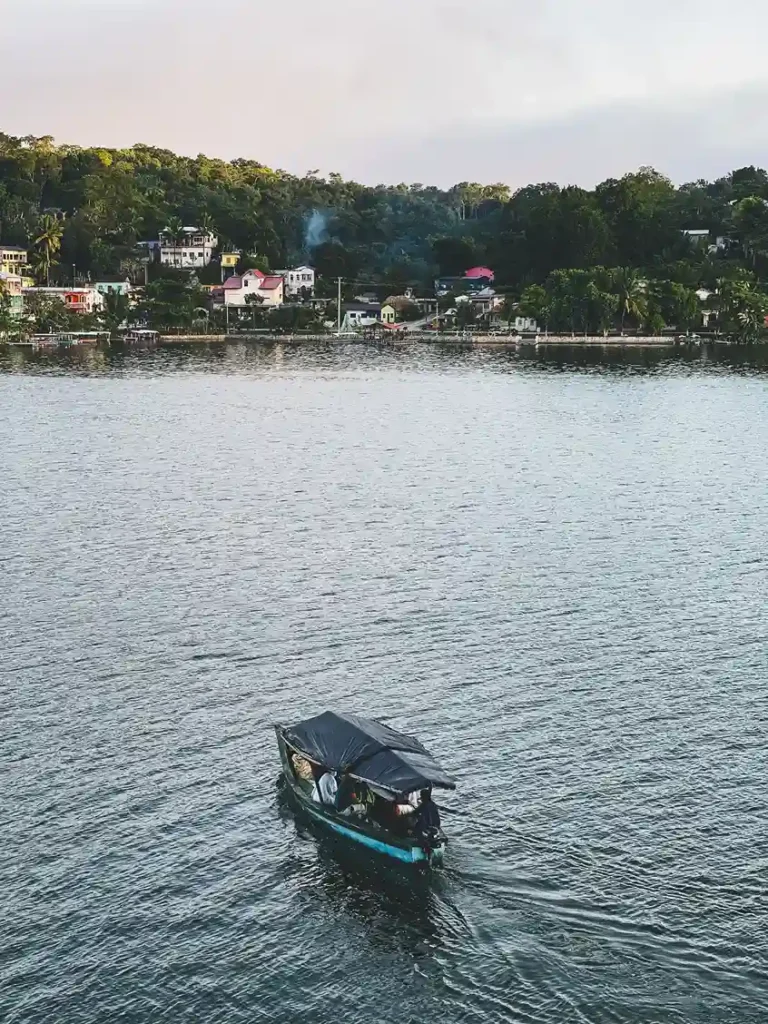
Sayaxché is in the south-west of the department of Petén, in northern Guatemala. The La Pasión River runs through the town and forms a natural boundary with the municipalities to the south.
The municipality covers an area of 3,084 km² and lies 125 metres above sea level. The name derives from the Mayan words ‘Sayax’ (orqueta) and ‘ché’ (ceiba): ‘Ceiba orqueta’. The sacred tree of the Maya grows everywhere here and has given the place its name for centuries.

Around 60,000 people live in the municipality. It's not large, but the surrounding area is vast and teeming with jungle, wildlife and archaeological sites that are still being excavated.
How to get there from Guatemala City
The most common way is to take a direct bus from the capital to Flores, in Petén. The journey takes around 8 or 9 hours. From Flores, take the road to Sayaxché, heading towards Raxrua: another 2 hours.
If you’re travelling in your own car, the route is the same: take the CA-9 north to Flores, then head south through the Petén hinterland.
There is no airport in Sayaxché. The nearest one is Mundo Maya International Airport, in Santa Elena, near Flores.
Connections to nearby towns and destinations
Excursions to various destinations in Petén depart from Sayaxché. The distances are short, but many of the journeys are by river:
- Blue Crater or Petexbatún Lagoon, 10 km away
- Aguateca, 13 km away
- Las Cruces, 19 km away
- La Libertad, 30 km away
- Flores and the island of Saint Helena, some 60 km away
The La Pasión River is the area’s main transport route. Motorboats and small boats fulfil the role that roads do elsewhere.
The History of Sayaxché
The first modern settlers arrived between 1874 and 1880. They were workers for the Jamet Sastré timber company. At that time, this was a village within the municipality of La Libertad. On 4 December 1929, Sayaxché became a municipality in its own right.
But there is another, much older story hidden beneath the jungle. Before the loggers arrived, this area was the political and ceremonial centre of several Mayan cities during the Classical period, between 250 and 900 AD. From here, Dos Pilas, Aguateca, Ceibal and Cancuén controlled the trade routes linking the Petén with the Altiplano and the Pacific coast.
Stelae, temples, stairways covered in hieroglyphs. Archaeologists have been uncovering them from the jungle for decades. There is still much to discover.
- This page about Quiriguá may interest you.
Culture and traditions of Sayaxché
Local festivals and celebrations
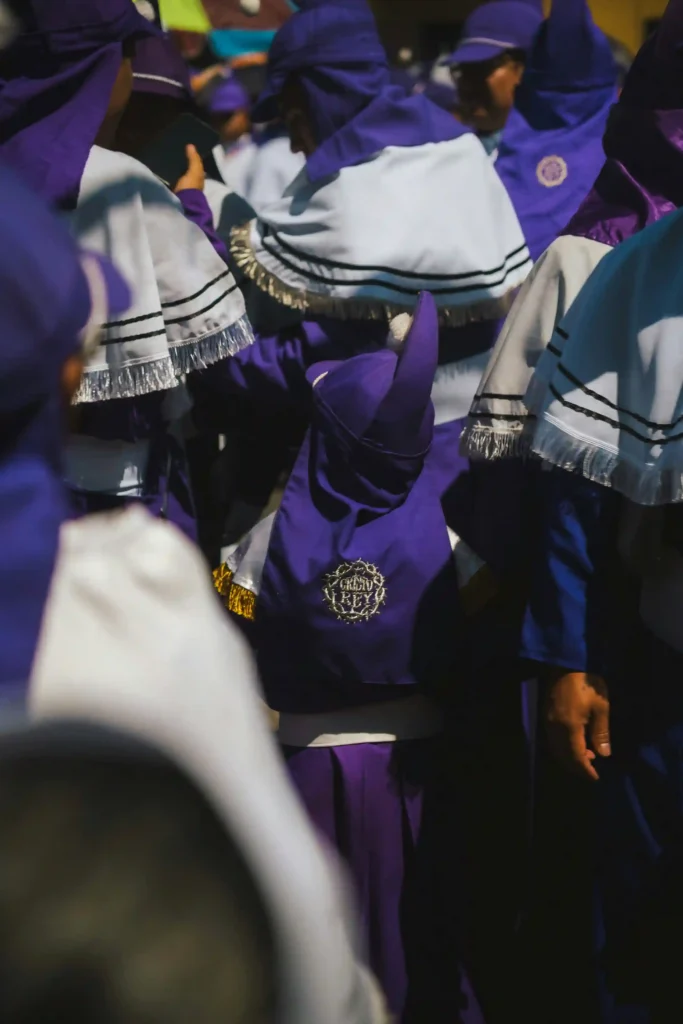
The town’s patron saint is Saint Anthony of Padua. The festival is celebrated every year with processions, music and traditional food. It's one of the few occasions on which Catholic tradition and the Mayan worldview of Petén blend together openly.
For the rest of the year, life revolves around the river. Boats come and go, carrying goods bound for Mexico. As night falls, the local music competes with the murmur of the water. That’s all.
Traditional cuisine of the municipality
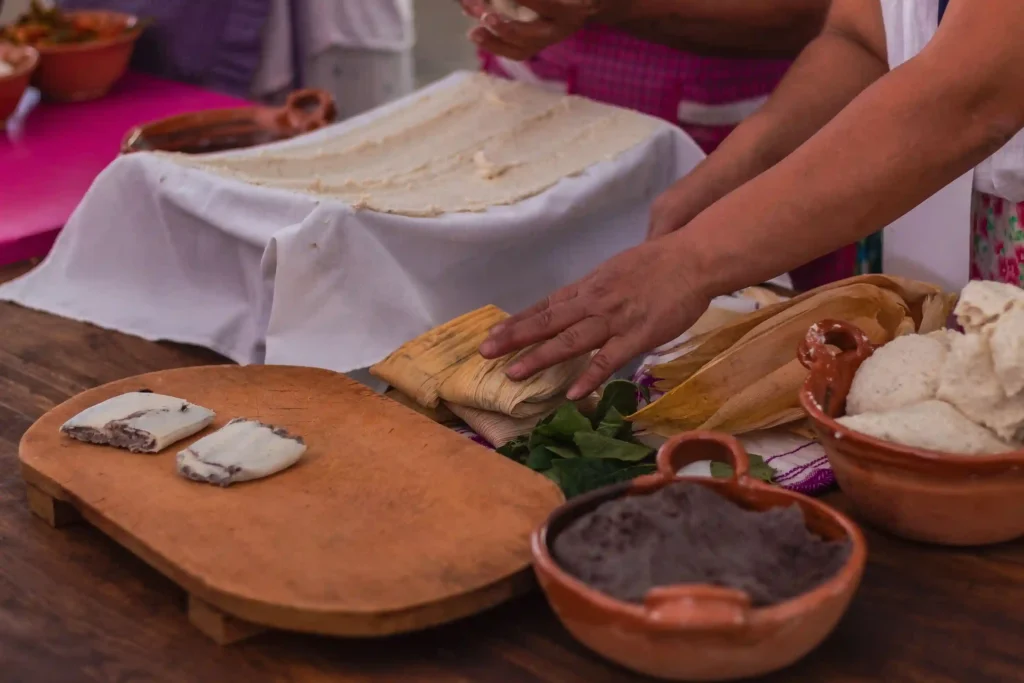
The cuisine of Sayaxché is typical of the Petén region. It’s simple, using ingredients from the jungle and the local communities. Here’s what you’ll find in the town’s restaurants:
- Chipilín tamale: made with the aromatic chipilín leaf, which is very typical of the region
- Jocon: chicken stew with green tomato sauce and local spices
- Chunto broth: turkey, especially at festive times
- Corn porridge: for breakfast, always
The restaurants are simple and cheap. Nothing is geared towards tourists. If you want to find out more about Guatemalan cuisine before you travel, here’s everything you need to know.
Crafts and cultural expressions
The Q’eqchi’ and Itza’ Mayan identity is evident in the products made here. Hand-woven textiles, basketry made from jungle fibres, and wood carvings featuring Mayan motifs.
There is no organised craft market for visitors. What you do find is genuine craftsmanship from communities working in the same way they always have. To gain a better understanding of the richness of Guatemalan culture before you arrive, it’s well worth taking a look.
- We invite you to read our article about El Tintal.
What to see in Sayaxché
Ruins of Aguateca
To get to Aguateca, you have to cross Lake Petexbatún by boat. That in itself is half the experience. Once ashore, you walk through dense vegetation, with howler monkeys overhead and ruins suddenly appearing amongst the trees.
The site is home to carved stone stelae, palaces and temples. And something that sets it apart: the natural fissures caused by geological faults, which the Maya used as defensive walls. Aguateca was attacked and suddenly abandoned. Archaeologists found everyday objects exactly where their owners had left them. It's like a city frozen in time.
It’s physically demanding. But there’s nothing quite like it in the region.
Ruins of Ceibal
Ceibal lies on the banks of the La Pasión River, deep within the Petén jungle. Discovered in 1892, its period of greatest occupation spanned from 800 BC to 50 BC.
Something no other site in the area has: a circular Mayan astronomical observatory. A structure unique to the region. There are over 600 identified structures, many of them still hidden beneath the vegetation. The surroundings are nothing like those of the more touristy sites. Silence. Greenery. The feeling that no one has ever been here before you.
Dos Pilas
Dos Pilas was a direct rival of Tikal during the Classic period. It had its own emblematic glyph and rulers who recorded their wars and alliances on stelae and hieroglyphic stairways that were unique in the entire region.
It's deep in the jungle. It's impossible to get there without a local guide. It's recommended that you visit during the dry season, from November to April: the mud and mosquitoes during the rainy season make the trip much more difficult.
Cancuén
Cancuén can be reached by boat along the La Pasión River. It's one of the largest and least-visited archaeological sites in Guatemala. Archaeologists excavated it partly because of its key position on the Mayan trade routes linking the Pacific coast, the Altiplano and the lowlands.
Its royal palace is the largest ever built by the Maya civilisation. The hieroglyphic staircase tells the story of its kings, inscription by inscription. You can camp on the site and hear the howler monkeys at night. If that doesn’t convince you, nothing will.
The La Pasión River
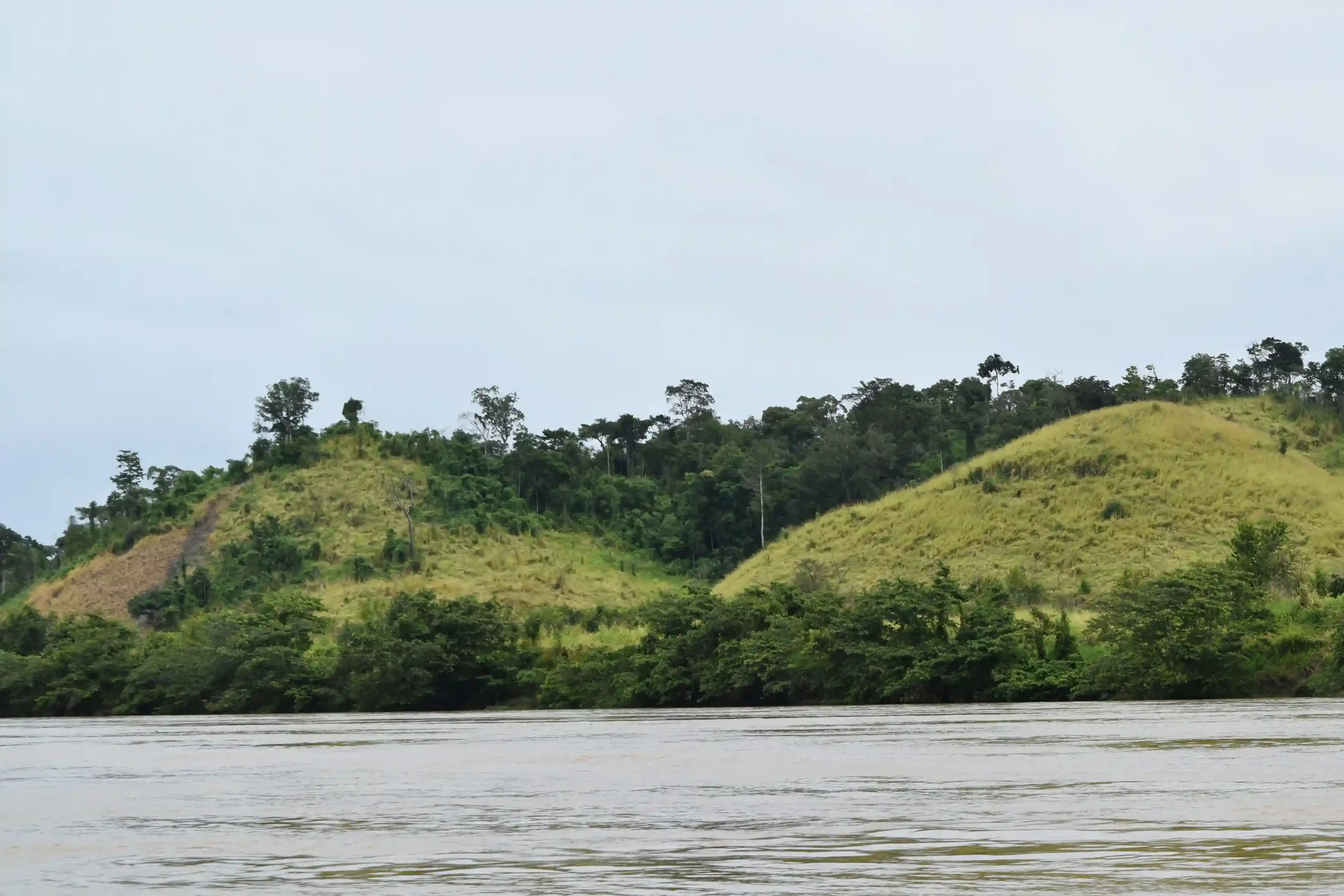
345 kilometres. It rises in Alta Verapaz and flows through the Petén region before joining other rivers on its way to the Usumacinta. The La Pasión is the backbone of Sayaxché: it connects the town with the archaeological sites, with remote communities and with Mexico.
Hopping on a boat at sunset and letting the river take you where it will is one of those things you don’t plan but will always remember. The boatmen are at the village jetty. You negotiate the price directly with them.
- This page about Yaxhá may interest you.
Things to do in Sayaxché
Archaeological excursions through the jungle
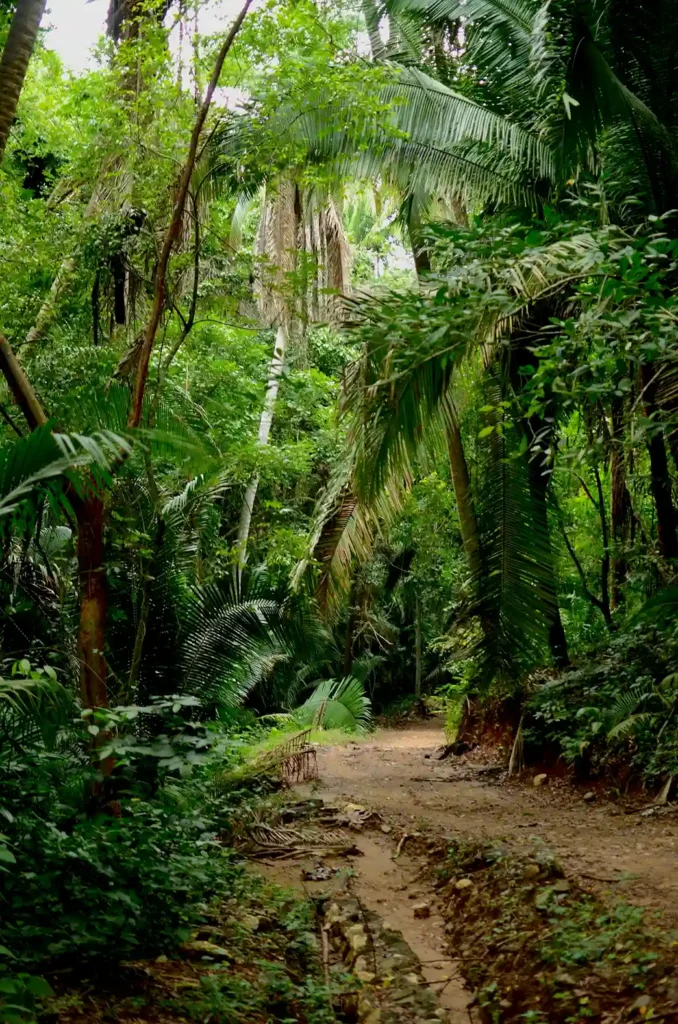
The boat and on foot. That’s how visitors get around Sayaxché. Most sites are reached by boat and then on foot along jungle trails. Few regions in the world offer this combination.
Always use a local guide. They know the trails, the wildlife and the history of each place better than any travel guide. And the money stays in the local community.
Boating on Lake Petexbatún
A few kilometres from Sayaxché. A peaceful day’s boat trip, with jungle lining the banks. Crocodiles, herons, parrots and, if you’re lucky, the odd toucan. The route to Aguateca starts from here, so you can combine a boat trip with a visit to the archaeological site in a single day.
Wildlife and nature watching
The jungle surrounding Sayaxché forms part of one of Central America’s most important biological corridors. What you can see:
- Howler monkeys and spider monkeys
- Toucans and parrots
- Moreleti’s Crocodiles
- River turtles
- Wild boars and tapirs (if you’re lucky)
Activity is at its peak at dawn or dusk. First thing in the morning, in particular.
A visit to the Blue Crater
A karst lake with turquoise water. It's 10 kilometres from Sayaxché and is one of those places you wouldn’t expect to find in the heart of the Petén. You can swim there. The contrast between the blue of the water and the green of the surrounding jungle is quite unforgettable.
- This page about Lake Petén Itzá may interest you.
Best time to visit Sayaxché
Dry season and rainy season
Warm all year round. Between 28 and 32 °C. Humid. Two seasons:
November to April (dry season): The best time to visit. The tracks to the archaeological sites are passable, the river is lower and navigation is easier. There are fewer mosquitoes. If you’re going to Dos Pilas or Cancuén, now is the time to go.
May to October (rainy season): Heavy rain in the afternoons. Some trails become impassable. However, the jungle is at its best and the wildlife is more active. Some areas are cut off during the heaviest downpours.
Transport and safety recommendations
Before you go, here are a few things to bear in mind:
- Check the safety advisories for the Petén region issued by your country
- Certified local guide for excursions to Dos Pilas or Cancuén: this is not optional
- Strong insect repellent and long-sleeved clothing in the jungle
- Cash. Cash only. No ATMs guaranteed
- Boats can be hired directly at the jetty by negotiating with the boatman
- There are few hotels, and they are basic. Book in advance during the high season
Frequently Asked Questions about Sayaxché
What does the word ‘Sayaxché’ mean?
From the Mayan language: ‘Sayax’ means ‘forked branch’ and ‘ché’ means ‘ceiba tree’. The translation would be ‘forked ceiba’, after the sacred tree of Mayan culture which is found in abundance throughout the municipality.
What to see and do in Sayaxché?
Sayaxché is the ideal base for visiting Aguateca, Ceibal, Dos Pilas and Cancuén. You can also go boating on the La Pasión River and Lake Petexbatún, spot wildlife and swim in the Cráter Azul.
Where is Sayaxché?
In the south-west of the department of Petén, in northern Guatemala, on the banks of the River La Pasión.
How many kilometres is it from the capital to Sayaxché?
About 538 km from Guatemala City. By bus, via Flores, the journey takes between 10 and 11 hours.