Perched on a mountain ridge flanked by deep ravines lies one of the most significant chapters in Guatemala’s history: the Mixco Viejo archaeological site. This ancient Mayan centre in the Guatemalan highlands tells a story of power, defence and spirituality.
How the Chajoma civilisation built a fortified city that still gives us an insight into how the Maya people lived, thought and organised themselves before the arrival of the Spanish. If you’re looking for culture, this is the place for you.
What is Mixco Viejo?
A must-see for any traveller wishing to learn about the history of Chimaltenango. This archaeological site is one of the most important in Guatemala and represents a valuable legacy of the Mayan civilisation.
Description of the archaeological site
Situated in the department of Chimaltenango, some 60 kilometres from Guatemala City, this archaeological site is set amongst hills surrounded by deep ravines which served as a natural defence for its inhabitants.

The site preserves more than a hundred structures, including temples, ceremonial plazas, palaces and ball courts, reflecting the political, military and religious importance it held during the Postclassic Maya period.
Its historical and cultural significance
Mixco Viejo was one of the main political and strategic centres of the Guatemalan highlands before the arrival of the Spanish. Its control of important trade routes and its fortified location made it one of the most important cities in the region.
As well as having been the scene of battles during the conquest of Guatemala in the 16th century, today it stands as a valuable testament to Mayan history and culture. Thanks to Mixco Viejo, we have a better understanding of the organisation, architecture and way of life of pre-Hispanic peoples.
Why Mixco Viejo is a top destination in Guatemala
Because it offers an insight into a lesser-known aspect of Mayan civilisation: that of the fortified cities which emerged during the final centuries before the Spanish conquest. Unlike other major Mayan ceremonial centres built in the tropical rainforests, this settlement was constructed on a mountain ridge surrounded by ravines to withstand enemy attacks. This is a true reflection of an era marked by conflicts between different kingdoms of the highlands.
Against this backdrop of war, the site was the scene of one of the most significant episodes in the conquest of Guatemala, when Pedro de Alvarado’s troops laid siege to the city in 1525. The inhabitants put up remarkable resistance, making the most of the settlement’s strategic location, which was surrounded by natural ravines that served as a natural defence.
- This page about Iximché may interest you.
Location of Mixco Viejo
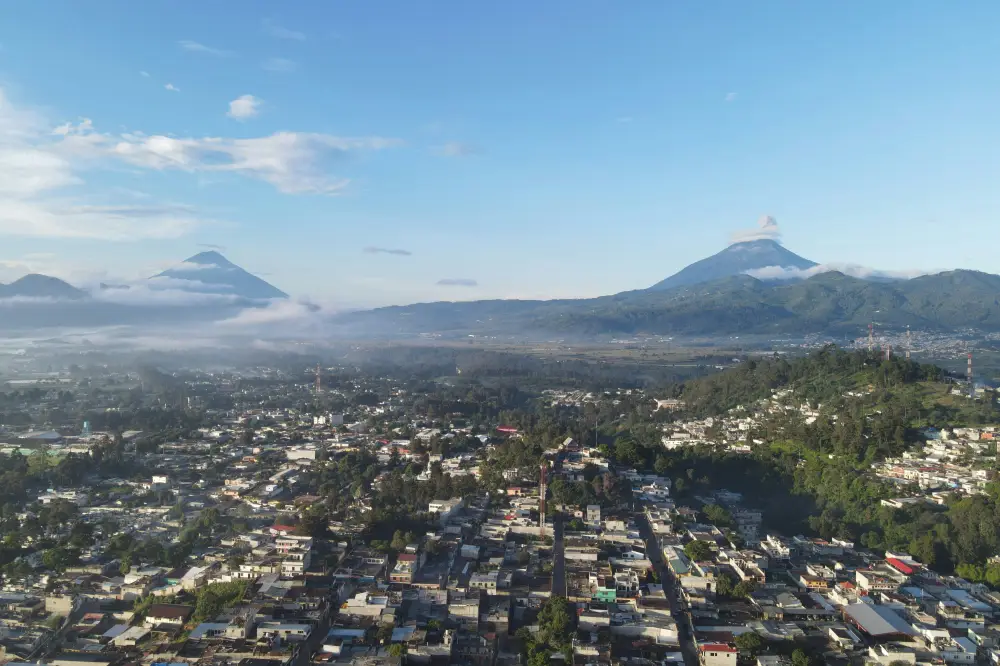
Where is it located in San Juan Sacatepéquez, Chimaltenango?
Mixco Viejo is situated in the municipality of San Martín Jilotepeque, within the department of Chimaltenango, in the central highlands of Guatemala. Its mountainous surroundings offer panoramic views that help to illustrate the geographical significance of this ancient Mayan city.
How to get there from Guatemala City
The archaeological site is situated approximately 60 kilometres from Guatemala City, so it can be visited on a day trip. The most common way to get there is by road, taking the route towards San Juan Sacatepéquez.
You have to drive several kilometres along a winding road until you cross the bridge over the River Pixcayá, where you’ll find the turn-off leading up to Mixco Viejo.
Connections to other nearby destinations
The Mixco Viejo archaeological site can easily be combined with other tourist attractions in the Guatemalan highlands. Many travellers make the most of their visit by exploring traditional towns in the region, visiting local markets or continuing on to popular destinations such as Antigua Guatemala, Lake Atitlán or the indigenous villages in the west.
- This page about archaeological sites may interest you.
History of Mixco Viejo
Set amongst deep ravines and a landscape that seems tailor-made for natural defence, Mixco Viejo bears the traces of one of the most important cities of the Mayan highlands.
Its history is not merely the story of an ancient settlement, but a testament to a people who were able to adapt to a complex environment and develop networks of power. The final outcome was that they faced one of the most decisive moments in Guatemala’s history.
Pre-Hispanic origins and the Chajoma people
Mixco Viejo is currently identified by most researchers as the ancient capital of the Chajoma Maya kingdom, one of the groups that inhabited the central highlands of Guatemala during the Postclassic period. The city reached the height of its development between the 12th and 15th centuries, in a location carefully chosen for its defensive advantages, on a narrow mountain ridge protected by deep ravines.
Thanks to its strategic location within the Guatemalan highlands, the settlement played an important political and territorial role in the region. Its fortified architecture reflects a period in Mayan history characterised by rivalry between different principalities and the need to protect the main centres of power.
Archaeological discovery and preservation
Following the Spanish conquest in 1525, the city was abandoned and remained hidden for centuries amongst the vegetation and mountains of Chimaltenango. It was not until the late 19th century that researchers began to document its ruins and study its true historical significance.
During the 20th century, archaeological excavations and restoration work were carried out, enabling much of the ancient town centre to be recovered. Thanks to these efforts, it is now possible to walk around the site and appreciate part of its original layout.
- This page about Takalik Abaj may interest you.
What to see in Mixco Viejo
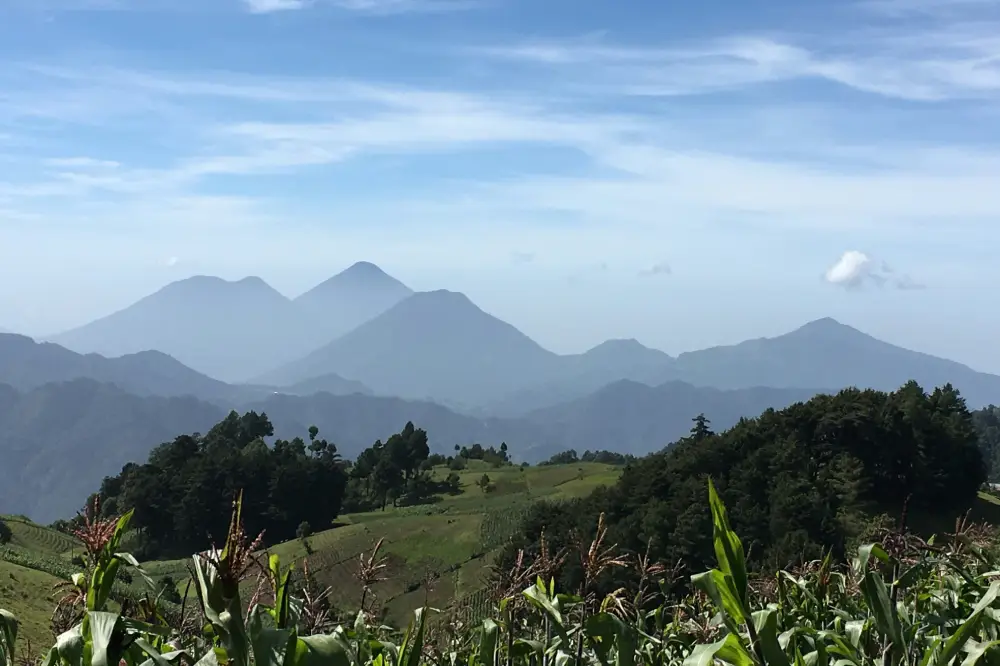
To explore Mixco Viejo is to step into a town that still bears the marks of its Mayan past, nestled amongst mountains and ravines. Its buildings, squares and viewpoints offer an insight into what life was like in this fortified settlement, where the architecture was adapted to the landscape.
Pyramids and major structures
One of the main attractions of Mixco Viejo is its pyramidal temples and ceremonial platforms, built from local stone on natural elevations in the landscape. These structures were linked to religious, ceremonial and political activities that formed part of the city’s public life.
Among the most recognisable features are the so-called twin pyramids, whose commanding position over the landscape allows visitors to appreciate both the urban layout of the settlement and the strategic importance of its location. These vantage points also offer some of the best views of the archaeological complex and the ravines that surround it.
Ceremonial squares and civic buildings
The archaeological site features several squares surrounded by temples, altars and administrative buildings, which formed the heart of public life in the city. These spaces were used for meetings, religious celebrations, commercial activities and political events that brought the population together.
Remains of palaces and buildings used by local authorities can also be seen, providing a better understanding of the social and governmental organisation of the ancient inhabitants of Mixco Viejo.
Viewpoints and views of the high plateau
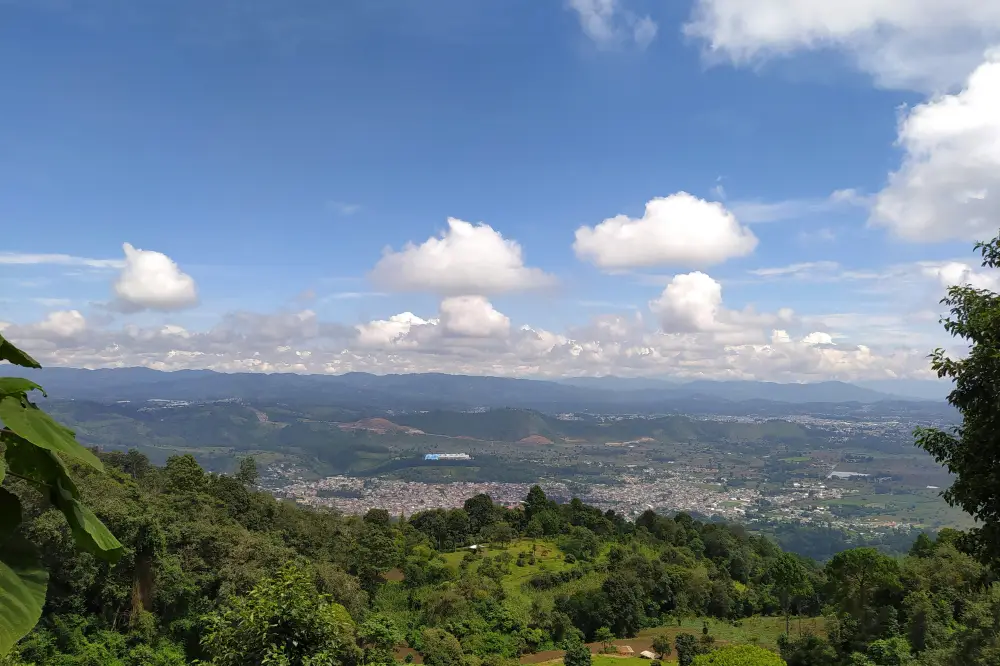
From various points within the complex, visitors can admire the deep ravines that once protected the city, as well as sweeping views of the mountains and valleys of the central highlands. These natural vantage points help visitors understand why the Maya chose this site as a strategic settlement and offer an experience that combines archaeology and nature.
Artefacts and archaeological remains
Archaeological excavations carried out at Mixco Viejo have led to the recovery of numerous objects relating to the daily and ceremonial life of its inhabitants. Among the most notable finds are pottery shards, stone tools, ornamental objects and various materials used in domestic and ritual activities.
These discoveries have contributed to a better understanding of the social organisation, religious practices and economic activities that took place in the city during the Postclassic period. Furthermore, they have made it possible to reconstruct key aspects of the material culture of the ancient inhabitants of the Guatemalan highlands.
- This page about El Mirador may interest you.
Things to do in Mixco Viejo
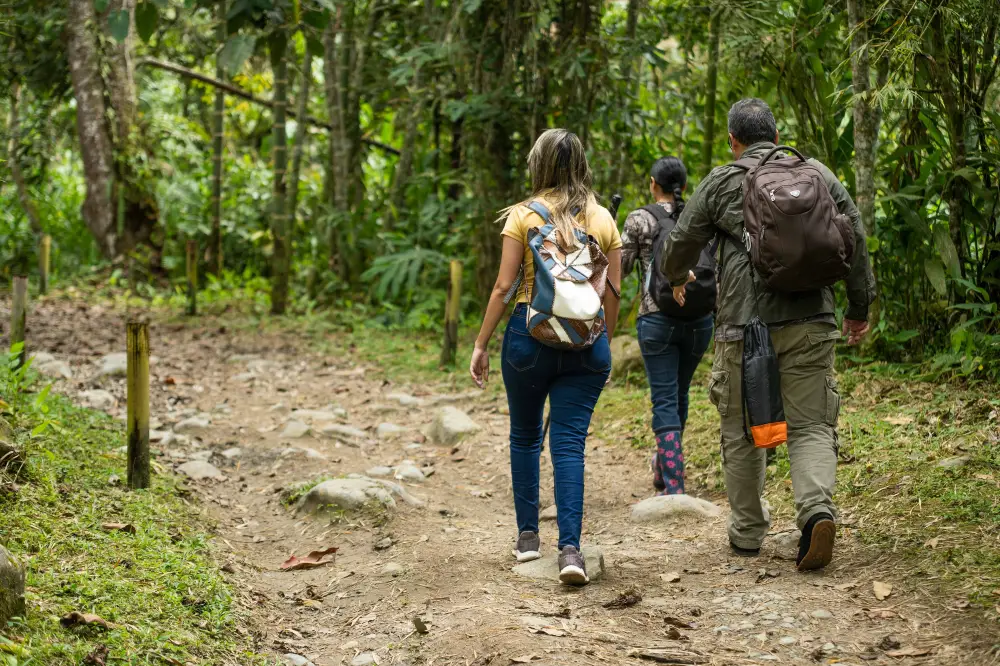
Wandering through Mixco Viejo, along its paths and with the mountains as your backdrop, is the best way to experience first-hand how a fortified Mayan city functioned. History, nature and culture all in one walk.
Guided tours of the archaeological site
One of the best ways to explore Mixco Viejo is on a guided tour, where you’ll learn about the various architectural complexes, the significance of the ceremonial plazas and the purpose of the temples and palaces.
These guides usually provide context on Chajoma culture, the city’s defensive system and its importance during the Postclassic period. This gives visitors a much better understanding of what they are seeing beyond the ruins.
Hiking and exploring the ruins
A visit to Mixco Viejo can also be complemented by exploring the cultural traditions that still form part of the identity of the Guatemalan highlands. In many communities across the region, cultural expressions of Mayan origin remain alive and well, evident in the crafts, cuisine, local festivals and indigenous languages still spoken in various municipalities.
This contact with living heritage provides a better understanding of the historical continuity between the ancient pre-Hispanic civilisations and the communities that currently inhabit these lands.
Among the most visible cultural expressions of the Guatemalan highlands are traditional hand-woven textiles, local markets and the preservation of various Mayan languages. These continue to form part of the cultural identity of numerous communities in the region.
Transport and safety recommendations
- It is recommended that you use your own vehicle or organised transport from Guatemala City, as the final stretch of the journey involves rural roads.
- Wear comfortable footwear, preferably with non-slip soles, and suitable clothing.
- It is important to have water and sun cream to hand.
- Don’t forget your camera! You’ll definitely want to capture some of the scenery.
- Please follow the instructions given by the archaeological park staff at all times.
Other nearby archaeological sites
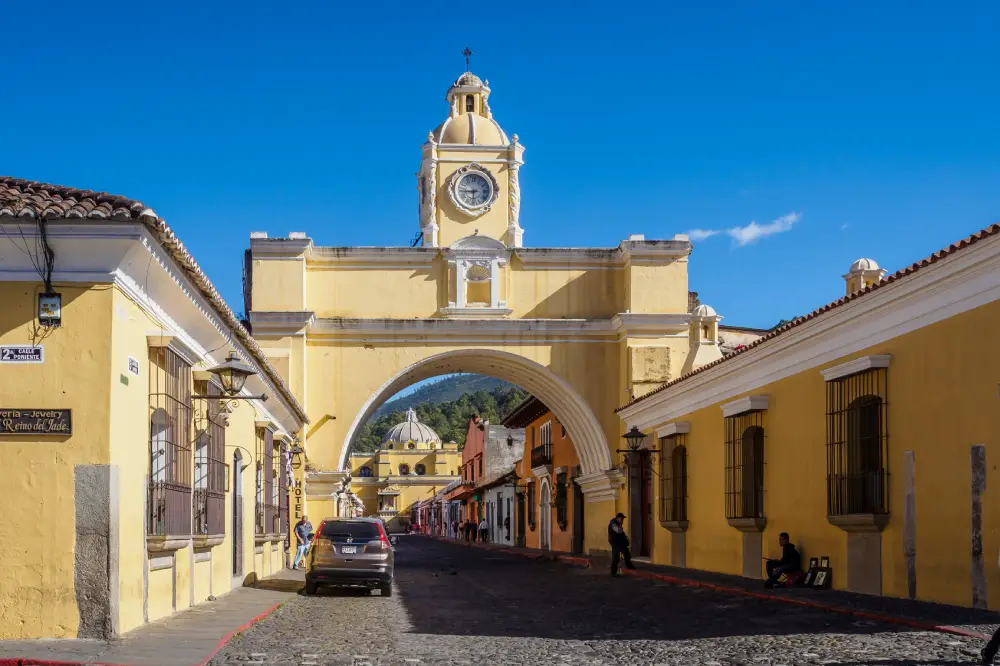
Although Mixco Viejo is the main archaeological site open to visitors in this part of Chimaltenango, many travellers take the opportunity to explore other historical and cultural destinations in the Guatemalan highlands whilst on this trip.
These include Antigua Guatemala, which has been designated a UNESCO World Heritage Site, as well as various traditional towns where cultural traditions linked to the country’s Mayan and colonial roots are still preserved.
The combination of archaeological heritage, mountainous landscapes and living traditions makes this region an excellent choice for those wishing to delve deeper into Guatemala’s history and cultural diversity.
- This page about Quiriguá may interest you.
Frequently Asked Questions about Mixco Viejo
What sort of travellers is Mixco Viejo recommended for?
Mixco Viejo is ideal for travellers interested in history, archaeology and Mayan culture. If you appreciate archaeological sites with historical context, this is the perfect destination for you. We encourage you to learn about the daily, religious and military life of the ancient Chajoma as you walk through this archaeological site.
When is the best time to visit Mixco Viejo?
The best time to visit Mixco Viejo is during the dry season, between November and April, when the footpaths are in better condition and the views of the landscape are clearer.
During the rainy season (May to October), the site remains accessible, but the ground can become slippery and the vegetation denser, making exploration a little more difficult. It is therefore advisable to plan your visit for clear days to make the most of the walk and the views of the natural surroundings.