Laguna Brava in Huehuetenango is one of the most stunning natural landscapes in western Guatemala. It is one of those places that seem far removed from everything else, imbued with a sense of mysticism thanks to its setting amongst mountains, rocky cliffs and the intense turquoise colour of its waters. It is easy to see why it is one of the most photographed landscapes in the department.
This body of water, also known as Yolnabaj, has become one of the most sought-after destinations for those wishing to discover a different side to Huehuetenango and a setting of pure tranquillity and complete disconnection.
What is Laguna Brava?
Characteristics of the lagoon in Huehuetenango
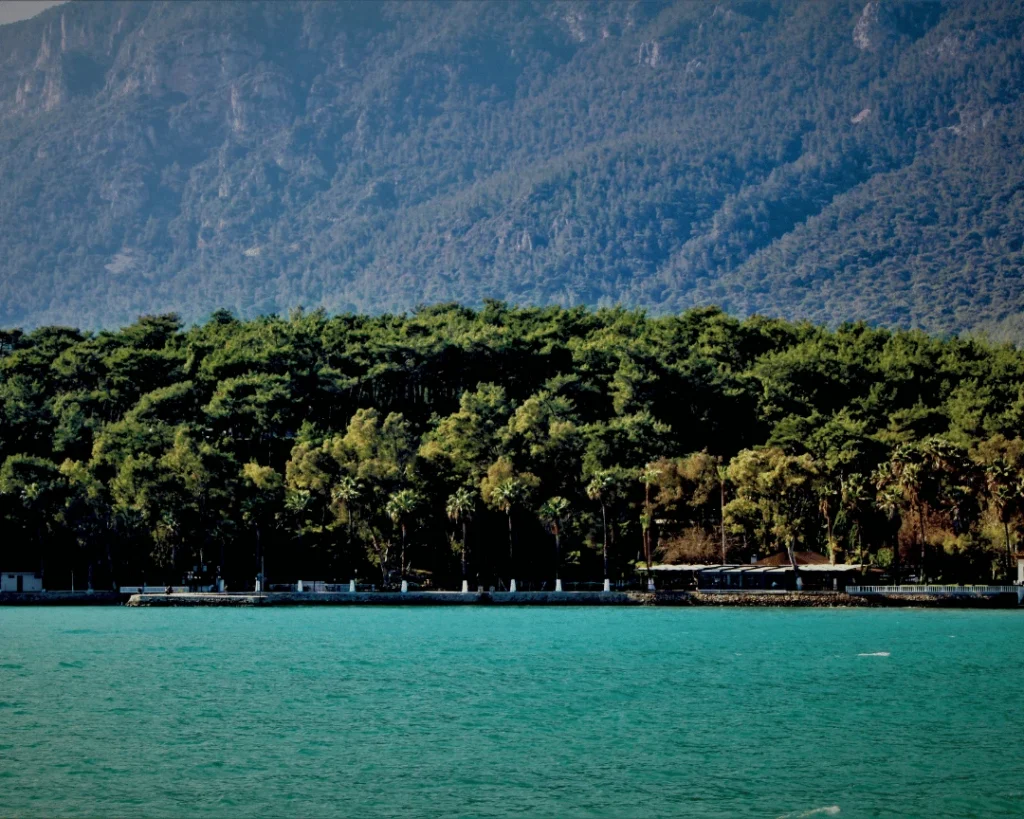
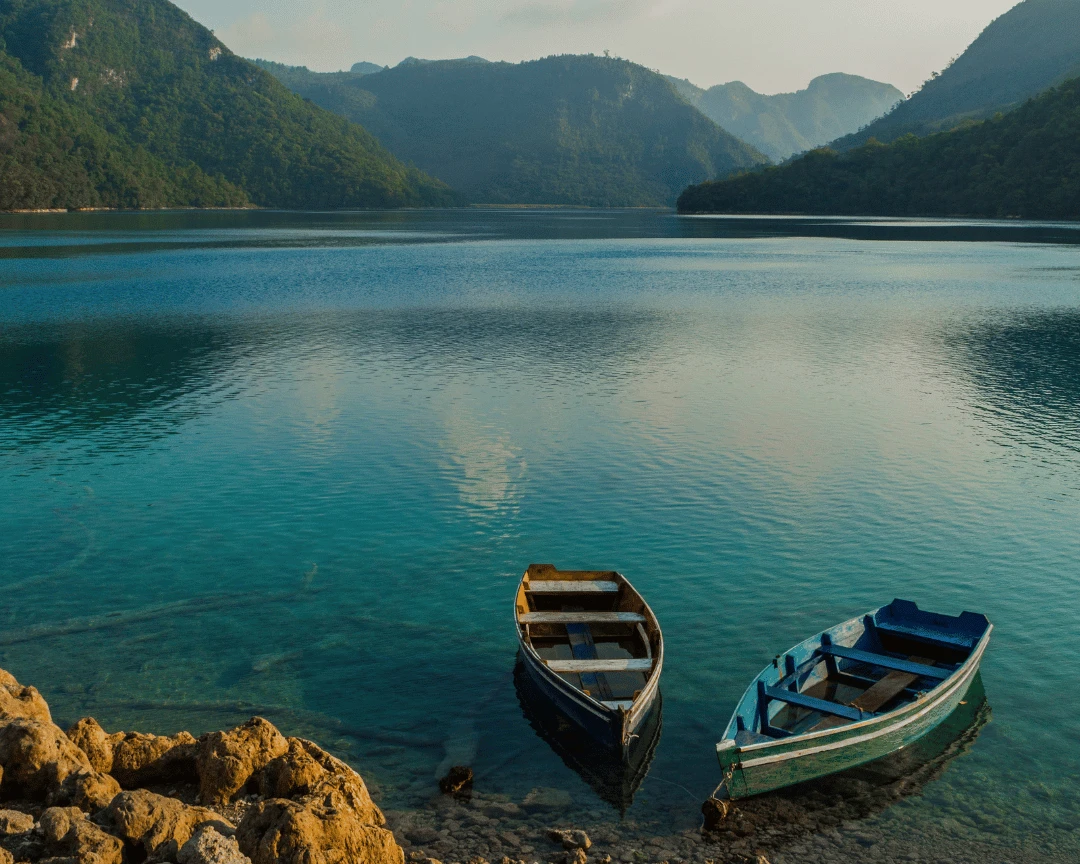
Laguna Brava, one of the largest lakes in Guatemala, is a mountain lake situated in the far north of the department. It is renowned for its stunning colours, which shift between deep blue and emerald green.
Rising up around the lagoon are steep mountains covered in dense vegetation and small wooded areas that contrast with the colour of the water. Add to this the thick mist that sometimes rolls in, and you have a magical atmosphere that makes a visit here all the more special.

Furthermore, the tranquillity of the area and the scarcity of buildings help to preserve its natural character. Its climate is warmer than that of the department’s high peaks due to its lower altitude.
Geographical origin and natural formation
Laguna Brava forms part of a karst system, a type of landscape created by the gradual dissolution of limestone over thousands of years. This process has given rise to natural formations characteristic of the region, such as caves, depressions and cenotes.
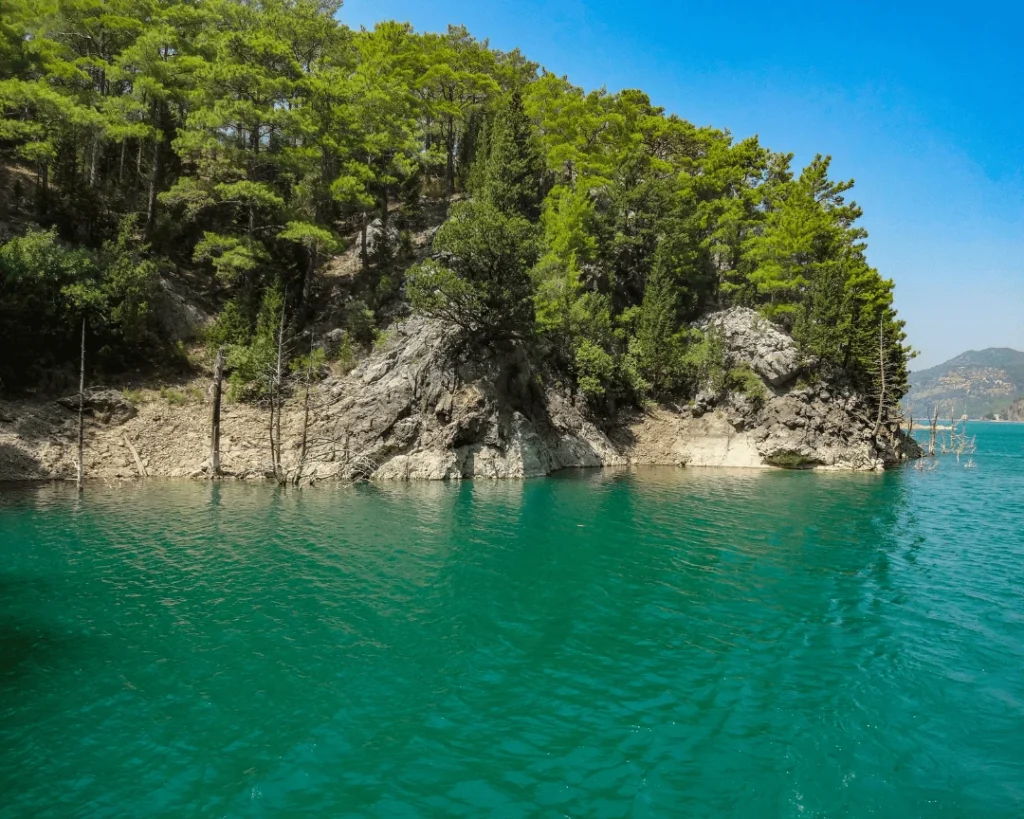
The lagoon is fed mainly by underground rivers and pure springs. Its geology ensures that the water remains exceptionally clear, free from dark sediment.
Why it is a leading ecotourism destination
Every year, Laguna Brava in Huehuetenango attracts travellers interested in hiking and responsible tourism. However, its remote location in a sparsely developed area has meant that this ecosystem has remained protected from mass tourism.
Furthermore, the local management measures implemented in the area have helped to protect a large part of the natural features that make this place so special. It is a fine example of rural sustainability.
Location of Laguna Brava
Where is it in Nentón, Huehuetenango?
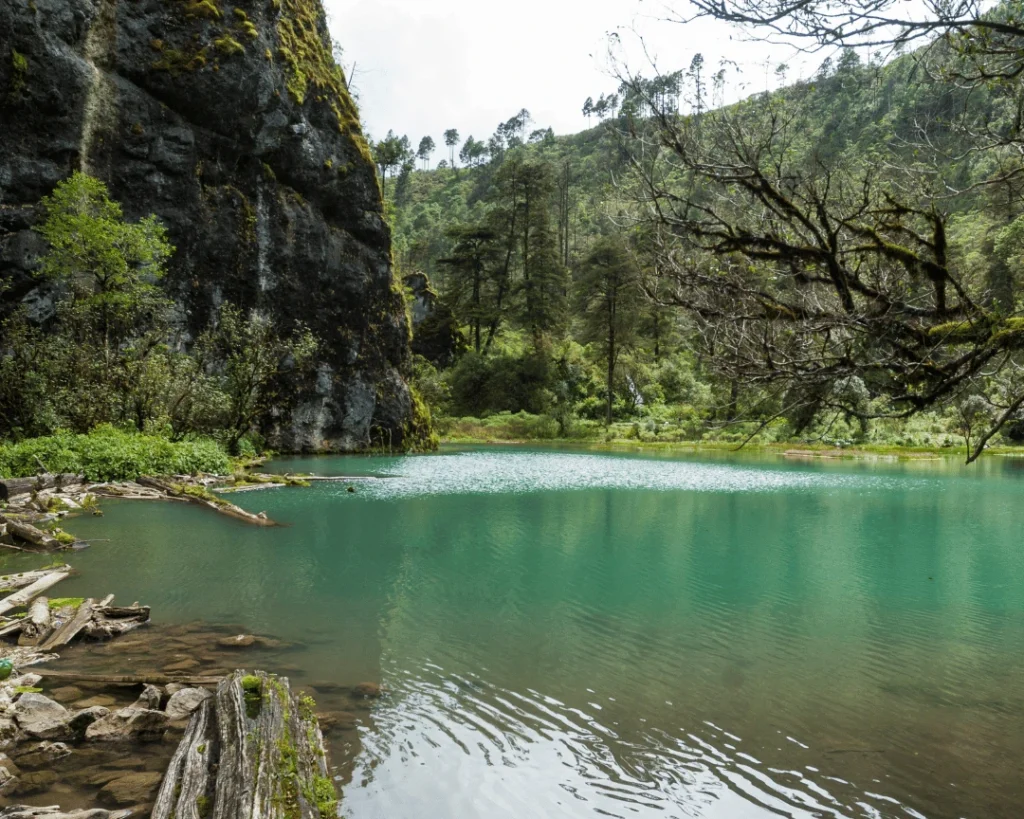
Laguna Brava is situated in a relatively remote location (which is part of its appeal) in the municipality of Nentón, in the department of Huehuetenango. It is situated in a mountainous area near the border between Guatemala and Mexico, within a region characterised by forests, rocky outcrops and karst formations.
How to get there from Huehuetenango
If you’re wondering how to get to Laguna Brava in Huehuetenango, the most common route starts in the city of Huehuetenango and continues towards Nentón by road. From the departmental capital, the initial stretch of the journey passes through Camoja and La Mesilla, following tarmac roads with sharp bends.
From there, the route usually follows country lanes that pass through villages and natural areas. The final stretch is along rough dirt tracks, which absolutely require a 4x4 vehicle. The entire journey can take between 3 and 4 hours.
Recommended access points and routes for your visit
Many visitors choose to spend a whole day on the excursion because of the distances involved and the nature of the terrain. There are mainly two public routes leading to the lagoon: one via the village of El Aguacate and the other via San José Frontera. The first is the most popular and involves a downhill walk through the forest.
History and culture of Laguna Brava
Significance for local communities
Laguna Brava forms part of an area where communities have maintained a close relationship with the natural environment for generations. For the inhabitants of the region’s Mayan ethnic groups, this body of water holds immeasurable ancestral sacred significance.
The lagoon is a source of pride for a community that has managed to maintain communal ownership of its natural resources: its protection is a symbol of cultural resilience and community organisation.
Traditions and legends associated with the lagoon
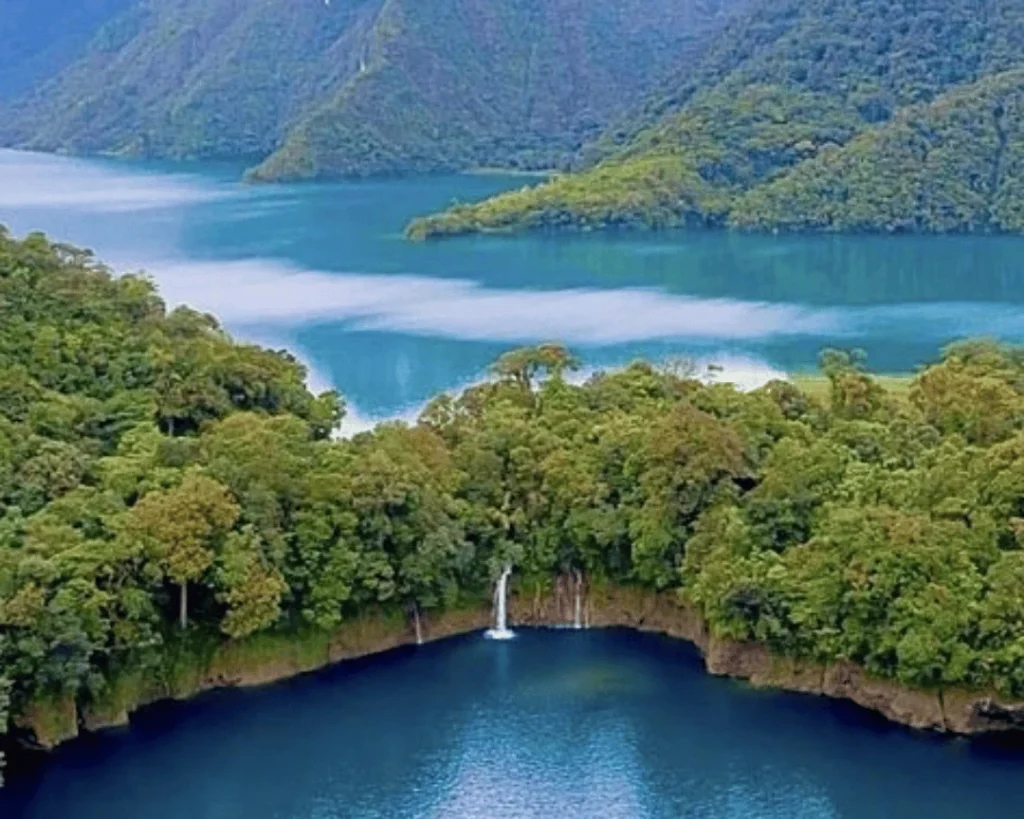
As is the case with many of Guatemala’s natural landscapes, Laguna Brava has given rise to various tales passed down through the generations.
The village elders say that the name ‘Brava’ comes from the sound of the strong winds that churn the waters at times. There are also tales of mysterious sounds emanating from the depths of the lake when the mist completely shrouds the valley.
Cultural and environmental significance
As well as its scenic appeal, Laguna Brava is of significant environmental value to the region. The conservation of its ecosystems helps to protect natural habitats and maintain the ecological balance of this area in the north of Huehuetenango. This is essential for ensuring a supply of clean water to the entire Nentón region.
Culturally, the management of community-based tourism has strengthened the identity of the local indigenous communities in this border region.
Things to do at Laguna Brava
Boat trips and water sports
One of the most popular activities is exploring the lagoon in traditional wooden boats. From the water, you can get a better view of the rock formations that surround the landscape and observe how the colour of the water’s surface changes depending on the light.
Swimming is permitted in specific authorised areas, so why not take the opportunity to have a dip after your walk – the water temperature is very pleasant.
Hiking and exploring the surrounding area
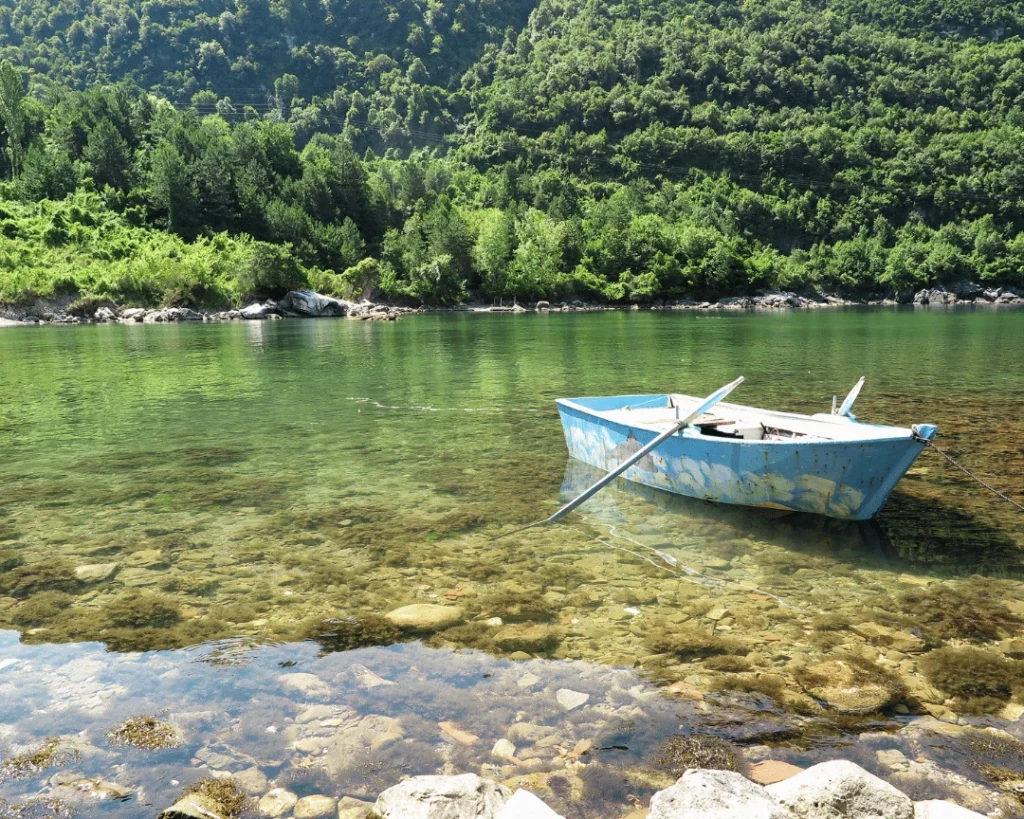
A walk around the area allows you to admire the lagoon from different angles and discover some of the contrasts that characterise the landscape of Nentón. The footpaths wind through wooded areas and take you to spots offering the best panoramic views of the lagoon.
These walking trails will take you on a journey of discovery to hidden cenotes, popularly known as ‘Los Cenotes de Yolnabaj’. Hiking boots are essential here.
Birdwatching and observing local wildlife
The ecosystems surrounding the lagoon are home to an impressive variety of tropical and high-altitude birds. The best time for birdwatching is in the early hours of the morning, when nature awakens in complete tranquillity, free from human presence.
With patience and silence, you can hear the song of endemic birds, spot agoutis or armadillos, and catch sight of mammals such as wild pigs as they come to the water’s edge to drink.
Landscape and nature photography
Laguna Brava is one of the most photogenic spots in Huehuetenango. The hues of the water, the contrasts between the vegetation and the rocky cliffs, as well as the changing light throughout the day and the boats bobbing on the water, are every photographer’s dream.
- This page about natural wonders in Guatemala may interest you.
What to see at Laguna Brava
Viewpoints and panoramic views
The area around the lagoon features various vantage points from which to take in the whole scene. Along the path leading down, there are strategic spots that serve as perfect natural viewing points. From these heights, you can appreciate the lake’s monumental scale and the contrast between its colours and the green jungle.
Surrounding vegetation and ecosystems
The landscape surrounding Laguna Brava combines wooded areas, vegetation adapted to the karst terrain and open spaces. On your walk, you’ll see plenty of moss-covered trees, wild orchids and giant ferns.
Areas where you can relax and enjoy the surroundings
Aside from outdoor activities, Laguna Brava is the perfect place to unwind and enjoy the tranquillity of the landscape from its shores. It’s impossible not to relax as you listen to the lapping of the waves whilst sitting on the jetty with your feet in the water.
Best time to visit Laguna Brava
Climate throughout the year
The region’s climate varies between the dry season and the rainy season. Temperatures are generally pleasant for much of the year, although conditions can change rapidly due to the altitude and the terrain.
The climate in this region of Nentón is temperate and noticeably warmer and more humid than in the rest of Huehuetenango. The days are usually sunny, whilst the nights are pleasantly cool.
Dry season and rainy season
The dry season, from November to April, is the best time to enjoy clear days and safer driving conditions. During these months, the access roads are usually in better condition and the panoramic views are better.
During the rainy season, the vegetation takes on more intense colours, but the mud can make walking along the footpaths difficult.
Ideal conditions for exploring the lagoon
Many people prefer to explore Laguna Brava during the driest months of the year. It’s also a good idea to start your activities early to make the most of the best light and enjoy the scenery in peace and quiet. It’s the perfect time for rafting.
Tips for visiting Laguna Brava
What to bring on your visit
For the walk down, make sure you take enough water, sun cream, comfortable clothing and, above all, suitable footwear for walking on uneven ground. It’s always a good idea to pack a warm jumper, as the weather can change during the day. And don’t forget your swimming costume!
Safety recommendations
Before setting off on your trip, check the condition of the access routes, ensure your 4x4 is in good working order and follow the instructions issued by the local authorities responsible for managing the area. For your own safety, do not attempt to swim in deep or unfamiliar parts of the lagoon without wearing a suitable life jacket.
How to make the most of the experience
A great way to get to know Laguna Brava is to spend time both out on the water and exploring the surrounding area. Take the time to chat with your guides to understand the challenges they face in their active forest conservation work. It’s a brilliant way to learn about the place. And the best way to enjoy the trip? By trying to switch off as much as possible.
What to see near Laguna Brava
Nentón and its communities
The municipality of Nentón offers visitors the chance to experience the everyday life of the communities living in this region.
Exploring its roads will give you a glimpse of the laid-back way of life in a region that borders directly with Mexico. The cultural mix of the border region is evident in everyday customs and in the local music of the area.
Cuchumatanes Mountains
To reach Nentón, the main route takes you through the Sierra de los Cuchumatanes, one of the great natural landmarks of western Guatemala. Its mountains, high plateaus and panoramic views allow you to continue exploring some of the department’s most distinctive landscapes.
Other lakes and rivers in Huehuetenango
The region boasts nearby natural water features of great scenic value, such as the spectacular Hoyo del Cimarrón, a monumental dry cenote. You can also explore the course of the River Lagartero, whose crystal-clear waters form pools that are perfect for relaxing in the tropical sun.
We mustn’t forget the Candelaria Cenotes, another of Huehuetenango’s best-known natural sites.
Indigenous peoples and cultural routes
The area around Huehuetenango offers visitors the chance to discover communities of the Chuj and Akateka ethnic groups, who have preserved their indigenous Mayan languages and traditional dress.
These visits offer a different and complementary perspective on the region’s natural attractions. Why not explore the small local markets to witness the trade in fresh agricultural produce and beautiful hand-woven crafts?
Is Laguna Brava worth a visit?
What makes this lagoon unique?
What makes Laguna Brava special is not just the colour of its waters. It is also the feeling of being in a secluded corner of Huehuetenango, surrounded by mountains and nature, far from the country’s busiest routes. Not to mention the peace of mind that the setting brings.
Who is this visit recommended for?
This paradise in Nentón is particularly appealing to hikers, backpackers, photographers and anyone interested in nature watching and ecotourism experiences. It may also appeal to travellers seeking less crowded places off the beaten track.
How to include it in an itinerary around Huehuetenango
Laguna Brava can form part of a wider itinerary through the north of the department. To explore this gem at a leisurely pace, allow at least two full days. You can make a stopover in the municipality of Nentón once you’ve worked out how to get to Laguna Brava from Huehuetenango.
- We invite you to read our article about Laguna de Calderas.
Frequently Asked Questions about Laguna Brava
Where is Laguna Brava located in Huehuetenango?
Laguna Brava is situated in the municipality of Nentón, in the department of Huehuetenango, near the border between Guatemala and Mexico.
How do you get to Laguna Brava from Huehuetenango?
The most common route starts in the town of Huehuetenango and continues by road towards Nentón. From there, the lagoon can be reached via country lanes that pass through natural areas and local communities.
What activities are there to do at Laguna Brava?
Some of the most popular activities include trips on traditional boats, hiking, landscape photography, birdwatching and exploring the surrounding area.
When is the best time to visit Laguna Brava?
The dry season usually offers better conditions for accessing the lagoon and enjoying the panoramic views of the surrounding area.