Almolonga is one of those villages that shows you the Guatemalan highlands in all its raw beauty: large-scale farming, streets bustling with local life, markets brimming with vegetables, and a rural landscape that speaks for itself. It’s not a sightseeing trip; it’s a trip to soak up the atmosphere. And that’s why it works so well if you’re in Quetzaltenango (Xela) and want to get out of the city for a while to see another side of the region.
In this guide, we’ll tell you what to see and do in Almolonga, Guatemala, the best time to visit depending on the weather in Almolonga, how to fit it into an itinerary around Quetzaltenango, and what plan makes sense to ensure your visit is both comfortable and authentic.
Where is Almolonga, and why is this village so well known in the Guatemalan highlands?
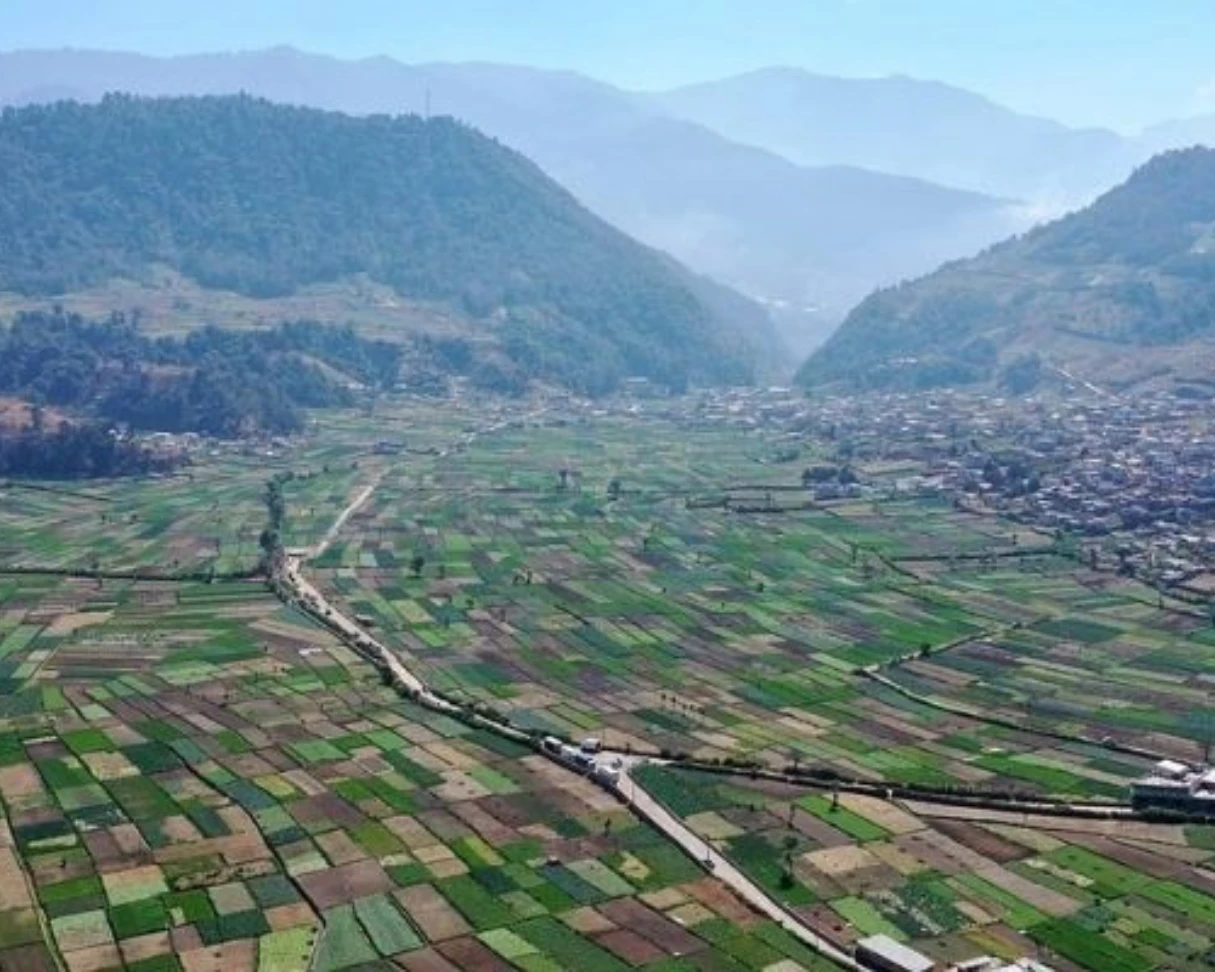
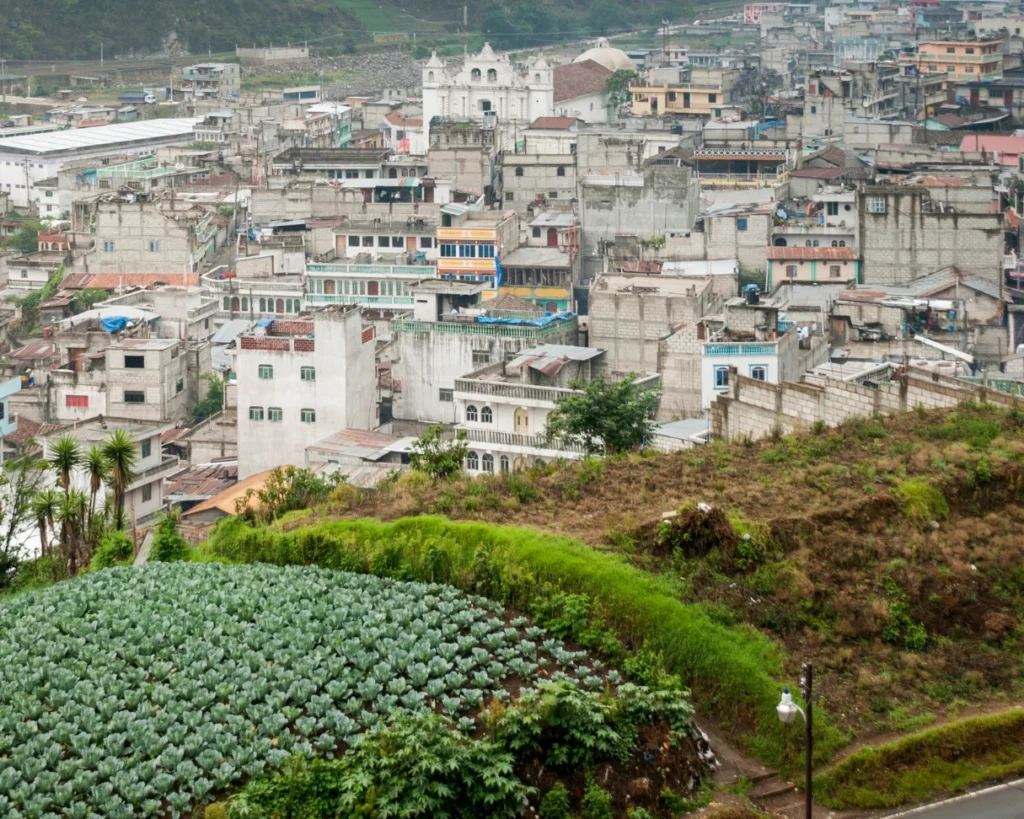
Almolonga is very close to Quetzaltenango (Xela), in the western highlands. Its fame stems from something very specific: it's a deeply agricultural village, known for its vegetable production and for a landscape of crops that defines the identity of the place. Here, the countryside is not merely a “pretty backdrop”; it's the centre of life.
You can tell as soon as you arrive. You’ll see lorries laden with produce, stalls selling fresh vegetables, the hustle and bustle of the market, and a daily rhythm centred around the land. That’s why it’s best to visit Almolonga with a simple mindset: to observe, take a stroll, try some local food, and get a feel for life in a village where farming sets the pace.


Is Almolonga worth a visit? What do travellers think?
Yes, Almolonga is well worth a visit if you’re interested in local life and fancy a change of pace from Xela. Many travellers enjoy it because it’s an easy day trip (it doesn’t take a whole day) and because it offers a very authentic experience: the market, the streets, the farmland and that lively village atmosphere.
What people tend to enjoy most is the feeling of being in a place with a strong sense of identity, without any contrived ‘tourist attractions’. It’s important to realise that a visit here isn’t about ticking boxes, but about taking things at a leisurely pace: visiting the market, going for a walk, looking out over the fields and getting a feel for the surroundings. If you go with that in mind, Almolonga is the perfect fit.
What sort of traveller would you recommend a visit to Almolonga for?
Almolonga is particularly well suited to travellers who are curious about everyday life, the rural landscape and experiences that feel authentic. It’s a getaway that doesn’t rely on ‘attractions’ as such, but rather on what you see and understand as you stroll at a leisurely pace: a bustling farming village, a market that’s part of the daily rhythm, and farmland that explains why this part of the highlands is so productive. If you like to travel by observing how people live, you’ll find plenty here.
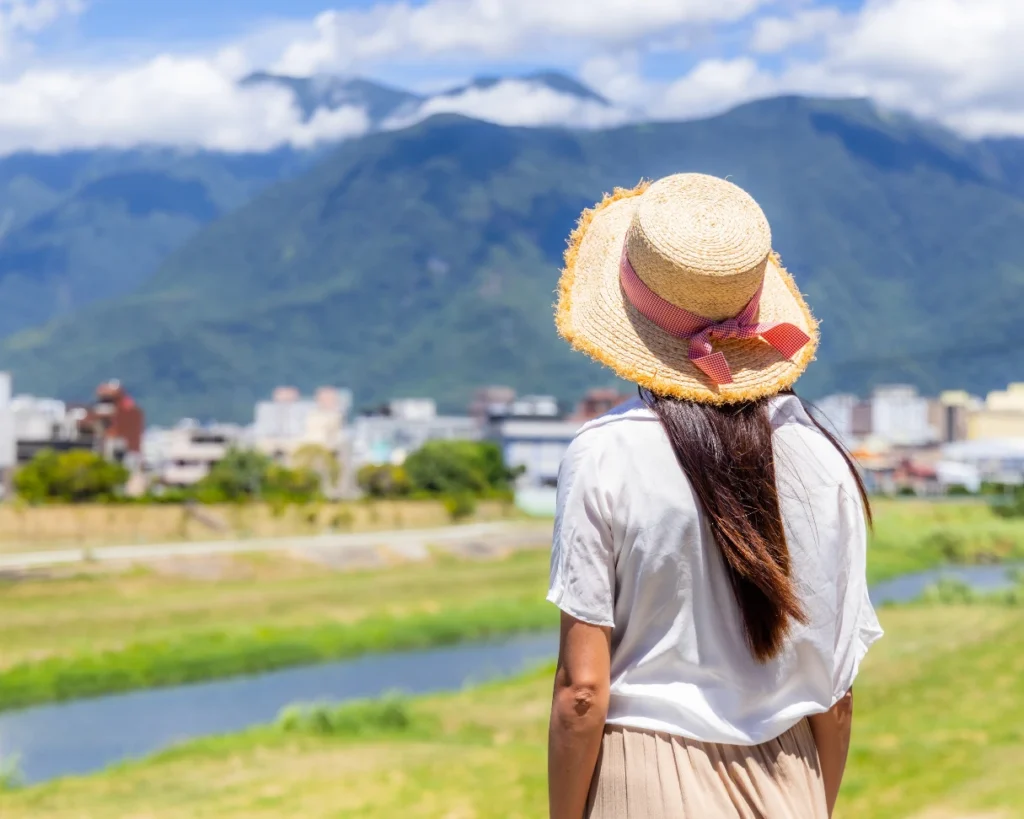
Almolonga for travellers looking for local life, markets and rural scenery
If you like markets, simple shopping (fruit, veg, local produce) and watching how a town goes about its business on a normal day, Almolonga is the place for you. It’s a very rewarding visit because it gives you direct contact with daily life and the agricultural culture of the highlands: bustling stalls, constant activity, local chatter and that feeling that you’re seeing a place that functions on its own, without the need for a tourist ‘stunt’. What’s more, the scenery is stunning: venturing a little way out of the centre to see the fields helps you realise that the market isn’t just a postcard image; it’s the natural outcome of a region that lives off the land.
Almolonga: For those who want to discover another side of Quetzaltenango beyond Xela
If you’re spending a few days in Xela, Almolonga is the perfect way to get out of the city without travelling too far. You can change the pace, see a different landscape and return feeling like you’ve gained a better understanding of the region. It’s a visit that fits in perfectly as a gentle morning or afternoon break between more intense activities, and it combines brilliantly with other local excursions (volcanoes, viewpoints or nearby villages). That’s why it usually works so well as a complement to a tour of Quetzaltenango: it gives you a taste of the real highlands, in their everyday form.
Almolonga might not be the best place to stop if you’re looking for major landmarks or a very touristy getaway
If your idea of a day out is seeing grand monuments, museums or iconic landmarks designed for a quick visit, Almolonga might feel a bit more low-key. Here, the appeal lies in the atmosphere, the market and the rural landscape: observing, walking, gazing out over the fields, getting a feel for the village’s rhythm and enjoying a leisurely day out. If you fancy a more ‘picture-postcard’ or highly structured experience, you might prefer other stops in the region; if what you’re looking for is authenticity and local life, Almolonga is the perfect fit.
- We invite you to read our article about the Chichicastenango Market.
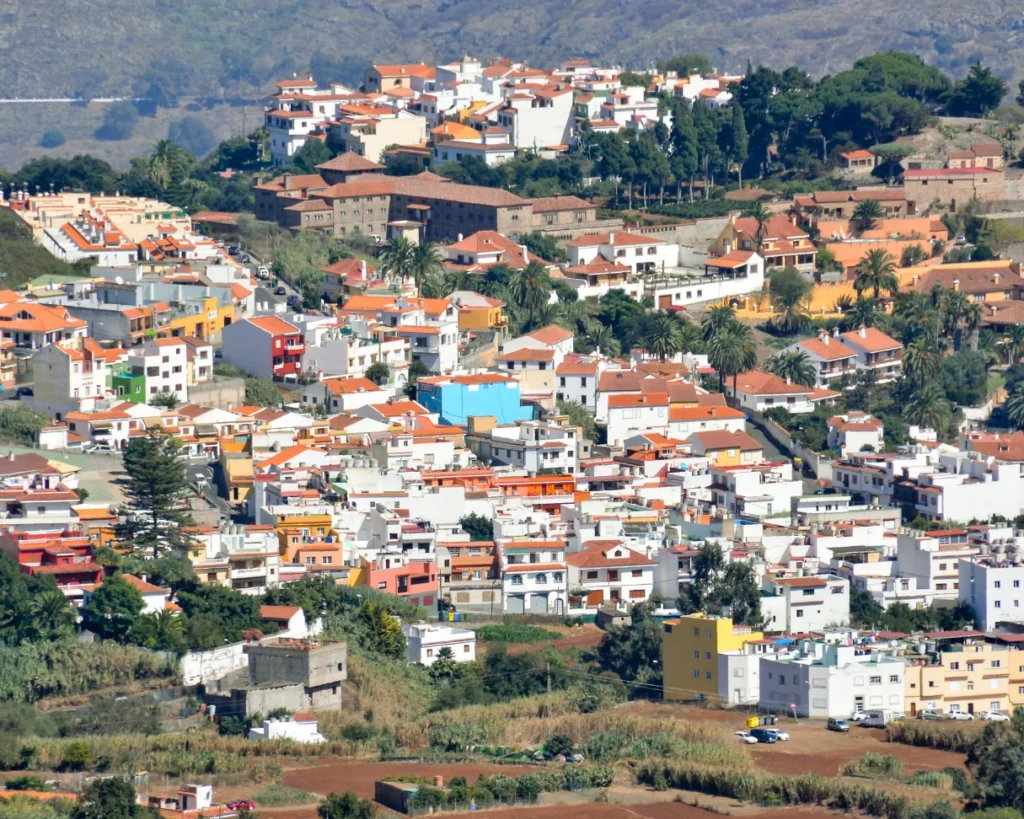
What you shouldn’t miss on your visit to Almolonga
The best way to visit Almolonga is to plan your trip around three key elements: the market and the streets, the agricultural landscape, and a nearby spot to round off the morning or afternoon. This way, the visit feels complete, because you don’t just experience the ‘village’ or the ‘countryside’ in isolation, but the relationship between the two, which is what truly defines the place.
Start with the market and the town centre to get a feel for the local atmosphere: the stalls, the hustle and bustle, the chatter, and that everyday rhythm that makes Almolonga feel so authentic. Then, head out into the surrounding farmland to take in the vegetable fields and understand why this village is so well known in the highlands. And if you have time, add a spot further afield (a scenic stretch or a vantage point) to see Almolonga from the outside, with the valley and the crops as a backdrop. In that order, everything falls into place and you can enjoy the visit at a leisurely pace.
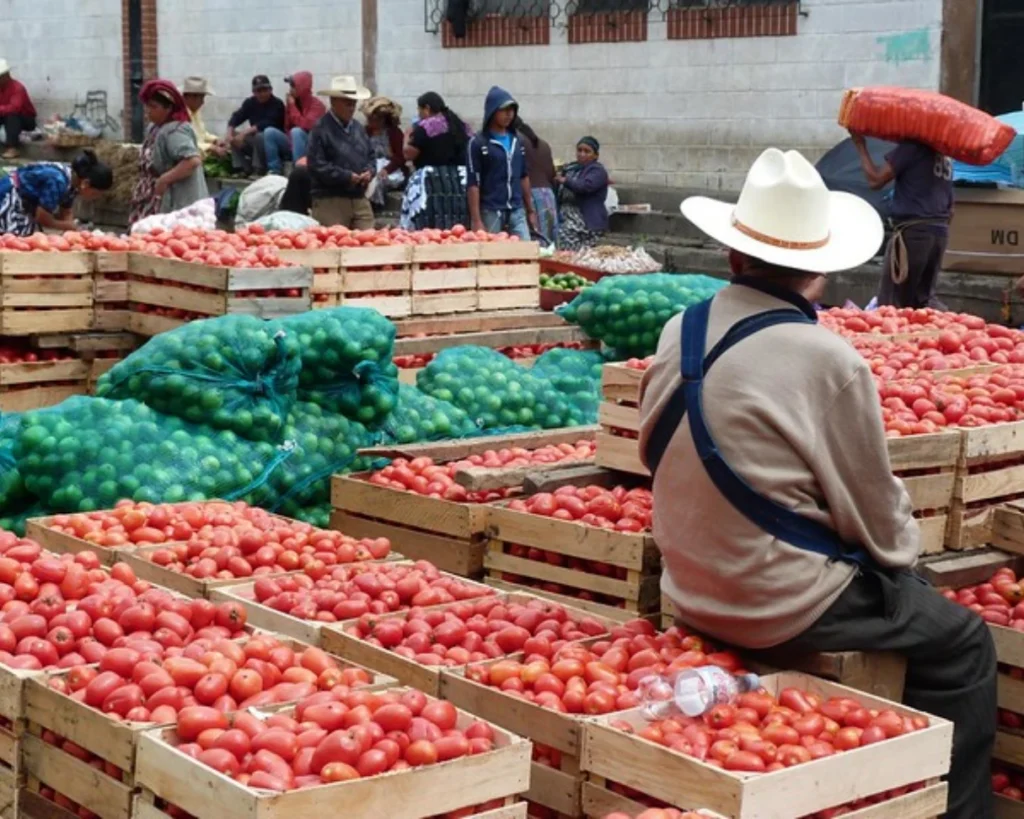
Markets, streets and everyday life in one of the most agricultural villages in the area
The market (and the market area) is the heart of Almolonga. It’s where the town’s character really comes to life: bustling stalls, vibrant colours, lively chatter, a sense of community, and a constant buzz that feels truly local. Even if you don’t buy anything, simply walking around here puts you right in the heart of the place.
Here’s a tip that really works: take a quick look around to get your bearings, then go back to the area that interests you most at your own pace. That way, the visit won’t feel chaotic and you’ll enjoy the atmosphere more.

Farmland, vegetable fields and the rural character of Almolonga
The agricultural landscape is an essential part of the visit. You really get a feel for Almolonga by looking at its surroundings: hillsides covered in crops, small plots of land, country lanes and that sense of a productive highland region. If you fancy it, you can take a short walk through the outskirts or to nearby natural viewpoints to see the patchwork of fields from above.
This is what makes Almolonga a worthwhile stop on any route: it’s not just the market, it’s the whole area.
Viewpoints and surrounding areas to round off your visit
If you want to round off the day, the best thing to do is to add a nearby spot: a natural viewpoint, a scenic area or a quick stop that gives you a different perspective on Almolonga. It doesn’t have to be a long trip; sometimes, a stretch of scenic road and a well-chosen stop are enough to make you feel the contrast between the village and its surroundings.
If you’re planning a route in the area, it’s also a great idea to combine a visit to Almolonga with what to see and do at Cerro Quemado or what to see and do at the Santiaguito Volcano in Guatemala, depending on the kind of natural scenery you’re after.
The weather in Almolonga: When to go and what to expect
An important part of the trip is understanding the weather in Almolonga. You’re in the highlands: the temperature can vary quite a bit depending on the time of day, and the weather affects how much you’ll enjoy your stroll through the market and the countryside.
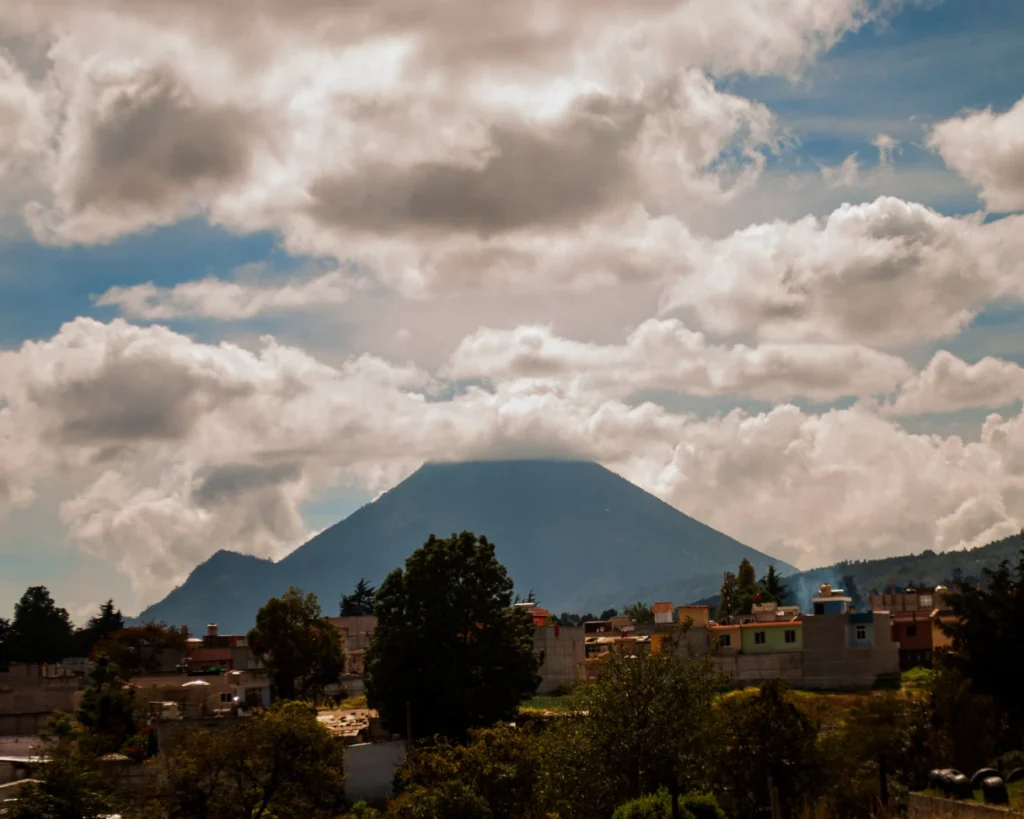
How the weather changes in Almolonga depending on the time of year
Generally speaking, the highlands have a distinct pattern: drier periods with pleasant days and rainy periods with more unsettled afternoons. This doesn’t mean you shouldn’t go; it just means planning your day sensibly: set off early, allow plenty of time, and take a light jacket in case the weather changes.
Drier months, rainy months and the best time to stroll through the village
When the weather is more settled, it’s more pleasant to wander around and take in the scenery with good visibility. During the rainy season, the surroundings can be particularly lush, but you should expect showers and wetter paths.
In both cases, the best time of day is usually the morning: there’s more energy in the market and the walk feels lighter.
What to wear depending on the weather in Almolonga and the altitude
Get it right without overcomplicating things:
- lightweight walking clothes,
- a light jacket in case it gets chilly,
- comfortable footwear (preferably with a non-slip sole),
- wear a hat if you're going to be out in the sun,
- and a lightweight rain jacket if the weather is changeable.
This is particularly useful if you’re combining a visit to Almolonga with a trip to Xela or to any of the viewpoints, as the weather can feel quite different from one place to another.
Almolonga as part of a tour of Quetzaltenango
Almolonga fits perfectly into a tour of Quetzaltenango because it offers a short getaway that’s a world away from city life. It offers a change of scenery without leaving the area: you go from cafés, squares and city life to a farmers’ market, village streets and farmland in a matter of minutes. And on a trip through the highlands, that’s much appreciated because it helps you understand the region as a whole, not just Xela.
What’s more, Almolonga works really well as a break between more strenuous excursions. If you’ve got a volcano hike or a trek one day, the next day Almolonga offers a more relaxed but equally interesting pace. You can go in the morning, check out the market and soak up the local atmosphere, take a short walk through the surrounding countryside, and return to Xela in time to carry on with your day without it taking up the whole morning.
Another advantage is that it can easily be combined with nearby villages such as Zunil or with viewpoints and volcanic landscapes around Quetzaltenango. This way, you can put together a very full day in the highlands: a slice of local life (Almolonga) and some scenery or nature in the surrounding area, without having to make long journeys or rush around.
How to combine a visit to Almolonga with Xela, Zunil and other nearby villages
A typical itinerary is: morning in Almolonga (market + stroll) and afternoon in Xela. If you fancy seeing more nearby villages, you can pop over to Zunil or other surrounding areas, provided you allow for realistic travel times. The key is not to turn it into a rushed tour: fewer stops, but more enjoyment.
How much time should you spend in Almolonga during a break in the region?
For reference:
- 2–3 hours: a quick but thorough visit (market + stroll + a bit of the surrounding area).
- Half a day: ideal for taking your time, having a bite to eat and enjoying the scenery at a leisurely pace.
If you’re only in the region for a few days, 2–3 hours is usually enough to get a feel for Almolonga. If you have a bit more time, spending half a day there will allow you to experience it more fully.
How to plan your visit to Almolonga, step by step
The most common way to get there is from Quetzaltenango (Xela), whether by local transport, a pre-arranged taxi or your own car. It’s a short trip, which is why it works so well: you don’t need to be up at five in the morning to make the most of it. Even so, setting off early helps you experience the market when it’s at its liveliest, see more street life and stroll around in more pleasant light.
One approach that usually works is to set yourself a simple goal for the day: arrive, take your time exploring the market and the town centre, and then head out into the surrounding countryside or to a spot with a nice view. If you’re travelling without a car, sorting out your return journey from the start gives you peace of mind and allows you to stay as long as you like without worrying about ‘how to get back’. If you’re travelling by car, you’ll have more flexibility to stop wherever you fancy and adapt your plans to suit your own pace.
How to get to Almolonga from Quetzaltenango and other nearby areas
The most common way to get there is from Quetzaltenango (Xela), whether by local transport, a pre-arranged taxi or your own car. It’s a short trip, which is why it works so well: you don’t need to be up at five in the morning to make the most of it. Even so, setting off early helps you experience the market when it’s at its liveliest.
What to expect from the pace of village life and the visit
Almolonga is a lively village, with a bustling high street and a distinct local character. The best way to experience it's to simply take it all in: go for a walk, browse the stalls, see how the market operates, and then head out into the countryside to take in the agricultural landscape. It’s not a visit focused on ‘attractions’; it’s a visit to soak up the atmosphere.
The best time of day to explore Almolonga at a leisurely pace
The morning is usually the best time: there’s more activity, the light is better, and it’s a more pleasant walk. If you go on a rainy day, the morning also tends to give you more time before the sky clouds over.
- This page about the cities of Guatemala may interest you.
Frequently Asked Questions about Almolonga
How long should I allow for a visit to Almolonga?
In 2–3 hours, you can see the market, the streets and a bit of the countryside. In half a day, you can take it at a more leisurely pace.
What is Almolonga best known for?
Its rural atmosphere, the market and the farmland surrounding the village.
Is this a trip worth taking from Xela?
Yes, because it’s nearby and offers a perfect contrast to Quetzaltenango: more rural, more market-oriented, and more of a productive highland region.
What sort of clothes should I pack for the weather in Almolonga?
Comfortable walking clothes, a light jacket and sturdy shoes. If the weather is changeable, a lightweight rain jacket.
Can this be combined with other activities in the area on the same day?
Yes. It fits in really well with Xela and nearby excursions such as ‘What to see and do in Cerro Quemado’ or a tour of the viewpoints overlooking the Santiaguito volcano.