Knowing what is celebrated in January in Guatemala helps you plan your trip with other activities in mind. The first month of the year doesn’t just bring in the New Year; it also offers everything from pilgrimages to patron saint festivals and a range of religious traditions that reflect the identity of each region.
Among the most important celebrations are the veneration of the Black Christ of Esquipulas, held every 15 January, and the festivities dedicated to Saint Sebastian on the 20th, which take place in several municipalities. All these festivals in Guatemala feature key elements such as processions and music, as well as local cuisine and handicrafts, making them a truly authentic way to experience the country’s everyday life.
An Introduction to the January Celebrations
January is a fascinating month for travelling around Guatemala because it offers a mix of relaxation – if that’s what you prefer – and plenty of things to do. That’s why families continue to get together after the Christmas holidays, whilst some towns are preparing for their main fairs.
We can’t just stick to one date. This is because in January there are both national celebrations and a number of religious festivals and small fairs, which vary greatly from one department to another.

It’s also a good month to see how traditions adapt to the present day. The January slump feels less of a burden with such special options to explore.
The cultural significance of New Year celebrations
The January festivities mark the start of the community calendar in many villages across Guatemala. They are not merely religious celebrations; they are also times for people to return home and for family gatherings, and all of this involves a high level of community participation.
That is why, when you discover what is celebrated in January, you also come to understand how each municipality preserves its identity. From processions to markets and fairs, these events in Guatemala serve to keep traditions alive, passing them down from one generation to the next.
What is life like in January in different regions of Guatemala?
- In the east, Esquipulas is one of the major centres of attention in January. This is because pilgrims from across the country and from Central America flock to the area to honour the Black Christ. There’s certainly set to be a lively atmosphere, particularly in the days leading up to 15 January.
- In the western region and the highlands, what is celebrated in January depends very much on the local patron saint. In this case, there are municipalities dedicated to Saint Sebastian, Saint Gaspar or Saint Ildefonso. Each has its own religious activities and more family-oriented festivals.
- Meanwhile, on the south coast, January can be even more festive and popular. San Sebastián and Retalhuleu, for example, celebrate their local festivals with a strong culinary tradition. There, ‘chojín’ is not only a dish but also forms part of the local heritage.
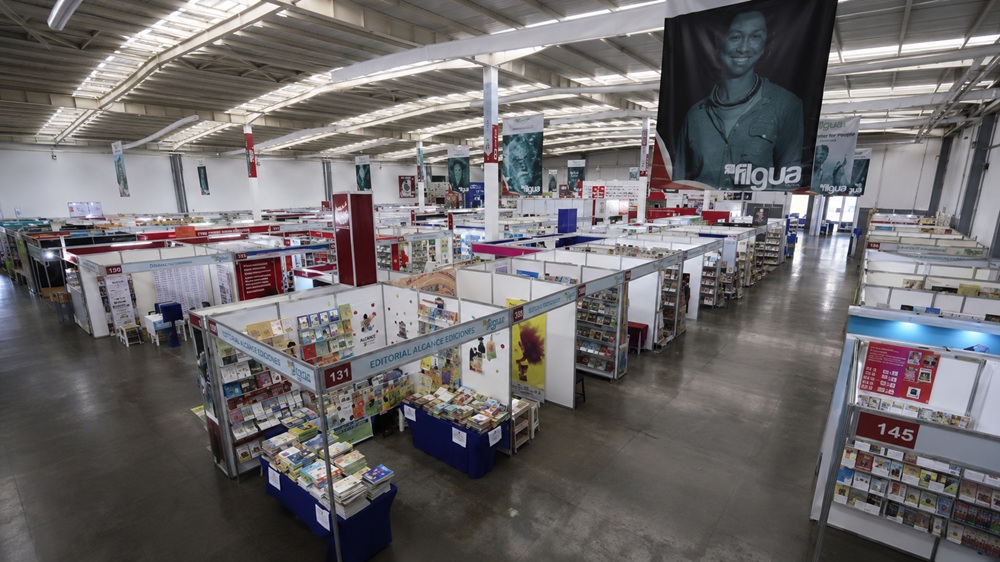
- We invite you to read our article about the International Book Fair in Guatemala.
Major fairs and festivals in January
Of the festivals held in Guatemala in January, the best known to travellers is usually the Festival of the Black Christ in Esquipulas. However, it is not the only one, as the calendar also includes patron saint festivals in Huehuetenango, Retalhuleu, Jalapa, Suchitepéquez and other departments.
If you’re planning a trip, the best thing to do is to choose one main event and build the trip around it. Why? Because that’s the only way to avoid long journeys or having to rush through everything. Of course, if you have time, then your itinerary can certainly change.
The Santo Tomás Fair and its traditions
The Santo Tomás La Unión Fair, in Suchitepéquez, forms part of the celebrations marking the start of the new year. Although the municipality is named after Santo Tomás, the festival is held in honour of San Sebastián. It features religious, cultural and community activities.
For the traveller, it is one of those festivals in Guatemala where the life of the town centres on the streets, with music, market stalls, family gatherings and a strong folk tradition. That said, the activities change every year and some are concentrated around 20 January.
Religious and patron saint celebrations
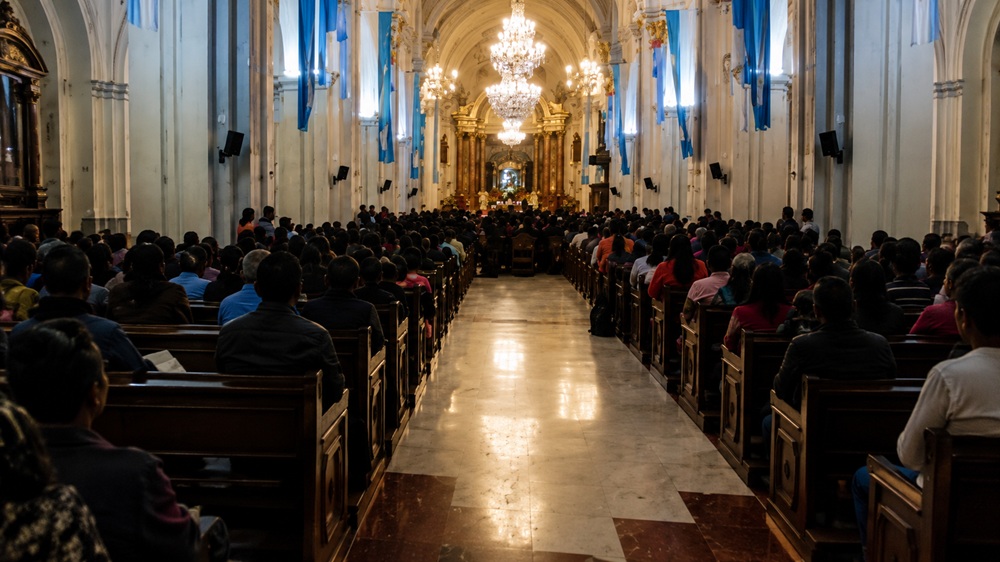
On 15 January, all eyes are on Esquipulas. The Basilica of the Black Christ welcomes the arriving pilgrims. Many travel from other departments and also from neighbouring countries.
The festive atmosphere begins to build several days beforehand, as the streets become busier, religious souvenirs go on sale, and traditional sweets are available. For anyone wishing to understand what is celebrated in January, this pilgrimage showcases one of the country’s most significant expressions of faith.
As well as visiting the Basilica, many travellers take the opportunity to explore the centre of Esquipulas and see how the town changes during the festival. It is an intense experience, so it is best to allow plenty of time.
Cultural and artistic events in various cities
Patron saint festivals can vary slightly from one area to another. That’s why, in many towns, there are parades, as well as marimba performances, beauty pageants, children’s activities and concerts. Some programmes change every year, so it’s best to check the local council’s channels before travelling.
In January, you can also find neighbourhood fairs linked to the Señor de Esquipulas. In Guatemala City, for example, some neighbourhoods organise popular celebrations with food stalls and games.
Traditional culinary and craft activities
Food is one of the best ways to understand what is celebrated in January. Esquipulas is famous for its traditional sweet treats, which are closely linked to the pilgrimage. These include:
- Cocadas
- The milk girls
- Tamarind balls
- Figs in honey
- Guava colochos
In San Sebastián, Retalhuleu, ‘chojín’ plays a very special role on 19 and 20 January. It is a dish associated with the patron saint’s festival and with gatherings of family and neighbours.
Furthermore, the following are often found at fairs in Guatemala:
- Snacks
- Atoll
- Corn on the cob
- Toast and sweet breads
You’ll also see religious souvenirs and small family-run stalls.
January customs and traditions in Guatemala
As we mentioned, January traditions vary greatly from one region to another. Even so, there are certain recurring elements. What are they? Processions, music and also seasonal markets. Whilst for visitors these may be colourful and photogenic festivals, for the local community they are moments of faith and commitment.
Traditional dances
Traditional dances feature at various patron saint festivals, although not all of them are celebrated in exactly the same way every year. At some festivals, there are ‘Moors and Christians’ dances, dances depicting the conquest, or groups wearing masks and ceremonial costumes.
In Chichicastenango, the Feast of Saint Thomas is known for traditions such as the Danza del Torito and other local performances. Although it takes place in December, it helps to illustrate the significance of dance in the Guatemalan festive calendar.
Traditional costumes and cultural expressions
In January, traditional costumes can be seen in towns across the highlands and in markets where many communities still wear their traditional everyday dress. Huipiles, skirts and sashes are not merely attractive garments; they also tell the story of the wearer’s place of origin, family history and the identity of each community.
Therefore, by discovering what is celebrated in January, these textiles help us to better understand the cultural life of each municipality. At some festivals in Guatemala, this cultural expression is complemented by traditional dances, masks, marimba music and processions that fill the streets with colour and tradition.
Local rituals and ceremonies
In January, many celebrations combine processions with personal vows. In Esquipulas, for example, pilgrims light candles, buy religious souvenirs and visit the Basilica of the Black Christ as a gesture of thanks or to make a request.
- We invite you to read our article about the Flower Festival.
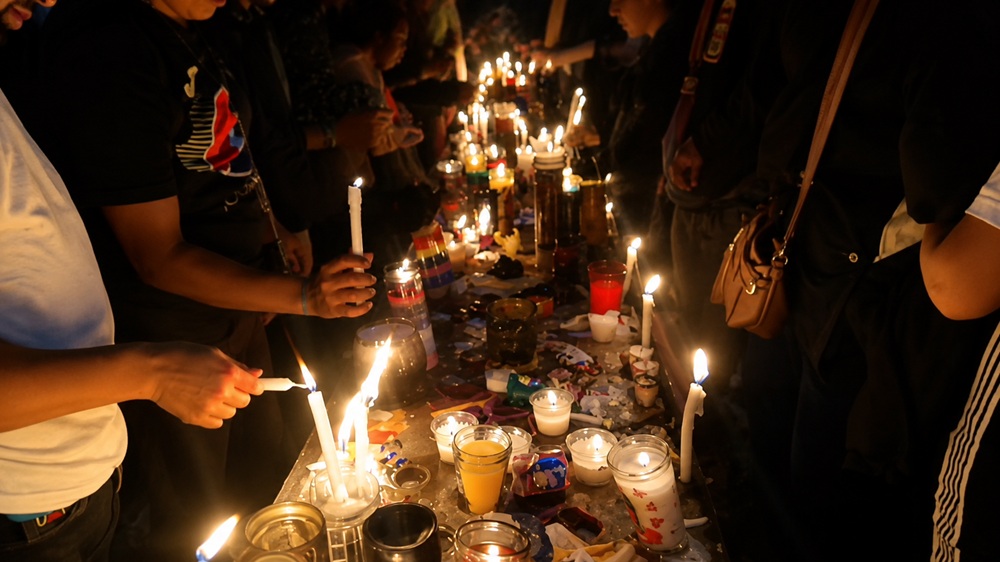
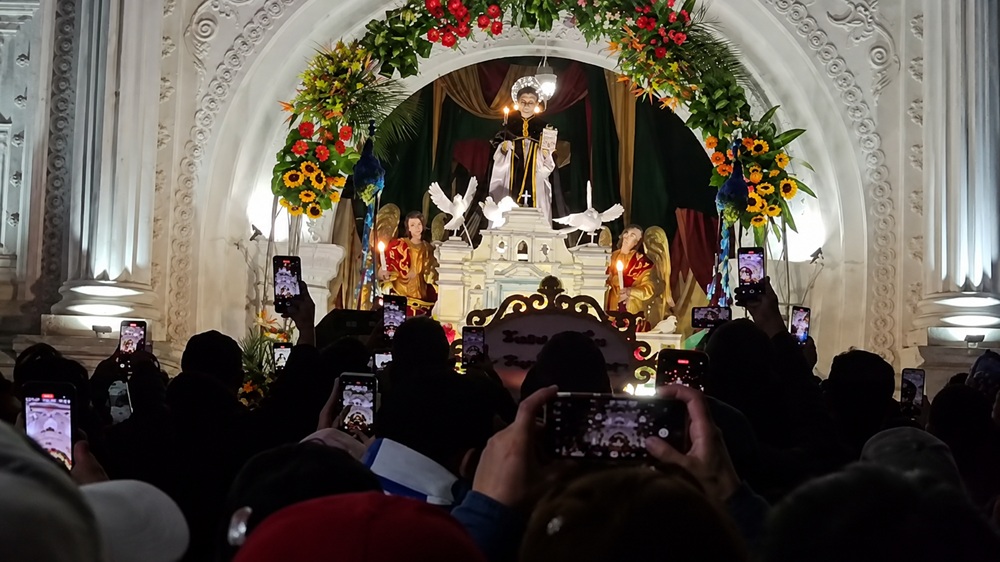
In some municipalities, the religious brotherhoods also play an important role. This is because they are responsible for organising the processions and keeping alive traditions that form part of the local heritage. During the San Sebastián festivities, one can witness processions and moments of veneration centred on the patron saint’s image.
Furthermore, in areas with a strong Mayan tradition, some ceremonies involve the use of pom or copal, candles, flowers and offerings.
- We invite you to read our article about Easter in Antigua Guatemala.
Things to do and enjoy in January
January is a good month to travel if you’re looking for traditional festivals and pleasant weather in many areas.
Before deciding what to visit in January as part of your itinerary, think about how much time you have. Esquipulas is worth at least one night’s stay if you want to soak up the atmosphere at a leisurely pace. Of course, for San Sebastián and Retalhuleu, you could plan a shorter visit.
Taking part in fairs and processions
If you want to take part in a January fair, it’s best to start at the town’s central park or main church. That’s because that’s where the food stalls and religious processions tend to be concentrated. It’s true that the timings can change from year to year.
If you want to get a proper understanding of what is celebrated in January, the best thing to do is to watch how the community prepares. That’s where you’ll see families waiting for the statue to pass by, stallholders setting up their stalls and musicians providing the music for certain parts of the day.
Explore markets and crafts
The markets are a must-visit in January. You’re sure to find seasonal produce and festive items there.
If you visit Esquipulas, make sure you set aside some time to take a stroll around the Basilica. Many travellers buy sweets, religious souvenirs or candles. In other towns, the handicrafts may be simpler, but just as authentic. It’s best to ask for items made locally and pick up a very special souvenir.
- This page about the cities of Guatemala may interest you.
Tips for enjoying the festive season
To make the most of what is on in Guatemala in January, you need to plan your trip carefully so you don’t miss a thing. Timetables can change, some events are announced at short notice, and the processions don’t always move quickly.
For all these reasons, it’s best to travel, but to do so with peace of mind, and to book accommodation well in advance of the peak periods.
How to plan your visit depending on the fair
- If you want to experience the Black Christ of Esquipulas, try to arrive before 15 January. That way, you’ll be able to soak up the atmosphere of the pilgrimage without having to rely on a single day, which is usually the busiest.
- For the San Sebastián festivities, check the town’s programme. Some of the main events take place on 19 and 20 January, but there may be events starting several days earlier.
- Of course, if you’re only there for a few days, don’t try to cram in too many festivals in Guatemala. It’s better to choose just one festival, stay somewhere nearby and take your time enjoying it.
Transport and safety recommendations
In Guatemala, journeys can take longer than they appear to on the map. On market days, there are roadworks and heavy traffic. So, the best advice we can give you is to go beforehand or set off early.
You can use private transport, as well as recommended shuttles or buses that run on this route. If you’re travelling independently, ask at your accommodation about road conditions and the safest times to travel.
When you’re out and about at festivals, only take what you need. Remember to put your mobile away after using it, keep your money separate and keep your documents safe. After all, when you’re in a crowd, you can never be too careful.
What to wear to events
To make the most of January’s festivities without any discomfort, wear comfortable shoes. You’ll be on your feet for several hours and walking through crowded streets. A light jacket will also come in handy if you’re visiting higher-altitude areas.
Sun cream is useful even in January. Because it’s true that in places like Esquipulas or Retalhuleu, the days can be warm and there can be plenty of sun. Pack some water, cash and a power bank for your mobile.
If you’re going to be moving between stalls, processions and markets, it’s best to carry a small rucksack or a cross-body bag, and keep some loose notes handy to pay for food or souvenirs without having to take out your whole wallet.
- We invite you to read our article about the Sumpango Festival.
Frequently Asked Questions about celebrations in January
What is celebrated in Guatemala on 30 January?
30 January marks the School Day for Non-Violence and Peace. However, if you’re looking for events to celebrate in January from a traveller’s perspective, 30 January isn’t usually a key date. For festivals and traditions, you should look instead at the period between 15 and 20 January.
What is celebrated on 20 January in Guatemala?
On 20 January, the feast of Saint Sebastian is celebrated in several municipalities across Guatemala. It is an important date for patron saint festivities, particularly in places such as San Sebastián, Retalhuleu, San Sebastián Coatán and San Sebastián Huehuetenango.
It also features in other festivals in Guatemala associated with Saint Sebastian, such as Santo Tomás La Unión and San Luis Jilotepeque.
What is celebrated on 28 January in Guatemala?
28 January does not stand out as one of the major patron saint festivals on the travel calendar. However, it may be linked to historical or religious events, such as the papal coronation of Our Lady of the Rosary in 1934.