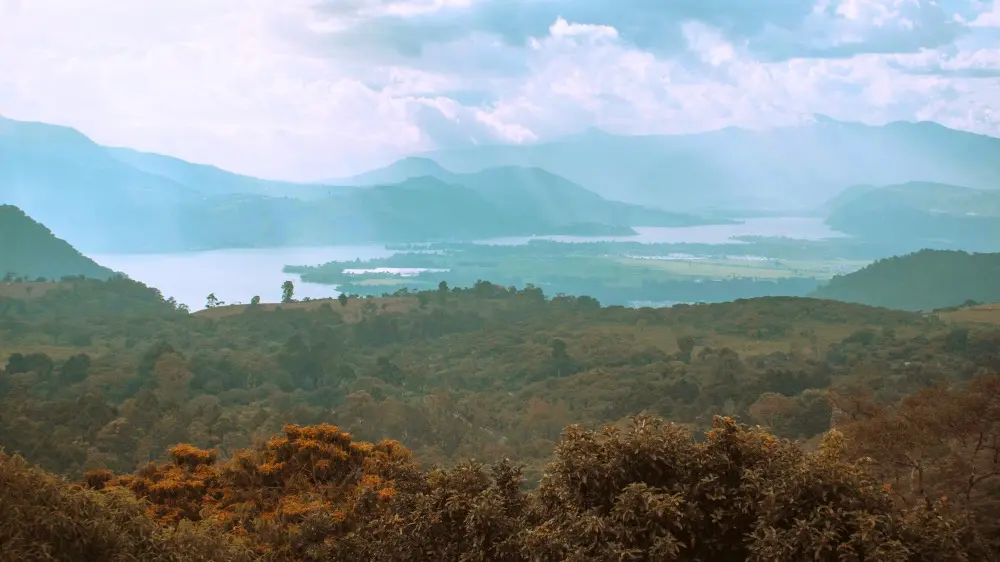
There are some destinations that are hard to describe without sounding like you’re exaggerating. The Grutas del Rey Marcos are one such place. They are in San Juan Chamelco, less than 20 minutes from Cobán, in the heart of Alta Verapaz, and are exactly the sort of place that doesn’t feature in tourist brochures about Guatemala, but which everyone who visits highly recommends.
You enter through a hole in the rock. The water reaches up to your knees. The torch lights up stalagmites that nobody has touched for thousands of years. And at some point along the way, the guide switches off the light and you find yourself in a darkness you’ve never experienced before. These are the Grutas del Rey Marcos.
In this guide, I’ll tell you everything you need to know to be well prepared: how to get there, what to see inside, what to take with you, and the best spots for taking photos of the Grutas del Rey Marcos.
What are the Grutas del Rey Marcos?
The origins of this natural attraction in Alta Verapaz
The Grutas del Rey Marcos are a cave system carved out of limestone by water over thousands of years. This is what is known as a karst formation: the water leaches the minerals from the rock, gradually creating passages, chambers and formations unlike anything you see on the surface. The result is this underground labyrinth in the village of Rey Marcos, in the municipality of San Juan Chamelco.

Although the local people had known about and revered them since pre-Columbian times, the caves were not formally explored until May 1998. Since then, cavers of various nationalities have visited the area, and they have all reached the same conclusion: that Alta Verapaz is home to one of the most beautiful cave systems in Central America.
Why they are one of the most visited caves in Guatemala
There are other caves in Alta Verapaz, but the Grutas del Rey Marcos have something that sets them apart: the river flows right through them. It’s not a dry cave where you just look at the rock formations. It’s an active adventure where you wade through the water, making your way through narrow passages and venturing deeper and deeper inside.
What’s more, they are 14 kilometres from Cobán via a tarmac road, making them one of the most accessible options in the department. The fact that they have been welcoming visitors for over 25 years speaks for itself.
What makes the experience in the caves so special?
It’s not a leisurely stroll. It’s a physical adventure where you get wet, crouch down, lean against the walls and, sometimes, crawl. What makes it special isn’t just the rock formations – which are incredible – but the feeling that you’re in a place the outside world knows nothing about.
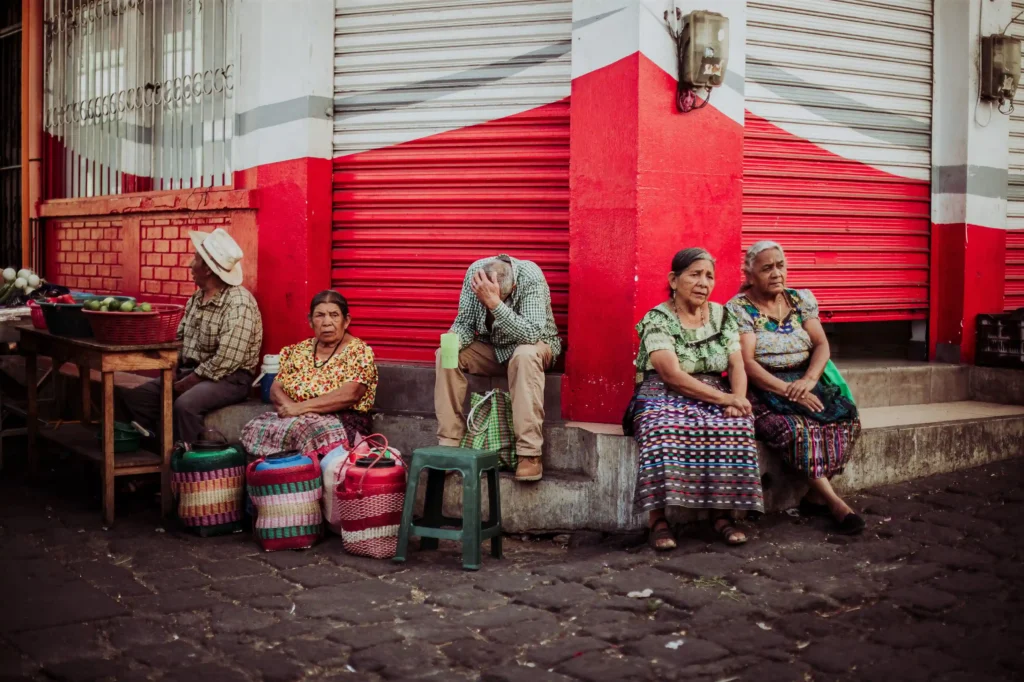
For the Q’eqchi’ people who have lived here for centuries, the caves were never a tourist attraction but a sacred place. You can still feel that significance when you’re inside. It’s part of the living culture of Alta Verapaz, and understanding that changes the way you experience the tour.
- This page about the Las Verapaces Nature Reserve may interest you.
Location of the Grutas del Rey Marcos in Alta Verapaz
How to get there from Cobán
From the centre of Cobán, it's 14 kilometres and takes between 15 and 20 minutes by car, following the road towards San Juan Chamelco. The main road is tarmac-surfaced and in good condition. When you reach the village, look for the turn-off towards Chamil: there are blue signs and anyone will be happy to point you in the right direction.
After San Juan Chamelco, there is a stretch of gravel road about 6 kilometres long. You don’t need a four-wheel-drive vehicle: the road holds up well in both dry and wet conditions, and you can drive along it in any ordinary car.
If you’re setting off from Cobán, make the most of the opportunity to visit Las Victorias National Park either before or after your trip. It’s right in the heart of the city and is a good starting point to get your bearings.
Transport options for the visit
The easiest option is to go by car or by taxi from Cobán. If you’re travelling by public transport, take a minibus or a microbus to San Juan Chamelco from Cobán market and, from there, find out how to get to the caves.
You can also get there by bike if you fancy a ride: the dirt track is manageable and the scenery in Alta Verapaz makes it all worthwhile. Several local travellers do this regularly.
- This page about the Candelaria Cenotes may interest you.
History and Legends of the Grutas del Rey Marcos
The origin of the name Rey Marcos
The name comes from a legend that the villagers have passed down from generation to generation. It was recorded by an 87-year-old woman: thousands of years ago, a god lived on that hill, and when a cataclysm struck, a group of people who looked different – and who could predict the future – took refuge in the caves. Their king was called Marcos.
It's not just oral tradition that lends credibility to the story. When the Fernández family explored the caves in 1998, they found pre-Columbian pottery inside. Something happened in there long before tourism arrived.
The legends associated with the caves
In Q’eqchi’ Maya culture, entering a cave is not a tourist activity. It's entering the underworld, the realm where the ancestors remain present. That is why the farmers in the area would ask the mountain for permission before sowing their crops and would return to thank it when they harvested. It was not merely a custom: it was a relationship.
Mayan ceremonies are still held in the caves today. And several visitors say that, upon entering, they feel something that is hard to explain. It may be the cold, the darkness or the sound of the water. Or perhaps there is just something about the place.
The cultural significance of the site
The pottery found inside confirms that this was not just another hill. It was a place of worship that remained active for centuries, on par with other Mayan archaeological sites in the country such as Cerro El Baúl. That makes it more than just a spectacular cave: it's a living cultural heritage.
When you go, bear that in mind. It’s not the Grand Canyon. It’s not Disneyland. It’s a place where adventure tourism and a genuine spiritual tradition coexist. And that coexistence is also part of the experience.
What is a visit to the Grutas del Rey Marcos like?
A river tour by car
Before entering the cave, some tours begin with a stretch on rafts or inner tubes travelling upstream, paddling through dense vegetation and crystal-clear water. This takes between 30 and 45 minutes and is well worth the trip in its own right.
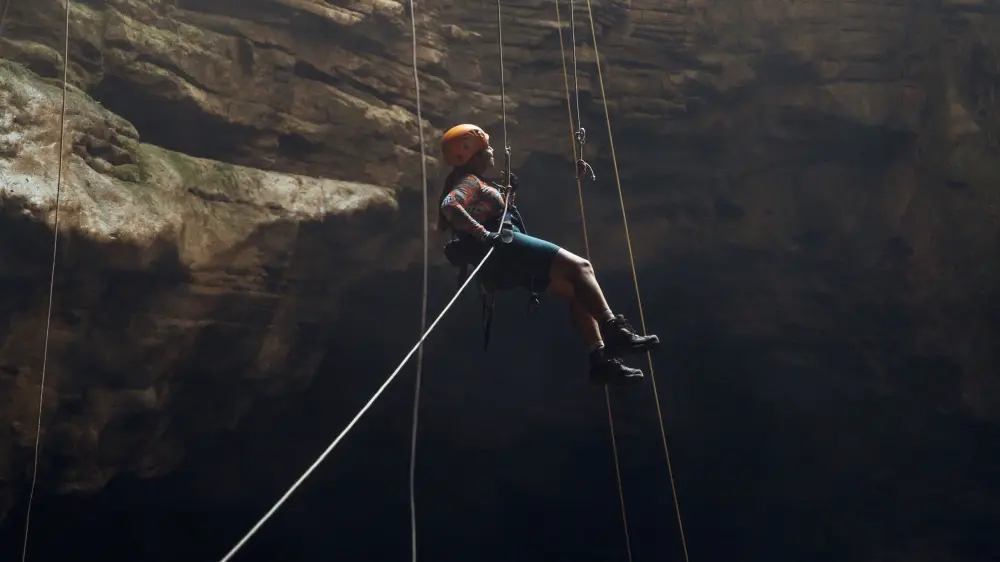
When you reach the foot of the hill, they give you your kit: a helmet, boots and a torch. And that’s when everything changes. From that moment on, you’re in.
The entrance to the cave system
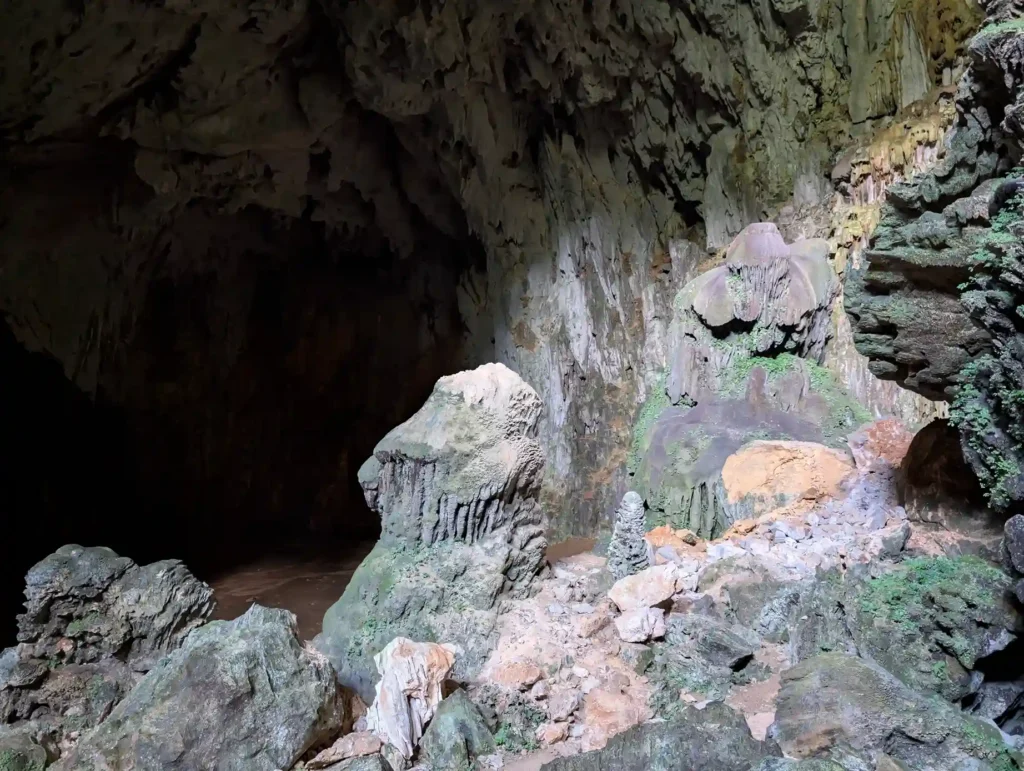
The mouth of the cave is a narrow opening in the rock. There are no doors or stairs. You crouch down, step inside, and the outside world disappears. The river keeps flowing, sometimes alongside you and sometimes beneath your feet.
The tour goes down to around 400 metres below ground. There are sections where the water comes up to your ankles, and others where it reaches your knees. During the rainy season, it can rise as high as your waist. The guide assesses the conditions and decides how far to go. Throughout the entire route, you’ll need to hold on to ropes and brace yourself against the walls, so make sure your hands are free.
What to expect during the excursion
The cave tour lasts between 45 minutes and 1 hour. It’s damp, cool and quite physically demanding. You don’t need to be particularly fit, but you do need to be prepared to crouch down, crawl in some sections and wade across the river.
It isn't suitable for people with claustrophobia or mobility issues. The passageways get narrower and there are sections where you have to crouch to get through. If that’s not your thing, the park’s surroundings also have plenty to offer without going into the caves.
The park is open every day from 8.00 am to 5.00 pm. A helmet, boots and a torch are included in the admission price. A guided tour is compulsory.
What to see inside the Grutas del Rey Marcos
Stalactites and rock formations
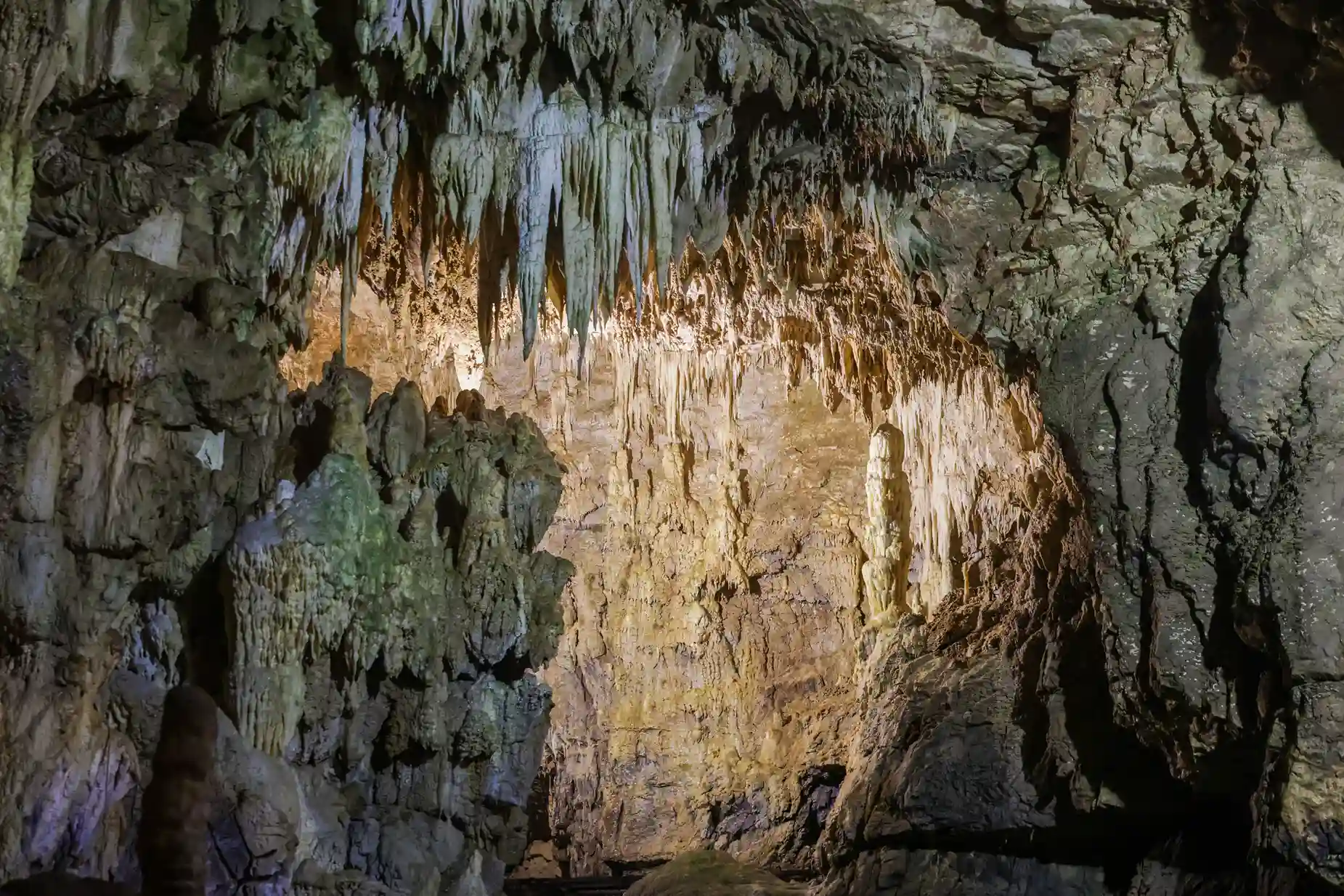
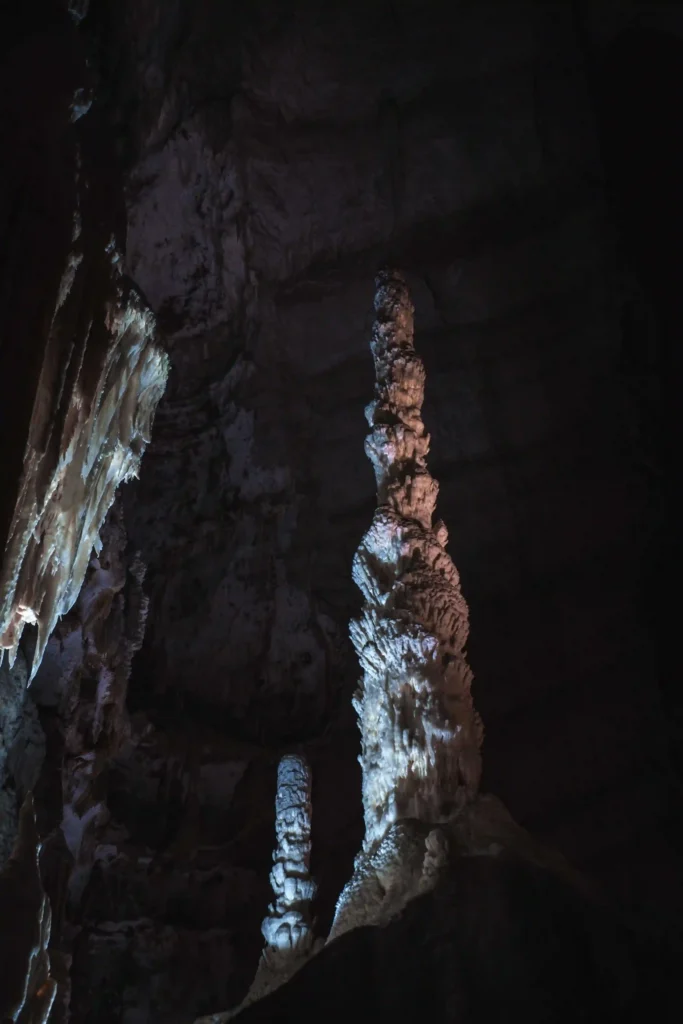
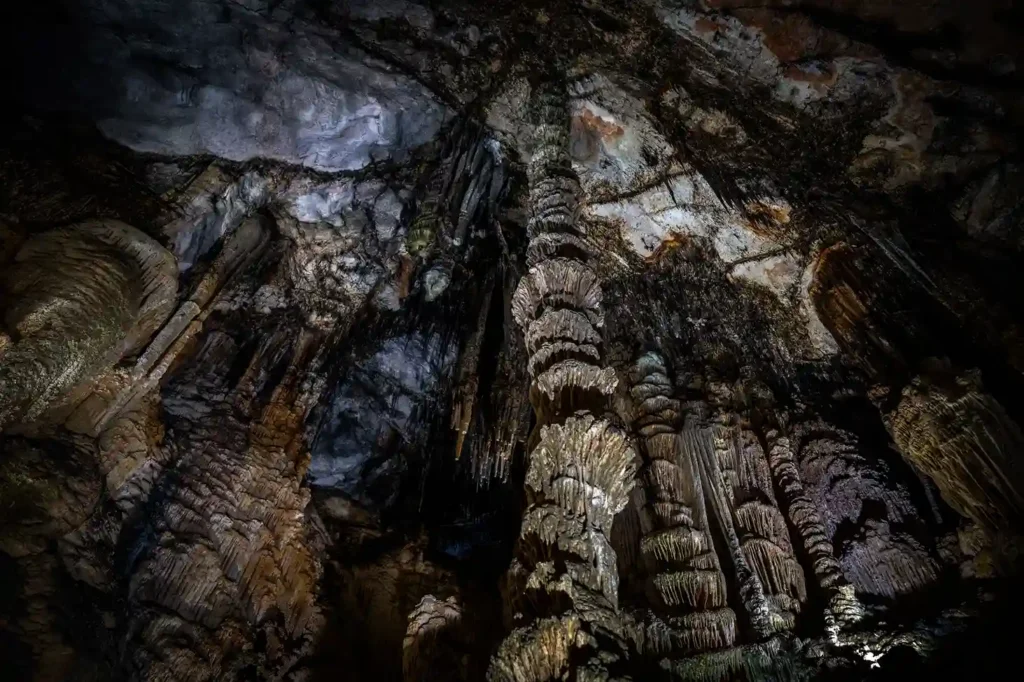
What water has been doing here for thousands of years has produced a visual spectacle that is hard to believe. There are stalactites with translucent details almost like filigree, and stalagmites growing from the floor in shapes that remind you of animals, faces or figures you wouldn’t expect to see in a cave.
The guides know every nook and cranny and point out the rock formations, explaining their Mayan legends. It’s well worth listening to them. And don’t miss the Salón del Santuario: the room where pre-Columbian pottery was once exhibited, with a vaulted ceiling and acoustics that make every sound resonate in a strange way.
Waterfalls and underground streams
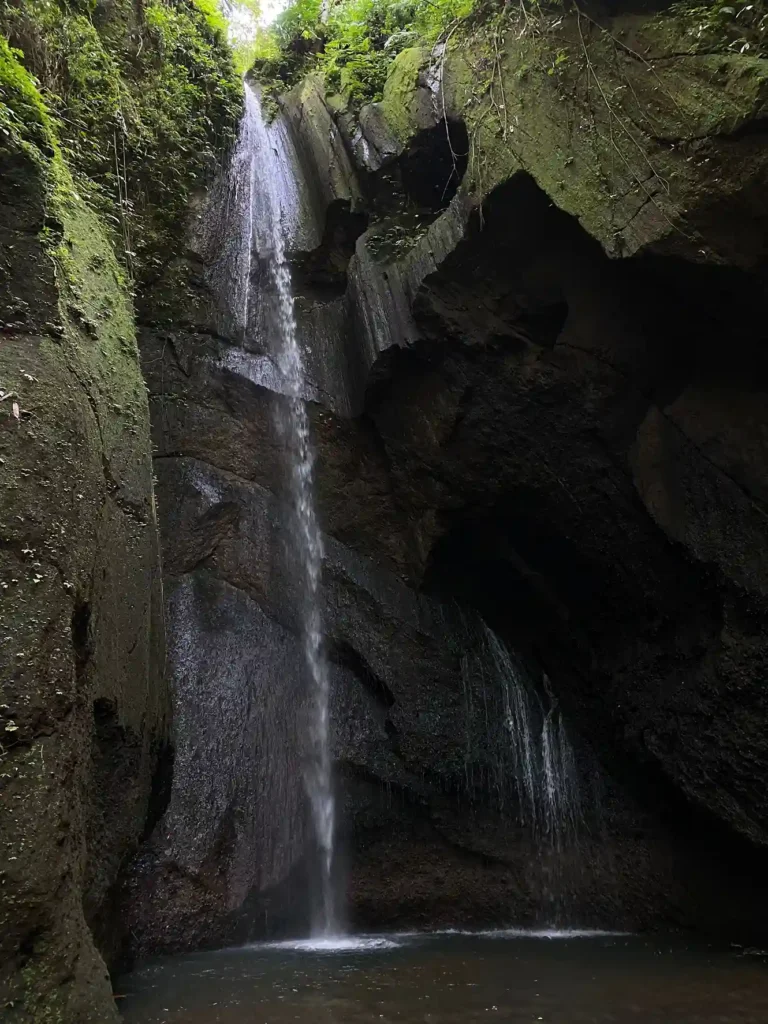
Inside, there is water that is constantly moving. The most striking feature is the waterfall known as ‘the King’s Shower’: the water cascades down between the rock formations and, when lit by torchlight, the effect is spectacular. It's also the favourite spot for taking photos.
The water flow varies greatly depending on the time of year. During the rainy season, the cave fills up more and the route may be shorter. During the dry season, you can see more, but there is less water flowing. Neither is better than the other: they are simply different experiences.
Natural venues and the most surprising spots
As you make your way through the narrow corridors, rooms suddenly appear out of nowhere. The contrast between squeezing through a narrow passage and emerging into a room where the ceiling is lost in the darkness is one of the most striking moments of the tour.
The moment visitors mention most often is when the guide switches off all the torches. Total darkness. No visual cues whatsoever. It lasts only a few seconds, but it’s one of the things people remember most about the trip.
- This page about Lake Petén Itzá may interest you.
Photos of the Grutas del Rey Marcos: The best spots
The most photogenic spots along the route
Taking photos inside the Grutas del Rey Marcos is a bit of a challenge. The darkness and damp make it tricky to take good shots, but the results can be spectacular if you take the right kit with you.
The best spots are: the entrance to the cave, where the light from outside meets the darkness inside, creating a beautiful contrast; the ‘King’s Shower’ waterfall; the stalactite galleries lit by torchlight; and the moment you cross the river.
Outside, the river just before it flows into the complex and the forest surrounding it create a very uncluttered scene. The light in the early morning is best for photographing the entrance without the sky becoming overexposed.
What to pack for a visit to the Grutas del Rey Marcos
Recommended clothing and footwear
Clothes you don’t mind getting dirty. Full stop. Inside, there’s mud, water and damp walls, and your clothes are bound to get wet. The most practical option is a quick-drying T-shirt, lightweight trousers and a complete change of clothes for afterwards.
Boots are provided on site and are included in the admission price. For the access path, any trainers with a decent sole will do. The gravel section may be wet and slippery.
Useful equipment for the trip
The basic kit – helmet, boots, torch – is included. But these extras make all the difference:
Head torch or your own torch: having your hands free is key on the route, and having your own light gives you more control.
Waterproof bag or zip-lock pouch: for your mobile, camera and anything else you don’t want to get wet.
Water and something to eat: the cool temperature is deceptive. The walk is more strenuous than it looks.
River sandals (rainy season): more comfortable than boots in the water if the water level rises.
How to protect cameras and mobile phones from water
If you want to take photos inside the Grutas del Rey Marcos, you’ll need at least a mobile phone in a waterproof case or a zip-lock bag. It’s very damp in there, and there are sections where water splashes without warning.
For filming, the best option is an underwater camera or a GoPro with a wide-angle lens. Standard cameras are difficult to use: low light, limited space and high humidity. With a torch and a wide-angle lens, the results are the most spectacular.
Best time to visit the Grutas del Rey Marcos
The caves are open all year round, but the experience varies quite a lot depending on when you go.
From November to April (dry season): the river level drops, the access road is in better condition and the route along the river is more accessible. This is the most recommended option if you’re travelling with children or would prefer not to get too wet.
From May to October (the rainy season), the water level rises and some areas become flooded, so the guide may shorten the route. On the other hand, the flowing water inside the cave is much more spectacular. You might get completely soaked.
The access route is passable at any time of year. What varies is the level of difficulty and intensity.
Safety recommendations
Entry to the caves is always with a guide. There is no option to explore them on your own. The guide knows the condition of the river on the day and decides how far you can go. Listen to them: they are the ones who know whether the water level is safe for crossing.
This attraction is not recommended for people with claustrophobia, mobility issues or a fear of the dark. To reach the entrance, you’ll need to walk about 800 metres uphill along a steep slope. Please bear this in mind if you’re visiting with elderly people or very young children.
How to enjoy the experience responsibly
These formations grow at a rate of a few millimetres per century. Do not touch them: the oil on your skin irreversibly slows down this process.
There are no bins inside, so whatever you bring in, you must take out again. And if the guide tells you there are areas where Mayan ceremonies are held, please respect their instructions. This place also belongs to the local communities who live here.
Frequently Asked Questions about the Grutas del Rey Marcos
How long does a visit to the Grutas del Rey Marcos take?
The cave tour takes between 45 minutes and 1 hour. If you include the raft trip down the river before entering, add another 30–45 minutes. In total, allow between 2 and 3 hours from the time you arrive at the park until you leave. Plus the journey from Cobán (20 minutes) and the 15-minute walk uphill to the entrance.
Do you need a guide to explore the caves?
Yes, and there are no exceptions. A visit to the Grutas del Rey Marcos must be on a guided tour. The guide carries the equipment, is familiar with the river’s conditions and decides how far in to go depending on the conditions on the day. For cavers or groups wishing to go deeper, there is the option of technical tours, but these must always be accompanied.