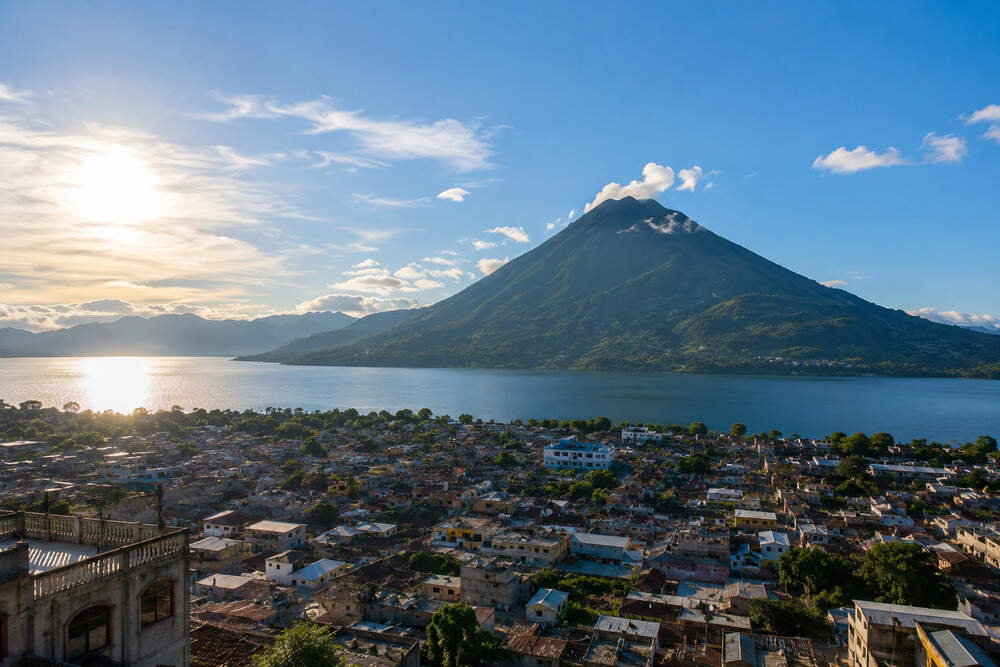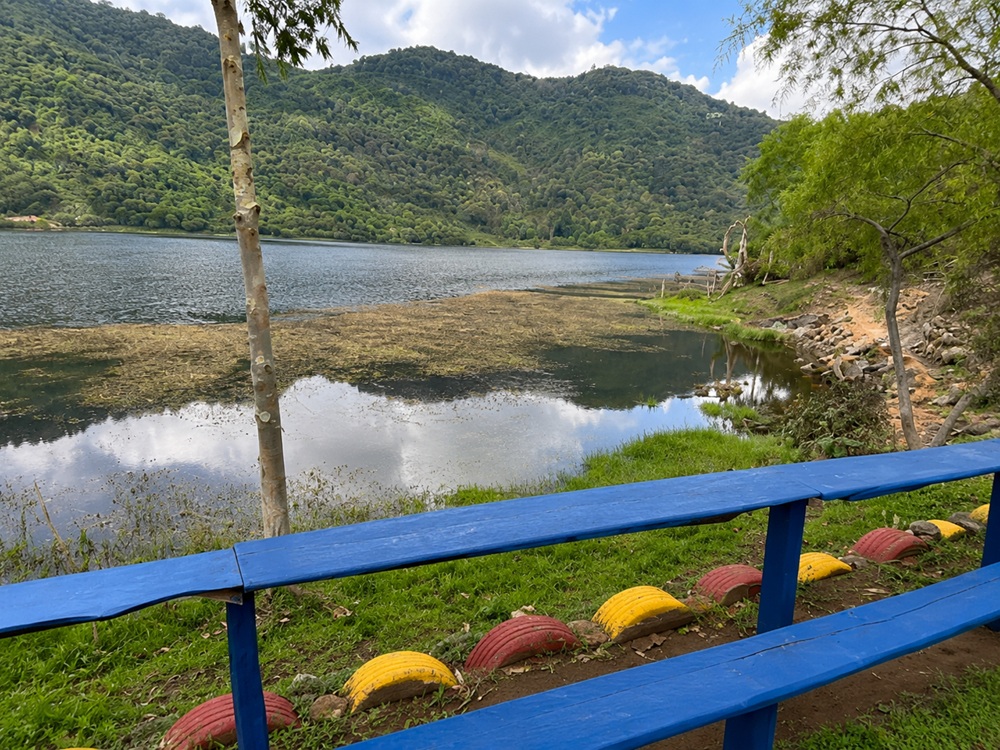
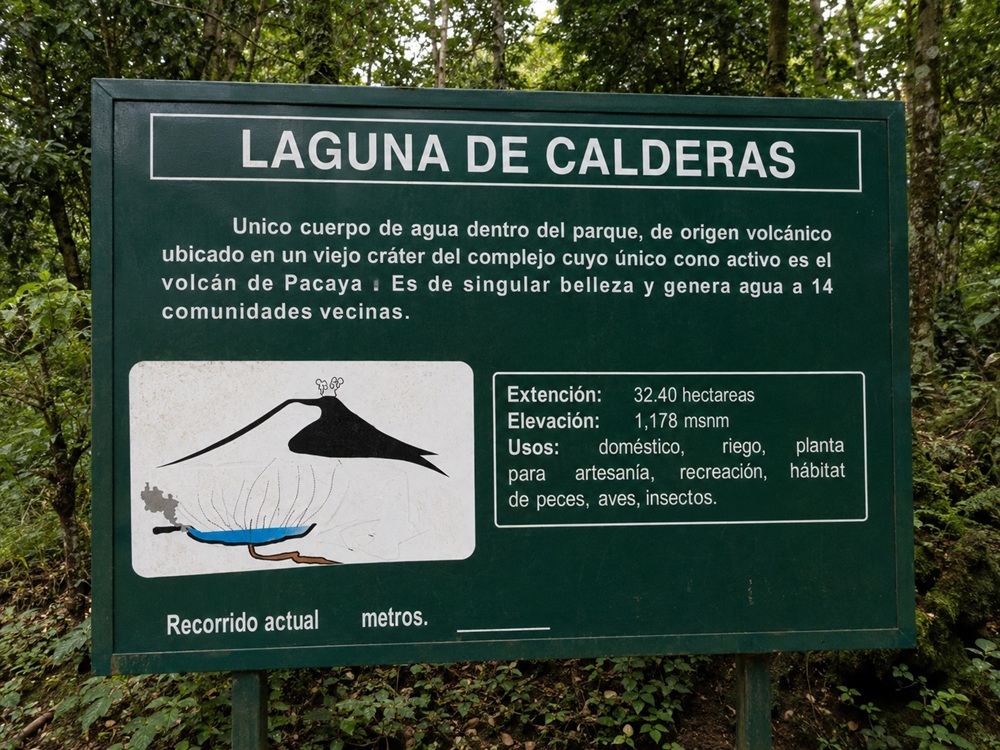
Laguna de Calderas is one of those places that really showcases the raw natural beauty of Guatemala. You can enjoy the water, a magical forest, hiking trails and a volcanic landscape that changes as the light shifts throughout the day. All in one trip, without having to travel too far from the main cities of Guatemala!
Situated next to the Pacaya volcano, Laguna de Calderas offers a chance to swap the hustle and bustle of the city for a peaceful, green setting that is easily accessible from Guatemala City, Antigua or Amatitlán. It’s the perfect getaway for a walk, to breathe in the fresh air, take photos, enjoy a picnic or simply sit and watch as the volcanic landscape of Calderas continues to shape the character of this very special spot.
What is Laguna de Calderas?
Laguna de Calderas is a natural spot where water and the volcanic landscape meet at the foot of the Pacaya Volcano. Needless to say, it forms part of a protected area featuring viewing points and outdoor activities, which bring the place to life. Although many people visit it as a short day trip from the capital, Laguna de Calderas is more than just a photo stop. It's a place to walk, observe the Pacaya volcano from a different perspective and spend several hours in contact with nature.
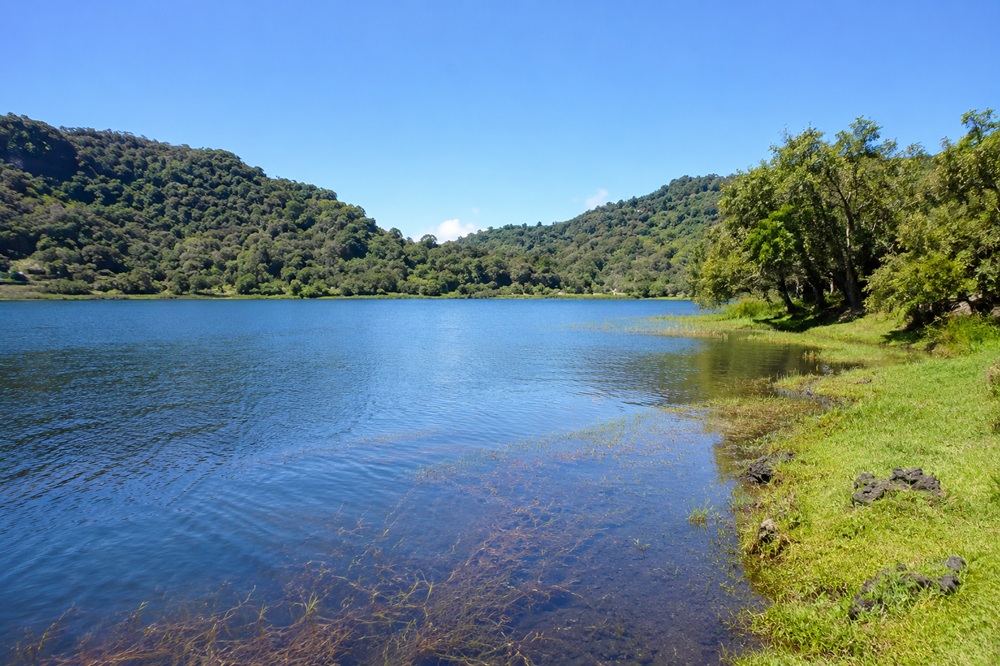
The Calderas area lies between the municipalities of Amatitlán, San Vicente Pacaya and Villa Canales, south of Guatemala City. Its location explains why Laguna de Calderas often features on itineraries that combine both natural scenery and volcanic landscapes. Furthermore, Calderas Natural Park offers activities such as zip-lining, paddleboarding, kayaking and horse riding, not to mention its green spaces and camping facilities.

What is the connection between Laguna de Calderas and the Pacaya volcano?
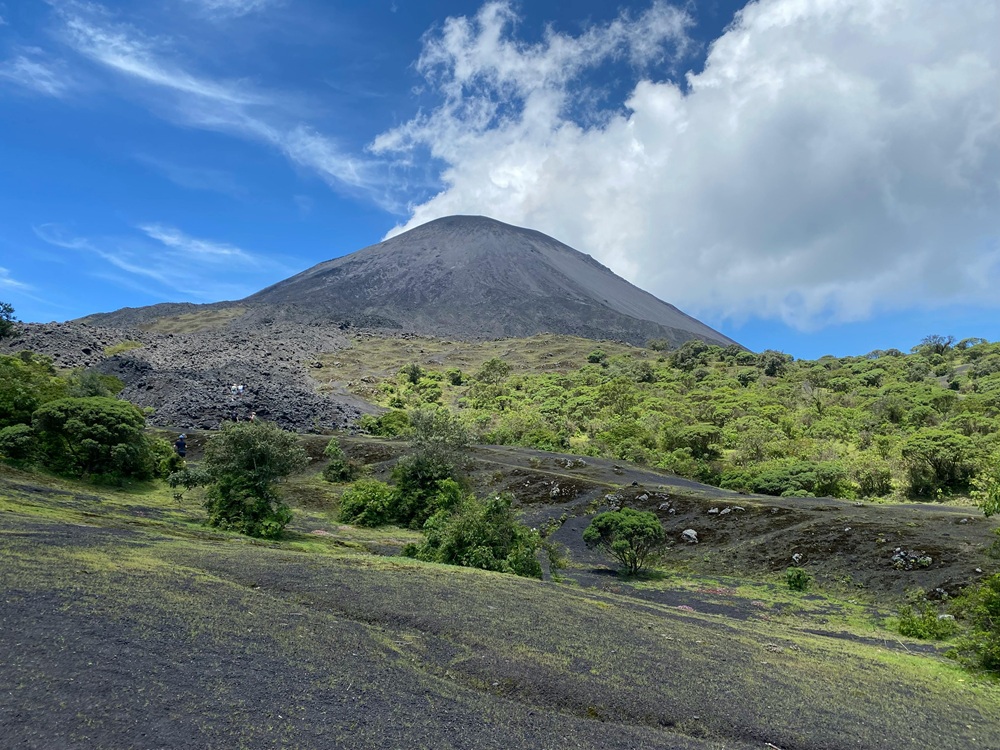
The relationship between Laguna de Calderas and Pacaya Volcano is direct, as both form part of the same protected volcanic area. Pacaya Volcano forms part of a large volcanic caldera that encompasses Lake Amatitlán and the lagoon. Pacaya Volcano National Park was designated a protected area in 1963. The park encompasses the active zone of Pacaya, as well as ancient craters and volcanic landforms.
Pacaya rises to around 2,552 metres above sea level and is one of Guatemala’s best-known active volcanoes. From Laguna de Calderas, the volcano is seen as an integral part of the landscape that defines the character of the area. It's this volcanic origin that explains the rugged terrain of Calderas. The area features ancient cones and craters, such as Cerro Negro, Cerro Chiquito, Cerro Chino and other sites linked to the historical activity of the volcanic complex.
That is why visiting this place offers a more peaceful way to experience Pacaya, to observe its surroundings and to understand how the volcanic landscape has shaped this part of Guatemala.
How to get to Laguna de Calderas from Guatemala City, Antigua and Amatitlán
Getting to Laguna de Calderas is easy if you’re travelling by car. From Guatemala City, the distance by road is around 42 kilometres, although the journey time always depends heavily on traffic, particularly towards Villa Nueva and Amatitlán. The most common route from the capital is to drive towards Amatitlán and continue along the road towards San Vicente Pacaya.
From Antigua Guatemala, Laguna de Calderas is about 41 kilometres away by road. So the journey by car usually takes around an hour. But if you set off from Amatitlán, it’s even shorter. This is because the town is about 8 kilometres north of the lagoon, making it a very convenient day trip for those already in the southern part of the region.
Don’t have a car and don’t want to hire one? That’s no problem either, because the most practical option is to combine public transport to Amatitlán or San Vicente Pacaya with a local taxi.
What to see and do at Laguna de Calderas
As we’ve seen, the things to see and do at Laguna de Calderas are all quite laid-back. A sense of tranquillity pervades everything here, as it’s the perfect place for a stroll, gazing at the Pacaya volcano, and enjoying some light activity. What activities are available? You can choose from kayaking, paddleboarding, horse riding, zip-lining, hiking, camping sites and enjoying the green spaces. If you don’t fancy a long climb or are looking for a more family-friendly option, the lagoon offers a less demanding way to enjoy the same volcanic setting.
Viewpoints overlooking the Pacaya volcano and the Calderas landscape
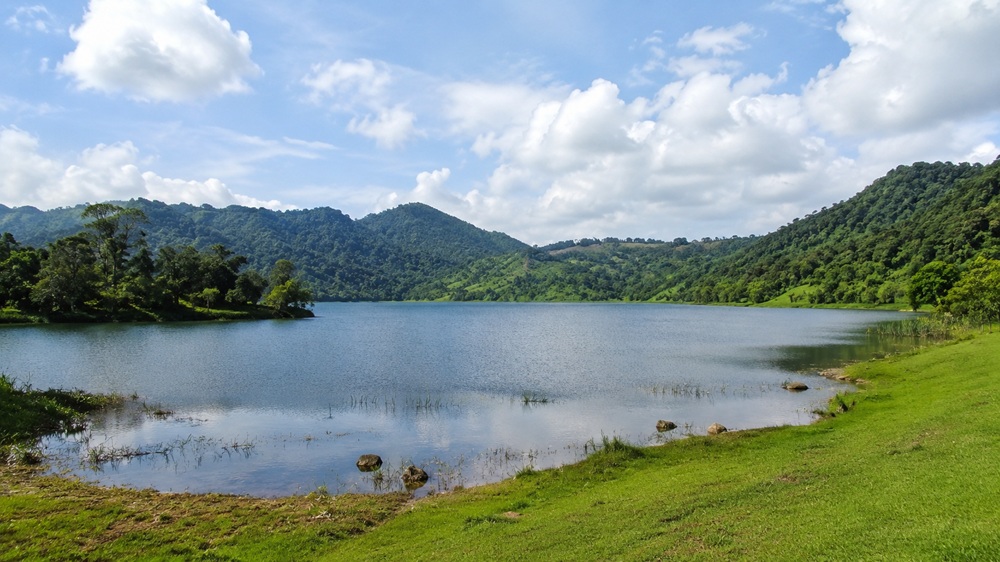
The viewing points are one of Calderas’ main attractions. From various spots around the park, you can take in the mountainous landscape, as well as the lush vegetation, nearby villages and, when the weather permits, the silhouette of the Pacaya volcano. Visibility is usually better in the morning, whilst at sunset Laguna de Calderas can offer a more photogenic setting.
If you want to take good photos, you just need to find a spot that’s a bit higher up. The best way to do this is to walk a little further – it’ll be well worth it.
Picnic areas and rest areas around Laguna de Calderas
La Laguna is one of the best places to go for a picnic. It has plenty of green spaces with areas to relax. It’s best to bring your own food, plenty of water and bags to collect your rubbish. Although there are facilities in the park, you shouldn’t rely on buying everything there, especially if you’re visiting during the week or in the off-season.
If you’re travelling with children, this sort of plan is better than a long hike up the volcano. That’s because Laguna de Calderas allows you to rest, move around without having to tackle steep slopes, and combine short walks with frequent breaks. So the little ones will be grateful.
Flora and fauna at Laguna de Calderas
The vegetation around Laguna de Calderas combines woodland with wetlands, open areas and landscapes shaped by volcanic activity. Around Pacaya, we find everything from cloud forest in the higher elevations to humid subtropical rainforests and plantations in the lower-lying areas. GuateValley highlights the presence of flora and fauna, as well as birdwatching, as part of the natural attractions of the Calderas Natural Park and Lagoon.
Hiking in Laguna de Calderas National Park
One of the best ways to explore this area is by going for a hike up the Pacaya Volcano. Bear in mind that not all trails are of the same difficulty level, and conditions can also change due to rain, mud or volcanic activity. As mentioned, Pacaya Volcano and Calderas Lagoon National Park features hiking trails and viewing points. Some routes lead towards the Pacaya volcano, whilst others offer gentler walks around the lagoon and recreational areas.
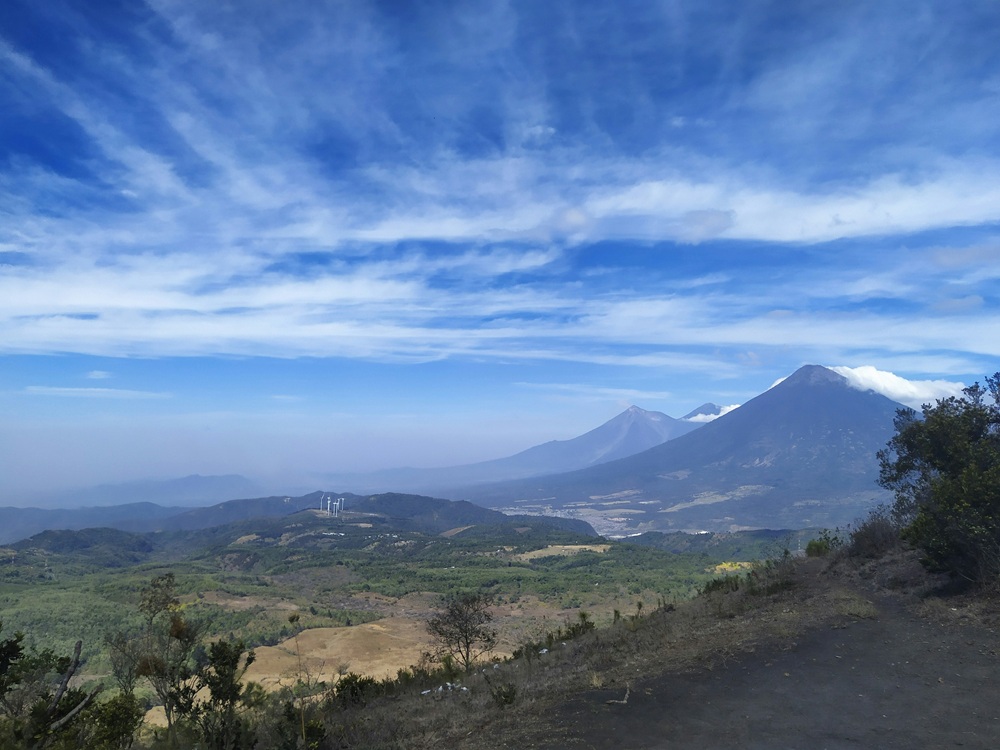
If your aim is to climb Pacaya, it’s best to hire a local guide. If, on the other hand, you’re travelling with children or elderly people and don’t want such a strenuous hike, you can always opt for shorter walks, taking in the viewpoints and stopping for more breaks.
Easy walks around Laguna de Calderas
There are always easier options when it comes to walking. So you can explore the areas near the water, look for shady spots, visit the viewpoints and head back without needing a lot of kit. Bear in mind that the terrain can be uneven. In Calderas, you should wear closed-toe shoes with grippy soles and comfortable clothing.
If you’d like a tip, you could go for a walk first and save the picnic for later. That way, you can make the most of the cooler part of the day, avoid the midday heat and enjoy Laguna de Calderas at a more leisurely pace once you’ve finished the walk.
Is it safe to visit Laguna de Calderas?
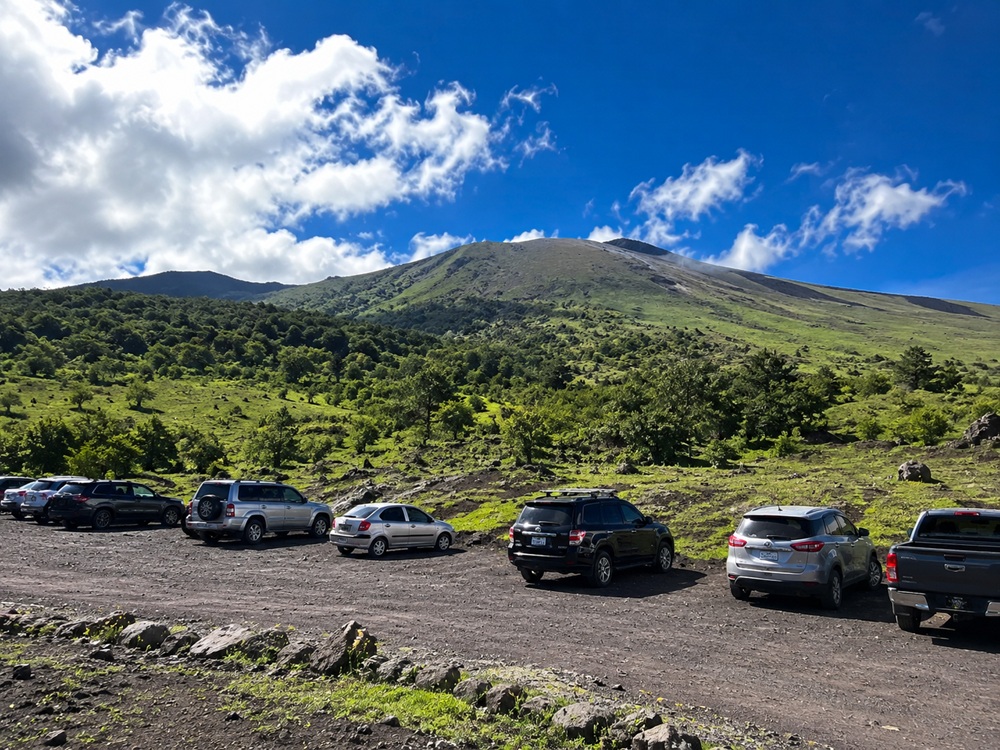
Yes, Laguna de Calderas can be visited safely. You must always follow the park’s rules. It's also a good idea to check the status of the Pacaya volcano and avoid venturing into areas that are not signposted. You must always bear in mind that this is an active volcanic environment.
We should therefore follow a few basic rules, such as not straying too far, not waiting until nightfall and not leaving the paths. Laguna de Calderas is peaceful, but it's still a natural environment.
- This page about Monterrico Beach may interest you.
Practical tips for visiting the Lagoon
To make the most of Laguna de Calderas, it’s best to plan a half-day or full-day trip. It’s true that you don’t need a strict itinerary, but it’s a good idea to have a clear idea of a few things, such as transport, timings, food, the weather and possible activities. The more organised your plan is, the more you’ll make the most of your time and be able to enjoy every corner of this very special place.
Calderas Natural Park and Lagoon is open from 8.00 am to 5.30 pm and admission costs approximately Q50. So if you’re combining Laguna de Calderas with Pacaya volcano, set off early. That way, the route will be more comfortable, you’ll have more leeway in case of a change in the weather, and you’ll avoid having to drive back along secondary roads when it’s getting dark.
Best time to visit and the weather in the Calderas area
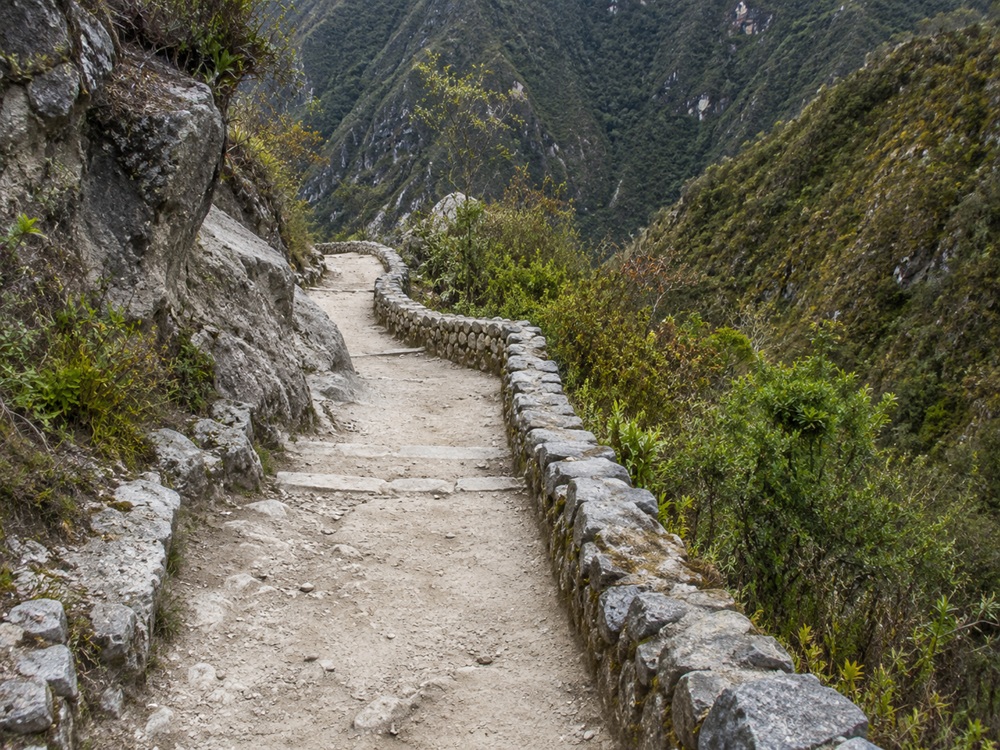
Without a doubt, the best time to visit Laguna de Calderas is usually during the driest months, from December to April. The average temperature in the area is pleasant for much of the year, ranging from 14 °C to 26 °C in San Vicente Pacaya.
If you’re visiting during the rainy season, try to go in the morning. This is because the afternoons tend to be cloudier and rainier, which can affect both the visibility of Pacaya and the condition of the trails.
What to bring: clothes, shoes and food for the day
It’s best to wear light clothing, but do bring a waterproof or windproof layer. The weather can start out sunny and change quickly, especially when we’re near the Pacaya volcano. Footwear is also important. That’s why hiking boots or closed trainers with good grip are always better than sandals. Even if you only plan to walk near Laguna de Calderas, the ground may be muddy, have loose stones or wet patches.
Your rucksack should, of course, contain water, but you should also pack sun cream, insect repellent and a few snacks. In addition to all this, it’s also important to bring a power bank and a bin bag. If you’re planning a picnic, the easiest option is to take food that’s already prepared in reusable containers. It’s easy to serve and tidy up.
Another important point to bear in mind is to carry some cash, as you won’t always be able to pay by card.
Park rules and caring for the natural environment
The most basic rule is one we all know by heart, and it's the most important one. We must leave the place in the same condition as we found it, or even better. This means we must not litter or uproot plants. Nor should we feed the animals or make unnecessary noise.
What we must do is stick to the marked trails and follow the instructions of the local staff. Because if we stray from them, we could end up falling or getting lost. It’s up to us to look after the area so that it remains as stunning as it's now.
Frequently Asked Questions about Laguna de Calderas
Where is Laguna de Calderas?
Laguna Calderas is located south of Guatemala City, within the Pacaya Volcano and Laguna Calderas National Park.
Is it possible to visit Laguna de Calderas in a day?
Yes. Laguna Calderas is perfect for a day trip from Guatemala City, Antigua or Amatitlán. Ideally, you should set off in the morning, spend a few hours walking and relaxing, and return before it gets dark.
Is there an entrance fee to visit Laguna de Calderas?
Yes, admission costs around Q50. Prices may vary depending on the season.
Is Laguna de Calderas suitable for children?
Yes. It can be a great family outing if you choose easy walks with stops near the water, and combine them with viewpoints and activities.
Do you need a guide to visit Laguna de Calderas?
You don’t need a guide if you’re just exploring very easy routes. But if you want to hike to the Pacaya volcano or walk through less well-known areas, we do recommend one.