


Guide to the Quetzal Biotope
Where the quetzal still flies free
Welcome to the Quetzal Biotope
The Quetzal Biotope is one of Guatemala’s most important natural areas and a must-visit destination for those who enjoy nature, birdwatching and cloud forests. Situated between Alta Verapaz and Baja Verapaz, this protected sanctuary is home to one of the country’s most biodiverse ecosystems and provides a habitat for the resplendent quetzal, Guatemala’s national bird.
A trip to the Quetzal Biotope in Guatemala means discovering a humid, green and tranquil environment, characterised by mist-shrouded trails, waterfalls, giant ferns and lush vegetation. Beyond birdwatching, the destination offers a leisurely experience that allows you to feel deeply connected to nature.
Thanks to its strategic location in the Verapaces region, many travellers combine a visit here with other nearby natural attractions, such as Cobán, Semuc Champey or Laguna Lachuá, creating well-rounded itineraries through the north of the country.
Origins of the Quetzal Biotope
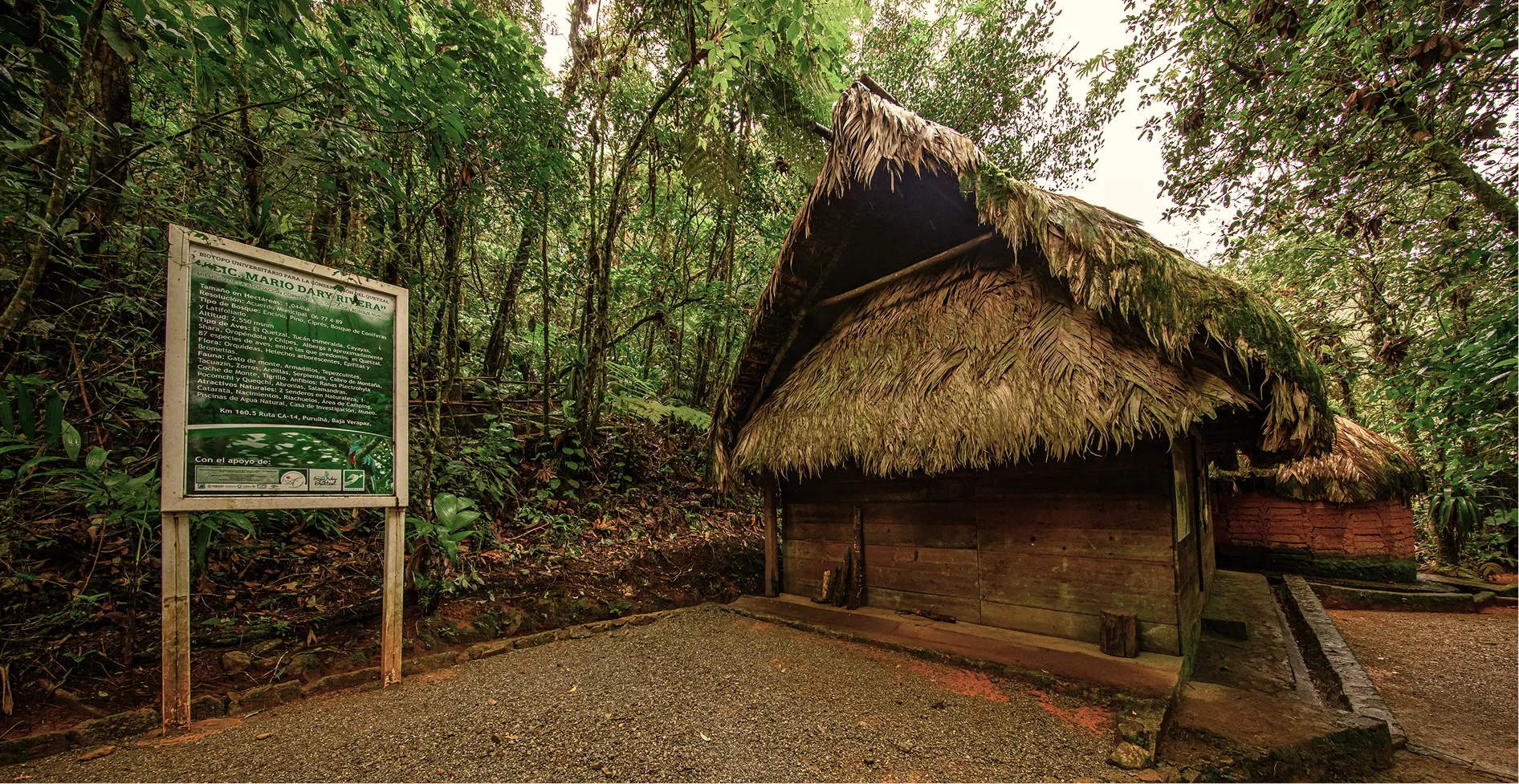
The Quetzal Biotope was established in 1976 with the aim of protecting the natural habitat of the resplendent quetzal and conserving the region’s cloud forests. Its official name is the Mario Dary Rivera Protected Biotope, in honour of one of the driving forces behind environmental conservation in Guatemala.
The protected area encompasses more than 1,000 hectares of cloud forest, home to birds, mammals, orchids, mosses and ferns characteristic of these humid mountain ecosystems. This natural wealth makes the Quetzal Biotope in Guatemala one of the country’s most important sites for conservation and environmental education.
Understanding the origins of the Quetzal Biotope also allows us to appreciate the role it plays in protecting one of Guatemala’s most fragile ecosystems, which has historically been threatened by deforestation.
How to get to the Quetzal Biotope
Getting to the Quetzal Biotope is relatively straightforward from Cobán and other parts of Alta Verapaz. The most common route starts from Cobán, taking approximately 1.5 to 2 hours along a mountain road towards Purulhá, passing through some of the region’s greenest landscapes.
From Guatemala City, the journey usually takes between 4 and 5 hours, depending on traffic and weather conditions. Many travellers opt for private transport or organised tours, although there are also bus services to nearby towns.
Access is well signposted and basic facilities are available, making the Quetzal Biotope a convenient stop on a tour of Alta Verapaz and Baja Verapaz.
When to visit the Quetzal Biotope
The Quetzal Biotope can be visited all year round, although the dry season, between November and April, generally offers the best conditions for walking the trails and enjoying the cloud forest. For those hoping to increase their chances of spotting quetzals, the months between February and May usually coincide with peak breeding activity.
The climate is cool and humid for much of the year, with temperatures on the low side by Guatemalan tropical standards. The frequent mist is an essential part of the landscape and contributes greatly to the charm of the place.
During the rainy season, the forest is at its most lush, although some trails may be more slippery due to the dampness.
Access to the Quetzal Biotope
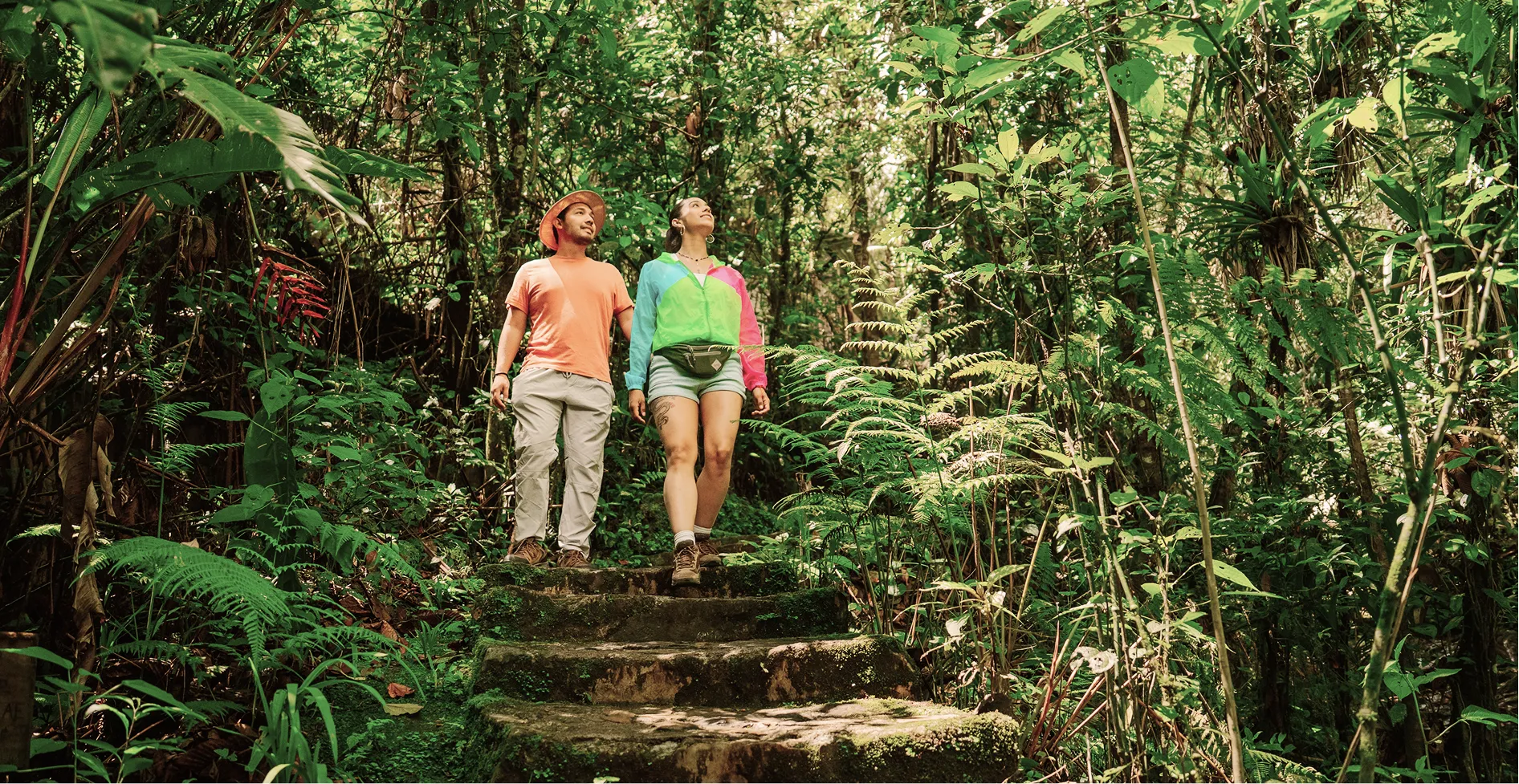
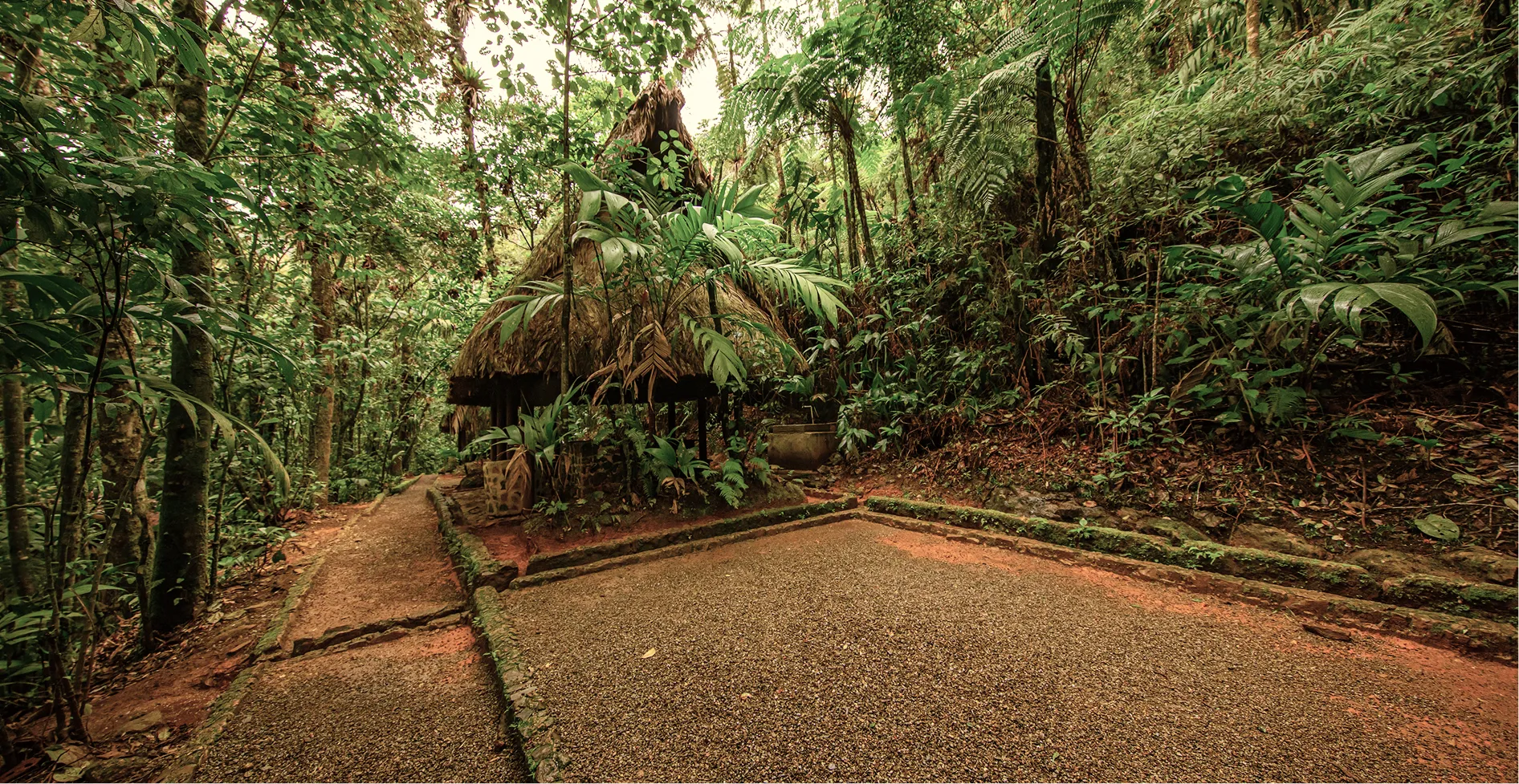
Visitors can explore the Quetzal Biotope mainly on foot, following signposted trails that wind through different areas of the cloud forest. There are short walks and others that are somewhat more challenging, generally ranging from low to moderate difficulty.
Due to the damp terrain, uneven ground and the nature of the forest, accessibility for people with disabilities may be limited in some areas. Even so, much of the main area can be explored without requiring significant physical effort, particularly on the shorter routes.
Overall, the Quetzal Biotope in Guatemala is an ideal destination for travellers seeking a peaceful, educational experience with a strong focus on biodiversity.
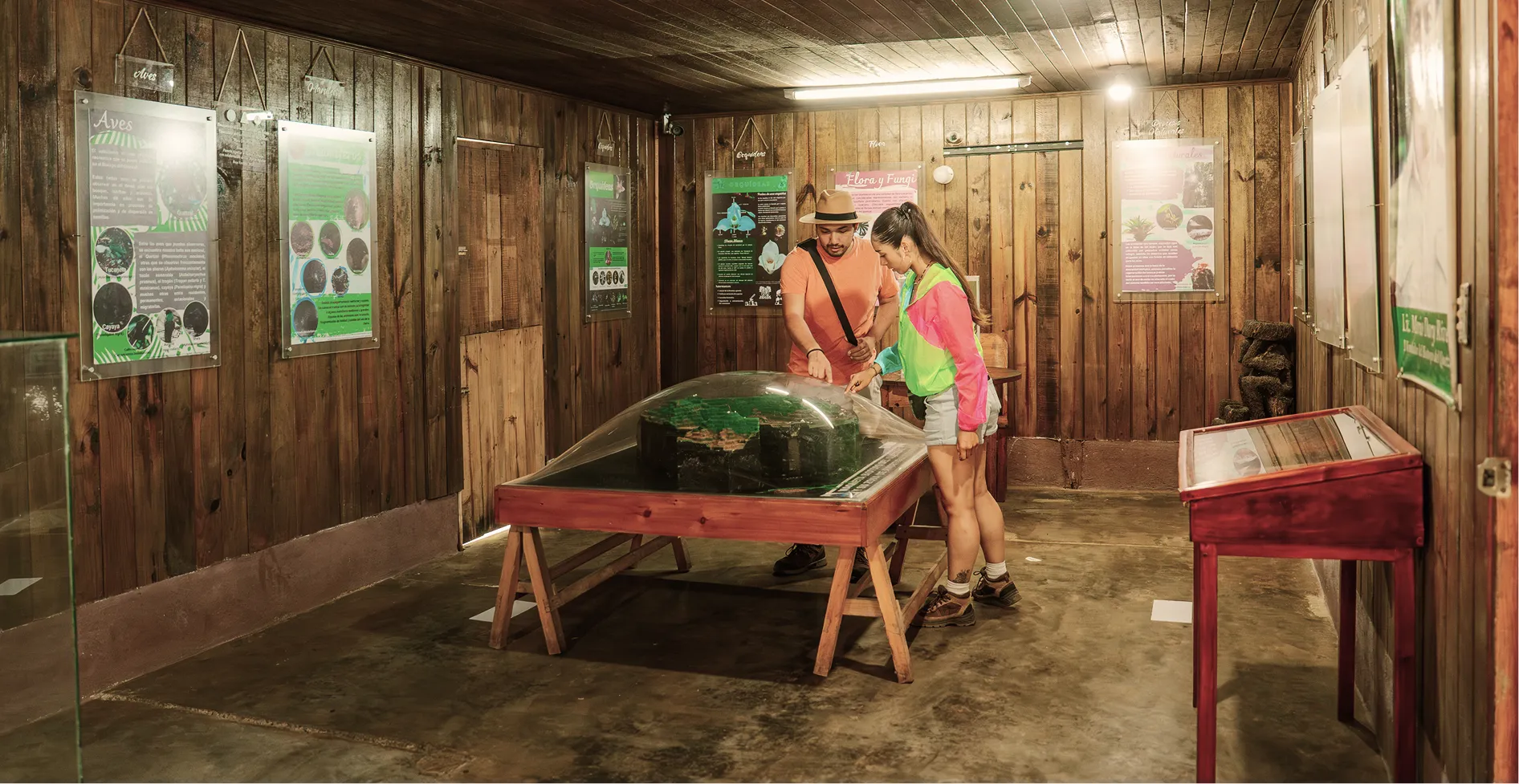
Things to do at the Quetzal Biotope
Spotting the resplendent quetzal
The main activity at the Quetzal Biotope is trying to spot the resplendent quetzal in the wild, particularly during the right season. Although sightings are never guaranteed, the protected area is one of the best-known places in Guatemala to try.
Walking along cloud forest trails
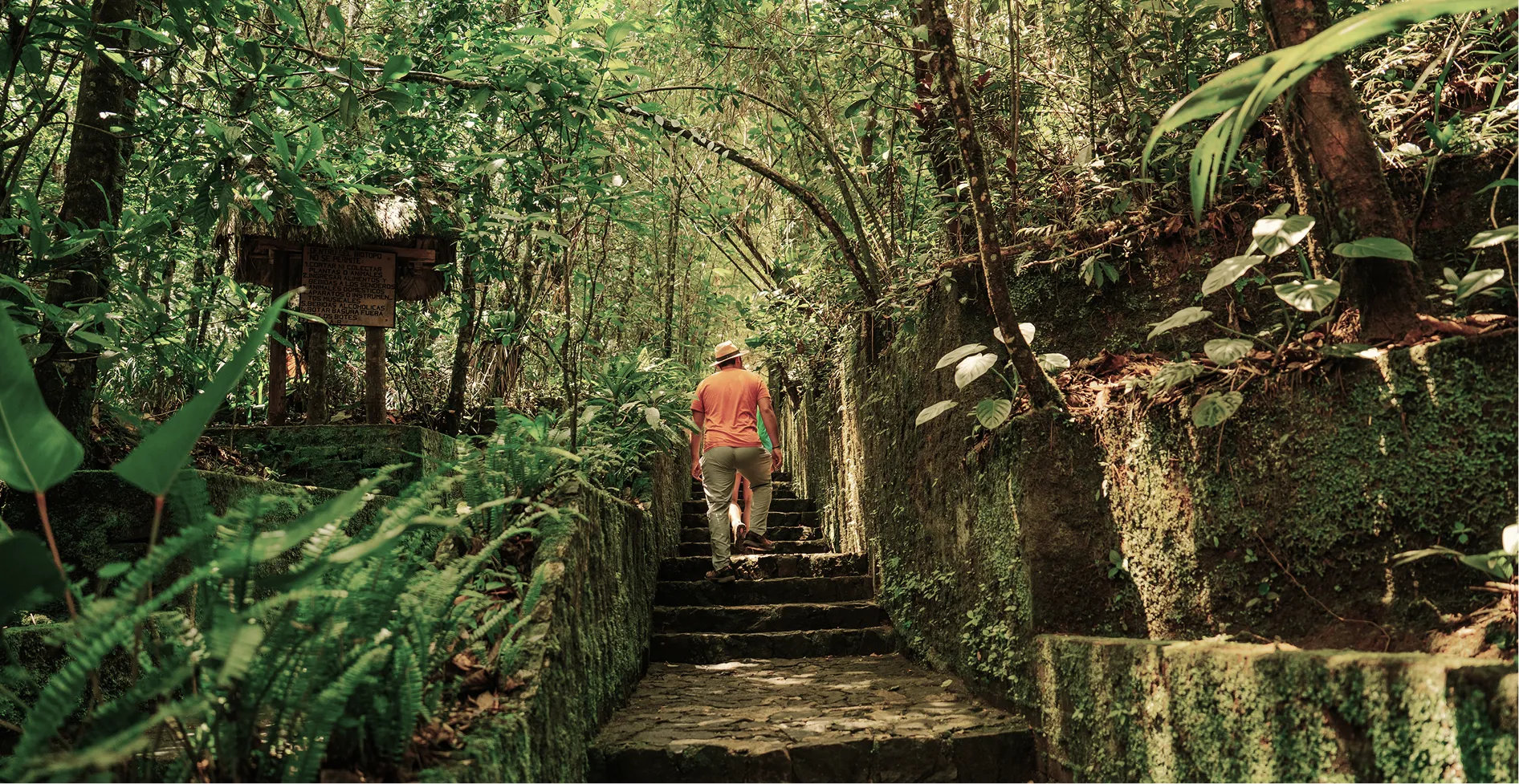
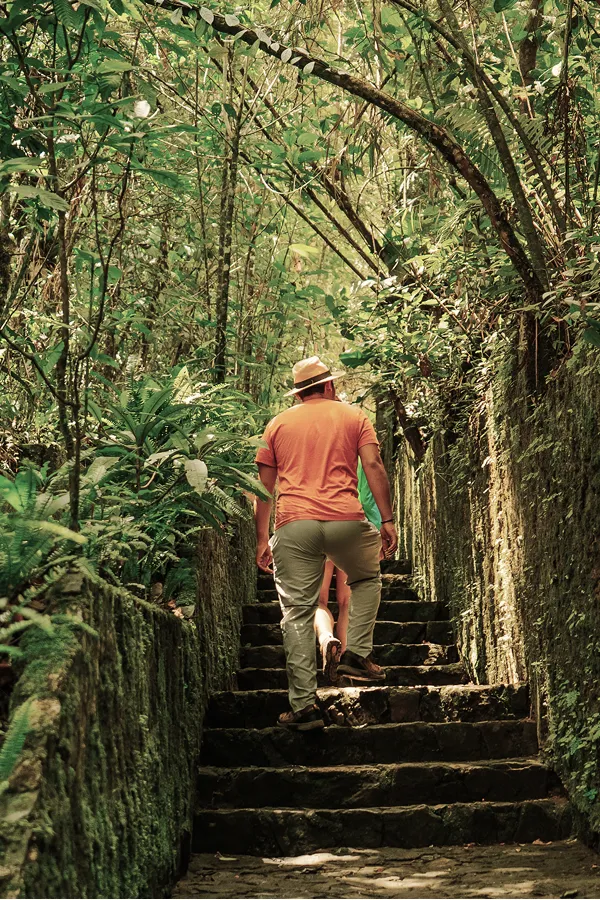
Walking along its interpretive trails is one of the best ways to get to know the ecosystem. Giant ferns, moss-covered trees, constant mist and the sounds of the forest make the walk an immersive experience.
Nature and bird photography
The soft light, humidity and biodiversity make the Quetzal Biotope a particularly attractive spot for landscape, bird and macro photography.
Combining the Quetzal Biotope with other natural wonders
Many travellers combine their visit with trips to Cobán, Semuc Champey or Laguna Lachuá, creating itineraries centred on nature and ecotourism in the Verapaces.
Places
Map of Guatemala’s must-see destinations
Protected cloud forest
The area is home to more than a thousand hectares of cloud forest, one of Guatemala’s most biodiverse and fragile ecosystems.
Quetzal Sanctuary
It was created specifically to protect the habitat of the resplendent quetzal, one of the country’s most important natural symbols.
Constant mist
Moisture and condensation are an essential part of the landscape and enable the growth of mosses, orchids and dense vegetation.
Nature tourism
The Quetzal Biotope is one of the best places in the country for leisurely walks, birdwatching and getting up close to biodiversity.

What to see
Landmarks of the Quetzal Biotope
Use our AI-powered planner to plan your visit to the Quetzal Biotope
Save places, routes and experiences
Natural destinations
Other natural wonders in Guatemala
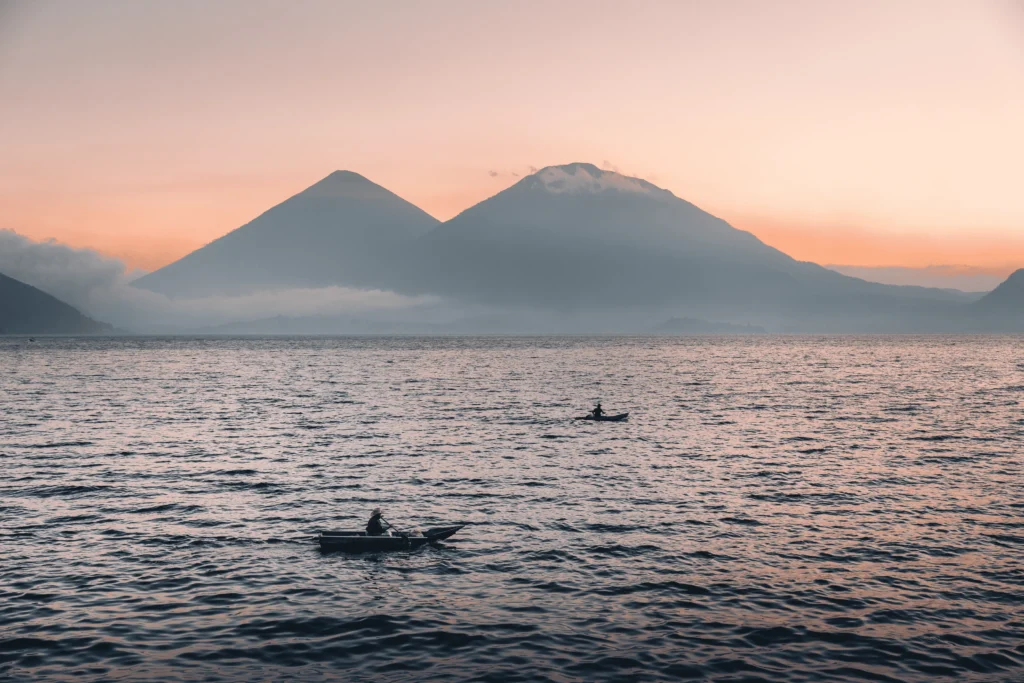
Lake Atitlán
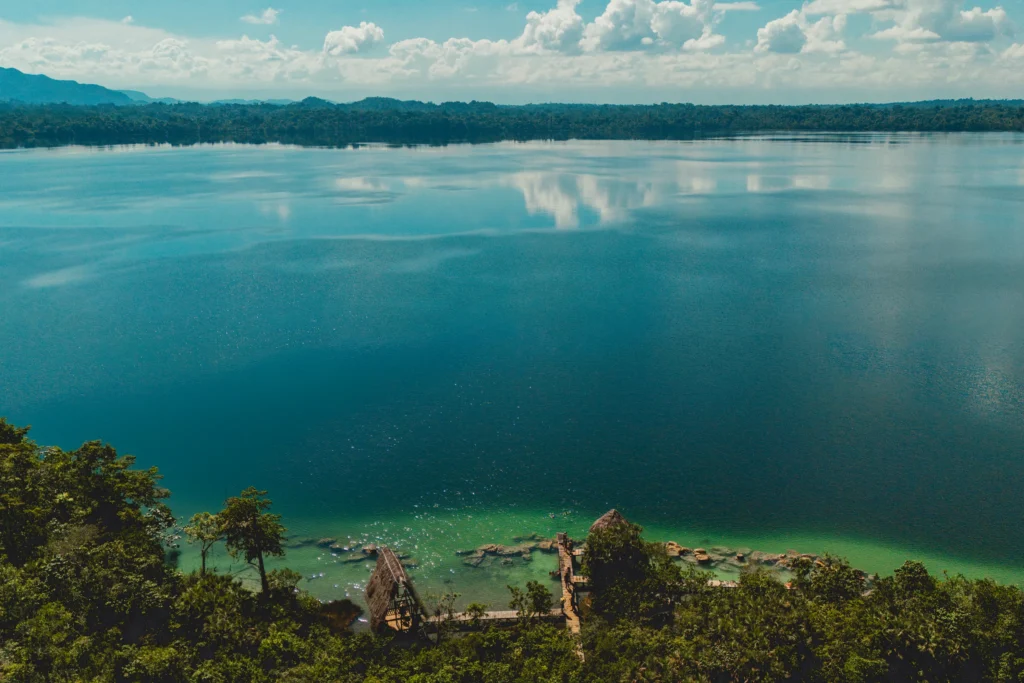
Laguna Lachuá National Park
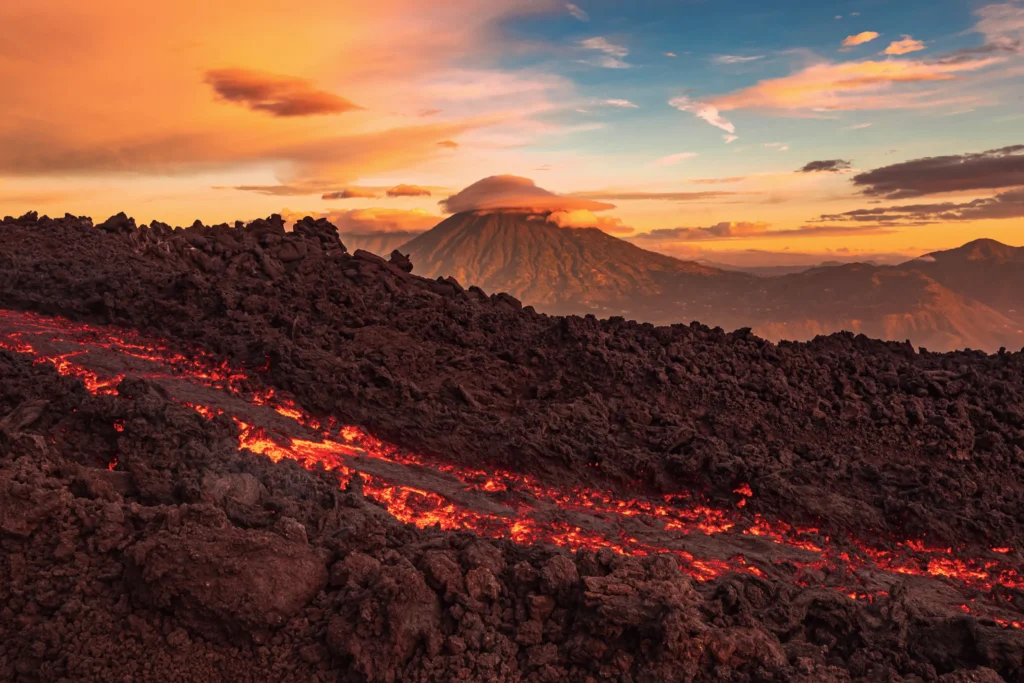
Pacaya Volcano
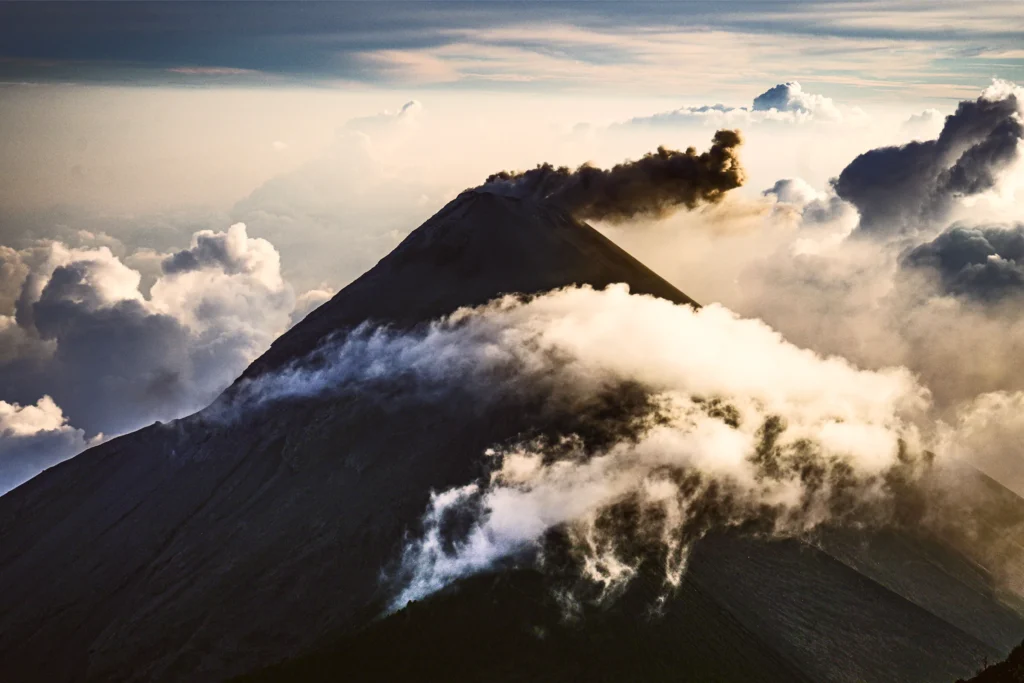
Acatenango Volcano
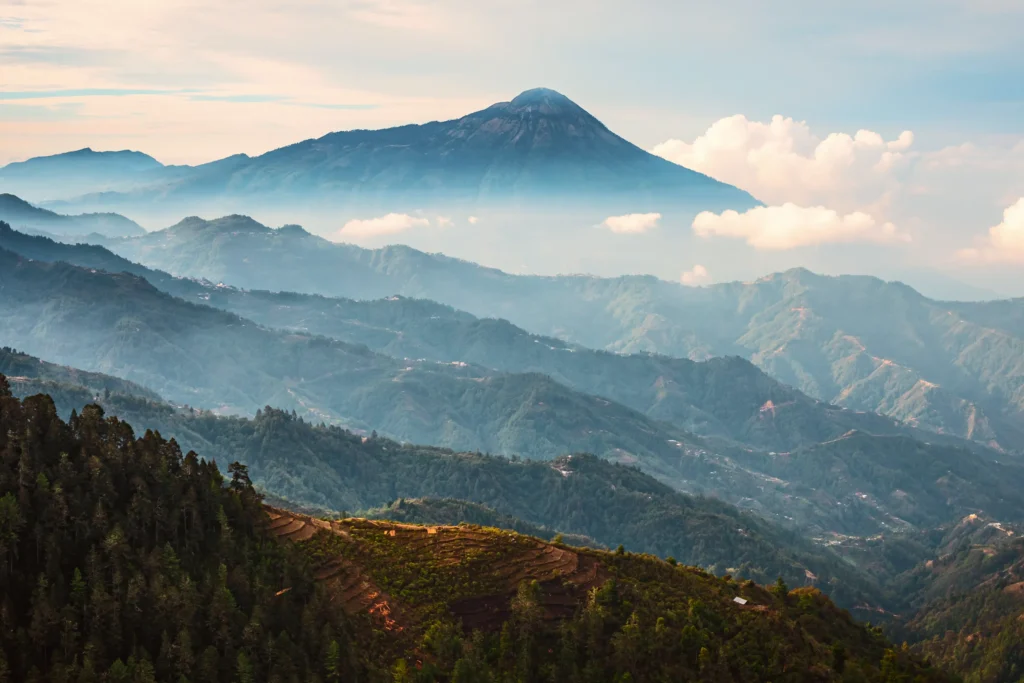
Tajumulco Volcano
Blog posts
Interesting articles about the Quetzal Biotope and other sites
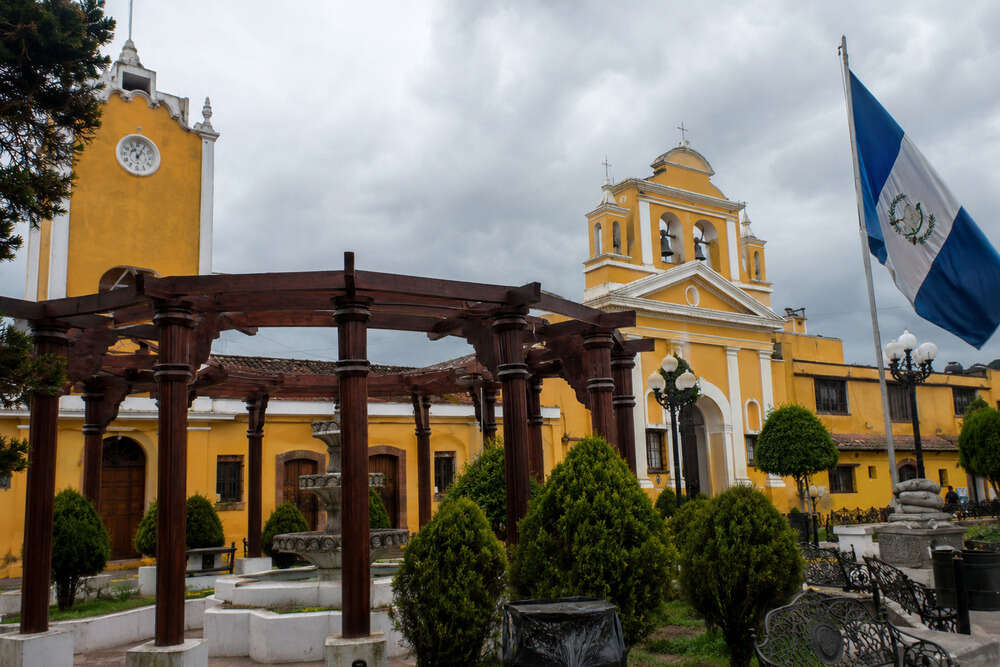
What to see and do in Salcajá, Guatemala
Salcajá, Quetzaltenango, is one of those places that looks small on the map but holds far more history than you […]
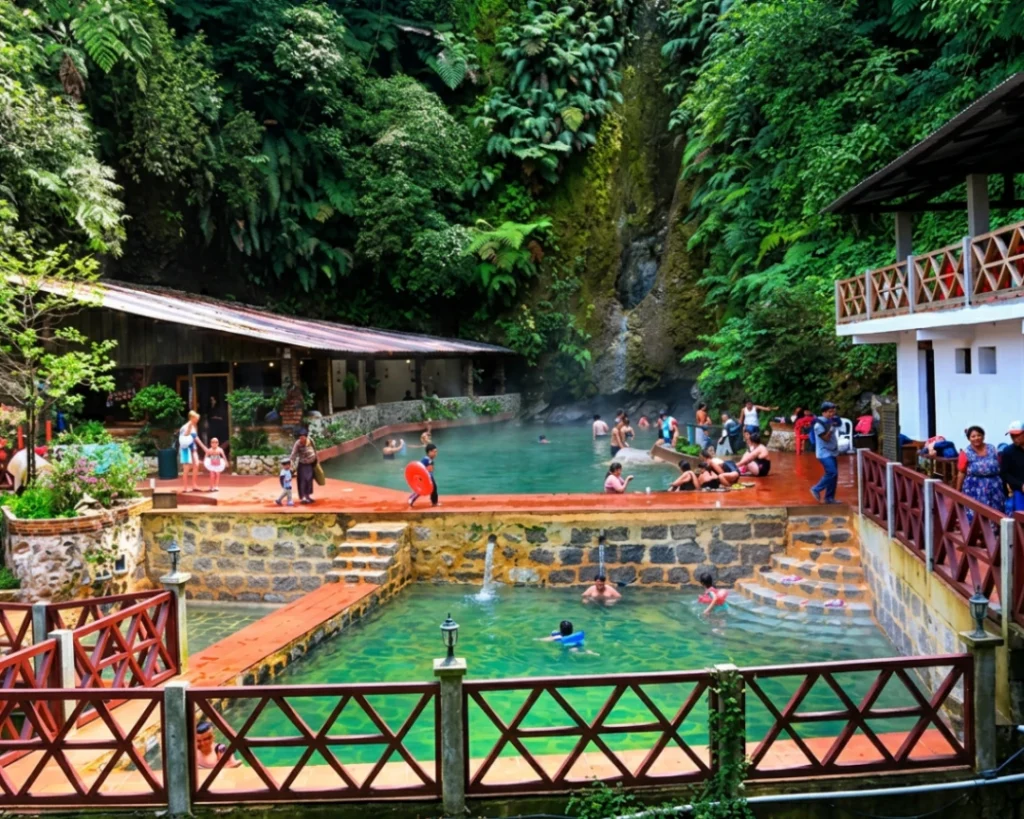
What to see and do at the Fuentes Georginas
The Fuentes Georginas are one of the most relaxing places to visit near Quetzaltenango. Hot spring pools, steam, lush vegetation, […]
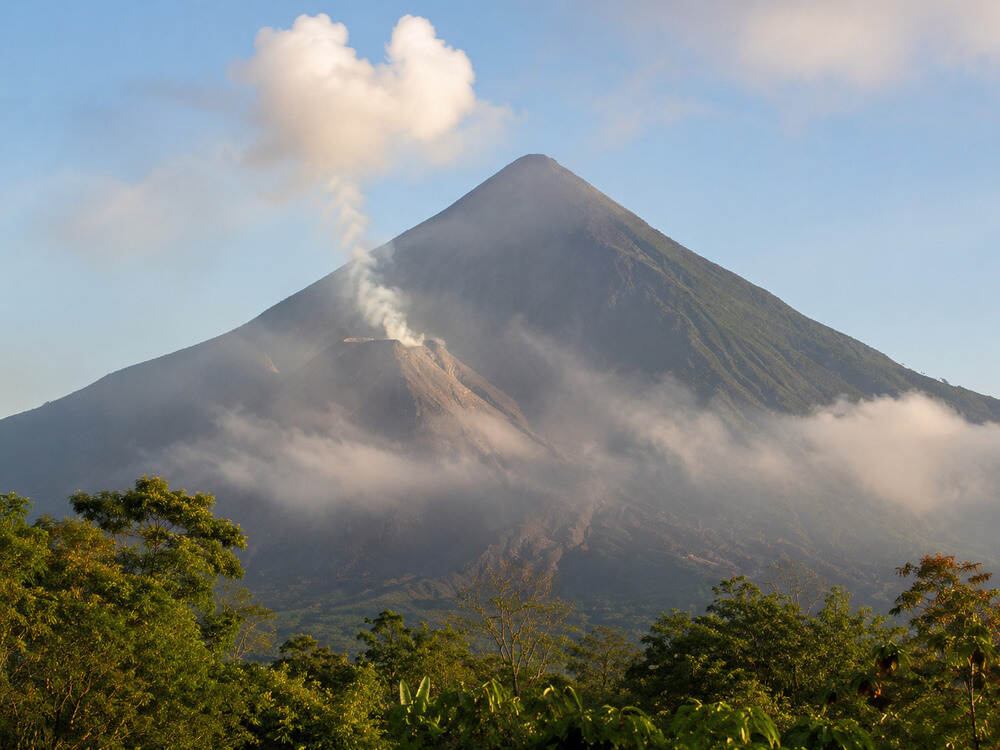
What to see and do at the Santa María Volcano
Are you planning a trip to western Guatemala and fancy a bit of adventure? Don’t miss this: come and climb […]
Frequently Asked Questions
What is there to see at the Quetzal Biotope?
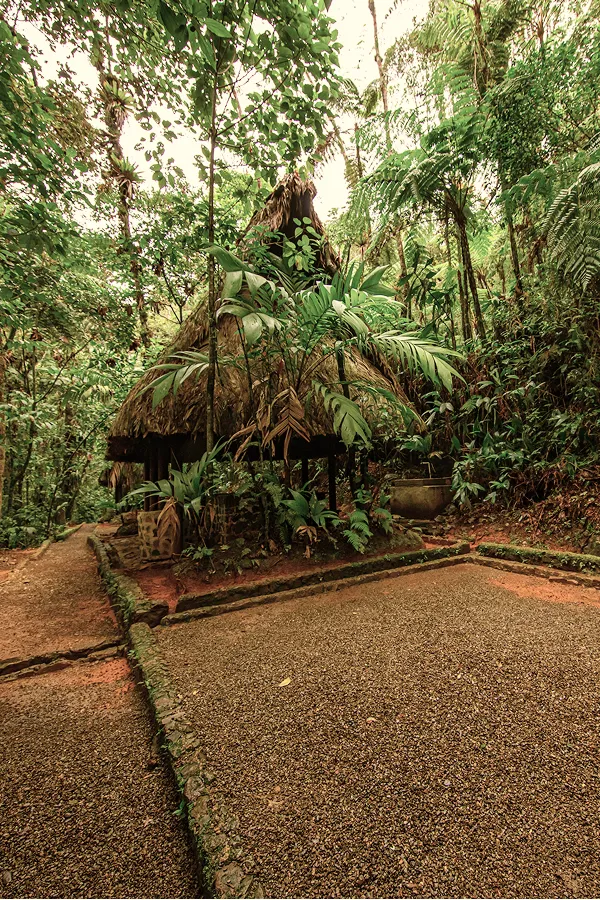
The Quetzal Biotope is one of the best places in Guatemala to immerse yourself in an authentic cloud forest. During your visit, you’ll find trails surrounded by giant ferns, moss-covered trees, small waterfalls and vegetation that looks as though it’s straight out of a mountain jungle. Although many people come in the hope of spotting a quetzal, the main attraction lies in the atmosphere of the place itself: constant mist, the sounds of birds and an incredibly green and humid environment.
Is the Quetzal Biotope worth a visit?
Yes, especially if you enjoy nature and want to discover a landscape that’s very different from the volcanoes or tropical rainforests of the Petén. The Quetzal Biotope offers a much more peaceful and contemplative experience, perfect for unwinding and going for a walk through mountain forests. What’s more, it’s one of the few places where there’s still a real chance of spotting the quetzal in the wild – something very special for travellers interested in wildlife and biodiversity.
How long does it take to visit the Quetzal Biotope?
The visit usually lasts between 2 and 4 hours, depending on the trail you choose and how much time you spend exploring the forest at a leisurely pace. The Quetzal Biotope is ideal as a stop-off on a tour of the Verapaces, although many travellers choose to stay longer in the region to explore other nearby natural areas. The paths are relatively easy to navigate, but the humid climate and mist make the experience feel much more immersive.
What makes the Quetzal Biotope special?
What makes the Quetzal Biotope such a unique place is precisely its ecosystem. It is home to one of the country’s best-protected cloud forests, which is home to the quetzal — Guatemala’s national bird — and a vast array of plant and animal species. Unlike other natural wonders that may appear more spectacular at first glance, this place stands out for its sense of tranquillity, biodiversity and connection with nature. It is a place to take your time and appreciate the small details of the forest.