


Guide to the Acatenango Volcano
Where every step brings you closer to the sky
Welcome to the Acatenango Volcano
The Acatenango Volcano offers one of the most breathtaking adventure experiences in Guatemala and one of the most memorable treks in Central America. Situated very close to Antigua Guatemala, this volcano combines physical challenge, high-mountain landscapes and spectacular views of the Fuego Volcano, one of the continent’s most active volcanoes. For many travellers, climbing Acatenango Volcano is one of the country’s greatest experiences, thanks to the combination of extreme natural surroundings, high-altitude camps and panoramic views that are hard to forget.
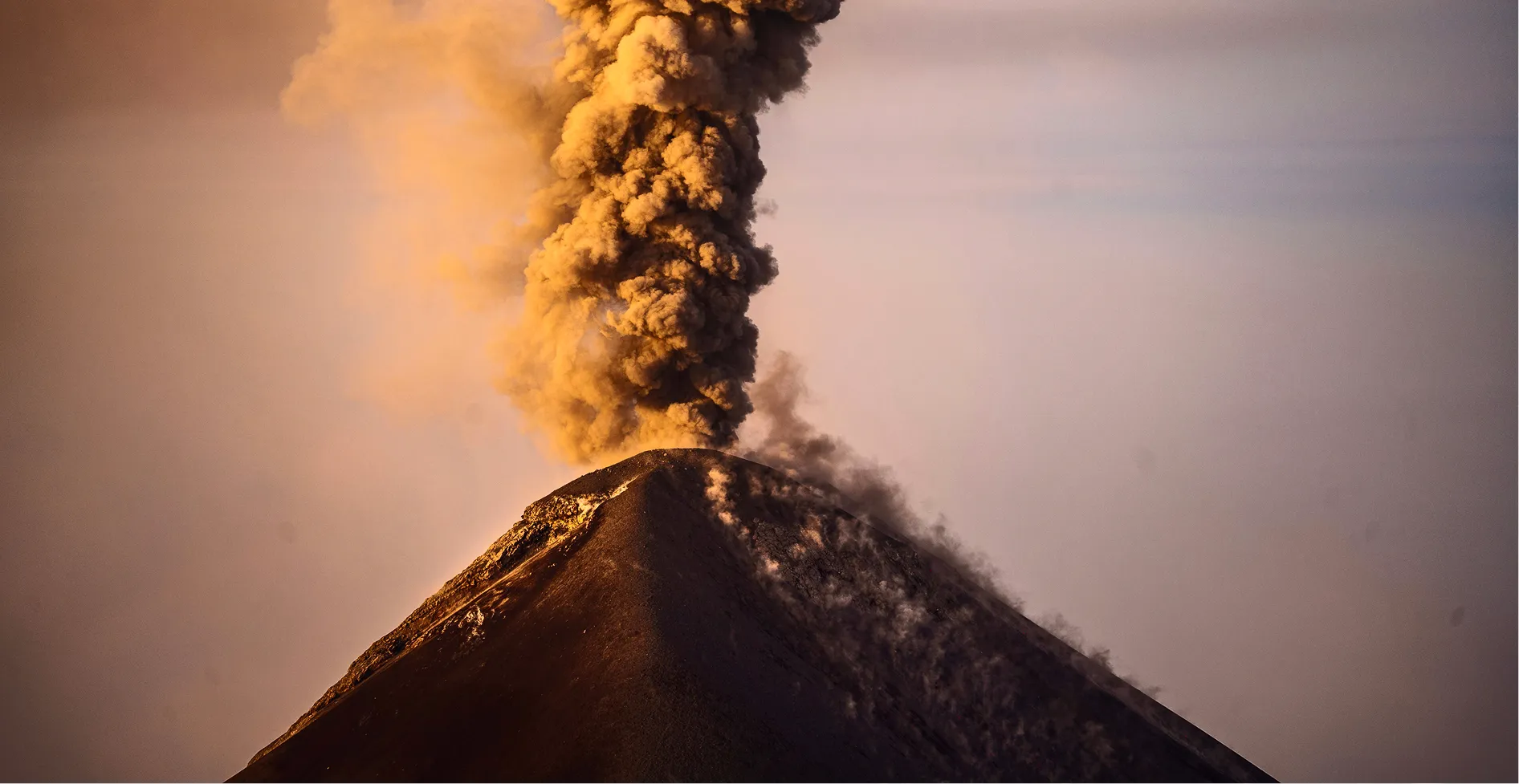
Standing at an altitude of 3,976 metres above sea level, Guatemala’s Acatenango Volcano passes through several ecosystems during the ascent, ranging from agricultural areas and cloud forest to high-mountain volcanic landscapes. The chance to witness eruptions of the Fuego Volcano from a safe distance, particularly at sunset or at night, makes this excursion one of the most spectacular in Guatemala.
Situated between the departments of Sacatepéquez and Chimaltenango, the Acatenango Volcano is relatively accessible from Antigua Guatemala, making it easy to organise one- or two-day excursions. For those seeking adventure, volcanic landscapes and an intense mountain experience, a trip to the Acatenango Volcano is an unmissable stop.
The Origins of the Acatenango Volcano
The Acatenango Volcano forms part of the Central American Volcanic Arc, a chain of volcanoes formed by the interaction between the Cocos Plate and the Caribbean Plate. Its geological evolution is closely linked to the neighbouring Fuego Volcano, with which it forms the volcanic complex known as La Horqueta, one of the most impressive formations in the Guatemalan highlands.
The massif comprises two main peaks, Pico Mayor and Yepocapa, formed by successive volcanic eruptions over thousands of years. Although the Acatenango Volcano is considered dormant — its last recorded eruption took place in 1972 — its proximity to the Fuego Volcano creates one of the most spectacular volcanic landscapes in Guatemala.
Understanding the origin of the Acatenango Volcano allows you to better appreciate the enormous diversity of the route. In just a few hours’ walk, the landscape changes from farmland and rainforest to high-altitude volcanic terrain, showcasing some of the country’s most striking natural contrasts.
How to get to the Acatenango Volcano
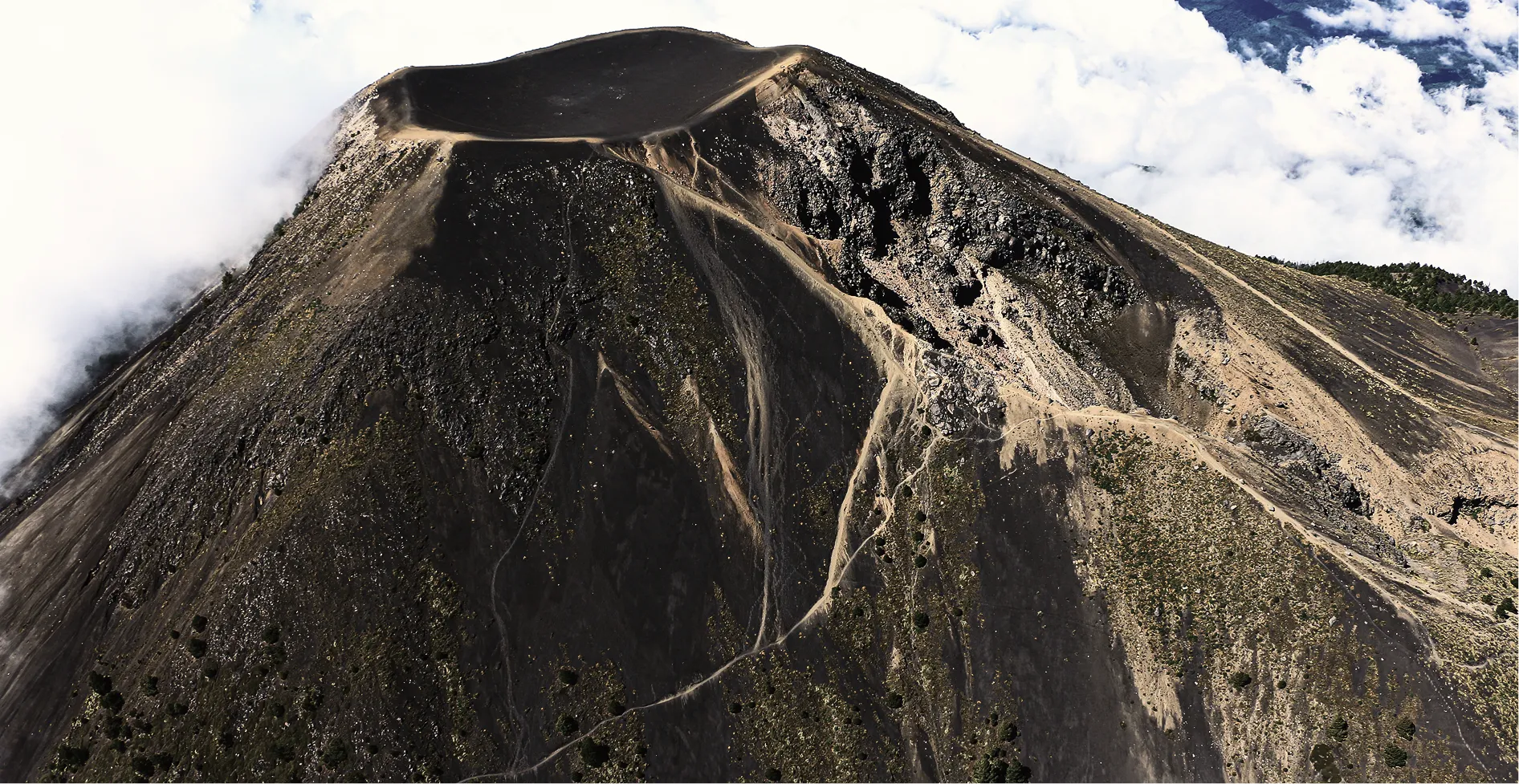
Getting to the Acatenango Volcano is relatively straightforward from Antigua Guatemala, the main starting point for most excursions. The drive to the village of La Soledad, one of the most common starting points for the trek, usually takes between 1 and 1.5 hours.
From Guatemala City, the journey can take between 2 and 2.5 hours, depending on traffic. For this reason, many travellers prefer to stay in Antigua Guatemala the night before and start the excursion early to allow for acclimatisation and a good night’s rest.
Most tours to the Acatenango Volcano are organised as two-day, one-night trips, including transport, a guide, camping and basic equipment. Although there are options for a one-day ascent, spending the night at altitude allows you to enjoy the full experience: the sunset, the eruptions of the Fuego Volcano during the night and the sunrise from the summit.
When to visit the Acatenango Volcano
Acatenango Volcano can be visited all year round, although the best time is usually between November and April, during the dry season. During these months, visibility towards the Fuego Volcano is generally better, there is less mud on the trails, and you are more likely to enjoy clear sunrises over the Guatemalan highlands.
During the day, temperatures usually range between 10°C and 18°C, although at the campsite and near the summit it can get very cold, especially in the early hours of the morning, when temperatures often drop to around 0°C or even lower on particularly cold days. Packing thermal clothing, warm layers and wind protection usually makes a huge difference to the experience.
The wet season, between May and October, offers more lush landscapes and a more dramatic atmosphere, although rain can make the ascent more difficult and reduce visibility. Even so, many travellers undertake the trek during these months when weather conditions permit.
Access to the Acatenango Volcano
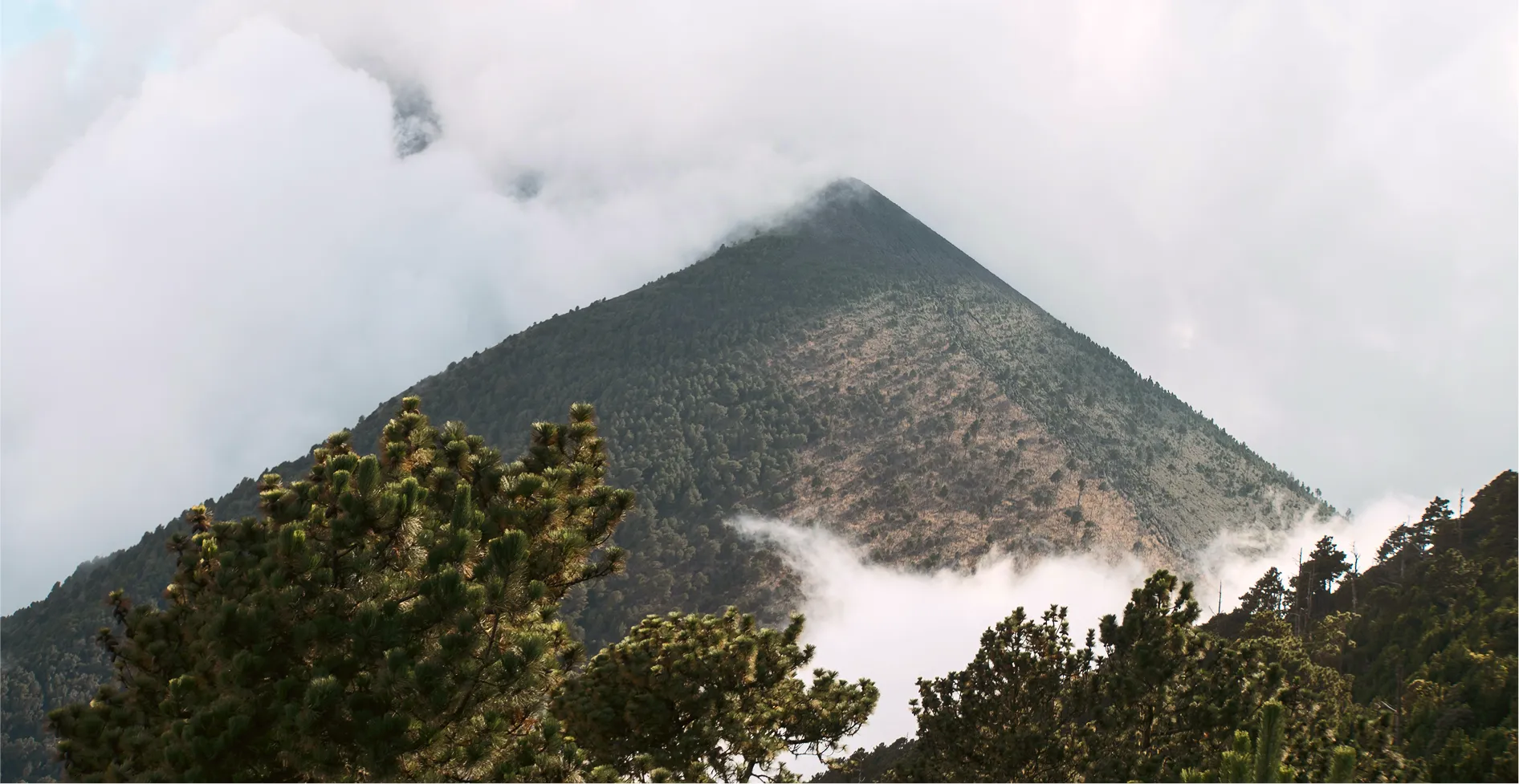
The difficulty of climbing the Acatenango Volcano is generally considered moderate to high. It does not require technical mountaineering experience, but it does require a good level of fitness, as the ascent involves several hours of continuous walking on a slope at high altitude.
The trek to base camp usually takes between 4 and 6 hours, whilst the final stretch to the summit — usually at dawn — adds a further 45 minutes to 1.5 hours, depending on the group’s pace and the terrain. The trail is well marked, although it includes steep sections, loose volcanic soil and sudden changes in temperature.
Accessibility is very limited due to the steep gradients and the natural characteristics of the route. Nevertheless, some tour operators provide porters to help carry rucksacks and equipment, making part of the experience easier for certain travellers.
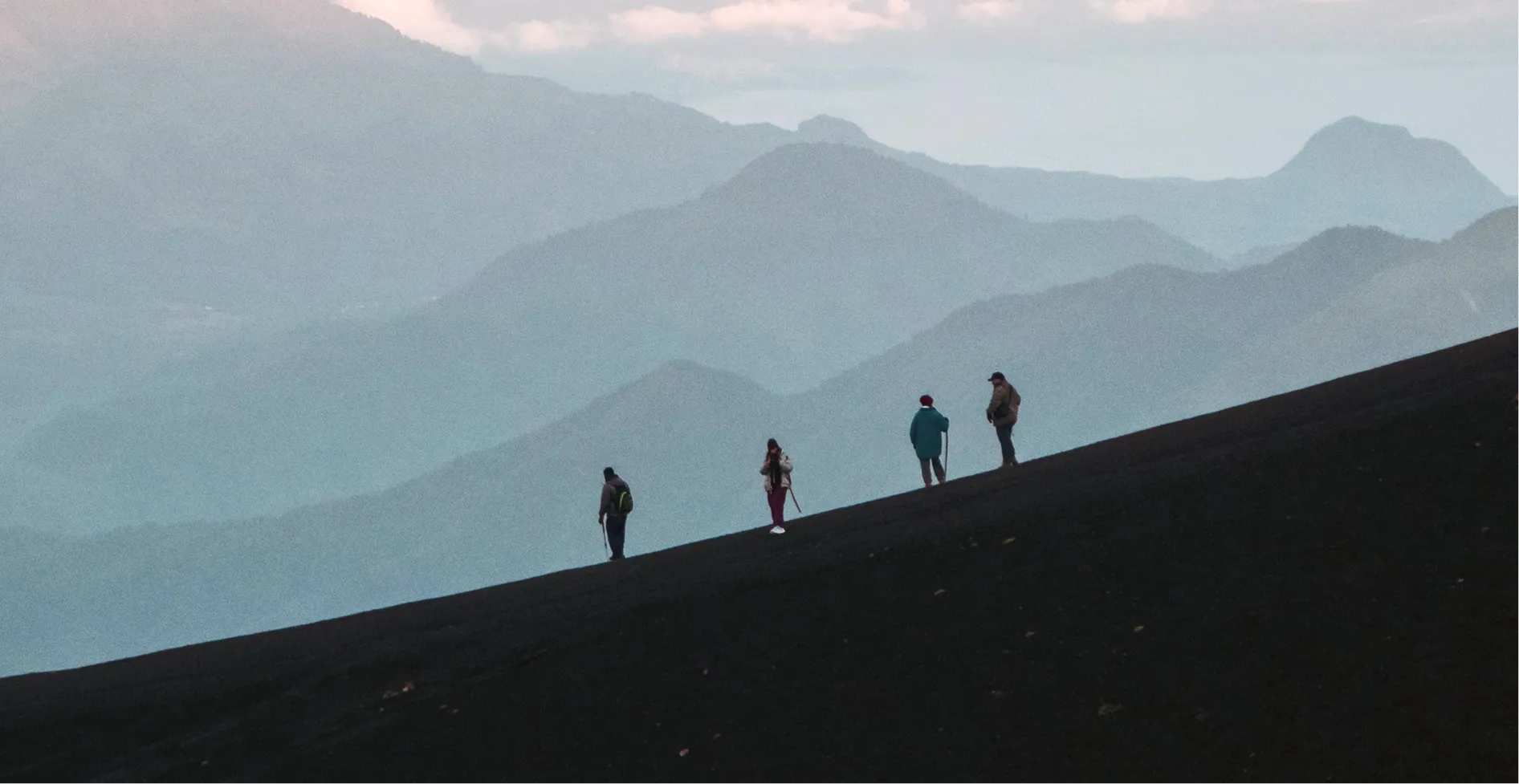
Things to do near the Acatenango Volcano
Climb the Acatenango Volcano and camp at high altitude
The main attraction is the trek to base camp and spending the night at high altitude. During the ascent, the landscape changes constantly, shifting from farmland and cloud forest to an open, much colder volcanic environment.
From the camp, the views of the Fuego Volcano are usually spectacular. On clear nights, you can see frequent eruptions, hear the sounds of volcanic activity and watch incandescent lava illuminating the slopes.
Watching eruptions of the Fuego Volcano
One of the main reasons for climbing the Acatenango Volcano is to witness the activity of the Fuego Volcano up close from a safe vantage point. The well-known Fuego viewpoint, accessible from some campsites, offers one of the most breathtaking views in the country.
The combination of darkness, stars, volcanic eruptions and ash plumes creates a scene that is hard to forget and makes this experience one of the most impressive in Guatemalan adventure tourism.
Reaching the summit of Acatenango Volcano
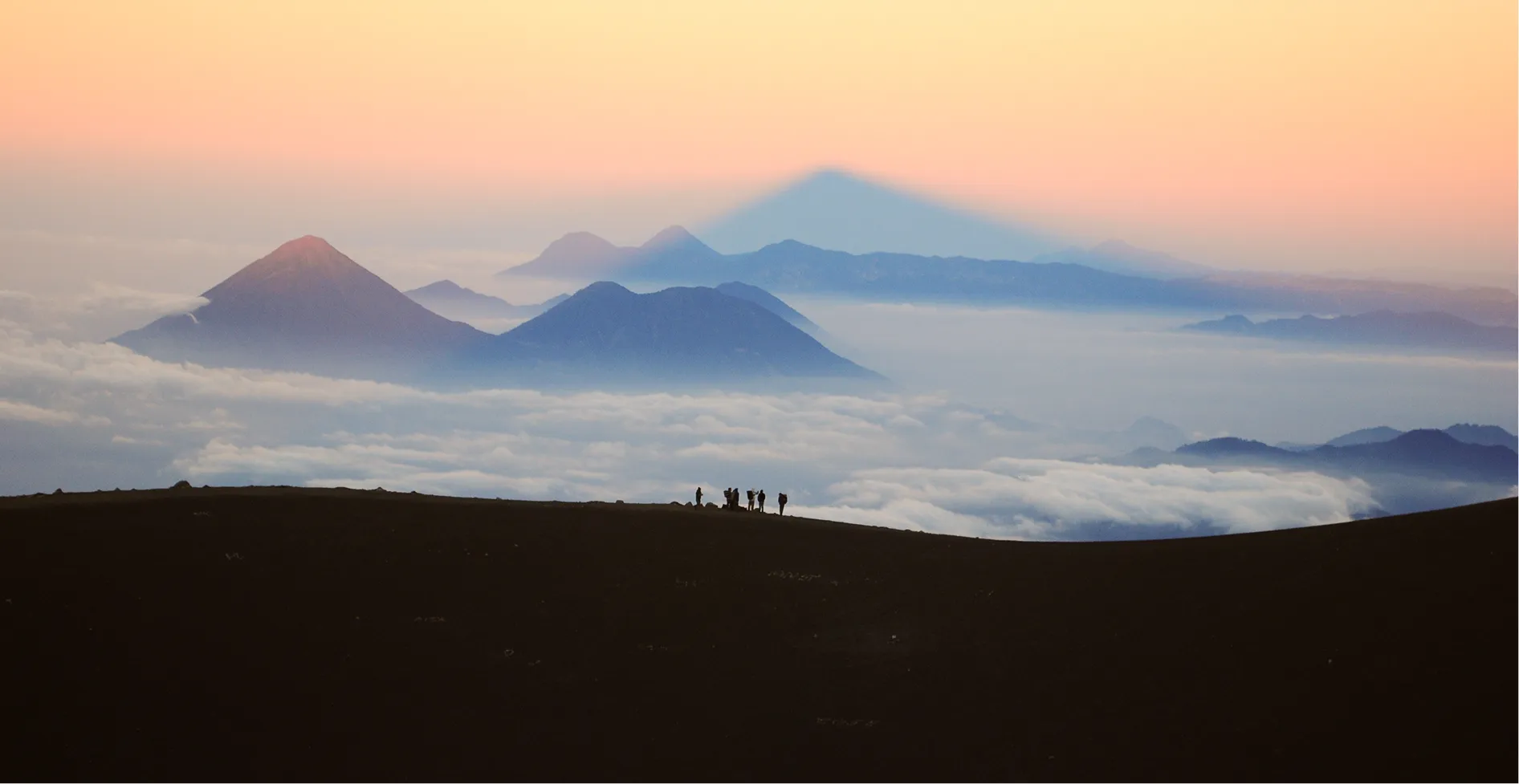
Reaching the summit of the Acatenango Volcano at dawn is one of the most memorable moments of the trek. From an altitude of 3,976 metres, you can enjoy panoramic views of volcanoes such as Agua, Fuego and Pacaya, and even Lake Atitlán on particularly clear days.
The final push is often demanding due to the cold, the altitude and the steep climb, but the spectacular views more than make up for the fatigue.
Combining Acatenango with Antigua Guatemala
Thanks to its proximity, many travellers combine a visit to the Acatenango Volcano with a stay in Antigua Guatemala. After the trek, the colonial city is the perfect place to relax, enjoy some fine dining and recover after one of the country’s most challenging hikes.
Places
Map of Guatemala’s must-see volcanoes
Almost 4,000 metres
At an altitude of 3,976 metres, the Acatenango Volcano is one of the highest volcanoes in Guatemala and offers some of the most sweeping views of the central highlands.
Sister volcanoes
The Acatenango and Fuego Volcanoes form part of the same volcanic complex, known as La Horqueta, which explains their spectacular visual proximity.
Microclimates
During the ascent, you pass through several different ecosystems, ranging from farmland and cloud forest to high-mountain volcanic landscapes.
A unique night-time experience
Few places in Latin America offer the chance to observe such an active volcano from a relatively close and safe distance as Acatenango does, opposite the Fuego Volcano.

What to see
Other must-see volcanoes in Guatemala
Use our AI-powered planner to plan your visit to the Acatenango Volcano
Save places, routes and experiences
Natural Wonders
Other natural wonders in Guatemala
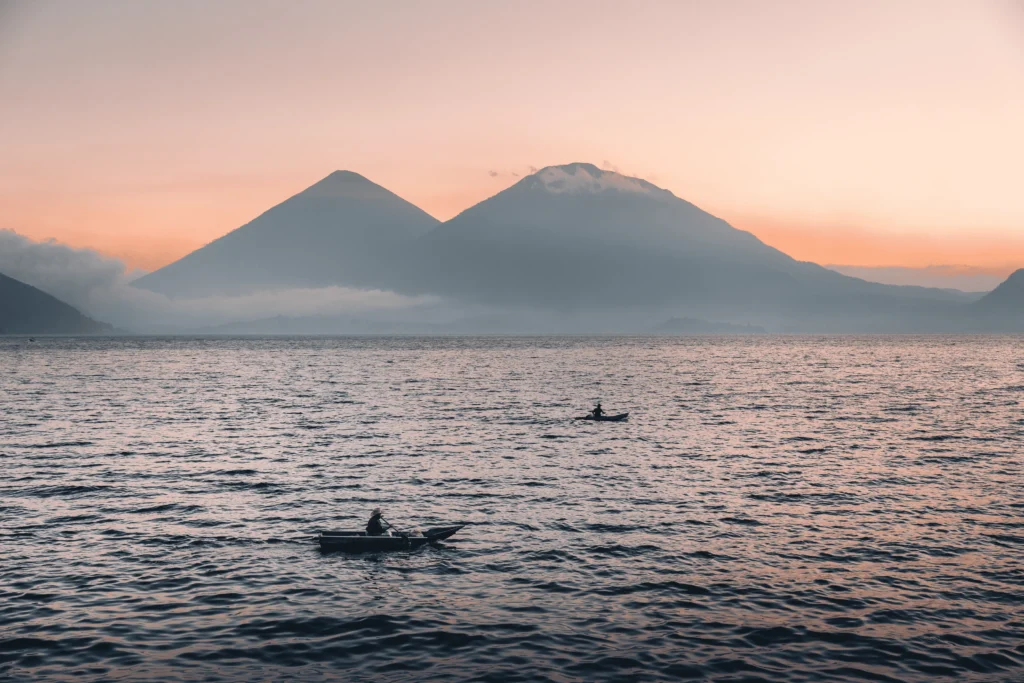
Lake Atitlán
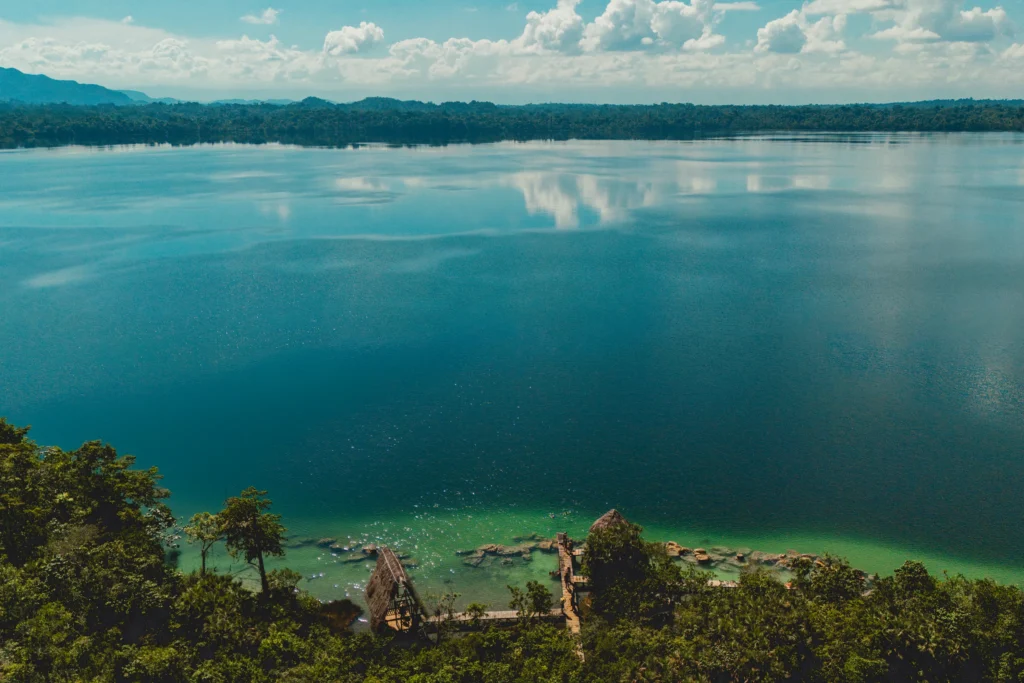
Laguna Lachuá National Park
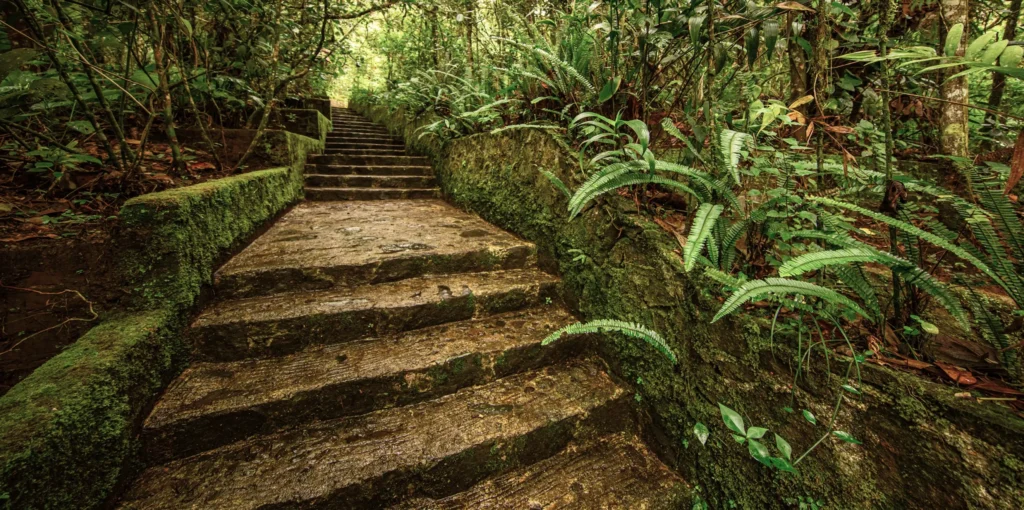
Quetzal Biotope
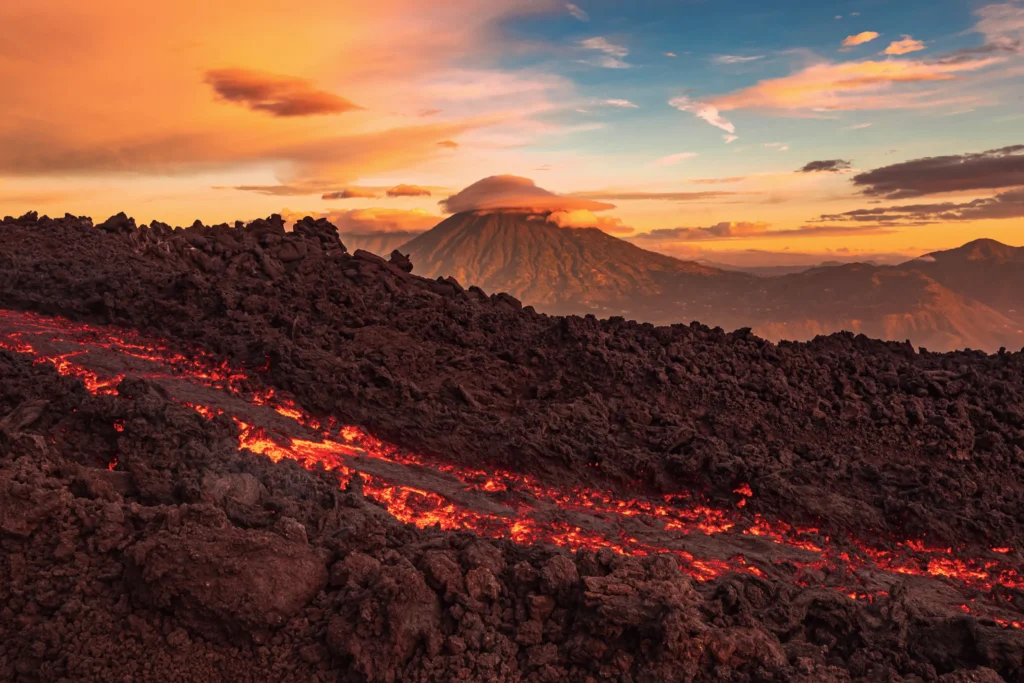
Pacaya Volcano
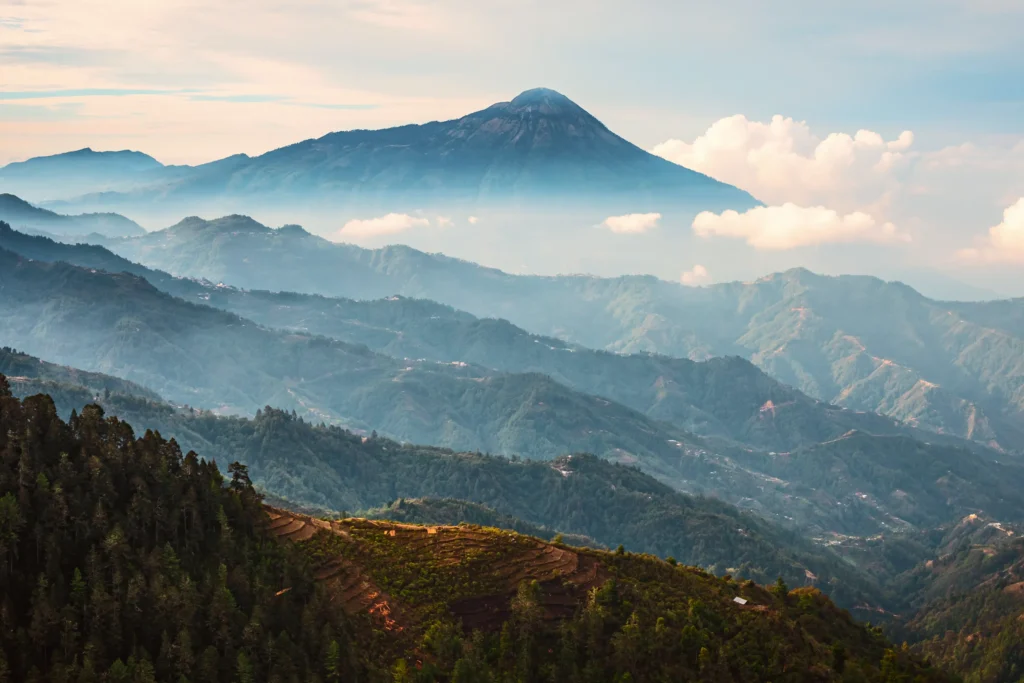
Tajumulco Volcano
Blog posts
Interesting articles about the Acatenango Volcano and other places
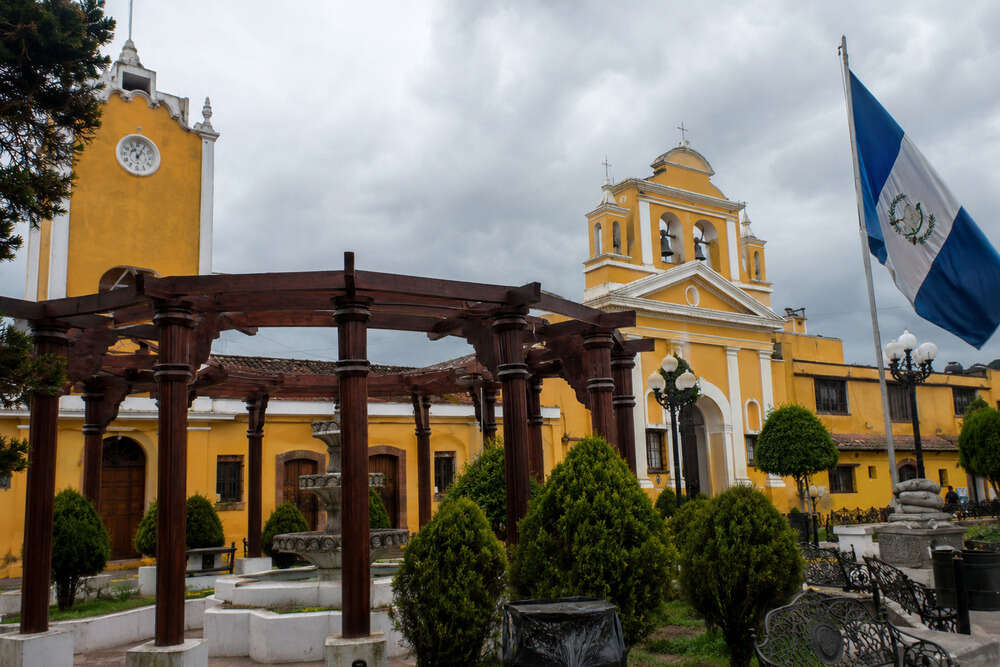
What to see and do in Salcajá, Guatemala
Salcajá, Quetzaltenango, is one of those places that looks small on the map but holds far more history than you […]
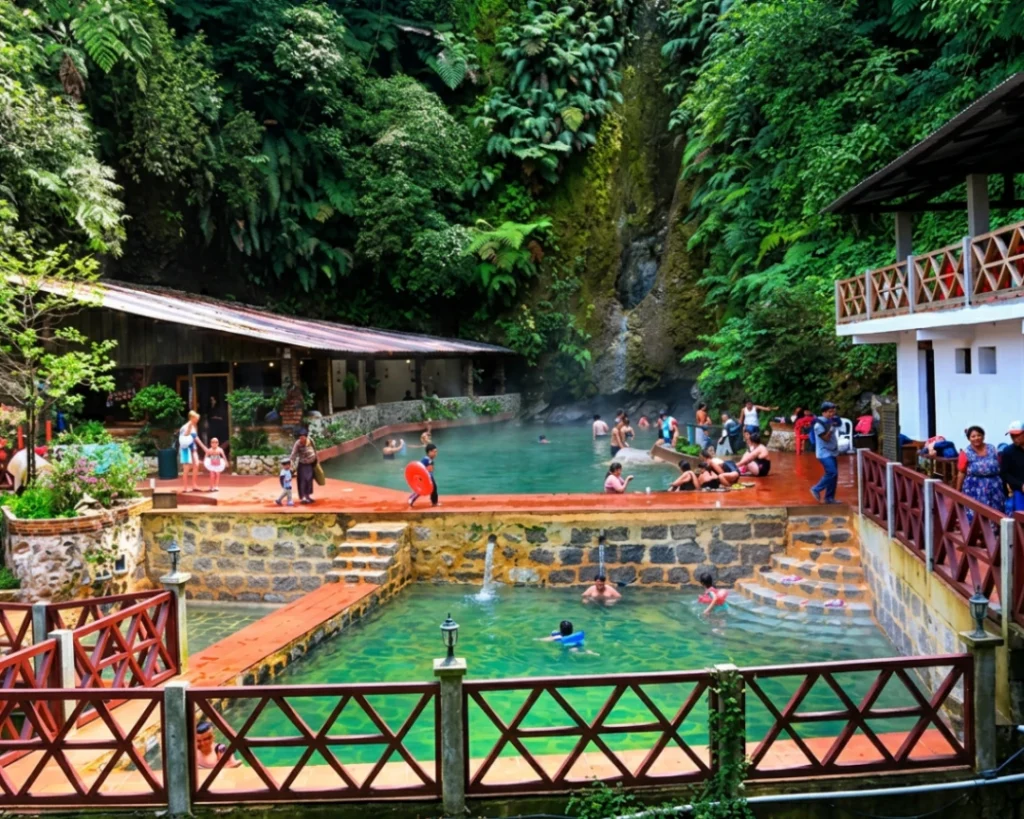
What to see and do at the Fuentes Georginas
The Fuentes Georginas are one of the most relaxing places to visit near Quetzaltenango. Hot spring pools, steam, lush vegetation, […]
What to see and do at the Santa María Volcano
Are you planning a trip to western Guatemala and fancy a bit of adventure? Don’t miss this: come and climb […]
Frequently Asked Questions
Is it worth climbing Acatenango volcano?
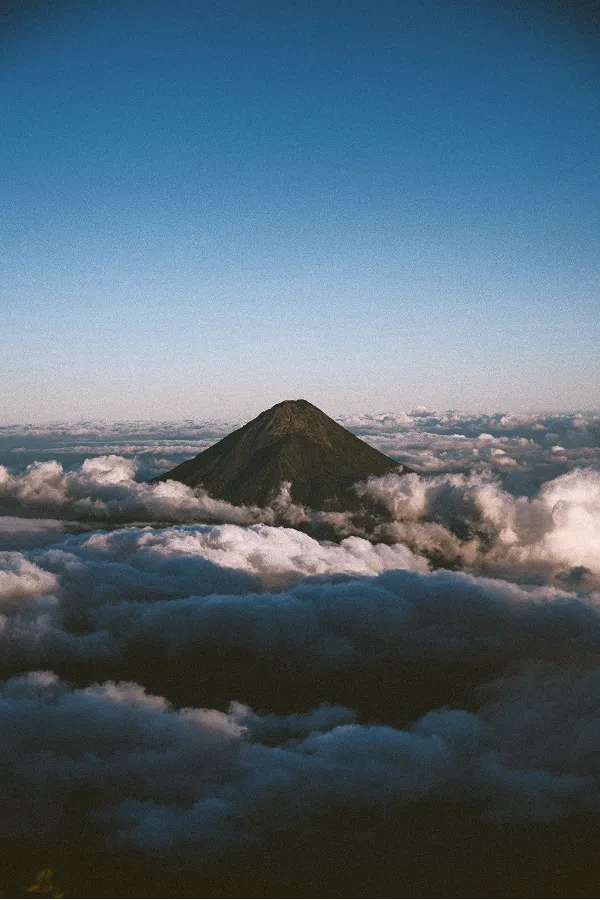
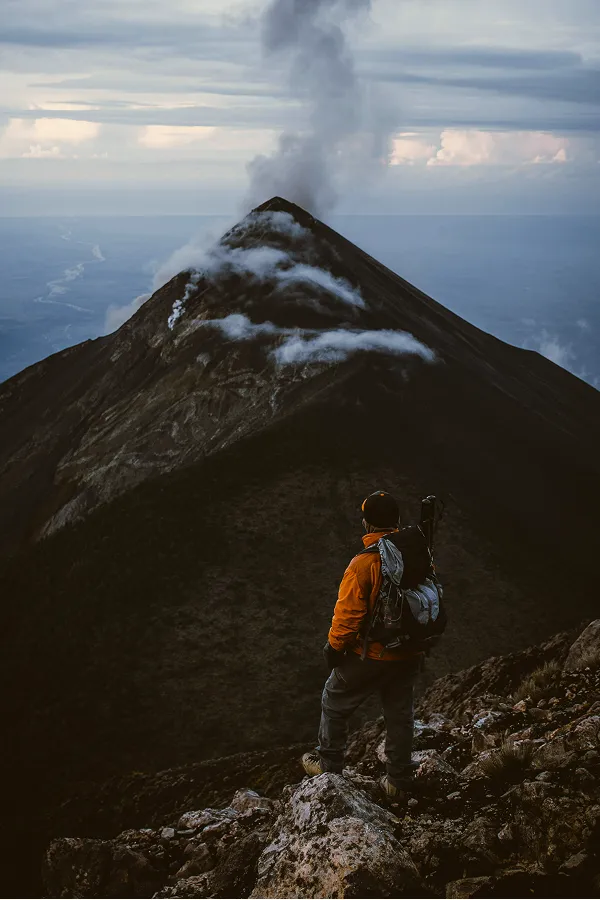
Yes, and for many travellers it is the most breathtaking experience in the whole of Guatemala. The climb up Acatenango Volcano stands out not only for the views from the summit, but also for the chance to watch the eruptions of the nearby Fuego Volcano almost in real time. Watching lava explosions light up the night sky from the campsite is something that’s hard to compare with any other trek in Central America. It’s a challenging adventure, but that’s precisely why the feeling of reaching the top is all the more special.
How long does the trip to the Acatenango volcano take?
Most trips to the Acatenango Volcano last 2 days and 1 night. On the first day, you hike up to base camp, which usually takes between 5 and 7 hours depending on your pace and the weather conditions. The second day usually begins at dawn so that you can reach the summit and watch the sunrise over the volcanoes of Guatemala before descending. Although there are one-day tours available, the full experience is much more rewarding if you spend the night facing the Fuego Volcano.
How difficult is the Acatenango volcano?
The trek to Acatenango Volcano is considered to be of medium-high difficulty. It does not require technical mountaineering experience, but it does require a good level of fitness, as much of the route is steep and takes place at a considerable altitude. One of the biggest challenges is not just the distance, but the cold, accumulated fatigue and the lack of oxygen on the final stretches. Even so, many people with no previous experience manage to complete it by pacing themselves well and taking frequent breaks during the ascent.
What should you take with you to the Acatenango volcano?
The weather on Mount Acatenango varies greatly between the base and the campsite, so being well-equipped is key to enjoying the experience. The most important thing is to wear warm, layered clothing, a hat, gloves and a good windproof jacket, as night-time temperatures can drop below zero. Hiking boots, a head torch, sun cream and plenty of water are also recommended. Many people underestimate the cold and end up finding the night more difficult than the hike itself, so being prepared makes all the difference.