


Guide to Antigua Guatemala
Where every cobbled street tells a story… and every volcano guards a memory
Welcome to Antigua Guatemala
Antigua Guatemala is one of the most beautiful colonial cities in Central America, a destination where history, culture, and volcanoes coexist in a setting that is easy to explore on foot. Surrounded by stunning volcanic landscapes and renowned for its well-preserved architecture, the city has established itself as one of the must-see destinations in Guatemala.
Its historic centre, designated a UNESCO World Heritage Site in 1979, is characterised by its cobbled streets, colourful façades, colonial courtyards, and the ruins of ancient convents and churches that bear witness to the past of the country’s former capital. As well as its heritage value, Antigua Guatemala offers a relaxed atmosphere, charming cafés, craft markets, and one of the country’s most interesting food scenes.
If you’re looking for things to see in Antigua Guatemala, you’ll find a well-rounded mix of heritage, culture, cuisine, and nature. It’s the perfect destination both for aimless strolls through squares and past historic monuments and for organising day trips to nearby volcanoes and villages.
Traditions of Antigua Guatemala
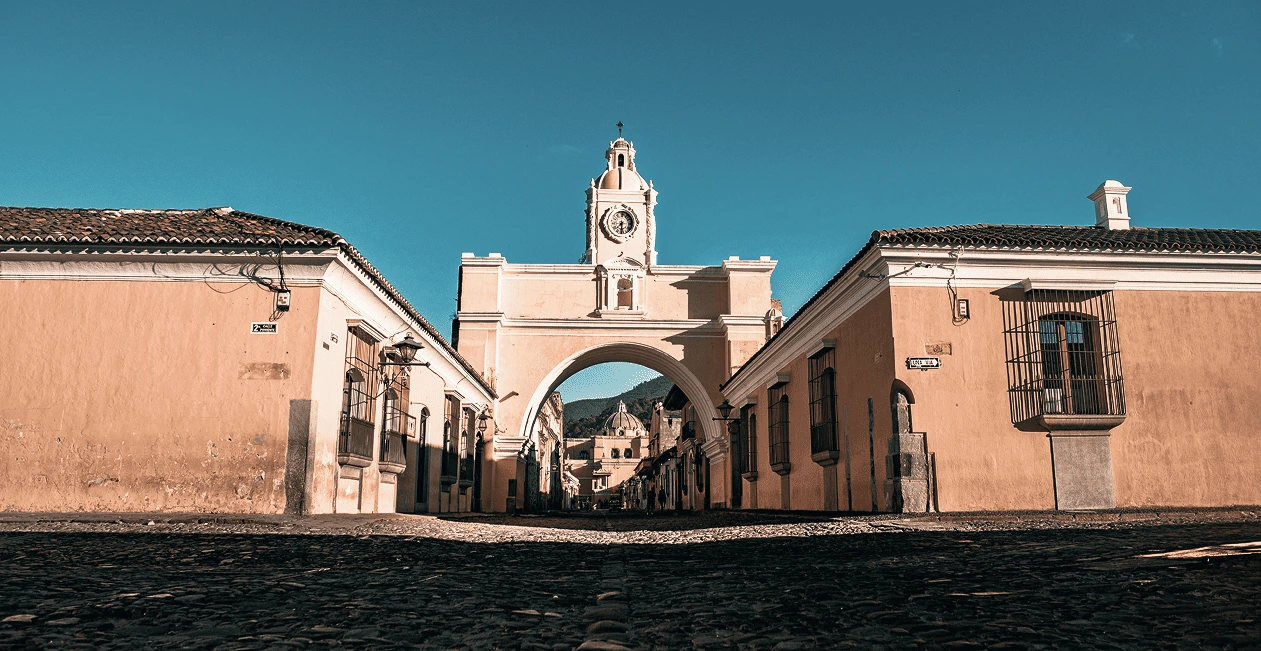
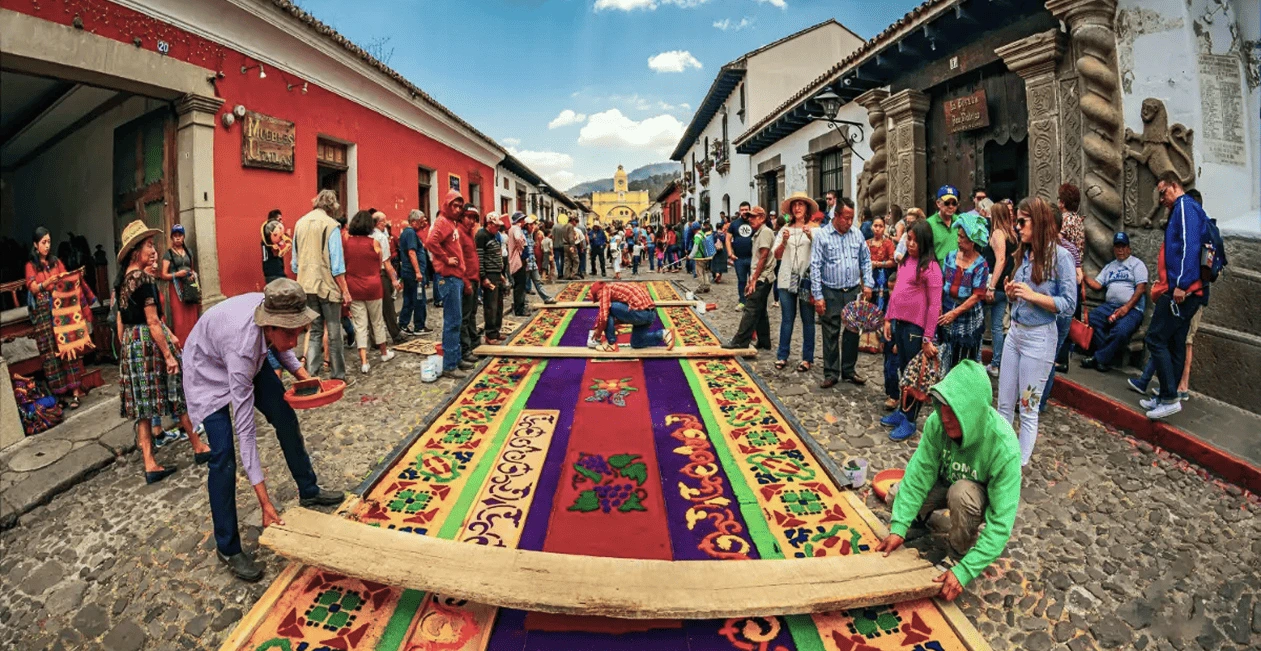
Traditions form part of Antigua Guatemala’s identity and are one of the destination’s major cultural attractions. Holy Week completely transforms the city, with processions winding their way through streets decorated with stunning carpets of sawdust, flowers, and traditional motifs, passing by iconic landmarks such as Antigua Guatemala Cathedral and the Arch of Santa Catalina. Regarded as one of the most spectacular religious celebrations in Central America, it's also one of the best times to visit Antigua Guatemala.
Throughout the rest of the year, the cultural calendar features local celebrations, neighbourhood festivals, and events such as the Festival of Flowers, which brings colour and atmosphere to the streets of the historic centre. For those seeking a more local experience, Antigua GFC’s football matches are also part of the city’s daily life.
As night falls, Antigua Guatemala changes pace and offers an enticing range of dining and leisure options, with terraces, live music, signature bars, and restaurants that reinterpret Guatemalan cuisine using ingredients from the highlands and local produce.
How to get to Antigua Guatemala
Getting to Antigua Guatemala is straightforward, and this is one of the reasons why it's usually included in almost any itinerary around the country. Although many people look for flights to Antigua Guatemala, the city doesn't have its own airport. The nearest airport is La Aurora International Airport, located in Guatemala City, from where private transfers and tourist shuttles run quite frequently.
The journey by road between Guatemala City and Antigua Guatemala usually takes between 45 minutes and 1.5 hours, depending on traffic, particularly at peak times.
For those wondering how to get from Guatemala City to Antigua, the most common options are private transport, shared tourist shuttles or local buses, although the latter usually take longer and involve changing buses.
As well as being a comfortable journey, the route offers a first glimpse of the region’s landscape, with views of the Panchoy Valley and some of the volcanoes surrounding Antigua Guatemala. Thanks to these good transport links, the city is often a must-see stop on any itinerary through Guatemala.
When to visit Antigua Guatemala
Thanks to its temperate climate and pleasant temperatures for much of the year, Antigua Guatemala can be visited at any time of year. However, your experience may vary considerably depending on the type of trip you’re looking for.
The dry season, between November and April, is usually the most popular time to visit Antigua Guatemala. The days are sunnier and the clear skies make for lovely strolls through the historic centre, views from Cerro de la Cruz, and excursions to volcanoes such as Pacaya or Acatenango.
On the other hand, the green season, between May and October, offers more vibrant landscapes, particularly lush gardens, and, in many cases, more competitive hotel prices. Although afternoon showers are common, there are usually fewer visitors and a more peaceful atmosphere.
For those seeking a balance between good weather, fewer crowds, and ideal conditions for photography, months such as March and November are usually particularly recommended. Choosing when to travel to Antigua Guatemala will depend, to a large extent, on the atmosphere and the kind of experience you’re looking for.
How to get around Antigua Guatemala
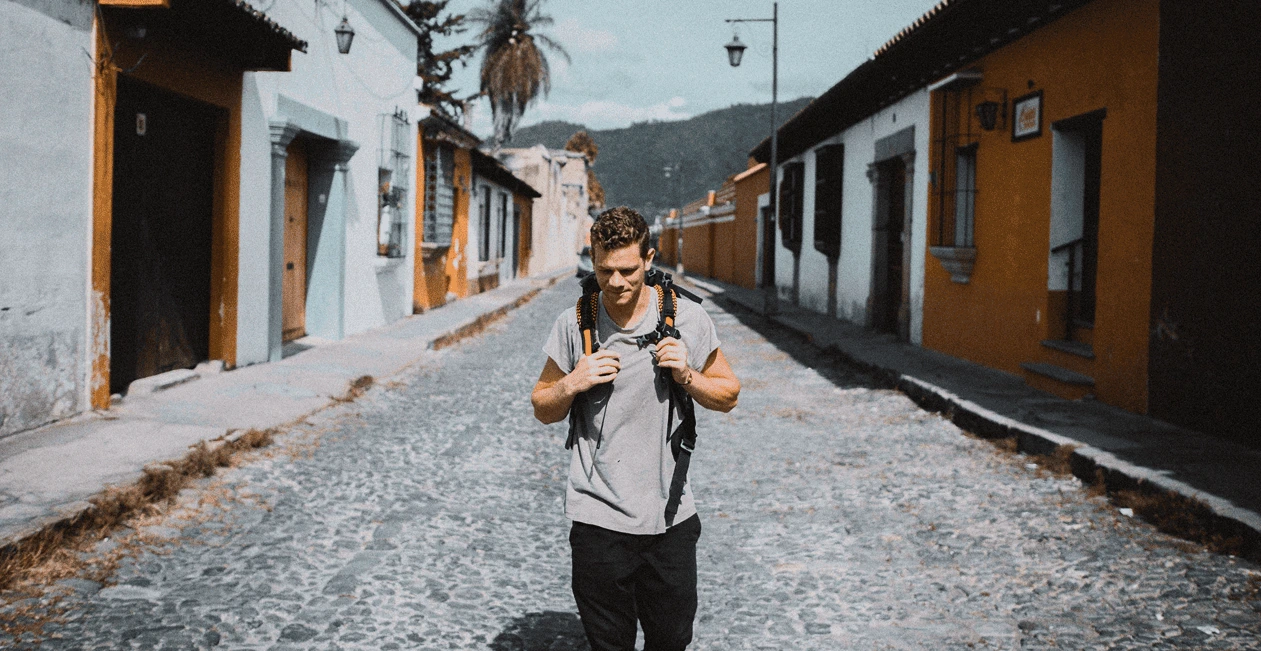
Antigua Guatemala is a city that is particularly easy to explore on foot. Most of its main tourist attractions are within walking distance of one another, allowing you to discover squares, churches, cafés, and historic monuments at a leisurely pace.
For short journeys, it’s also common to use tuk-tuks and taxis, whilst excursions to volcanoes, nearby villages or destinations such as Lake Atitlán are usually undertaken in private minibuses or organised tourist shuttles.
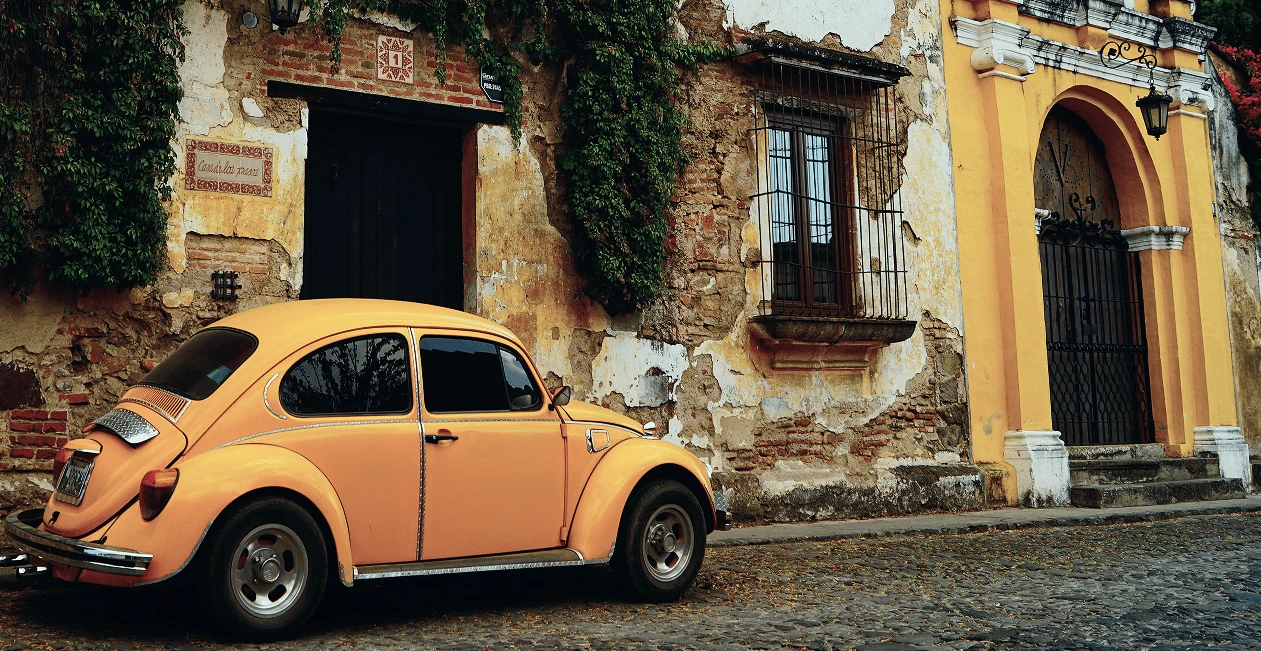
That said, it’s worth bearing in mind that many of the streets still feature traditional colonial cobblestones, so wearing comfortable footwear can make all the difference during your visit. Although some museums, hotels and public spaces have introduced accessibility improvements, certain areas of the historic centre may still be less convenient for people with reduced mobility.
Furthermore, thanks to frequent transport links to Guatemala City and other tourist destinations in the country, it isn't usually necessary to hire a car to enjoy a holiday in Antigua Guatemala.
Things to do in Antigua Guatemala
Explore the historic centre and its ruins
One of the best ways to start your visit is to explore the historic centre on foot or by joining a free tour of Antigua Guatemala. In just a few hours, you’ll be able to find your way around the squares, churches, convents, and iconic ruins whilst discovering how the city was shaped by earthquakes, reconstruction, and centuries of colonial history.
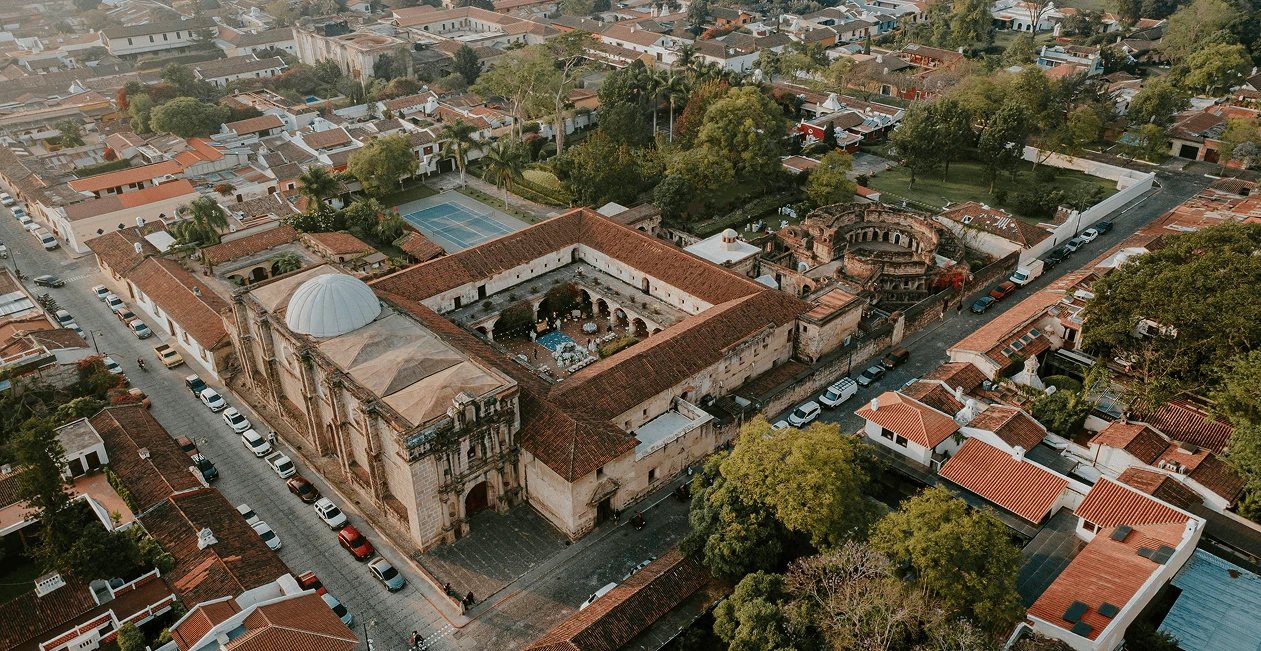
Among the most interesting sights are the Arch of Santa Catalina, the Cathedral of San José, and the ruins of the convents of Santa Clara and San José el Viejo. As well as helping you gain a better understanding of the city’s history, this initial tour usually helps you decide what to do in Antigua Guatemala based on your interests: architecture, food, shopping, or nature.
One of Antigua’s great attractions is precisely its human scale. Many of its main attractions are within walking distance of one another, allowing you to explore the city at a leisurely pace without having to travel far.
Viewpoints and nearby nature
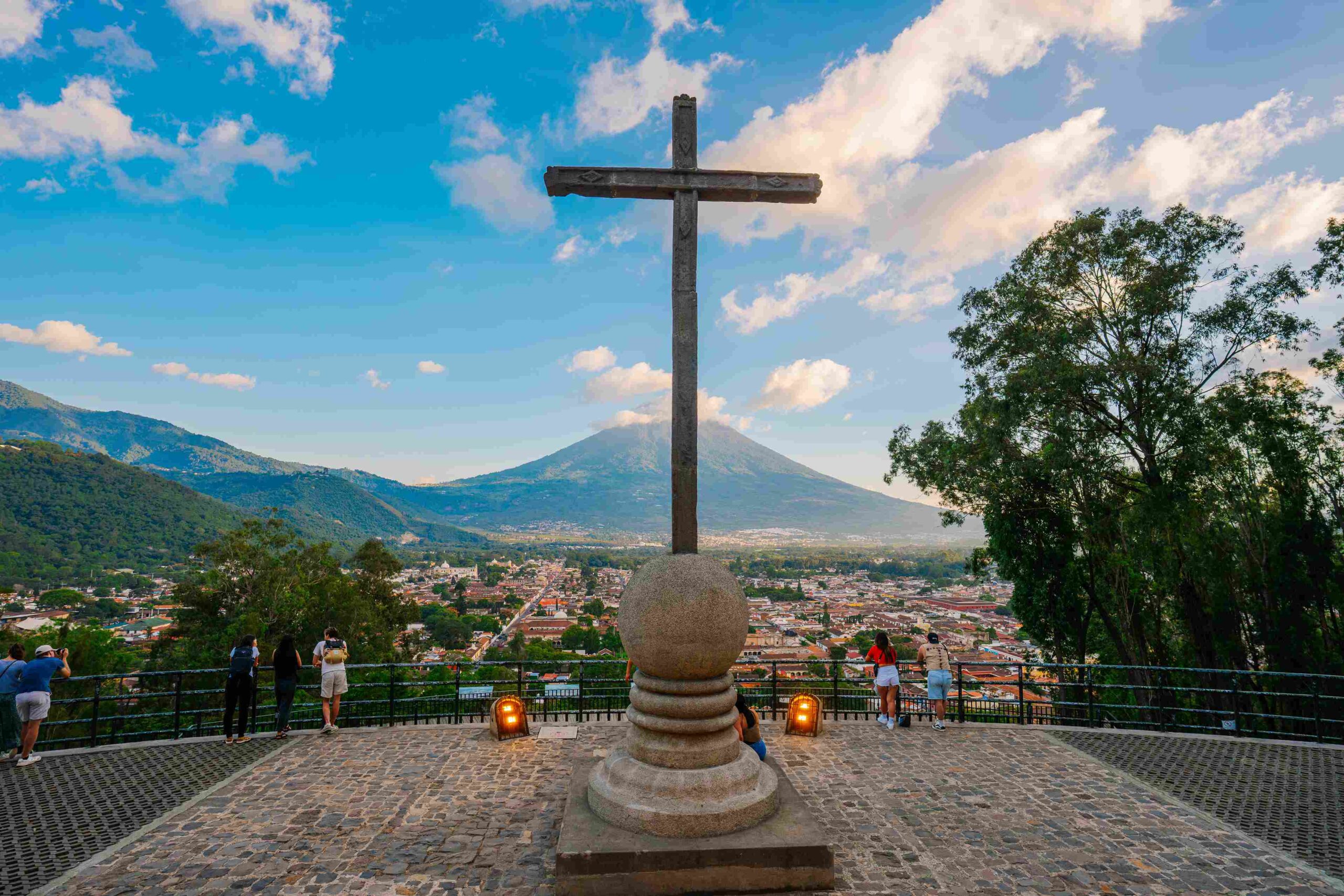
Climbing Cerro de la Cruz is one of the must-do activities in Antigua Guatemala. From this viewpoint, you can enjoy one of the city’s most iconic views, with the colonial rooftops and the Agua Volcano dominating the landscape. The trail is signposted and usually takes around 20 to 30 minutes to walk from the historic centre.
For those seeking more adventurous experiences, excursions to the Pacaya or Acatenango volcanoes are two of the most popular activities. Pacaya is usually visited on a half-day excursion and offers the chance to walk across ancient volcanic fields. Acatenango, on the other hand, requires a more challenging hike, typically lasting one or two days, but rewards you with breathtaking views of the active Fuego Volcano.
If you’re wondering what to visit in Antigua Guatemala beyond the historic centre, these day trips are an excellent way to add nature and adventure to your trip.
Culture, museums and gastronomy
It's also worth spending a few hours visiting the museums of Antigua Guatemala. Places such as Casa Santo Domingo, built on the ruins of a former convent, combine architectural heritage, archaeology and colonial art in a particularly attractive setting.
These visits help you gain a better understanding of Antigua Guatemala’s historical past and the role it played as one of the region’s most important cities during the colonial era.
Afterwards, it’s a good idea to round off the tour with a leisurely meal at one of the restaurants in the historic centre. Among Guatemala’s typical dishes, pepián stands out – a traditional, flavourful stew that combines Mayan and Spanish influences.
In the evening, Antigua offers an interesting culinary scene with restaurants that reinterpret traditional recipes and beautifully appointed venues, ideal for soaking up the city’s colonial atmosphere.
Local shopping and experiences
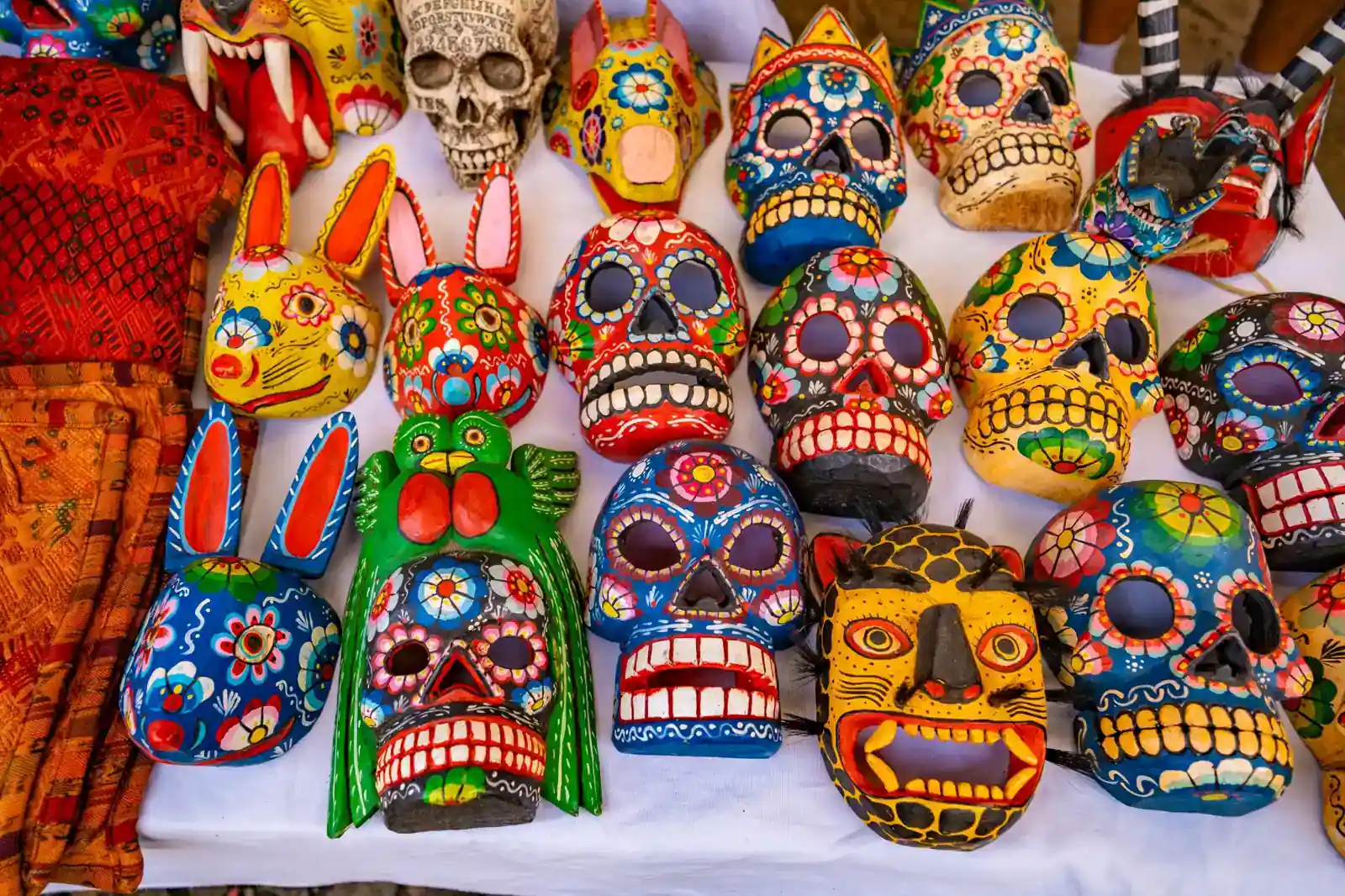
The markets and craft workshops are the perfect places to discover what to buy in Antigua Guatemala. Among the most popular products are Mayan textiles, Guatemalan jade, handcrafted pottery and high-altitude coffee, all of which are deeply rooted in the country’s cultural identity.
You can also enhance your stay with a coffee or cocoa tour of nearby plantations – an experience that’s becoming increasingly popular amongst those seeking a more authentic form of tourism that’s closely connected to the local area.
These kinds of activities add variety to your trip and broaden the options for those looking for things to see and do in Antigua Guatemala beyond the most touristy spots.
Places
Map of must-see places in Antigua Guatemala
Estimated Budget
Antigua Guatemala allows you to tailor your budget to different styles of travel. You can organise an affordable break centred on walks, markets and cultural visits, or opt for a more comprehensive experience with boutique hotels, fine dining and organised excursions.
This flexibility makes Antigua an attractive destination both for travellers on a tight budget and for those seeking a more premium experience.
Ideal Weather
Although it's possible to see the main sights of the historic centre in one or two days, ideally you should set aside three to four days to enjoy the city at a more leisurely pace and include activities such as volcano tours, culinary experiences or visits to nearby villages.
That's why many itineraries in Guatemala include Antigua Guatemala as an essential stop on the route.
Best time to visit
The dry season, between November and April, is usually the most popular time to visit Antigua Guatemala thanks to its sunny days and clear skies, which are ideal for exploring the city and going on excursions to the volcanoes.
However, the green season, between May and October, also has a special charm. The landscapes become more vibrant, the colonial courtyards look particularly beautiful and there is usually a more peaceful atmosphere. Although there may be afternoon showers, it's still a good time to enjoy the destination.
Climate and Altitude
Situated at around 1,500 metres above sea level, Antigua Guatemala enjoys pleasant temperatures for much of the year. Even so, it's common to experience temperature changes between day and night.
It's best to pack light clothing for the middle of the day and a jacket or warm top for mornings, evenings or trips to higher altitudes.

What to see
Landmarks in Antigua Guatemala
Use our AI-powered planner to plan your visit to Antigua Guatemala
Save places, routes, and experiences
More cities
Other cities in Guatemala that you shouldn’t miss
Guatemala City
Chichicastenango
Quetzaltenango
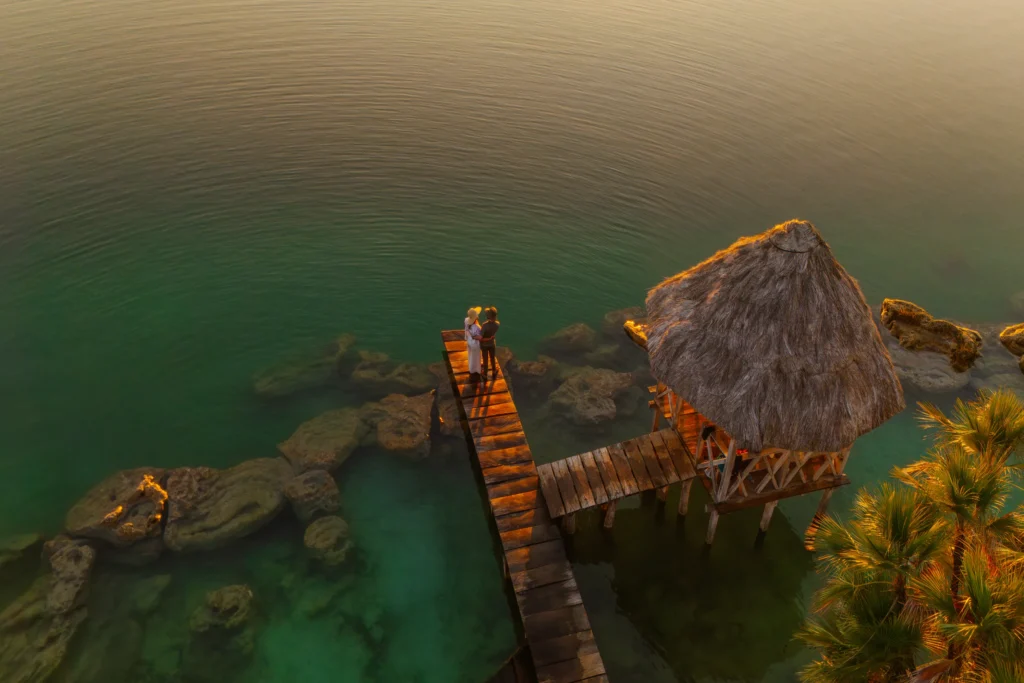
Cobán
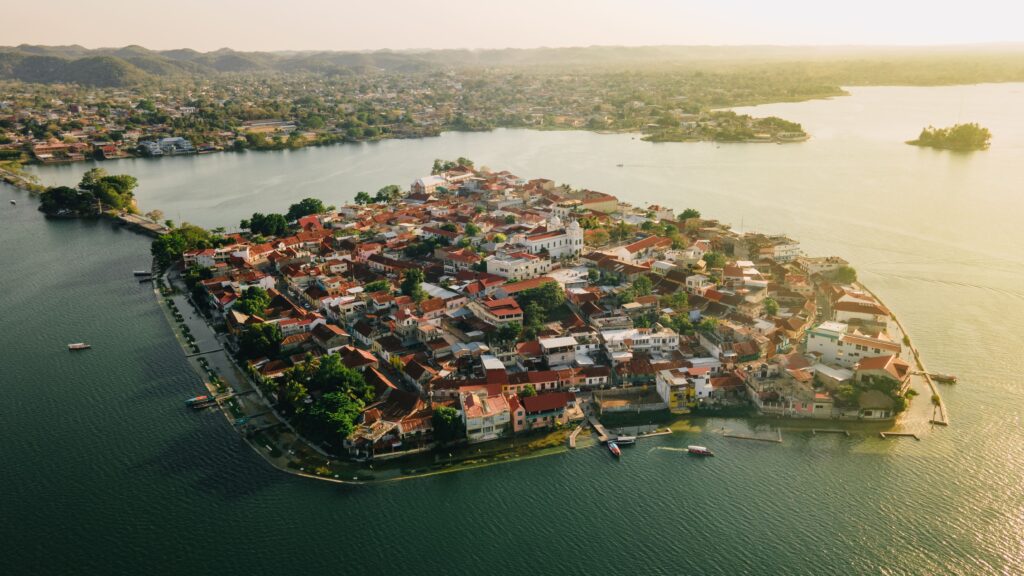
Flores Island
Blog posts
Interesting articles about Antigua Guatemala and other places
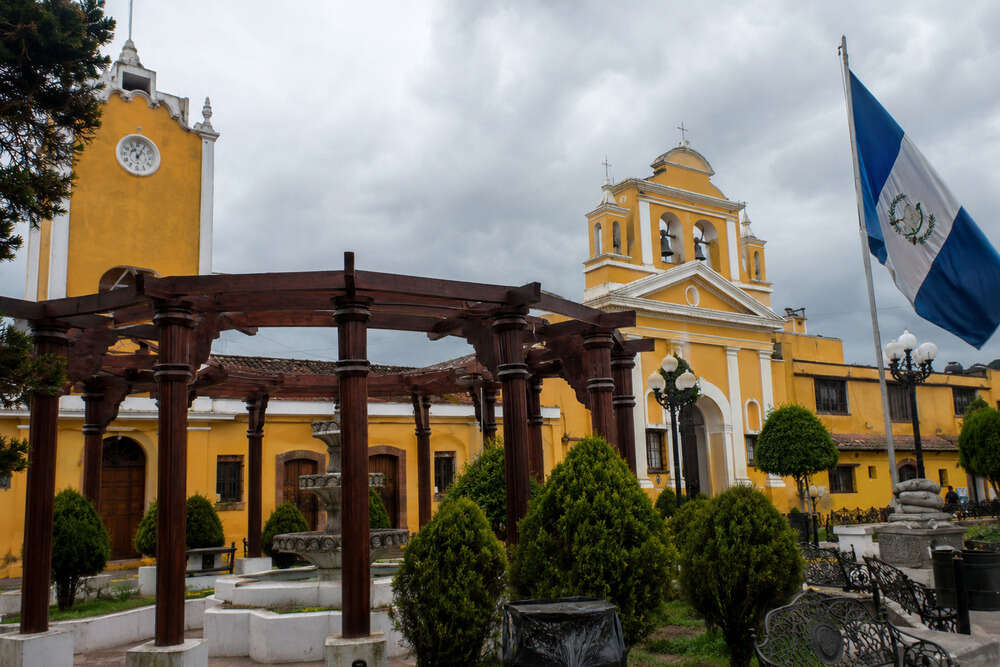
What to see and do in Salcajá, Guatemala
Salcajá, Quetzaltenango, is one of those places that looks small on the map but holds far more history than you […]
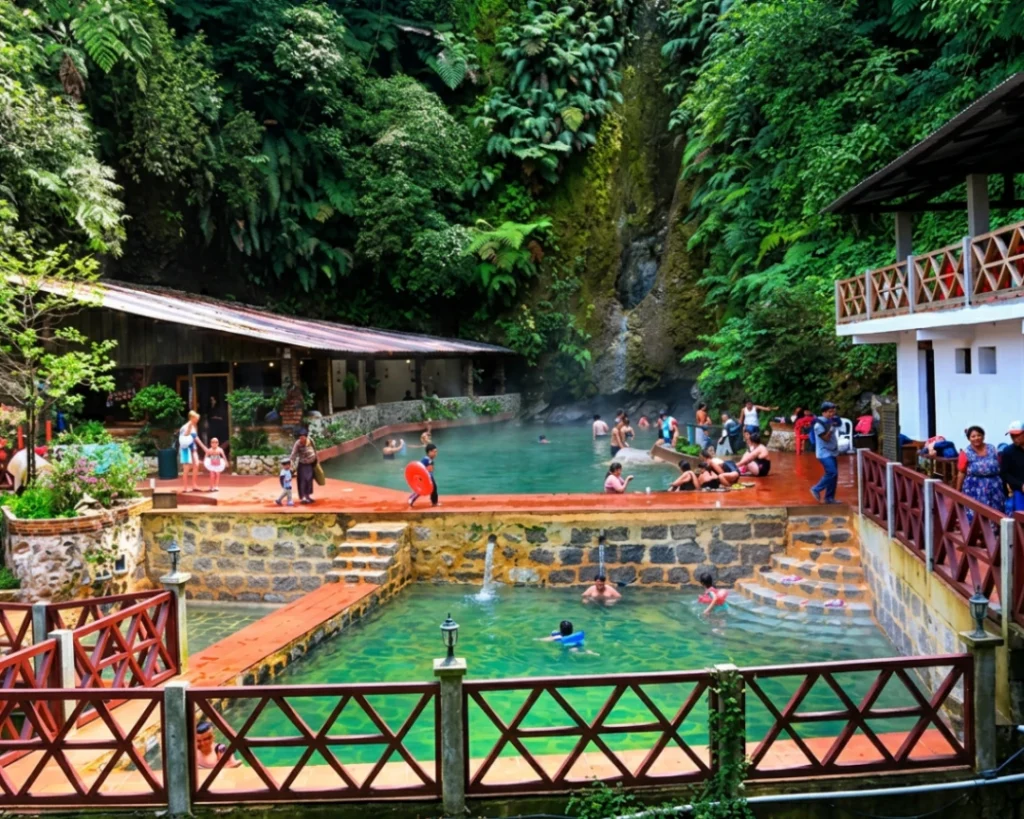
What to see and do at the Fuentes Georginas
The Fuentes Georginas are one of the most relaxing places to visit near Quetzaltenango. Hot spring pools, steam, lush vegetation, […]
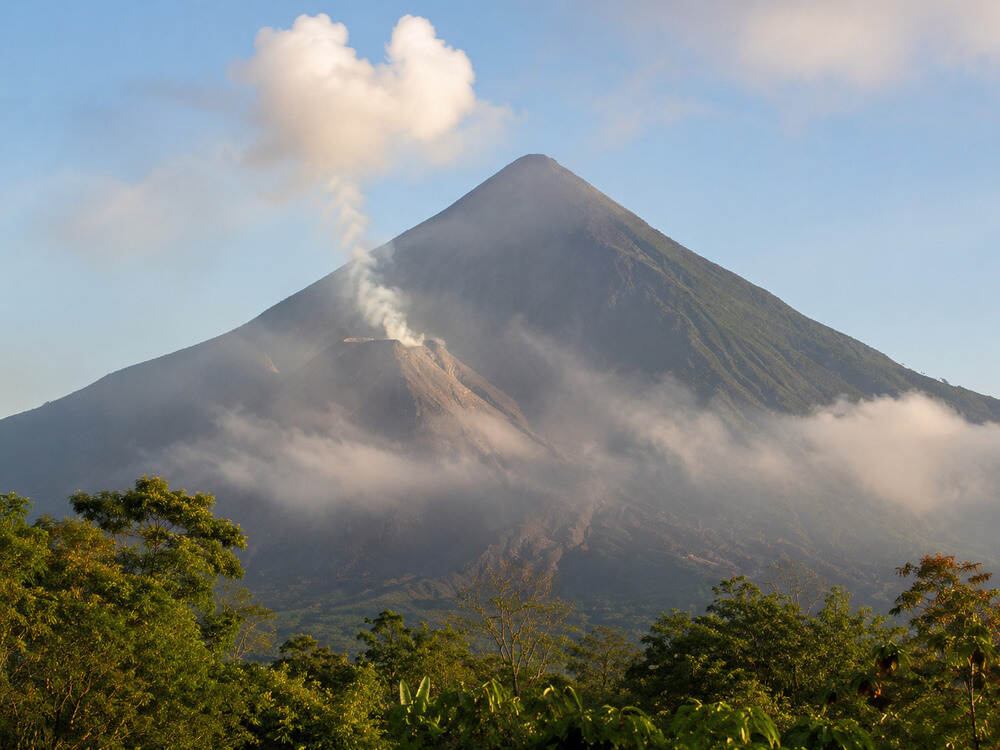
What to see and do at the Santa María Volcano
Are you planning a trip to western Guatemala and fancy a bit of adventure? Don’t miss this: come and climb […]
Frequently Asked Questions
What is the best city to start my tour of Guatemala?
Antigua Guatemala is the recommended starting point due to its proximity to La Aurora International Airport and its excellent tourist and colonial infrastructure.
Is it safe to walk around urban tourist areas?
Yes, Antigua Guatemala is safe. That said, it's advisable to stay in areas frequented by other tourists and to follow the advice and guidance of tour guides or expert advisers from hotels or INGUAT.
How can I travel safely from one city to another?
The most convenient and safest option is to use shared tourist shuttles or private transport, which provide direct connections between the country’s key destinations.
Are credit cards accepted in all cities?
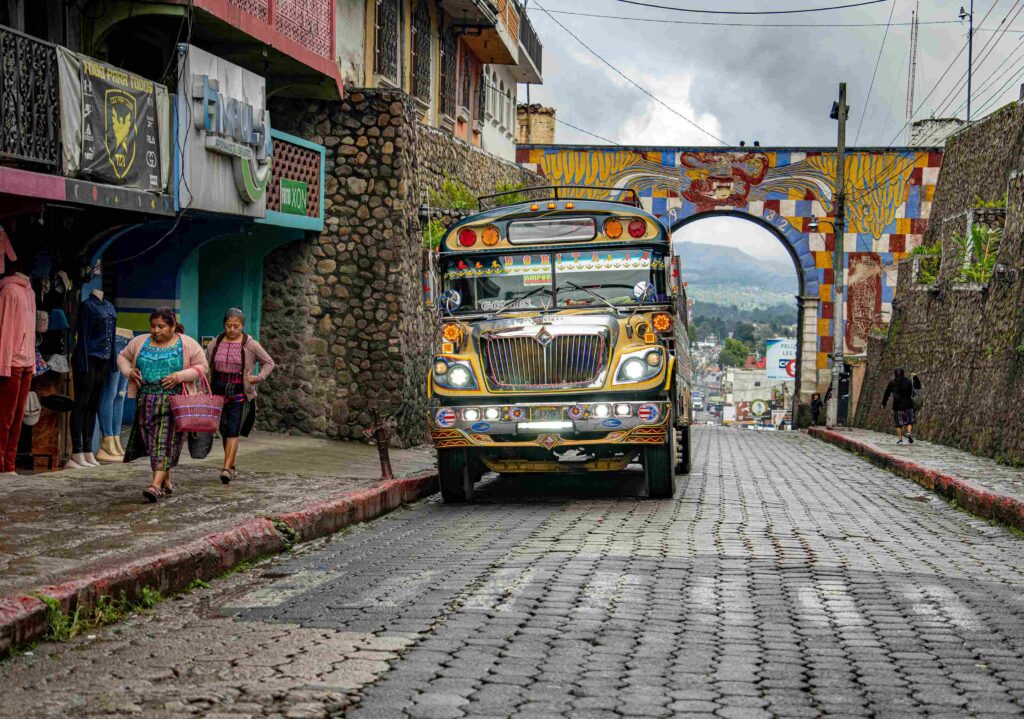
In large urban centres, yes. However, for traditional markets such as Chichicastenango (in the city of Quiché), it's essential to carry cash in the local currency (quetzales).
Which cities are best for travelling?
Antigua and Guatemala City offer the best connectivity. They also have co-working spaces and a cultural offering tailored to those who work remotely.