


Guide to the Pacaya Volcano
Where lava turns adventure into pure adrenaline
Welcome to the Pacaya Volcano
Pacaya Volcano is one of the most active, accessible and most visited volcanoes in Guatemala, as well as one of the most popular adventure excursions from Antigua Guatemala and Guatemala City. Its combination of hiking, lava landscapes, active fumaroles and panoramic views offers an authentic volcanic experience without the need for a particularly demanding trek.
At an altitude of approximately 2,552 metres above sea level, Pacaya Volcano in Guatemala is an excellent choice for those wishing to explore the country’s living geology on a hike of moderate difficulty. Unlike volcanoes such as Acatenango, where the ascent requires greater physical fitness and an overnight camp, the climb up Pacaya can usually be completed in half a day.
A trip to Pacaya Volcano is also a way to understand why Guatemala is known as the ‘land of volcanoes’. Its fields of solidified lava, visible geothermal activity and panoramic views of the highlands make this excursion one of the most memorable natural experiences near Antigua Guatemala.
The Origin of the Pacaya Volcano
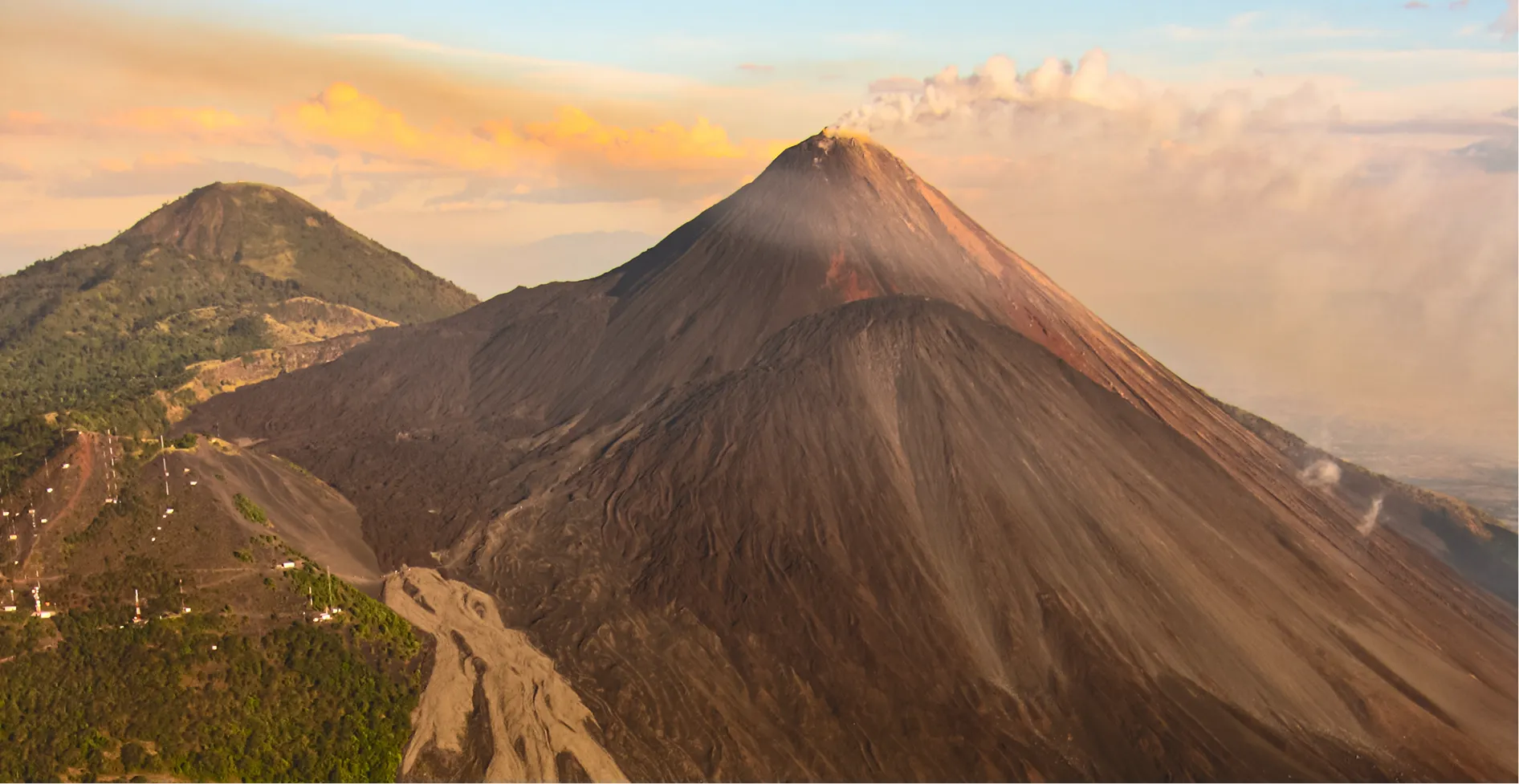
The origin of the Pacaya Volcano is linked to the intense tectonic activity that shapes the Central American Volcanic Arc, resulting from the interaction between the Cocos Plate and the Caribbean Plate. It is a relatively young and highly dynamic volcano, whose eruptive activity has been continuously documented since the 16th century.
Unlike the country’s more eroded volcanoes, Pacaya maintains a constantly changing morphology due to its frequent eruptions. Fields of black lava, fumaroles, secondary cones and extensive areas of volcanic rock form a landscape that continues to transform over time.
Over recent decades, various eruptive episodes have reshaped part of the surrounding area, creating new lava flows and altering access trails. It is precisely this constant activity that makes Guatemala’s Pacaya Volcano one of the best places in the country to observe volcanic phenomena in a relatively safe and controlled manner.
Understanding the origins of the Pacaya Volcano also helps us to appreciate the surrounding landscape: a living volcanic environment, where it is still possible to feel the heat rising from the ground and to observe how nature continues to shape the landscape.
How to get to the Pacaya Volcano
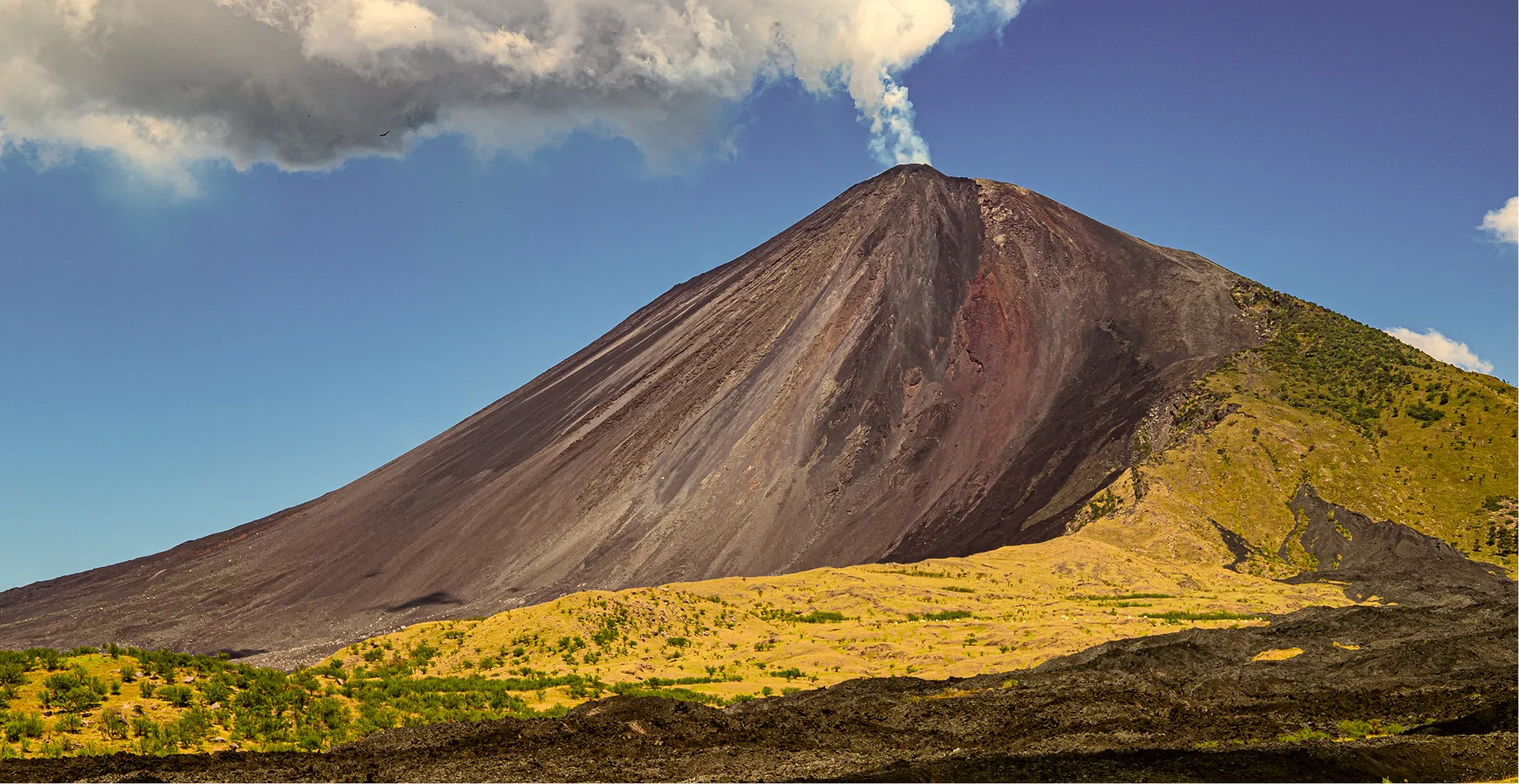
Getting to the Pacaya Volcano is relatively straightforward thanks to its proximity to some of the country’s main tourist destinations. Most travellers set off from Antigua Guatemala or Guatemala City, with the journey by road usually taking between 1.5 and 2 hours, depending on traffic and the exact point of departure.
The usual route is via the municipality of San Vicente Pacaya and the village of San Francisco de Sales, where the main entrance to the national park is located. This is where the trail used for most excursions begins.
The most convenient way to visit Pacaya Volcano in Guatemala is usually via organised tours, a tourist shuttle or private transport. Many excursions include a licensed local guide, return transport and sufficient time to complete the tour at a leisurely pace.
Thanks to these good transport links, a trip to Pacaya Volcano is an excellent option for those who have limited time in Guatemala but wish to include a volcanic adventure in their itinerary.
When to visit the Pacaya Volcano
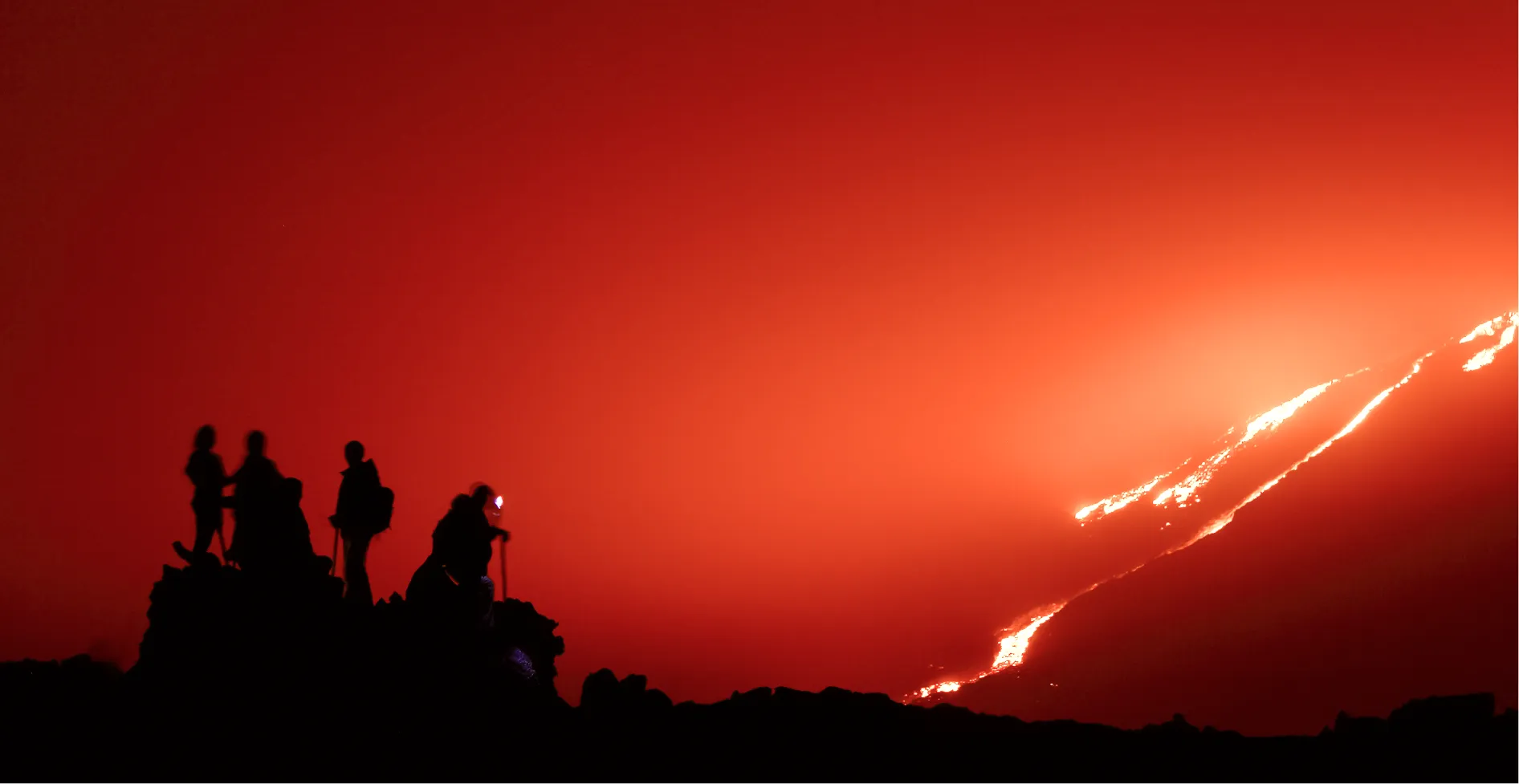
Pacaya Volcano can be visited all year round, although the dry season, between November and April, generally offers the most favourable conditions. During these months there is less rain, the trails are usually in better condition and visibility of other volcanoes on the high plateau is generally clearer.
On clear days, from various points along the route, you can see iconic volcanoes such as Agua, Fuego and Acatenango, as well as Lake Amatitlán and part of the mountainous landscape of southern Guatemala.
Temperatures during the hike usually range between 12 °C and 22 °C, although the wind and altitude can make it feel cooler, especially at dawn or dusk. It is therefore advisable to wear light clothing, but also to bring an extra layer.
During the wet season, between May and October, rain usually falls in the afternoon. Although some sections may be muddier, the landscape becomes visually more striking thanks to the contrast between the green vegetation and the vast fields of black lava.
Access to the Pacaya Volcano
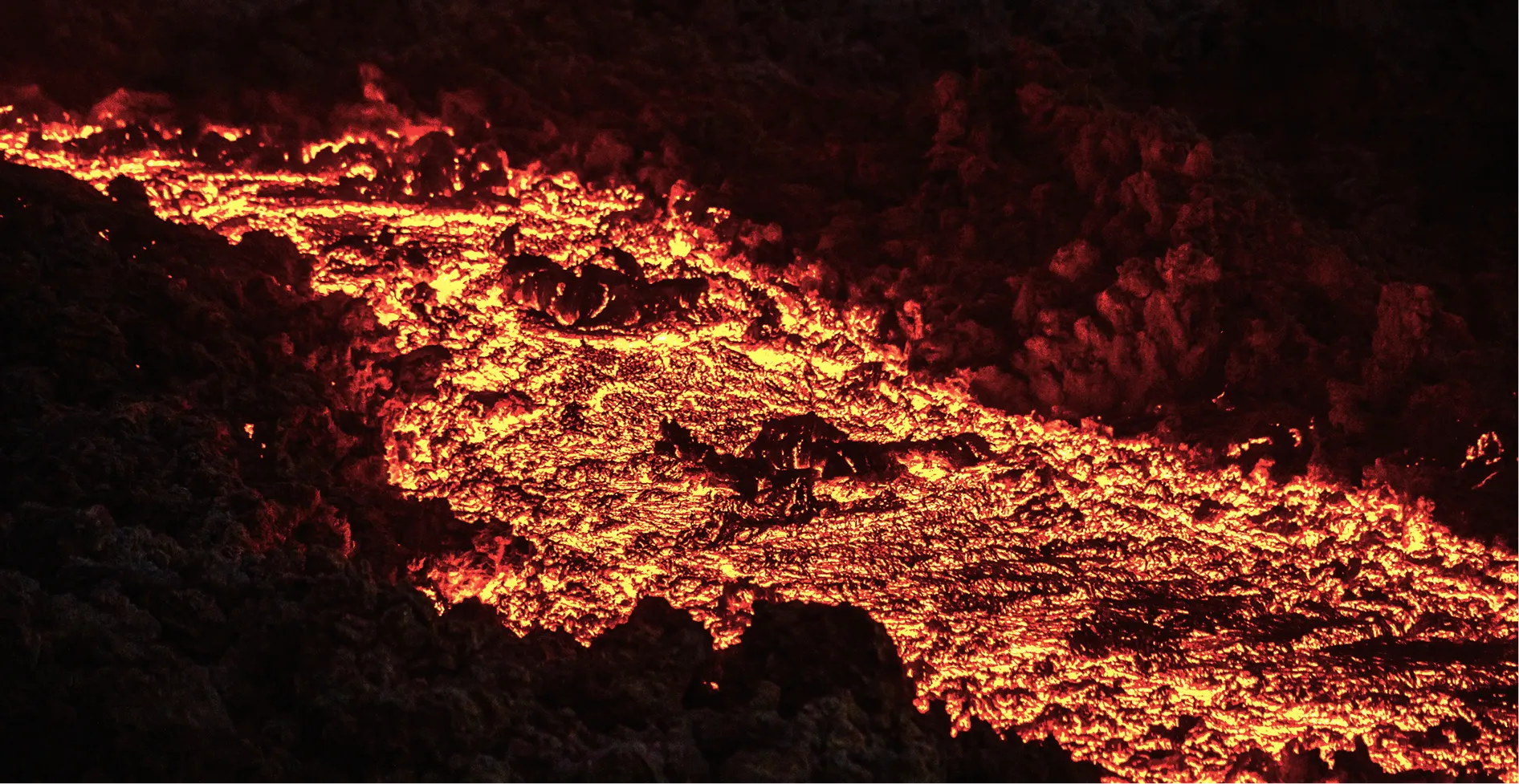
One of the great advantages of Guatemala’s Pacaya Volcano is its accessibility compared to other volcanoes in the country. The main trail is of low to moderate difficulty and usually takes around 1.5 to 2 hours to climb, depending on the group’s pace and weather conditions.
Although no technical mountaineering experience is required, a basic level of fitness is advisable. The terrain combines moderate slopes, volcanic rock, patches of black sand and uneven paths, so it is recommended that you wear closed, comfortable footwear.
Tours are usually led by authorised local guides, who not only enhance safety but also help to explain the area’s geological history and volcanic activity. On some sections, local horse-riding services are also available for those who prefer to reduce some of the physical exertion.
Accessibility is limited due to the natural and volcanic nature of the terrain. However, for travellers seeking their first volcanic hiking experience in Guatemala, Pacaya is generally considered one of the most accessible and rewarding options.
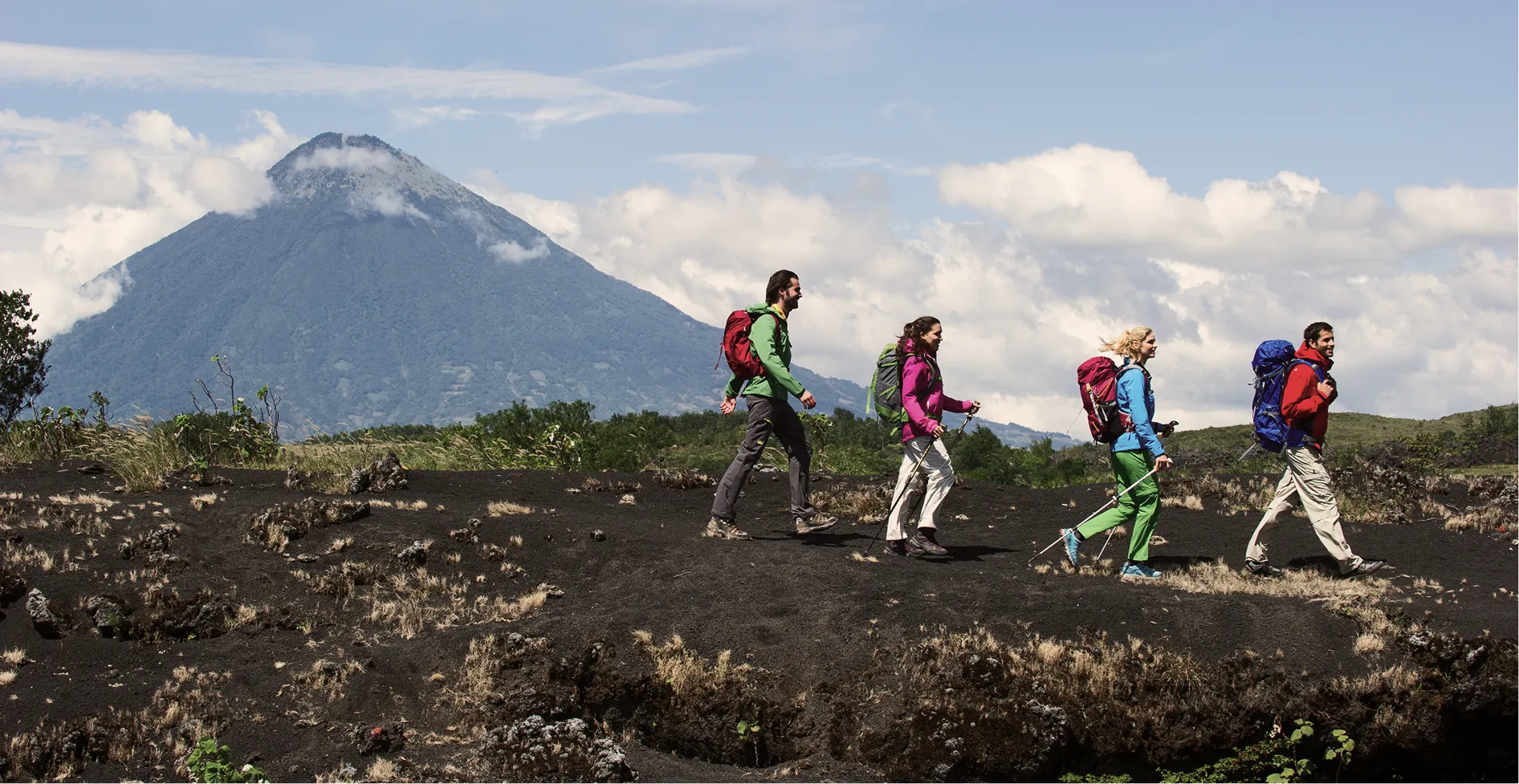
Things to do at Pacaya Volcano
Walking across lava fields
One of the main attractions of Pacaya Volcano is exploring its vast fields of solidified lava. These formations allow visitors to see at close quarters how eruptions have shaped the landscape, creating scenes of black rock that are almost reminiscent of lunar landscapes.
For many travellers, this is the most striking part of the excursion, as it allows them to grasp the geological scale of the volcano and enjoy an experience quite unlike any conventional mountain trail.
Observing fumaroles and volcanic activity
In certain authorised areas, it is possible to see active fumaroles and feel the natural heat rising from the ground. Although the visible activity changes over time depending on volcanic behaviour, Pacaya remains one of the best places in Guatemala to observe an active volcanic environment from relatively close quarters.
For safety reasons, it is always important to follow the guides’ instructions and stay within the designated visitor areas.
Enjoy panoramic views
The route offers some of the most spectacular volcanic landscapes near Antigua Guatemala. From higher ground, you can enjoy views of volcanoes such as Agua, Fuego and Acatenango, as well as sweeping panoramic views of Lake Amatitlán and part of the central highlands.
These views make Pacaya a particularly attractive destination for photography, hiking and travellers interested in natural landscapes.
Combining Pacaya with Antigua Guatemala
Thanks to its proximity, many travellers combine a visit to Pacaya Volcano with a stay in Antigua Guatemala. This blend of volcanic adventure, colonial heritage and gastronomy makes the experience one of the most well-rounded and balanced itineraries in the country.
For those with only a few days to spare, Pacaya is often the ideal choice for experiencing an active volcano without taking up too much time in their itinerary.
Places
Map of Guatemala’s must-see volcanoes
Accessible
The Pacaya Volcano is one of the most accessible volcanoes in Guatemala. The hike usually takes just a few hours to complete, making it an ideal choice for those who want to enjoy a volcanic experience without tackling overly demanding routes.
A changing landscape
The landscape around Pacaya is constantly changing due to its volcanic activity. Footpaths, lava formations and geothermal areas may change over time, making each visit slightly different.
Active volcano
Although it does not always show intense visible activity, Pacaya remains one of Guatemala’s most active volcanoes, with recurring eruptions and constant geothermal activity.
Stunning views
On clear days, the route offers spectacular panoramic views of the Guatemalan highlands, nearby volcanoes and Lake Amatitlán, combining adventure and scenery in a single experience.

What to see
Other must-see volcanoes in Guatemala
Use our AI-powered planner to plan your visit to Pacaya Volcano
Save places, routes and experiences
Natural Wonders
Other nature destinations in Guatemala
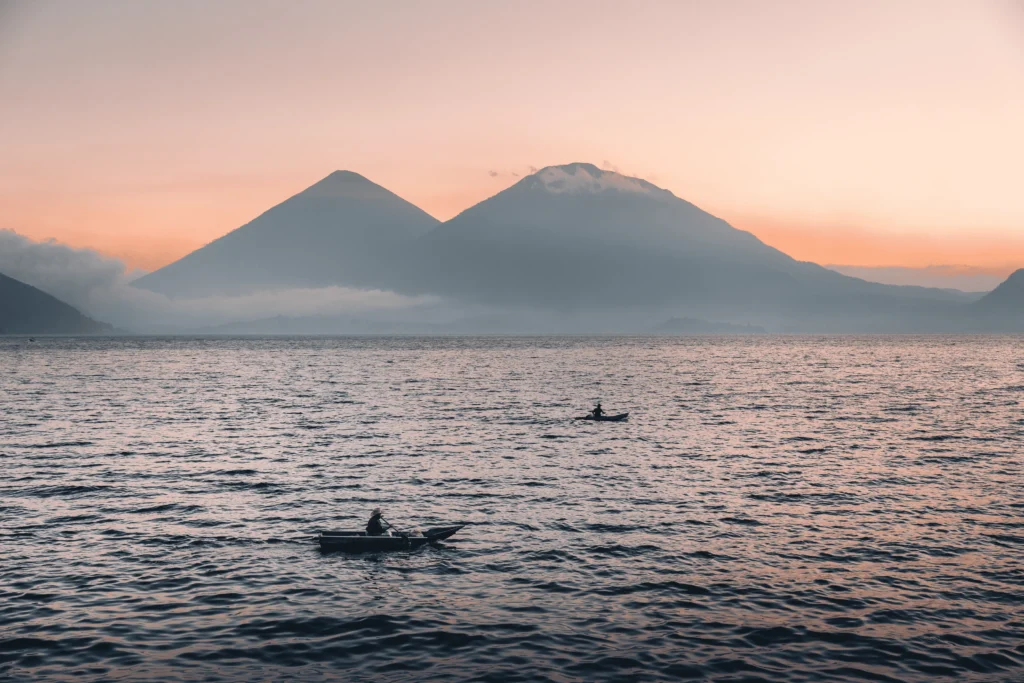
Lake Atitlán
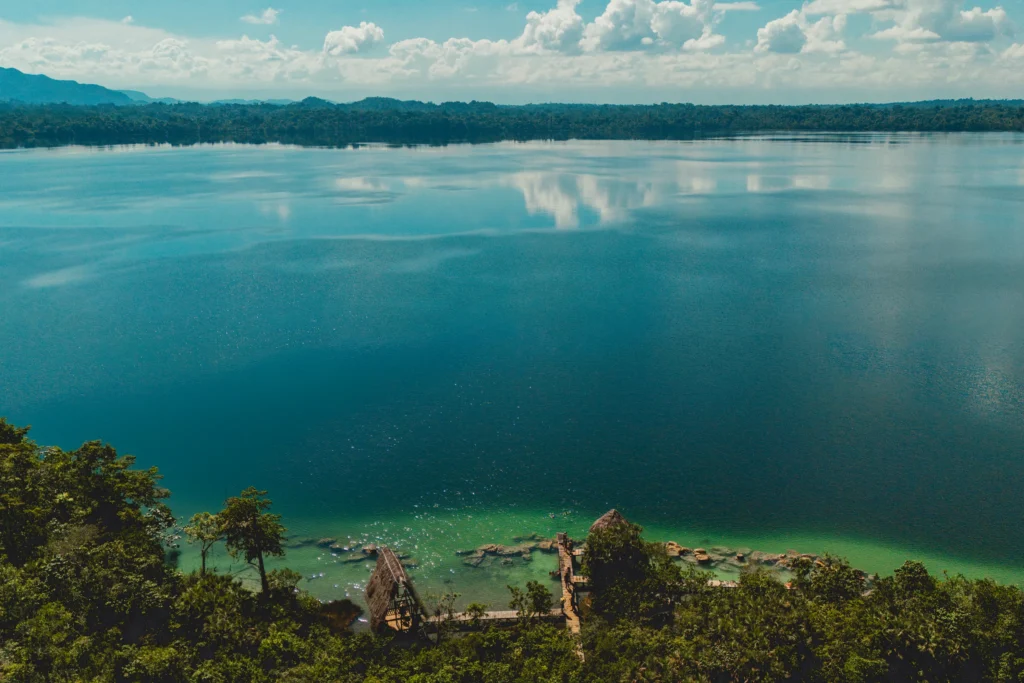
Laguna Lachuá National Park
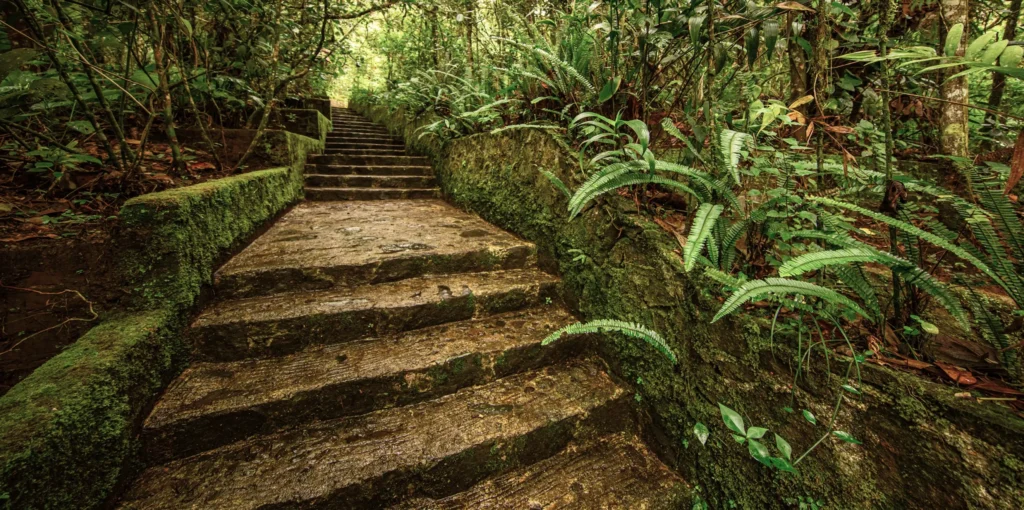
Quetzal Biotope
Acatenango Volcano
Tajumulco Volcano
Interesting articles about the Pacaya Volcano and other places
What to see and do in Salcajá, Guatemala
Salcajá, Quetzaltenango, is one of those places that looks small on the map but holds far more history than you […]
What to see and do at the Fuentes Georginas
The Fuentes Georginas are one of the most relaxing places to visit near Quetzaltenango. Hot spring pools, steam, lush vegetation, […]
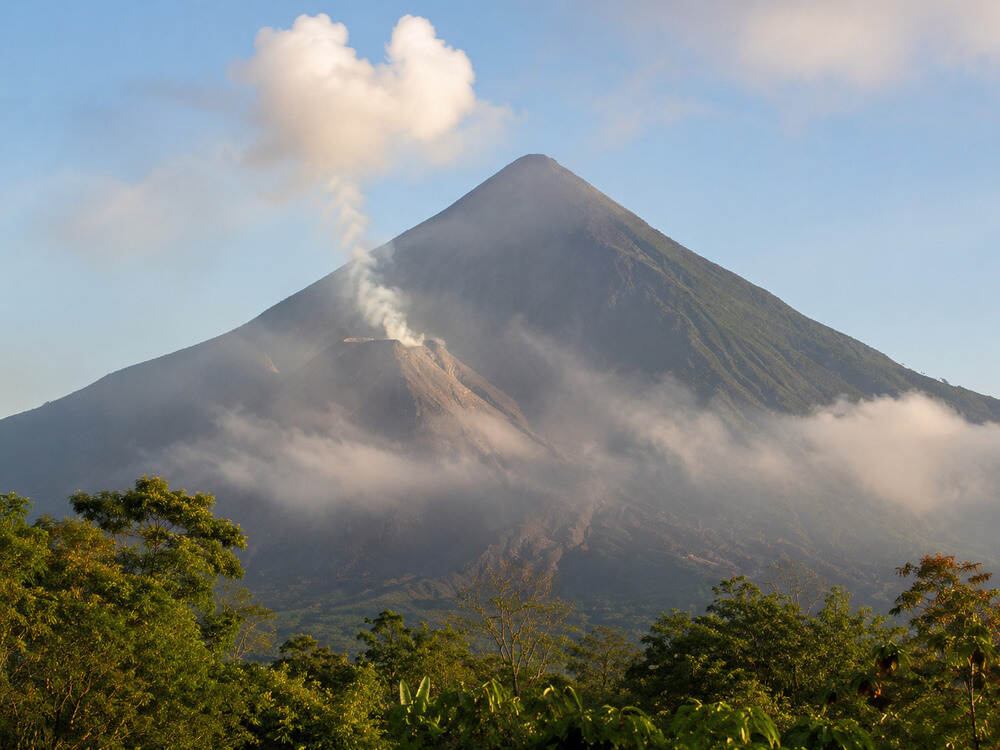
What to see and do at the Santa María Volcano
Are you planning a trip to western Guatemala and fancy a bit of adventure? Don’t miss this: come and climb […]
Frequently Asked Questions
What is the Pacaya Volcano excursion like?
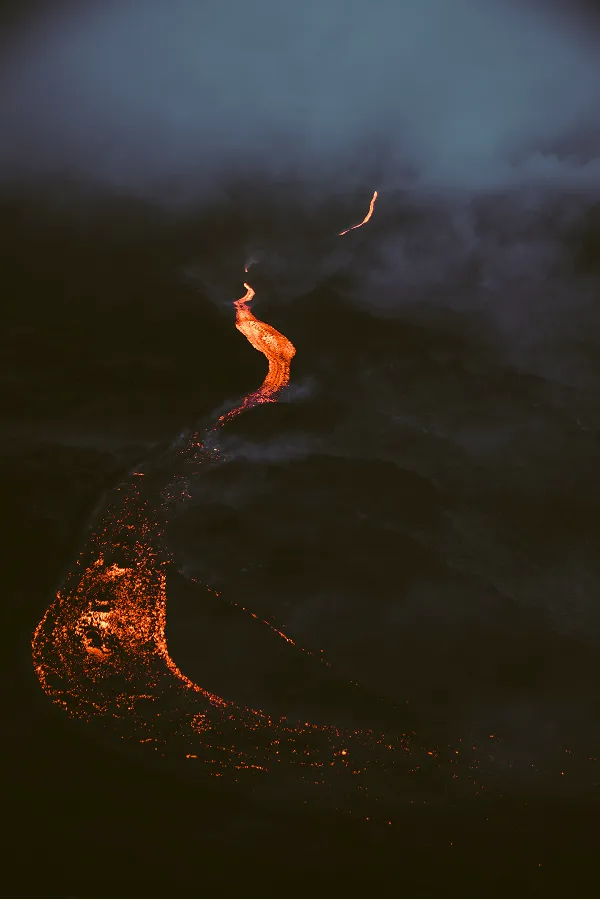
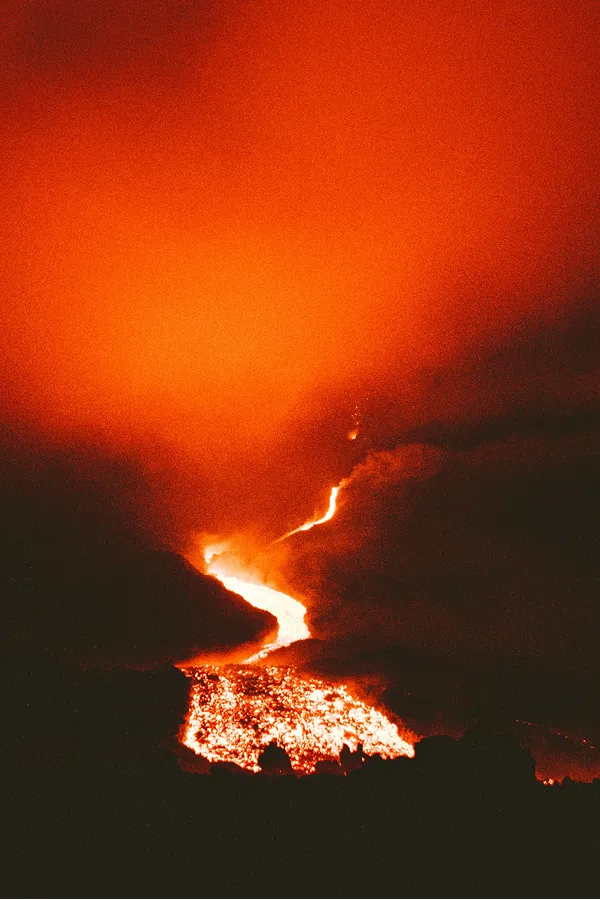
The hike to Pacaya Volcano is one of the most accessible and breathtaking adventures near Antigua Guatemala. The walk takes you along volcanic trails, through ash-covered landscapes and past viewpoints offering stunning views of Guatemala’s other volcanoes. Unlike more demanding treks such as Acatenango, the route here is relatively short and perfect for those who want to experience a volcanic adventure without needing to be particularly fit. One of the most special moments comes as you approach the areas of hot lava and fumaroles, where the landscape looks almost lunar.
Is it worth climbing the Pacaya Volcano?
Yes, especially if you’re looking for a simpler but equally spectacular volcanic experience. Pacaya Volcano offers incredible views, unique volcanic landscapes and the chance to walk across ancient lava flows without having to undertake an extreme trek. Many people consider it the best day trip from Antigua because it combines adventure, stunning scenery and ease of access. What’s more, on clear days the views of other volcanoes are spectacular, particularly at sunset.
How long does the trip to the Pacaya volcano take?
The full excursion usually lasts between 5 and 7 hours from Antigua Guatemala, including transport, the climb and time spent in the volcanic area. The hike itself usually takes between 1.5 and 2 hours to climb, depending on your pace and the terrain. This makes it an ideal option for travellers who want an intense adventure without having to set aside several days, as is the case with Acatenango Volcano.
What should I take on the trip to the Pacaya volcano?
Although it isn’t an extremely difficult hike, the volcanic terrain can be uneven and changeable, so it’s important to be prepared. To climb Pacaya Volcano, it’s recommended that you wear hiking boots or trainers with good soles, comfortable clothing and a light jacket, as the weather can change quickly. It’s also essential to bring water, sun cream and some cash in case you want to hire horses on certain sections of the route or buy local snacks during the excursion. If you’re making the ascent at sunset, a head torch can make all the difference on the descent.